

Concrete
Making Cement with Surrogates

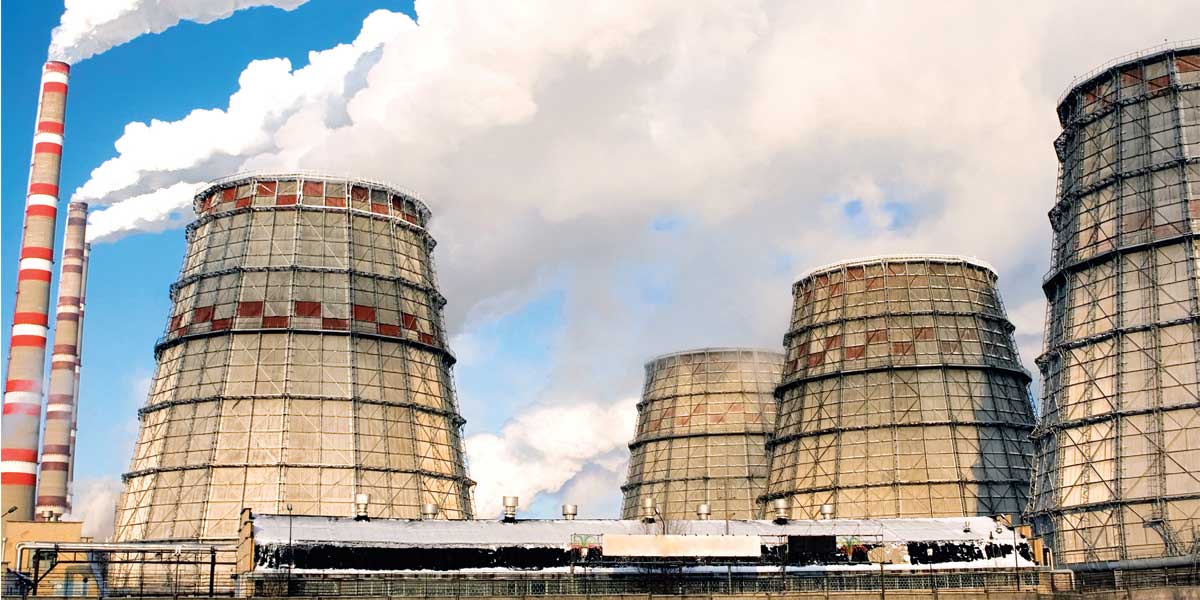
The cement sector, specifically the one in India, shoulders the responsibility of paving the way for the use of alternative fuels and raw materials (AFR) as it continues to take sturdy strides towards decarbonisation. ICR explores the various facets and technological innovations involved in the use of AFR.
India is the world’s second-largest cement manufacturer. It makes up more than 8 per cent of the installed capacity worldwide. The cement industry is anticipated to gain the most from India’s potential for expansion in the infrastructure and building sectors. Furthermore, cement consumption in India has been steadily increasing as a result of the increased need for rural housing. One of the key factors driving demand for cement is the industrial sector’s rapid expansion. As a result, there is a great chance that the long-term need for the cement sector will rise. The creation of 98 smart cities is only one of the current efforts that are anticipated to have a big impact on the industry.
According to the IMARC Group, the India cement market size reached 3,644.5 MT in 2022. The market is expected to reach 4,832.6 MT by 2028, exhibiting a growth rate (CAGR) of 4.94 per cent during 2023-2028.
The India cement market is primarily driven by the significant rise in construction activities due to the rapid population expansion and a surge in the need for residential spaces. The development of mega infrastructure projects in the country, such as airports and roads, is also bolstering the growth of the market. Furthermore, with the growing environmental concerns, there has been a rise in the demand for green buildings. This has led to an increase in the sales of sustainable and green cement as it minimises the CO2 emissions generated during the production process. Moreover, rapid urbanisation and industrialisation, along with the rising purchasing power of consumers, are some of the other factors catalysing the market growth across the country.
The rising demand for cement impacts the use of raw materials and fuels in its production process and can have consequences for natural resources.
As the production of cement requires significant amounts of raw materials, primarily limestone and clay and its demand is increasing with the times, there is greater pressure on the extraction of these materials from quarries. This can lead to habitat destruction, deforestation, and disruption of ecosystems. Overexploitation of natural
resources can also deplete these non-renewable materials, potentially leading to long-term environmental impacts.
Similarly, the cement manufacturing process is energy-intensive, requiring high temperatures for the kiln operation. Traditionally, fossil fuels such as coal, oil, and natural gas have been used as the primary sources of energy in cement kilns. The rising demand for cement increases the consumption of these fossil fuels, leading to higher greenhouse gas emissions and contributing to climate change.
The extraction of raw materials and the burning of fossil fuels in cement production have associated environmental impacts which include air pollution, release of greenhouse gases (such as carbon dioxide and nitrogen oxides), and potential water contamination due to mining activities. The cumulative effect of these impacts can contribute to climate change, air pollution and ecosystem degradation.
THE PROCESS OF CEMENT MAKING
All over the world, cement is one of the most important building materials. The process starts with extracting raw materials, crushing and transporting them to the manufacturing facility. The most important raw materials for making cement are limestone, clay and marl. These are extracted from quarries by blasting or by ripping using heavy machinery. Wheel loaders and dumper trucks transport the raw materials to the crushing installations. There the rock is broken down to roughly the size used in road metaling. It is then blended and homogenised, dried, and grinded.
The prepared raw material is then burned at approx. 1,450°C in a kiln. In this process, a chemical conversion takes place where carbon dioxide is emitted, and the product is the clinker. Once the burnt clinker is cooled down, it is stored in clinker silos. From there the clinker is conveyed to ball mills or roller presses, in which it is ground down to very fine cement, with the addition of gypsum and anhydrite, as well as other additives, depending on the use to which the cement is to be put. The finished cement is stored in separate silos, depending on type and strength class.
The fuel used to heat the kiln is mainly coal which is a naturally occurring resource that is getting extinct by the day and also emits carbon. Similarly, limestone in the chemical process produces a large amount of carbon dioxide. This leads to the need of alternative raw materials and fuels in the cement manufacturing process.
SUSTAINABILITY IN CEMENT MAKING
To mitigate the impacts like depleting fossil fuels or raw materials for cement and increasing carbon content in the environment, the cement industry has been actively adopting measures to improve resource efficiency, reduce emissions, and promote sustainable practices. This includes the use of alternative fuels (such as biomass and waste-derived fuels) to replace fossil fuels, as well as the utilisation of alternative raw materials (like fly ash and slag)
to reduce the reliance on primary resources. Additionally, the industry is investing in energy-efficient technologies and exploring carbon capture and utilisation/storage (CCUS) methods to minimise environmental consequences.
There are several ways in which the cement manufacturing process can be made more sustainable.
The use of alternative fuels is one of the key strategies to enhance the sustainability of cement manufacturing. By replacing traditional fossil fuels with renewable or waste-derived fuels, such as biomass, agricultural waste, municipal solid waste, and sewage sludge, the carbon footprint of cement production can be significantly reduced. Co-processing waste materials as fuels not only diverts waste from landfills but also provides a sustainable energy source.
Integrating alternative raw materials in cement production can help reduce the demand for traditional resources and promote sustainable practices. Industrial byproducts like fly ash, slag, and silica fume can be used as supplementary cementitious materials. These materials not only enhance the performance and durability of cement but also contribute to waste reduction and resource conservation.
Improving energy efficiency in the cement manufacturing process is vital for sustainability. Energy-efficient technologies, such as high-efficiency kilns, preheaters, and waste heat recovery systems, can significantly reduce energy consumption and greenhouse gas emissions. Optimal process control, insulation, and equipment maintenance are also essential for minimising energy waste.
Carbon capture technologies capture carbon dioxide (CO2) emissions from cement plants, which can then be utilised or stored to prevent its release into the atmosphere. Captured CO2 can be used in various applications or stored underground in geological formations. CCUS has the potential to substantially reduce carbon emissions from cement production.
Cement manufacturing is water-intensive, and sustainable water management practices are crucial. Implementing water conservation measures, such as recycling and reusing water, optimising cooling systems and adopting efficient irrigation techniques, can minimise water consumption and reduce the impact on local water sources.
Efficient waste management practices can significantly contribute to the sustainability of cement manufacturing. Implementing waste segregation, recycling, and utilising industrial byproducts as raw materials or fuels promotes a circular economy approach and reduces the environmental impact of waste disposal.
Cement manufacturers can implement measures to conserve biodiversity and minimise the negative impact on ecosystems. This includes responsible
land use practices, reclamation and rehabilitation of quarries, and protection of surrounding habitats to preserve biodiversity and promote sustainable development.

Fly ash reduces the demand for traditional raw materials such as limestone and clay, thereby
conserving natural resources.
Engaging with stakeholders, including local communities, environmental organisations, and regulatory bodies, is crucial for sustainable cement manufacturing. Transparency, regular reporting
on environmental performance, and addressing concerns of stakeholders help build trust and ensure responsible operations.
ALTERNATIVE FUELS
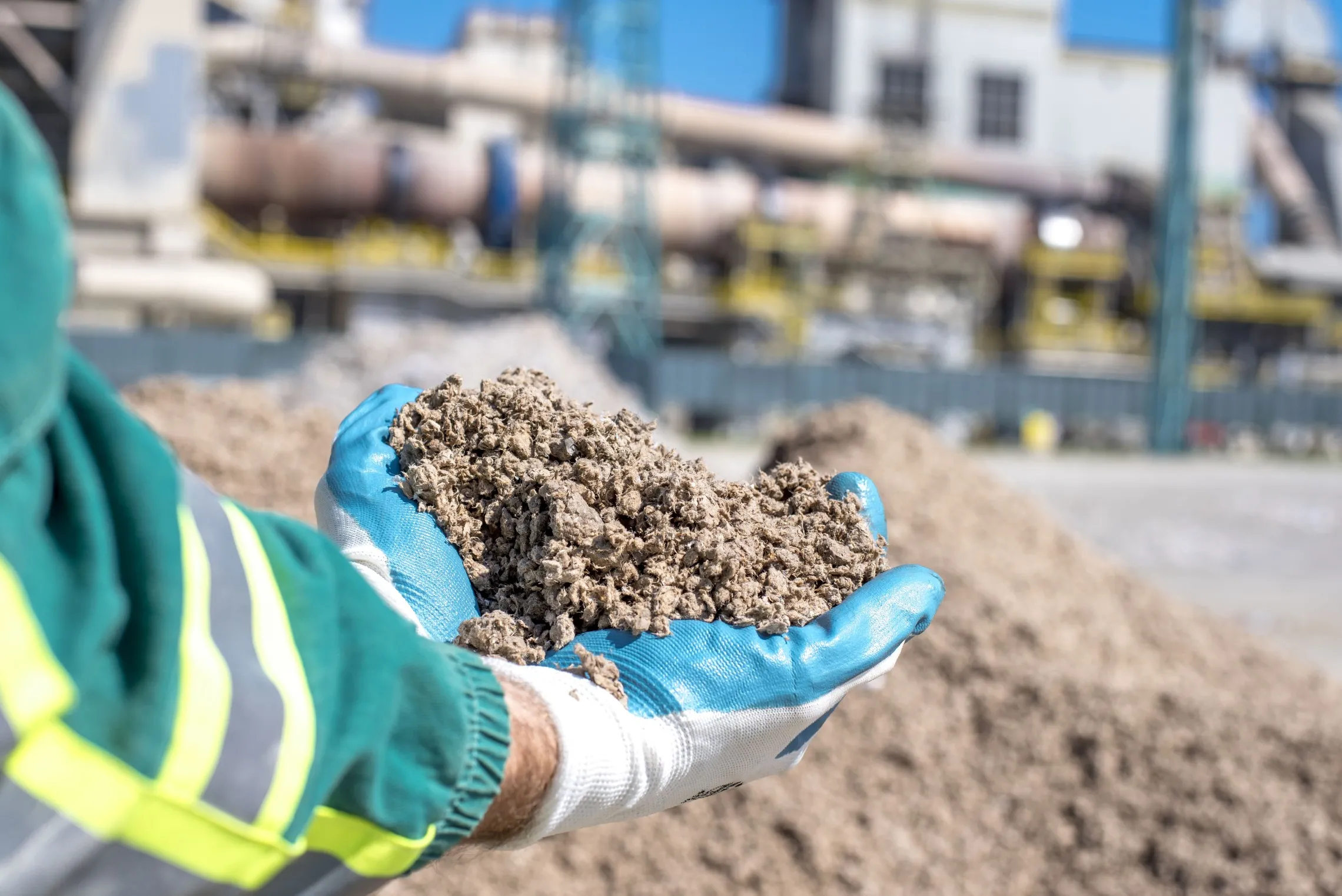
The cement manufacturing industry is actively adopting alternative fuels to reduce reliance on fossil fuels and promote sustainability. Biomass fuels, including agricultural waste, wood chips and energy crops, are commonly used in cement kilns. These renewable fuels offer a carbon-neutral or carbon-negative impact when sourced sustainably. They contribute to waste reduction and provide a renewable energy source for cement production.
Biomass fuels have the advantage of being renewable resources derived from organic matter. By utilising biomass fuels in cement kilns, the industry can reduce its carbon footprint and decrease reliance on non-renewable resources. When sourced sustainably and burned efficiently, biomass fuels have the potential to offset carbon emissions through the absorption of carbon dioxide during biomass growth.
The use of biomass fuels also addresses waste management concerns. Agricultural residues and energy crops that would otherwise go to waste can be repurposed as fuel, diverting them from landfills and contributing to waste reduction efforts. This aligns with the principles of a circular economy, promoting resource efficiency and minimising environmental impact.
Another significant category of alternative fuels in cement manufacturing is waste-derived fuels. These fuels are derived from non-recyclable industrial and municipal waste materials. Co-processing waste-derived fuels in cement kilns provides a responsible waste management solution. It diverts waste from landfills and utilises the energy content effectively, resulting in waste reduction and energy recovery. Substituting traditional fossil fuels with waste-derived fuels allows for energy savings and reduced greenhouse gas emissions.
Shredded tyres are gaining attention as an alternative fuel source in cement kilns. Waste tyre disposal poses environmental challenges, but when shredded tyres are used as fuel, they offer benefits such as waste tyre management and enhanced energy efficiency. Shredded tyres have a high calorific value, making them suitable for energy recovery in cement production. By using tyres as a fuel source, the cement industry addresses waste tyre concerns and reduces reliance on fossil fuels.
“Safety and quality form the basis of AFR usage across the cement plants. Same is the case in our plant, too. First and foremost, we use only the alternative fuels that are authorised by CPCB/SPCB, the basis for the authorisation is the coprocessing trials taken across different cement kilns in India. The purpose of the trials was to ensure that the waste co-processed safely in terms of safety, quality, environmental norms etc. Even for this waste we do have our process trials and we have got a full-fledged AFR lab at our plant, which confirms the detailed analysis of waste used. The analysis is done prior to taking the waste first time and also regular monitoring of the quality of the AFR is done on every consignment basis. Dedicated laboratory and skilled manpower are engaged for testing the quality of AFR fed, and received and the one that is stored,” says Umashankar Choudhary, Plant Unit Head, Muddapur, JK Cement.
“The safety at AFR is the most important factor to be considered while handling AFR. There is a big risk of fire with the small amount of AFR that we handle. Hence, we have got a full-fledged automatic fire detection and suppression system for the AFR storage area, AFR feeding areas and the AFR shredding systems. There is round the clock monitoring of the storage yard through CCTV cameras. Special kinds of PPEs such as canister masks, goggles, nitrile hand gloves and full body suits are given to the workers engaged in AFR handling,” he adds.
While adopting alternative fuels offers sustainability benefits, proper sourcing, handling, and combustion practices are essential to minimise adverse impacts. Adhering to environmental standards and implementing emission control measures ensures air quality and local environmental protection. By effectively leveraging alternative fuels, the cement industry can reduce its environmental footprint, contribute to waste management and enhance overall sustainability.
ALTERNATIVE RAW MATERIALS
In the pursuit of sustainable cement manufacturing, the industry is actively exploring the use of various alternative raw materials to reduce reliance on traditional resources and minimise environmental impact. These alternative raw materials offer unique properties and benefits, making them valuable additions to the cement production process.
Fly ash, a byproduct of coal-fired power plants, is rich in silica, alumina, and other reactive materials.

Shredded tyres have a high calorific value, making them suitable for energy recovery in cement production
It is commonly used as a supplementary cementitious material in the production of blended cement. The utilisation of fly ash has several positive impacts. Firstly, it reduces waste by diverting fly ash from landfills and utilising it effectively. This contributes to improved waste management practices and reduces the environmental burden associated with waste disposal. Secondly, fly ash reduces the demand for traditional raw materials such as limestone and clay, thereby conserving natural resources. Additionally, the use of fly ash in cement production requires lower temperatures, resulting in reduced energy consumption and greenhouse gas emissions. This not only contributes to the sustainability of the
cement industry but also helps mitigate climate change impacts.
Blast furnace slag is a byproduct of the iron and steel industry, obtained during the production of pig iron. It is a glassy granular material that can be ground and used as a supplementary cementitious material. The utilisation of blast furnace slag offers significant advantages. Firstly, it contributes to waste reduction by repurposing a byproduct that would otherwise be disposed of in landfills. This promotes a circular economy approach and minimises the environmental impact associated with waste accumulation. Secondly, the incorporation of blast furnace slag in cement production reduces the need for traditional raw materials, such as limestone and clay, leading to resource conservation. Moreover, blast furnace slag enhances the performance of cement by improving durability, workability, and resistance to chemical attacks. This results in stronger and longer-lasting concrete structures.
Silica fume is a highly reactive byproduct of silicon and ferrosilicon alloy production. When added to cement, it improves strength, durability, and resistance to chemical attacks. The utilisation of silica fumes brings several benefits to cement manufacturing. Firstly, it contributes to waste reduction by repurposing a byproduct that would otherwise be discarded. This aligns with sustainable waste management practices and reduces the environmental impact of waste accumulation. Secondly, silica fume enhances the mechanical properties of cement, including compressive strength and durability, resulting in high-performance concrete. Moreover, by incorporating silica fume into cement production, the demand for traditional raw materials is reduced, promoting resource conservation.
Rice husk ash is an agricultural byproduct obtained from the burning of rice husks. It contains high levels of silica and can be used as a supplementary cementitious material. The utilisation of rice husk ash offers several environmental benefits. Firstly, it provides an eco-friendly solution for the disposal of agricultural waste, reducing the volume of waste sent to landfills and mitigating associated environmental issues. Secondly, the incorporation of rice husk ash in cement production reduces the need for
primary raw materials, such as limestone and clay, conserving natural resources. Additionally, rice husk ash improves the strength, durability, and resistance to chemical attacks of cement, leading to longer-lasting concrete structures.
By incorporating these alternative raw materials into cement manufacturing, the industry not only reduces its environmental impact but also promotes waste reduction, resource conservation, and the production of high-performance sustainable concrete. The use of these materials aligns with the principles of a circular economy and contributes to the overall sustainability of the cement industry.
PATH TO DECARBONISATION
Achieving decarbonisation goals in the cement industry requires a comprehensive and multi-faceted approach that combines energy efficiency improvements, alternative fuels and raw materials, carbon capture technologies, renewable energy integration, process optimisation, collaboration, and supportive policies. By implementing these strategies collectively, the cement industry can significantly reduce its carbon emissions and contribute to global efforts to combat climate change.

Cement market is expected to reach 4,832.6 MT by 2028, exhibiting a growth rate (CAGR) of 4.94 per cent.
Energy efficiency improvements: Enhancing energy efficiency in cement production is crucial for reducing carbon emissions. The industry can invest in energy-efficient technologies, such as advanced kiln designs, waste heat recovery systems, and efficient grinding processes. Optimising operational practices and implementing energy management systems can also contribute to significant energy savings.
Carbon capture, utilisation, and storage (CCUS): Implementing carbon capture technologies in cement plants allows for the capture and storage of carbon dioxide emissions. CCUS involves capturing CO2 during cement production and either utilising it in other industries or storing it underground. This technology has the potential to significantly reduce the carbon footprint of cement manufacturing.
Guilherme Mendonca, Head Energy Business, Siemens Limited, says, “Waste Heat Recovery System is a key area for cement producers to improve plant efficiency and reduce their carbon footprint by utilising the waste heat from the cement manufacturing process. Siemens Energy’ waste heat recovery system is highly efficient with Heat ReCycle Power Plants offsetting the emissions when compared to other technology that is typically used to generate equivalent power, like diesel generators and reciprocating engines or small coal fired power plants. This results in overall reduced emissions and reduction in dependability on fossil fuels.”
Renewable energy integration: Increasing the use of renewable energy sources in cement production can greatly contribute to decarbonisation. Investing in on-site renewable energy systems such as solar, wind, or biomass power can help reduce the reliance on fossil fuel-based grid electricity and lower emissions
KC Jhanwar, Managing Director, UltraTech Cement Limited, says, “As a founding member of the GCCA, we are committed to the sectoral aspiration of delivering Net Zero concrete by 2050. Towards this end, we are continuously striving to innovate at every stage of the whole life of concrete. Coolbrook’s RDH technology represents an exciting technological pathway that we believe has the potential to exponentially accelerate our progress towards full decarbonisation. Every megawatt of clean energy we add to our mix makes a big difference.”
Alternative fuels and raw materials:
Shifting towards alternative fuels and raw materials is vital for decarbonisation. By substituting fossil fuels with renewable and low-carbon alternatives like biomass, waste-derived fuels, and shredded tyres, the industry can reduce its reliance on fossil fuels and decrease carbon emissions. Similarly, incorporating alternative raw materials like fly ash, blast furnace slag and silica fume can lower the carbon intensity of cement production.
Circular economy principles: Embracing circular economy principles can reduce waste generation and promote resource efficiency. Recycling and reusing concrete waste, implementing alternative cementitious materials, and promoting sustainable sourcing of raw materials contribute to decarbonisation and sustainability goals.
Collaboration and knowledge sharing: Collaborating with industry partners, research institutions, and policymakers can accelerate decarbonisation efforts. Sharing best
practices, research findings, and technological advancements can foster innovation and drive the development of sustainable solutions for the entire cement industry.
CONCLUSION
The use of alternative fuels and raw materials in the cement industry plays a significant role in promoting sustainability and reducing environmental impact. By embracing renewable and low-carbon alternatives to traditional fossil fuels and incorporating alternative raw materials, such as fly ash, blast furnace slag, silica fume, and rice husk ash, the industry can achieve multiple benefits. These alternatives not only contribute to waste reduction and resource conservation but also help in lowering carbon emissions and improving the performance of cement. The adoption of alternative fuels and raw materials demonstrates the industry’s commitment to sustainable practices and its contribution to a greener future. By prioritising the use of these alternatives, the cement industry can play a crucial role in mitigating climate change and meeting the global demand for cement in an environmentally responsible manner.










JSW Cement Commissions 1 MTPA Unit in Rajasthan

Wonder Cement appoints Mahesh Singh as VP Corporate Brand Communication

JSW Cement commissions additional 1 MTPA grinding unit in Rajasthan

JSW Cement Boards Approve Proposed Shiva Cement Merger

JSW Cement commissions additional 1 MTPA grinding unit at Nagaur
JSW Cement Commissions 1 MTPA Unit in Rajasthan
Wonder Cement appoints Mahesh Singh as VP Corporate Brand Communication
JSW Cement commissions additional 1 MTPA grinding unit in Rajasthan
JSW Cement Boards Approve Proposed Shiva Cement Merger







