Connect with us

Concrete

Waste Heat Recovery System is a key area for cement producers

Published

on

Shares

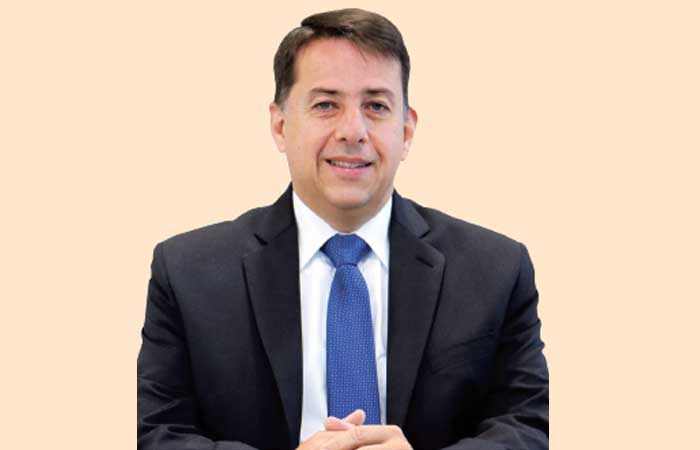
Guilherme Mendonca, Head Energy Business, Siemens, elaborates about co-creating innovative technology solutions for the cement industry.

What are the key features of your Waste Heat Recovery System that make it an eco-friendly solution for cement manufacturing?
Steam turbines are the heart of every power plant. In waste heat recovery (WHR), steam turbines act as an essential piece of the whole system. Our modular design concept ensures high flexibility, availability, and efficiency, playing a significant role in many industrial plants for waste heat recovery and cogeneration application. In India different technologies exist to convert thermal heat into power like Steam Rankine Cycle (SRC), Organic Rankine Cycle (ORC) and Supercritical Carbon Dioxide Cycle (sCO2). However, only SRC and ORC are fully commercialised with SRC being a more popular technology with decades of proven results. Through efficient use of our steam turbines our customers can extract high power output with the available waste heat, enabling them to reduce their carbon footprint. Siemens Energy WHR solutions are capable of meeting all these requirements which are specific to the Indian
cement industry.

How does your system help reduce carbon emissions during the cement production process?
Waste Heat Recovery System (WHRS) is a key area for cement producers to improve plant efficiency and reduce their carbon footprint by utilising the waste heat from the cement manufacturing process. Siemens Energy’ waste heat recovery system is highly efficient with Heat ReCycle Power Plants offsetting the emissions when compared to other technology that is typically used to generate equivalent power, like diesel generators and reciprocating engines or small coal fired power plants. This results in overall reduced emissions and reduction in dependability on fossil fuels.

What are the estimated energy savings that can be achieved by installing your system in a cement plant?
These plants are highly customised solutions and savings can vary depending upon various factors such as source of upstream power generation, plant configuration and degree of waste heat available. Given ideal conditions, waste heat recovery power plants can offset approximately 30 per cent of total electricity requirement of a typical cement plant in India. In 2012, the Rohrdorf cement works in Germany commissioned the first waste heat and gas power plant in Europe. The plant produced over 30 per cent of the site’s power while saving 12,000 tpa of fossil fuels and reducing CO2 emissions by 30,000tpa. We have come a long way since then in terms of technology adoption and benefits. In practical applications, plants that have implemented waste heat recovery systems have been proven to reduce carbon intensity by as much as 25kg/t of clinker produced.

How long does it take for the system to pay for itself through energy savings?
The pay-off is faster than conventional grid-connected power plants by up to 40 per cent in an ideal situation. This return-on-investment calculation considers 30 per cent electricity offset and variations in energy prices as well as carbon credits and cost of decarbonisation.

What is the expected lifespan of the system, and what maintenance is required to keep it functioning optimally?
Generally, the operating lifespan of steam-based WHRS is 20 years. Typically, it works for 8,000 operating hours per year. The availability and adoption of digital solutions such as remote diagnostic services that allow proactive, predictive maintenance and minimises forced outages.

Can your system be customised to meet the specific needs of different cement plants?
Yes. This is a fully customised solution taking into account all the cement plant constraints and available waste heat sources and quality of waste heat.

What are the major challenges of a WHRS when installed in a cement plant?
Some key challenges of installing WHRS are design limitations due to available technologies and constraints such as source of heat, space available and integration. With these being mostly brownfield projects, the integration with minimum downtime and minimum process disruption also add to the challenges. However, this can be planned and mitigated with efficient project management from Siemens Energy.

How do you envision your collaboration with the cement industry in the decade to come?
We envision a strong collaboration with the cement industry in the decade to come, which is primarily driven by a shared commitment to sustainability and reducing carbon emissions with WHRS at the centre. We see WHRS as a key technology that can help cement manufacturers achieve their sustainability goals while also providing energy savings and cost reductions. Looking to the future, our collaboration with the cement industry will continue to be focused on co-creating innovative technology solutions that are tailored to the specific needs of individual cement plants in India.

Kanika Mathur

Concrete

Nuvoco Vista Approves Bulk Cement Terminal In Gujarat

Board approves Viramgam terminal with rail siding

Published

on

By

Shares


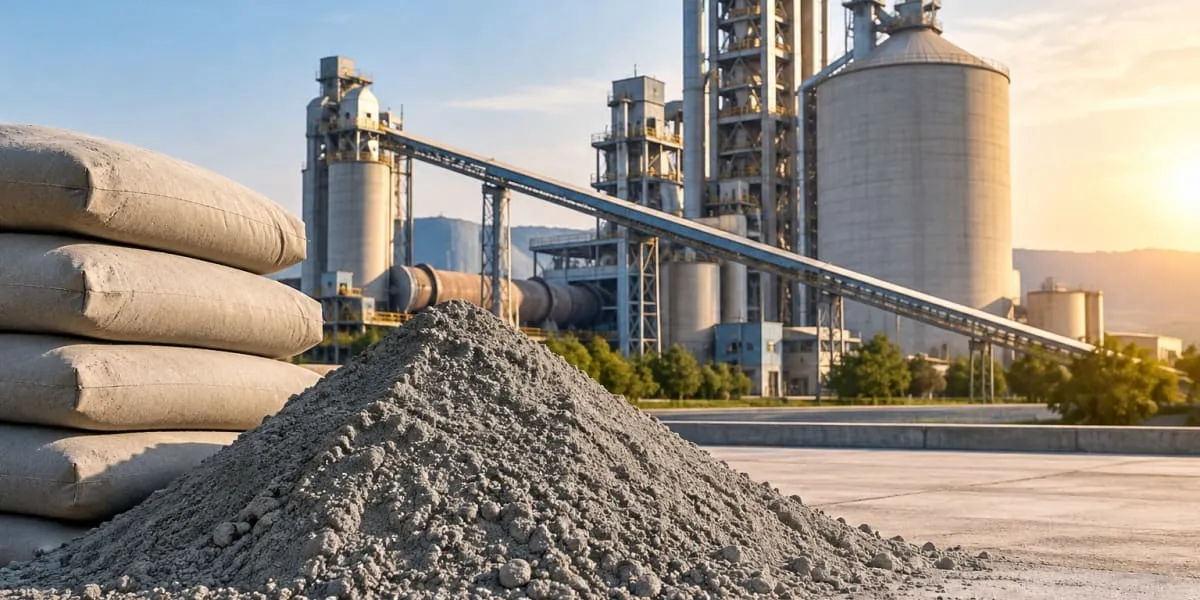
Nuvoco Vista Corporation Ltd said its board has approved the setting up of a bulk cement terminal at Viramgam, Sachana in Gujarat. The proposed terminal will have a handling capacity of around one point five million tonnes per annum (mn tpa) and will include a dedicated railway siding. The facility is intended to improve unloading, storage and dispatch of both loose and packed cement.

The company said the rail connectivity and streamlined logistics are expected to position the terminal as a key distribution hub for the Gujarat market. The installation is aimed at reducing transit times and improving inventory turns while supporting distribution to trade and retail channels. The investment is presented as part of the company’s broader network optimisation.

The company indicated the project is expected to be commissioned by the financial year 2027-28. Nuvoco reported its highest-ever consolidated sales volume of 20.4 mn t in the year, representing a five per cent year-on-year rise. The firm said revenue and profitability also reached record levels, supported by improved realisations and operational efficiencies.

The premium product mix continued to strengthen and contributed 43 per cent to overall sales while the trade segment accounted for 74 per cent. Earnings before interest, tax, depreciation and amortisation saw a 35 per cent year-on-year increase for the full year. For the fourth quarter consolidated volume stood at six mn t, with EBITDA up six per cent year-on-year, making it the company’s most profitable quarter.

Nuvoco Vista Corporation Ltd is described as one of India’s leading cement and concrete manufacturers with a consolidated capacity of 25 mn tpa. The company offers cement, ready-mix concrete and other building materials and intends to use the Viramgam terminal to strengthen its regional presence.

Continue Reading

Concrete

Cement Margins to Erode as Energy Costs Rise: CRISIL

CRISIL warns of 150–200 bps margin decline this fiscal

Published

on

By

Shares


Crisil Intelligence (CRISIL) released a report on April 13, 2026, indicating Indian cement manufacturers face margin erosion of 150–200 basis points this fiscal, reducing operating margins to between 16 per cent and 18 per cent. The firm noted that this represents a reversal from the prior year when margins expanded by 260–280 basis points. The analysis attributed the shift to rising input costs despite steady demand.

The report said that power and fuel, which typically account for about 26–28 per cent of production cost, are expected to increase by 10–12 per cent year on year, driven by higher prices for crude oil, petroleum coke and thermal coal. Brent crude was assessed as likely to trade between $82 and $87 per barrel, and industrial diesel prices rose by 25 per cent in March, raising logistics and procurement expenses. Such increases have therefore heightened cost pressures across the value chain.

Producers plan to raise selling prices by one–three per cent, which would put the average retail price of a cement bag at around Rs355–Rs360, according to the report. CRISIL’s director Sehul Bhatt was cited as saying that these hikes will at best offset a four–six per cent rise in production costs, leaving little room for higher profitability. The report added that intense competition and continual capacity additions constrain the extent to which firms can pass on costs.

Demand conditions remain supportive, with CRISIL projecting volume growth of six point five–seven point five per cent this fiscal on the back of accelerated infrastructure projects and steady industrial and commercial consumption. Nonetheless, the pace of recovery is sensitive to developments in West Asia, the speed of government infrastructure execution and monsoon performance. The agency noted that any further escalation in energy prices or delays in project execution would widen margin pressures.

Overall, the sector will continue to grow but with compressed margins as energy cost inflation outpaces the limited ability to raise prices. Investors and policymakers will therefore monitor both input cost trajectories and policy measures aimed at alleviating supply chain constraints.

Continue Reading

Concrete

Haver & Boecker Niagara to showcase solutions at Hillhead

Focus on screening tech, diagnostics and quarrying efficiency

Published

on

By

Shares


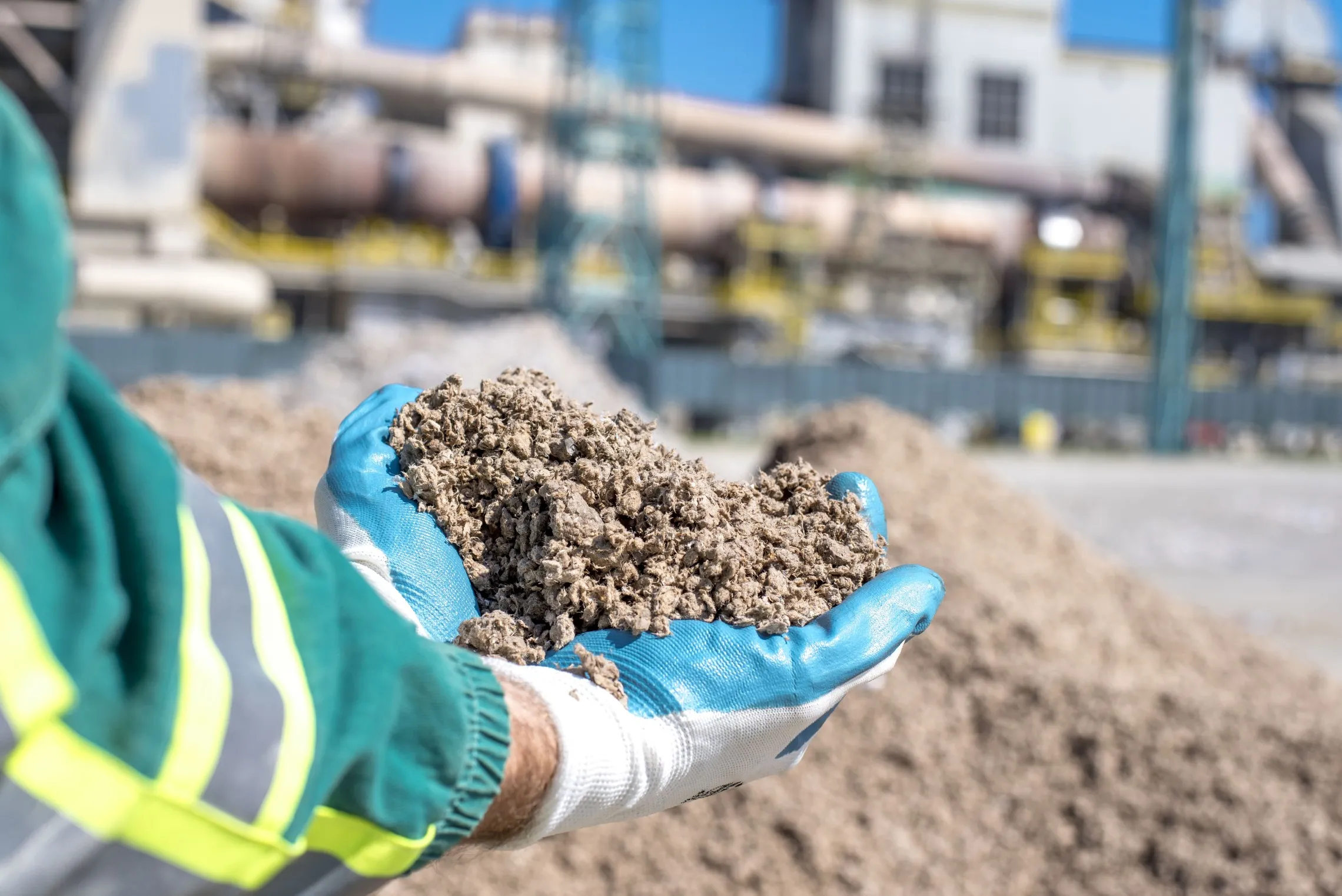
Haver & Boecker Niagara will showcase its mineral processing technologies at Hillhead 2026, scheduled from June 23–25 in Buxton, UK.
At Stand PA3, the company will present its end-to-end solutions including screeners, screen media and advanced diagnostics, with a focus on improving efficiency, uptime and throughput for aggregates producers.
Highlighting its screen media portfolio, the company will feature Ty-Wire media with hybrid design offering up to 80 per cent more open area, alongside FLEX-MAT® solutions designed to enhance wear life and throughput while reducing blinding and clogging.
The showcase will also include its PULSE Diagnostics suite, comprising vibration analysis, condition monitoring and impact testing, aimed at assessing equipment health and preventing unplanned downtime.
Commenting on the event, Martin Loughran, Sales Manager, UK & Ireland, said, “Hillhead presents an excellent opportunity for us to demonstrate how we deliver innovative technologies along with long-term service and technical support.”
The company will also highlight its Niagara F-Class vibrating screen, designed to reduce structural vibration and improve operational reliability under demanding conditions.
The participation reflects Haver & Boecker Niagara’s focus on supporting quarrying operations with advanced screening solutions and predictive maintenance technologies.

Continue Reading

Video Thumbnail

    SIGN-UP FOR OUR GENERAL NEWSLETTER


    Trending News

    SUBSCRIBE TO THE NEWSLETTER


    Don't miss out on valuable insights and opportunities to connect with like minded professionals.


      This will close in 0 seconds