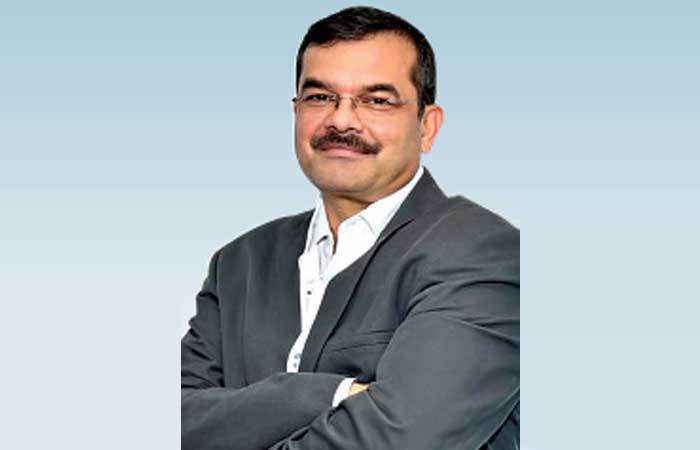
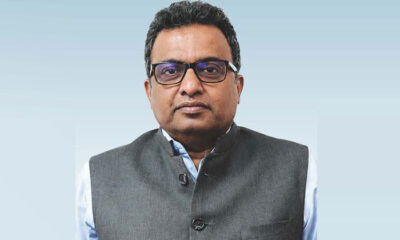
Saurabh Palsania, Joint President, Shree Cement, discusses pragmatic pathways to decarbonisation using AFR, and the pressing challenge of India’s fragmented waste ecosystem.
For Shree Cement, alternative fuels and raw materials (AFR) is a strategic lever that sits at the intersection of operational efficiency, regulatory compliance, and long-term cost resilience. In this conversation, Saurabh Palsania, Joint President, Shree Cement, speaks candidly about supply chain challenges of scaling AFR across plants, the role of government policies, and what it will realistically take for the Indian cement industry to push Thermal Substitution Rates (TSR) toward the 30 per cent mark over the next decade.
How does AFR fit into your company’s long-term decarbonisation and cost optimisation strategy?
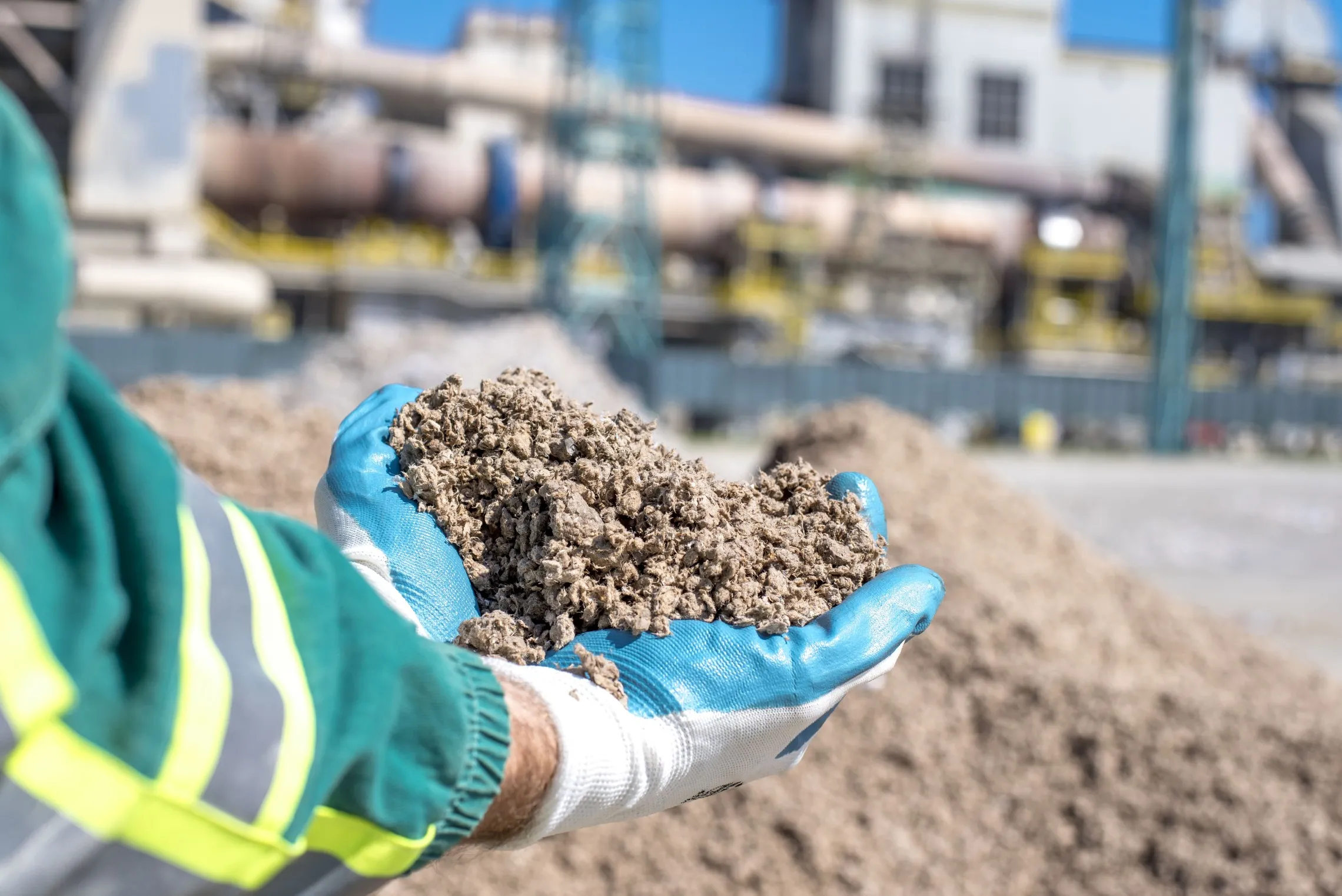
Alternative fuels and raw materials (AFR) are non-fossil substitutes that replace conventional fuels such as coal and pet coke in cement production. By utilising waste from industries, municipal bodies, and agricultural sources, AFR helps reduce dependence on fossil fuels and supports circular resource use. This approach contributes directly to lowering carbon emissions while also improving long-term cost efficiency by reducing reliance on conventional energy sources. As a result, AFR forms a key pillar of both decarbonisation and sustainable cost optimisation strategies.
What operational or technological challenges have you faced in scaling AFR usage across plants, and how have you addressed them?
One of the biggest challenges in India’s waste management ecosystem is the lack of segregation at source, which affects the quality and consistency of waste streams. Even after procurement, significant pre-processing is often required before the material can be effectively used. Operationally, fluctuations in calorific value and the absence of precise measurement systems for waste quality and quantity can create instability in kiln feeding and impact production efficiency. In addition, high ash and chloride content in certain waste streams limits usability.
These challenges are being addressed through stronger pre-processing practices, better quality control, and optimisation of AFR blends with conventional fuels to maintain consistent kiln performance and product quality.
How do you balance clinker quality, kiln stability, and emission norms while increasing AFR substitution rates?
Clinker quality remains stable when AFR usage is supported by robust monitoring and process control systems. Regular sampling of ash and chloride levels helps optimise AFR consumption while maintaining raw mix balance and kiln stability. Modern cement plants are equipped with Electrostatic Precipitators (ESPs), which enable efficient recirculation of unburnt particles into the production process. With kiln temperatures exceeding 1300°C, most harmful compounds are effectively neutralised, ensuring compliance with emission norms, including the control of dioxins and furans. This allows higher AFR substitution without compromising product quality or environmental compliance.
What role do policy frameworks and regulatory support in India play in accelerating AFR adoption, and where are the gaps?
Government policies, particularly from the Ministry of Environment and Forests, have played an important role in supporting AFR adoption through frameworks such as the ‘polluter pays’ principle and Extended Producer Responsibility (EPR). However, implementation challenges remain, especially around cost structures, enforcement, and consistent access to quality waste streams. The development of centralised digital platforms for tracking EPR credits is a positive step, but stronger policy support for waste segregation at source, both industrial and municipal, is still essential. Improved enforcement and better waste management systems will be critical to accelerating AFR adoption at scale.
How are you building supply chain ecosystems for consistent and quality AFR sourcing in a fragmented waste market?
Ensuring reliable AFR sourcing requires strong partnerships with waste generators, including municipal corporations and industries. Participation in waste auctions, along with direct collaborations, helps secure a steady supply of usable material. At the same time, tie-ups with pre-processors are essential to improve waste quality and prepare materials for efficient co-processing. This combination of direct sourcing and pre-processing partnerships helps build a more reliable, scalable and quality-driven AFR supply chain.
Can digitalisation and process optimisation unlock higher TSR, and what innovations are you investing in?
Digitalisation and process optimisation are critical to improving TSR. Advanced control systems in Central Control Rooms (CCR) help monitor equipment performance, operational parameters, and AFR feed rates in real time, enabling better operational control. Investments are also being made in intelligent systems that improve AFR feeding precision and optimise clinker production. These innovations support faster decision-making, better operator control, and improved process efficiency, all of which are essential for scaling TSR sustainably.
What is your realistic TSR target for the next 5–10 years, and what will it take for the industry to get there?
Currently, TSR levels across the industry range from five to 30 per cent. Over the next five years, this is expected to increase to 15 to 40 per cent, with an average target of around 30 per cent over the next decade. Achieving this will require sustained investments in training, process adaptation, and stronger collaboration between waste generators and co-processors. Improvements in waste segregation, pre-processing technologies, and fuel quality enhancement will also play a major role in enabling higher and more consistent TSR adoption across the industry.
















 Concrete1 month ago
 Concrete4 weeks ago
 Concrete1 month ago
 Concrete3 weeks ago