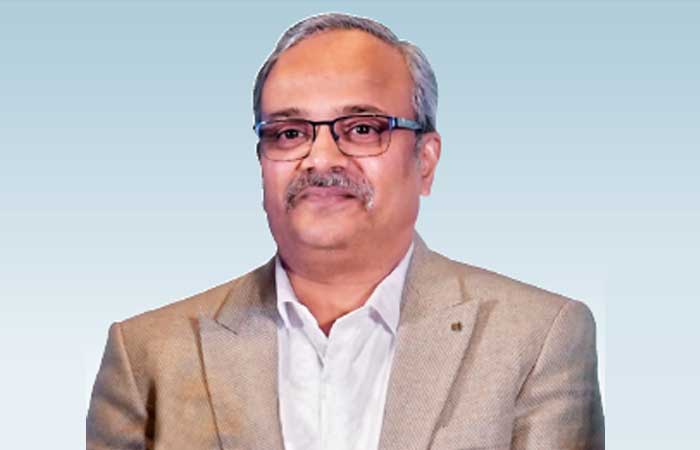
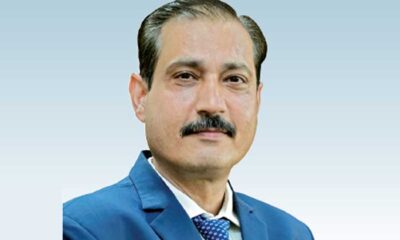
Raju Ramchandran, SVP & Head Manufacturing – Eastern Region, Safety and Sustainability, Nuvoco Vistas, outlines how the company is systematically embedding alternative fuels and raw materials into its manufacturing process.
For Nuvoco Vistas, the shift toward alternative fuels and raw materials (AFR) is woven into the fabric of how the company operates, innovates, and plans for the long term. Nuvoco is approaching AFR as both an environmental imperative and a business advantage. In this interview, Raju Ramchandran, SVP & Head Manufacturing – Eastern Region, Safety and Sustainability, Nuvoco Vistas, discusses the operational complexities of scaling AFR, the evolving role of policy in enabling adoption, and how digitalisation is shifting kiln management from reactive to predictive.
How does AFR fit into your company’s long-term decarbonisation and cost optimisation strategy?
AFR has been a key focus area as we work towards reducing emissions while improving cost efficiency. At Nuvoco, sustainability is embedded in the company’s vision, with a strong focus on advancing circular economy principles across our operations. Over the years, we have steadily adopted practices around reuse, recycling and resource optimisation across our value chain — from raw materials and energy to water, waste and packaging. This has helped us reduce dependence on virgin resources while improving overall operational efficiency.
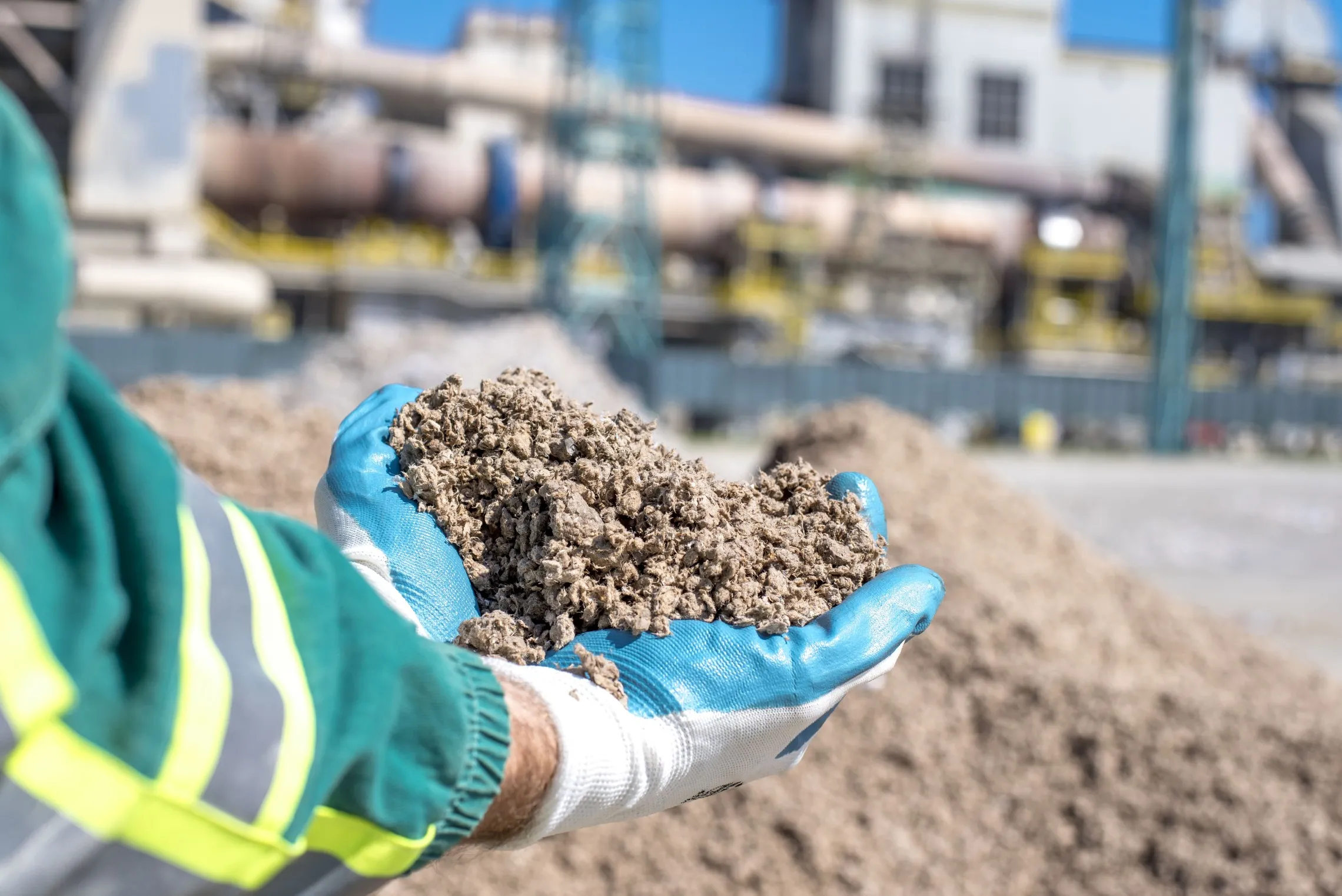
From a fuel perspective, we are optimising our power and fuel mix by replacing conventional fossil fuels with alternative fuels. Our kilns are designed to safely utilise a wide range of waste streams, including biomass, RDF from municipal solid waste, industrial solid waste and liquid solvents. We are also placing a strong emphasis on biomass and other lower-carbon fuels to further reduce our carbon footprint. Beyond sustainability, AFR also supports cost optimisation by reducing reliance on imported fossil fuels and improving fuel flexibility in our operations.
Our focus is on scaling up AFR usage in a structured and sustainable manner, supported by stronger sourcing ecosystems and process optimisation. This will not only help us lower emissions but also build more resilient and cost-efficient operations over the long term. With rising raw material cost the company is focusing on using alternate raw materials while keeping the quality of product intact. Here the R&D wing of the company CDIC is playing a crucial role in testing various alternative raw materials (ARM) in its state-of-the-art laboratory at Mumbai and bring out tailor made recipes to optimise usage of ARM.
What operational or technological challenges have you faced in scaling AFR usage across plants?
A key challenge in scaling AFR is the inherent variability of waste-based fuels. Unlike conventional fuels, AFR streams can vary in quality, composition and calorific value, which makes maintaining consistent kiln performance more complex. We have addressed this through targeted investments in pre-processing infrastructure, kiln system upgrades and stronger process controls, which help bring greater consistency to fuel quality and operations. Equally important has been building strong in-house capabilities ensuring that AFR is embedded into day-to-day operations. This has helped us move from a trial-based approach to making AFR a reliable and integral part of our manufacturing process.
How do you balance clinker quality, kiln stability, and emission norms while increasing AFR substitution rates?
At Nuvoco, higher AFR usage is never pursued at the cost of product quality or environmental compliance. Every alternative fuel goes through a rigorous pre-qualification and testing process before it is introduced into the system. Once in operation, we rely on real-time monitoring of critical parameters including kiln performance, emissions and clinker quality to ensure stable and consistent operations.
A lot of focus also goes into process optimisation and control systems, which allow our teams to manage variations in fuel characteristics without impacting kiln stability. This is supported by well-defined governance frameworks and trained plant teams, ensuring that AFR integration is handled in a structured and controlled manner. In our experience, when managed effectively, higher AFR substitution does not create trade-offs. Instead, it enables us to run more sustainable operations while maintaining product quality and full compliance with emission norms.
What roles do policy frameworks and regulatory support in India play in accelerating AFR adoption?
Policy frameworks have played a critical role in advancing AFR adoption in India. As highlighted in NITI Aayog’s cement sector decarbonisation roadmap, the use of alternative fuels such as RDF is a key lever for reducing emissions and improving energy efficiency in the industry. This is further reinforced by the GCCA India-TERI (2025), Decarbonisation Roadmap for the Indian Cement Sector: Net Zero CO2 by 2070, which also emphasises scaling AFR as a key pathway for decarbonisation in the cement sector. Regulatory support through CPCB’s co-processing guidelines and the Hazardous Waste Rules has enabled cement plants to safely utilise waste as an alternative fuel, creating a structured pathway for adoption.
More recently, policy direction has become even stronger. The government’s notification in January 2026 outlines a clear roadmap to increase fuel substitution rates from current levels to around 15 per cent over the next few years, along with measures to improve waste processing infrastructure. This provides both clarity and momentum for the industry to scale up AFR usage. At the same time, the opportunity lies in execution. Improving waste segregation at source, ensuring consistent availability of quality RDF, and strengthening coordination across municipalities, waste processors and industry will be critical to fully realise this potential.
How are you building supply chain ecosystems for consistent and quality AFR sourcing in a fragmented waste market?
Building a reliable AFR supply chain requires strong partnerships and a lot of on-ground coordination. Given how fragmented the waste ecosystem is, we work closely with municipalities, authorised waste processors and logistics partners to create stable, long-term sourcing networks. A big focus for us has been on bringing consistency into the system whether it is standardising fuel specifications or investing in pre-processing infrastructure to ensure the material we receive is usable and efficient for our kilns. We are moving towards more structured, long-term partnerships, which help ensure both quality and continuity of supply. Over time, this ecosystem approach gives us greater reliability at the plant level and helps scale AFR usage in a sustainable way.
Can digitalisation and process optimisation unlock higher thermal substitution rates (TSR)?
Digitalisation is becoming a big lever in improving TSR. Earlier, a lot of decisions around fuel mix and kiln optimisation were based on experience and manual adjustments. At Nuvoco, we are leveraging advanced analytics and AI to bring greater precision and consistency to kiln operations. We are working on an AI-enabled dashboard that gives us real-time visibility into kiln operations and waste heat recovery, helping teams take quicker and better decisions on the ground.
Alongside this, we are developing an AI model that recommends the most efficient fuel mix, factoring in variables like moisture, cost, and operating conditions. The real shift is from being reactive to becoming predictive anticipating what works best rather than adjusting after the fact. This not only helps improve TSR but also drives efficiency and cost optimisation.















 Concrete4 weeks ago
 Concrete1 month ago
 Concrete4 weeks ago
 Concrete4 weeks ago