

Concrete
Making Raw Materials Worthier

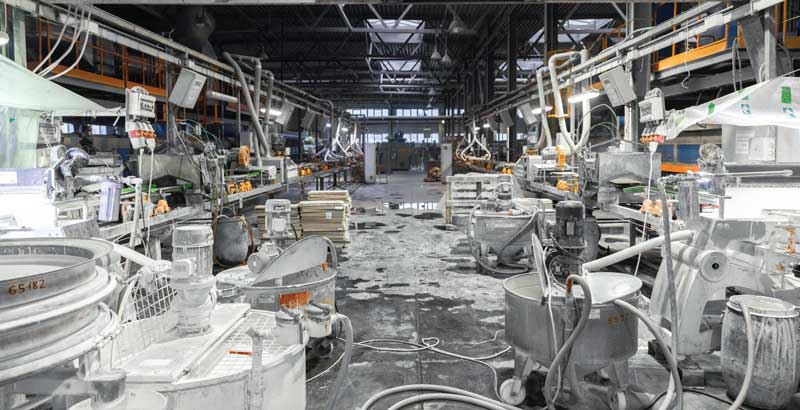
Detlef Blümke, Managing Director, Loesche India, talks about the evolution and adaptation of grinding mills with the changing face of raw mix and alternative fuels.
Let us start at the beginning, somewhere around 1906, when Loesche India initiated coal fired power plants and mills. Since then, they have been developing new things and have been frontrunners in the vertical mills’ domain. They are inventors of raw mills for raw material grinding, vertical roller mills for raw material grinding and have been ahead of times with other manufacturers following their lead.
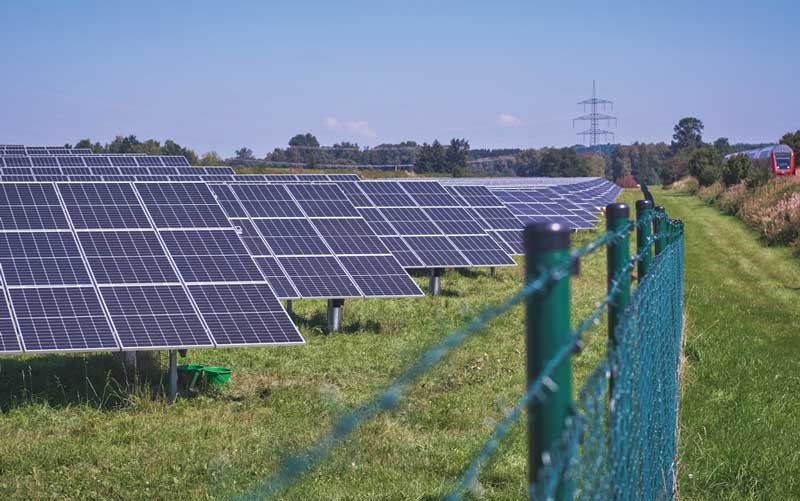
Energy and carbon dioxide are the major concerns in the current times. Loesche India is developing and trying to improve its product to accommodate the rising concerns of the environment. Europe, too, is very strict with its regulations as carbon reduction is a huge necessity there as well. This will ultimately imply the reduction of work. The resource is also critical as Loesche India is shutting down its coal fired power plants and looking forward to using nuclear powered or solar powered plants etc., which safeguard and protect the resources of nature. They are the inventors of hundreds of machines, which makes them responsible for cleaning up the world that we live in.
The company has partnered with multiple companies and have been working on processes like pyroprocessing, focussing on aspects like power reduction, process optimisation and carbon reduction. While it is not trying to compete with full line suppliers, it is looking for niche markets and focusing on
each product.
Finetuning the Operations
One of Loesche India’s subsidiaries in India is into transportation and has special transportation machinery that is not available anywhere. This ensures a smooth process because if that is interrupted, then it needs to be restarted and stopped, which leads to waste of energy. The company is working on a wide field of products and is moving ahead with new developments to increase capacities of its mills and to reduce the footprints of the plants.
It has acquired small portions of land in some areas, because it is not just about the investment, it is also about the protection of land. It is also working on replacing limestone in the clinker, which is clinker reduction, which leads to reduction in the consumption of power and carbon. This is the main focus.
Dr Loesche is 67 years old and his sons will be stepping in to take over the business. They are deeply inclined towards environment protection and building sustainability. The organisation has also started publishing its sustainability reports and are looking into it minutely to understand better paths to include sustainability into their machines and everyone’s lives as well.
Speaking of alternative fuels, at the celebration of 111 years of Loesche, it was announced that the company is using 100 per cent alternative fuels without any coal. At this stage, the machines have been optimised for the use of 60 to 70 per cent alternative fuels to 100 per cent alternative fuels. They have optimised the plant process for the same. Newer cements will keep getting developed by the producers, which will be further approved by the concerned authorities. Clay and slag are substitutes, which are alternative or supplementary materials. Loesche India’s raw mills are equipped to adapt to the changing raw materials for cement and will give optimised results for the same.
Role of Automation
They have onboarded subsidiaries and companies that conduct fluid simulations for their processes to understand if the results can be optimised and identify bottlenecks for a seamless flow. This way resistance can be eliminated, thus reducing the usage of power. They also provide their customers with gear boxes for our machines, so that preventive maintenance can be done for any damage that may be waiting to happen. They give a full package with machines, spare parts, documentation and software packages for self-learning for optimised results. They are far away from advanced artificial intelligence.
The acceptance of full automation in India is still not 100 per cent, but they are moving there. As the players are increasing their capacities and competition is rising, the industry will be inclined to automate their processes.
Loesche India has introduced an ambient system, especially for raw material grinding, which can reduce the footprint of grinding, can reduce CAPEX and operational cost as well. This system will be able to reduce at least 2kWH per tonne for the grinding. If the capacity is 600 or 900 tonnes, the savings are enormous. This is the company’s main focus to reduce energy and save the environment. It is no longer looking at capacities anymore, attractive plants are green now.
Loesche India has been in the Indian market for almost 40 years and is well reputed in India. It is constantly working towards keeping up with its innovations and inventions. Of course, the competition is strong, but that is a challenge that the company has happily accepted and is pushing the boundaries to become better, with machines that are more reliable and energy efficient as it continues to be a part of the cement industry in India.
ABOUT THE AUTHOR:
Detlef Blümke, Managing Director, Loesche India Pvt Ltd., has been heading the India operations for the past four years and been with the company for almost 30 years.








Concrete
UltraTech’s Kukurdih unit runs fully on green energy
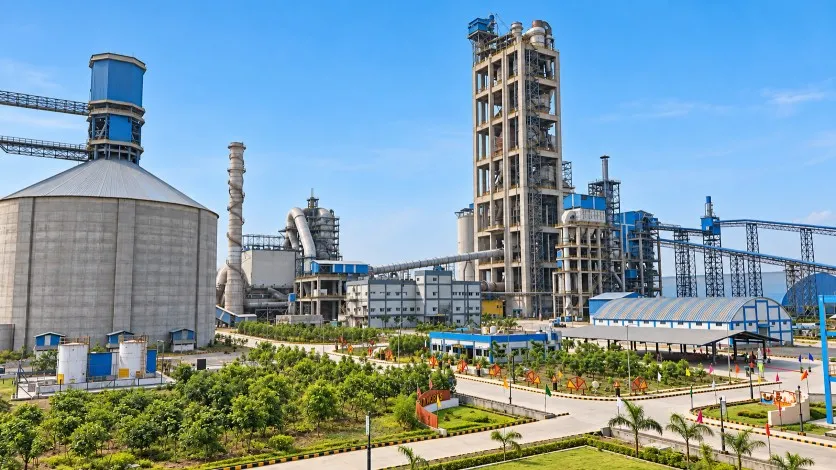
The Chhattisgarh plant has met 100 per cent of its electricity needs through green energy since April 2026.
Concrete
Cement Prices Rise Rs. 7 per Bag in September; October Hikes Expected
Cement prices rose in September as companies weighed further increases.
Concrete
Andhra Pradesh Clears Rs. 30 bn My Home Cement Plant
Project receives incentives of up to Rs. 11.29 bn from state


UltraTech’s Kukurdih unit runs fully on green energy

Cement Prices Rise Rs. 7 per Bag in September; October Hikes Expected

Andhra Pradesh Clears Rs. 30 bn My Home Cement Plant

Nuvoco Vistas, CleanMax Partner for Wind-Solar Hybrid Project in Rajasthan

UltraTech Unit Runs Entirely on Green Energy
UltraTech’s Kukurdih unit runs fully on green energy
Cement Prices Rise Rs. 7 per Bag in September; October Hikes Expected
Andhra Pradesh Clears Rs. 30 bn My Home Cement Plant
Nuvoco Vistas, CleanMax Partner for Wind-Solar Hybrid Project in Rajasthan
UltraTech Unit Runs Entirely on Green Energy
-
 Concrete4 weeks ago
UltraTech to Deploy 600+ Electric Trucks by Dec 2026
-
 Concrete4 weeks ago
UltraTech Cement expands green logistics with 600+ electric truck fleet
-
 Concrete4 weeks ago
Kirby India Breaks Ground on Fourth PEB Plant in Tamil Nadu
-
 Concrete3 weeks ago
Aditya Birla Group Launches Ultravolt Wires And Cables Business