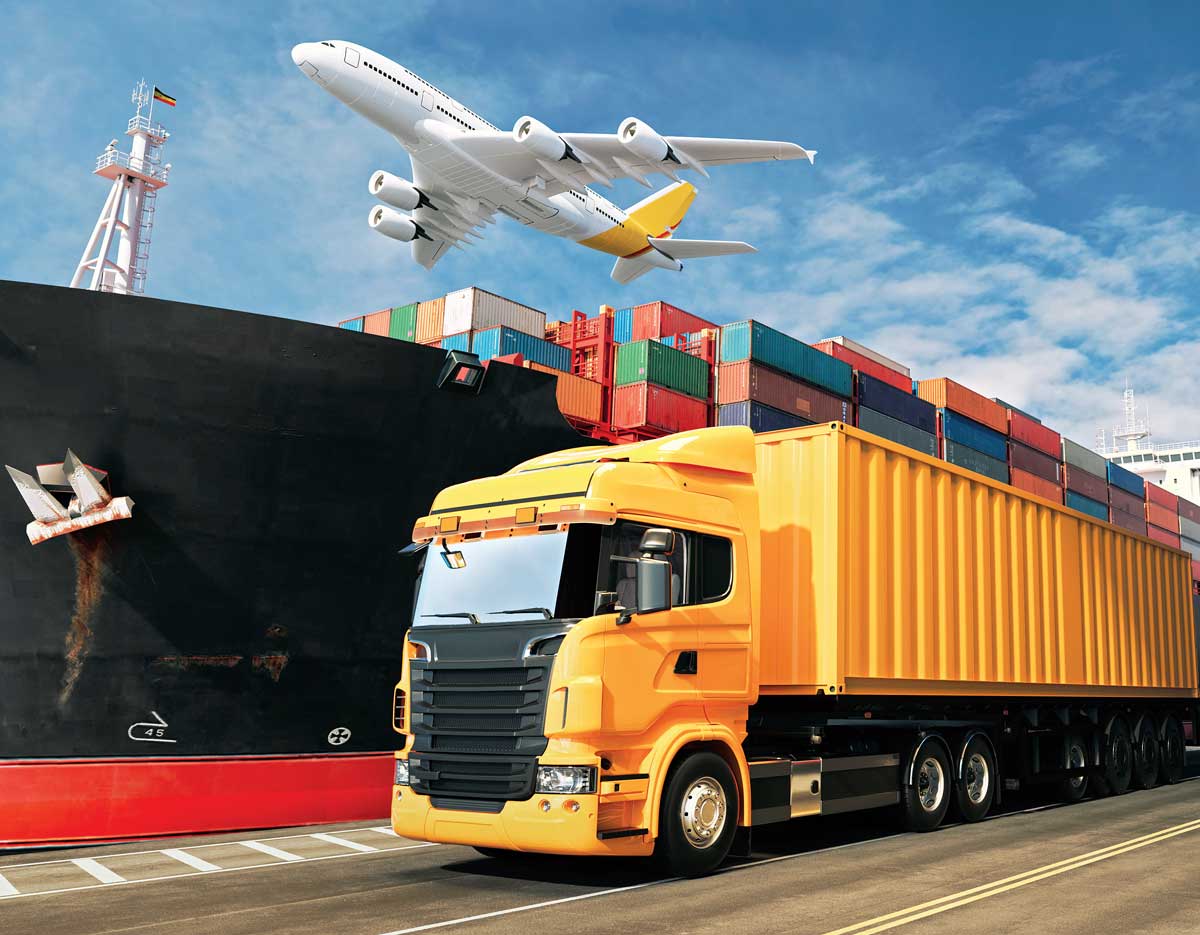
Logistics, from the factory exit point to the last mile connectivity, is a key driver of efficiency and cost optimisation in the cement industry. With digitalisation, multi-modal integration and sustainability, logistics is the differentiator that will give the manufacturer a competitive advantage. Let us explore how logistics has today become a deciding factor that players cannot afford to ignore.
India, the second-largest cement producer globally, has an installed capacity exceeding 600 million tonnes per annum, with demand driven by infrastructure, housing, and urbanisation (IBEF, 2024). However, logistics remains one of the most significant cost components, accounting for nearly 20 to 30 per cent of the total cement cost, primarily due to the bulk nature and low value-to-weight ratio of the product (Cement Manufacturers’ Association, 2023; McKinsey, 2022).
With over 70 per cent of cement transported via road, inefficiencies in logistics directly impact profitability, delivery timelines, and customer satisfaction (NITI Aayog, 2021). As supply chains grow more complex, end-to-end logistics is emerging as a critical lever for cost optimisation, operational efficiency, and competitive advantage.
Logistics: The game changer
Logistics plays a central role in the cement industry, where timely delivery and cost efficiency are key determinants of market competitiveness. Unlike many other industries, cement has a low shelf value relative to its transportation cost, making logistics optimisation critical. According to McKinsey (2022), logistics costs in cement can reach up to 30 per cent of total production costs, significantly higher than global manufacturing averages. This underscores the importance of efficient distribution networks in maintaining margins and ensuring consistent supply.
Moreover, logistics directly influences market reach and dealer satisfaction. Cement companies with optimised logistics networks can ensure faster delivery cycles, improved availability, and better service levels. A report by Deloitte (2023) highlights that companies focusing on logistics optimisation have seen improvements of up to 15 per cent to 20 per cent in delivery efficiency, reinforcing the role of logistics as a strategic differentiator rather than just an operational function.
Mapping the cement supply chain
The cement supply chain is complex and involves multiple stages, including raw material transportation, clinker movement, cement production, warehousing, and final distribution to dealers and project sites. Each stage requires careful coordination to minimise delays and costs. According to World Cement Association (2023), inefficiencies in supply chain coordination can lead to 5 per cent to 8 per cent losses in overall operational efficiency, highlighting the need for integrated logistics planning.
From plant despatch to last-mile delivery, the movement of cement involves various stakeholders such as transporters, distributors, and retailers. In India, the fragmented nature of the logistics ecosystem further complicates coordination. A study by PriceWater Cooper (PwC 2022) indicates that lack of integration across supply chain nodes can increase transit times by 10 per cent to 15 per cent, affecting project timelines and customer satisfaction.
Key challenges in end-to-end logistics
One of the biggest challenges in cement logistics is infrastructure limitation, particularly in rural and semi-urban areas where demand is rapidly growing. Despite improvements, India’s logistics infrastructure still faces bottlenecks such as poor road conditions, congestion, and limited rail connectivity. According to NITI Aayog (2021), logistics inefficiencies contribute to India’s overall logistics costs being around 13 per cent to 14 per cent of GDP, significantly higher than the global benchmark of 8 per cent to 9 per cent. For the cement industry, this translates into higher transportation costs and reduced competitiveness.
Professor Procyon Mukherjee says, “For decades, cement companies designed their networks around limestone availability. Plants were built near quarries, and finished cement was transported long distances to markets. This model, while logical from a production standpoint, created massive outbound logistics costs. Indian cement companies have begun to challenge this logic. The shift: decoupling clinker production from cement grinding.”
He adds, “Clinker plants remain near limestone reserves, but grinding units are increasingly located close to consumption centres. In many markets, logistics accounts for up to 30 per cent of total cost. The implication is stark: companies that redesign their end-to-end logistics, from inbound flows to last-mile delivery, can fundamentally alter their competitive position.”
Another critical challenge is demanding variability and lack of real-time visibility across the supply chain. Cement demand is highly seasonal and project-driven, making demand forecasting complex. Additionally, limited adoption of digital tools leads to poor tracking and coordination. According to McKinsey (2023), companies lacking digital logistics systems experience up to 20 per cent higher inefficiencies in fleet utilisation and delivery planning. These challenges highlight the need for greater integration, digitalisation, and infrastructure development to achieve efficient end-to-end logistics.
Multi-modal logistics
The integration of multiple transportation modes—road, rail, and coastal shipping—is becoming increasingly important for optimising cement logistics. While road transport dominates with over 70 per cent share, rail and coastal shipping offer cost-effective and environmentally sustainable alternatives for long-distance movement (NITI Aayog, 2021).
According to the Ministry of Ports, Shipping and Waterways (2023), coastal shipping can reduce logistics costs by up to 20 per cent to 25 per cent compared to road transport, while also lowering carbon emissions. The adoption of multi-modal logistics can help cement companies achieve better cost efficiency, reduce transit times, and improve supply chain resilience.
Anuradha Parakala, Co-founder, Chief Strategy and Product Officer, Fleetronix Systems, says, “Real-time visibility in logistics is no longer a competitive advantage. It has become a baseline requirement. The cost of not knowing what’s happening across the supply chain has simply become too high. Customers expect consistent and reliable deliveries, finance teams demand tighter cost control, and regulators require greater compliance and transparency. None of these expectations can be met without real-time insight into fleet movement and operations. What was once considered a differentiator is now essential, and companies that still operate without visibility are already falling behind in an increasingly performance-driven environment.
“At the same time, data-driven logistics is redefining how cement supply chains operate, shifting them from reactive systems to predictive, planning-led ecosystems. Fuel remains the single biggest cost lever in fleet logistics, and within that, driver behaviour offers the fastest and most impactful gains. It often delivers 12 per cent to 18 per cent fuel savings through better driving practices such as smoother acceleration, controlled speeds, and reduced idling. Beyond cost savings, data enables companies to move from guesswork to precision—anticipating disruptions, optimising routes, and planning with real numbers instead of buffers. The result is not just improved efficiency, but a stronger foundation of trust with customers, giving early adopters a clear and lasting competitive edge,” she adds.
Digitalisation of cement logistics
Digitalisation is transforming cement logistics by enabling real-time visibility, improved coordination, and data-driven decision-making. Technologies such as GPS tracking, IoT sensors, and advanced analytics allow companies to monitor shipments, optimise routes, and reduce delays. According to Gartner (2023), organisations that implement digital supply chain solutions can achieve up to 50 per cent improvement in supply chain visibility and 20 per cent reduction in operational costs. In the cement industry, where timely delivery is critical, such improvements can significantly enhance efficiency and customer satisfaction.
Dijam Panigrahi, Co-Founder and COO, GridRaster, says, the cement supply chain is uniquely complex. A single integrated plant may manage limestone quarrying, kiln operations, grinding, packing, and dispatch simultaneously, with finished product flowing through rail, road, and waterway networks to reach hundreds of regional depots and distribution points. Coordinating this network using spreadsheets, siloed ERP data, and phone calls is not merely inefficient; it is a structural liability in a competitive market where delivery reliability is a key differentiator. Digital twin technology offers a way out. A cement logistics digital twin is a continuously updated, three-dimensional virtual replica of the entire supply chain, from the truck loading bays at the plant to the inventory levels at district depots.”
Optimising fleet efficiency and last-mile delivery
Fleet efficiency is a critical factor in cement logistics, given the heavy reliance on road transport. Optimising fleet utilisation, reducing idle time, and improving route planning can lead to substantial cost savings. According to McKinsey (2022), optimised fleet management can reduce transportation costs by 10 per cent to 15 per cent, while improving delivery timelines. Technologies such as telematics, fuel monitoring systems, and driver behaviour analytics are increasingly being adopted to enhance fleet performance.
Pushpank Kaushik, CEO, Jassper Shipping, says, “Handling cement both in bulk and bagged form presents several operational challenges across the logistics chain. These include inadequate road infrastructure, port congestion during peak demand periods, and weather-related disruptions. At ports, limited mechanisation during high-volume periods can slow down cargo movement, increasing the risk of moisture exposure and product degradation. Jassper mitigates these challenges through its extensive operational expertise and global network. Managing a significant volume of vessel movements annually and working closely with experienced mariners and operators, we ensure precise coordination, efficient cargo handling, and smooth transitions across all logistics stages.”
Last-mile delivery, however, remains one of the most challenging aspects of cement logistics. Delivering cement to construction sites often involves navigating congested urban areas or remote rural locations, leading to delays and increased costs. A report by Deloitte (2023) highlights that last-mile logistics can account for up to 40 per cent of total delivery costs in certain scenarios. Addressing these challenges requires better route planning, localised distribution hubs, and increased use of technology to ensure timely and efficient delivery.
Sustainability in cement logistics
Sustainability is becoming a key focus area in cement logistics, driven by environmental regulations and corporate sustainability goals. Transportation is a major contributor to carbon emissions in the cement value chain. According to the International Energy Agency (IEA, 2023), logistics-related emissions account for a significant portion of the industry’s overall carbon footprint. Shifting towards rail and coastal shipping, improving fuel efficiency, and adopting alternative fuels can help reduce emissions. Additionally, optimising logistics operations not only lowers environmental impact but also reduces costs, creating a win-win scenario for the industry.
The future of cement logistics
The future lies in the adoption of automation, advanced analytics, and smart supply chain technologies. Autonomous vehicles, AI-driven planning systems, and blockchain-based tracking solutions are expected to redefine logistics operations. According to McKinsey (2023), companies that adopt advanced supply chain technologies can achieve up to 30 per cent improvement in efficiency and significant cost reductions. As the cement industry continues to evolve, the integration of these technologies will be crucial for building resilient, efficient, and future-ready logistics networks.
Conclusion
End-to-end logistics is no longer just an operational necessity but a strategic imperative for the cement industry. With rising costs, increasing demand, and evolving customer expectations, companies must focus on optimising their logistics networks to remain competitive. From multi-modal integration to digitalisation and sustainability, the future of cement logistics will be defined by innovation and efficiency.




















 Concrete3 weeks ago
 Concrete3 weeks ago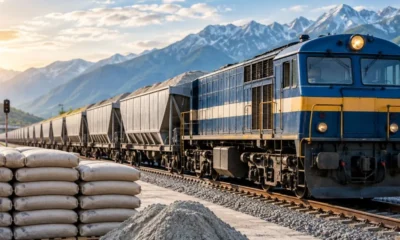
 Concrete4 weeks ago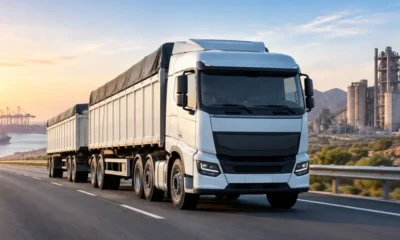
 Concrete3 weeks ago