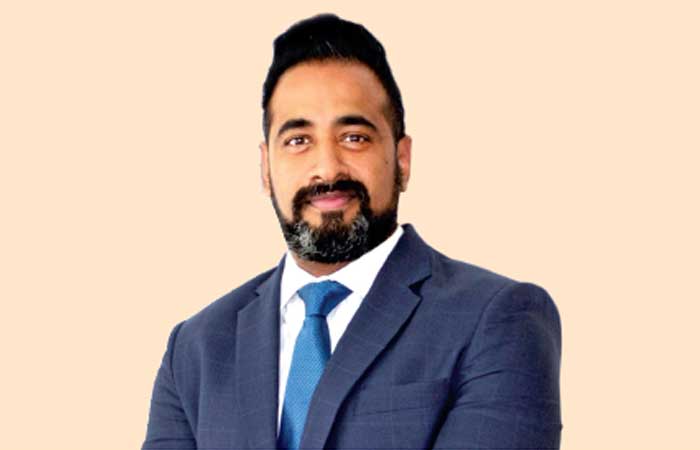
Jacob Jose, CEO & Managing Director, Methods India and DemcoTECH, discusses customised, cutting-edge bulk material handling solutions, and the relevance of modern technology for making cement transport sustainable.
IIn the dynamic world of bulk material handling, innovation and customisation are key to meeting the evolving demands of the cement industry. In this insightful interview, we explore the expertise of Methods India and DemcoTECH, an Indo-South African joint venture, as they share how their advanced are helping cement manufacturers optimise operations and achieve sustainability goals.
Tell us more about your organisation and the work that you do?
We represent Methods India and DemcoTECH, an Indo-South African joint venture that has been in collaboration for nearly five years. Methods India itself has been a key player in the bulk material handling industry for almost 45 years. Our primary focus is on providing cutting-edge solutions for bulk material handling, particularly for industries that require robust and efficient conveying systems.
We provide comprehensive bulk material handling solutions that cater to the specific needs of cement plants, from raw material extraction to final product handling. Our technology, particularly with DemcoTECH, has gained widespread recognition for its efficiency and durability, helping cement manufacturers streamline their operations and reduce downtime. Our solutions, such as pipe conveyors, downhill conveyors, and cross-country conveyors, have played a significant role in enhancing the efficiency of material transportation within cement plants.
Where do your turnkey solutions apply in the cement production process?
Our expertise lies in conveying systems, and we have successfully implemented our technology-driven solutions across various stages of cement production. Our solutions are particularly beneficial in raw material handling, kiln feeding, clinker cooling, and final product packaging.
With our advanced pipe conveyors, downhill conveyors, and cross-country conveyors, we have revolutionised the way cement plants transport raw materials. Our technology helps reduce operational costs, minimise environmental impact, and improve energy efficiency. Over the years, we have observed a positive impact in the industry, particularly with the growing adoption of pipe conveyors and cross-country conveyors, which have proven to be more efficient and environmentally friendly alternatives to traditional transport methods.
How does technology and innovation enhance your offerings to the cement industry?
In today’s industrial landscape, technology plays a crucial role in ensuring optimisation, efficiency and cost-effectiveness. Every cement manufacturer aims to optimise operations—whether in terms of cost, delivery timelines, or operational efficiency. Technology enables us to deliver innovative solutions that meet these evolving demands.
Our approach is centered on continuous innovation, ensuring that we integrate the latest advancements in digital monitoring, predictive maintenance, and automated systems. At DemcoTECH, we have dedicated significant resources to developing state-of-the-art solutions that not only enhance performance but also reduce maintenance requirements and operational disruptions. By incorporating data analytics and real-time monitoring, we help cement plants predict potential breakdowns and maintain seamless operations.
Bulk material handling involves significant wear and tear. How do you manage these challenges?
Wear and tear is one of the most critical challenges in bulk material handling. To address this, we focus on efficient and durable design principles that ensure long-term reliability. Our approach begins with a thorough understanding of the factors that affect the lifespan of components, including operating conditions, material composition, and mechanical stresses.
By working closely with our clients, we tailor our solutions to match their specific operational challenges. Our expertise allows us to recommend the right materials, equipment, and maintenance strategies to mitigate wear and tear. For example, our conveyor systems are designed to withstand high-stress environments, ensuring that they maintain peak performance over extended periods. Additionally, we integrate advanced condition monitoring systems that help operators detect early signs of wear and take preventive measures before failures occur.
How do you incorporate sustainability into your operations?
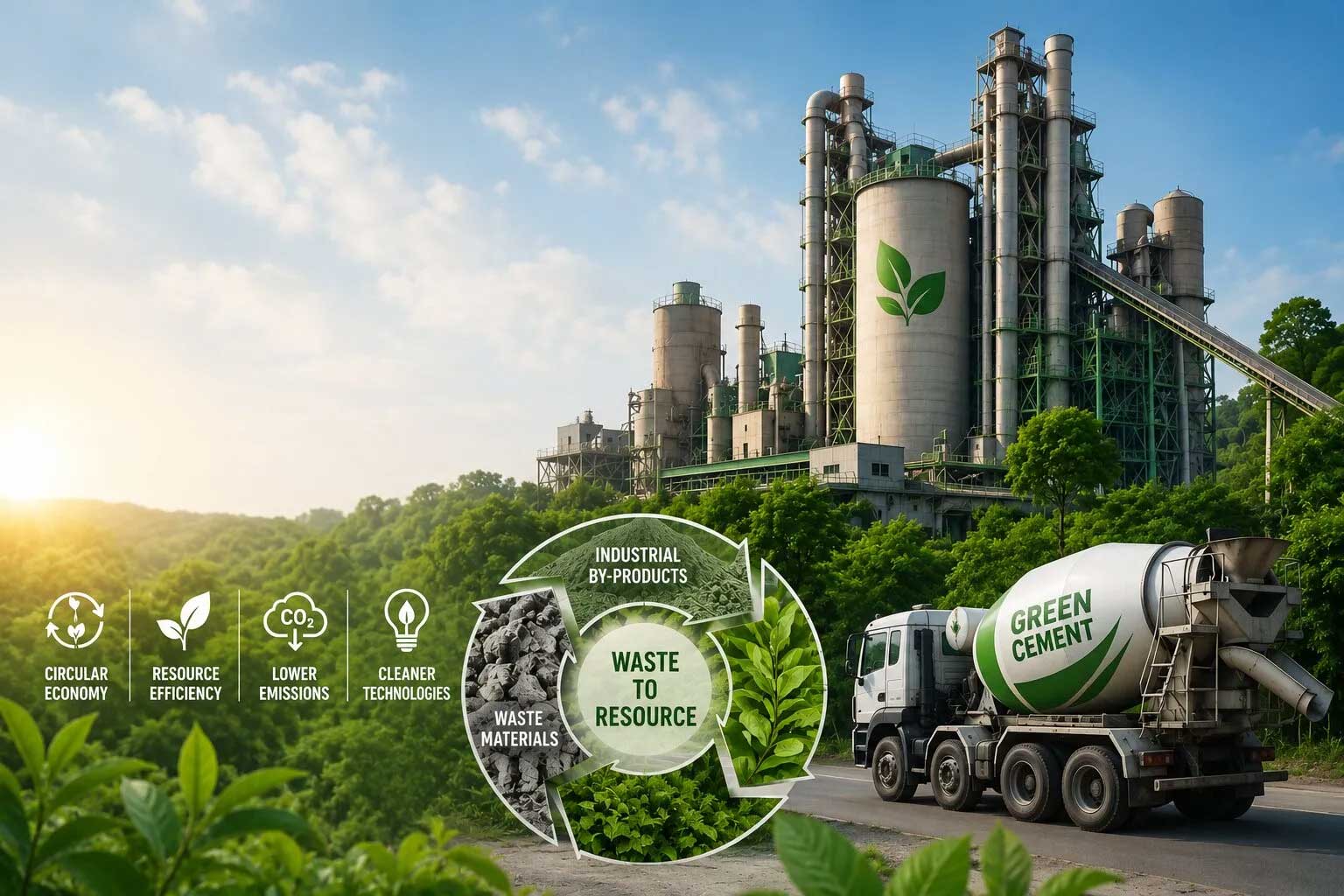
Sustainability is a fundamental aspect of modern industrial operations, and we take a holistic approach to ensuring that our solutions contribute to environmental conservation and operational efficiency.
From the client’s perspective, sustainability is about applying the right technology to the right solution. By carefully evaluating each client’s specific needs, we ensure that the solutions we provide are efficient, optimised, and environmentally responsible. Our energy-efficient conveyors significantly reduce fuel consumption, lower emissions, and enhance resource utilisation.
Moreover, we prioritise material efficiency, using high-quality, durable components that extend equipment lifespan and minimise waste generation. By promoting automated and optimised material handling, we help cement manufacturers reduce their carbon footprint, align with global sustainability initiatives, and meet regulatory requirements more effectively.
What are some of the key challenges you face in your operations?
One of the biggest challenges we face is that bulk material handling systems are highly customised. Unlike standardised products, each conveying system is bespoke, designed specifically for the unique requirements of a cement plant. This means that a significant amount of time is spent on engineering and design before a project can even begin. By the time the engineering phase is completed, project timelines have already been stretched, making it a challenge to deliver on schedule.
Another major challenge is cost fluctuations. The cement industry is volatile, and price variations can make it difficult to maintain cost predictability for both manufacturers and suppliers. Striking a balance between affordability and quality is a continuous challenge, as clients seek cost-effective solutions without compromising on efficiency and durability.
Despite these challenges, we continue to innovate and adapt, ensuring that we deliver high-quality, efficient solutions that align with the evolving needs of the industry.
How do you approach customisation?
Customisation is at the heart of what we do. Every project begins with a clean slate, where we conduct detailed engineering assessments and create customised layouts based on the client’s requirements.
One of the major advantages of our joint venture is that we bring together a combined 65 years of industry experience. Additionally, we have built one of the largest project data banks in the world, having successfully completed over 3,000 projects globally. This extensive database allows us to analyse past projects, identify best practices, and apply proven solutions to new challenges.
By leveraging this vast experience, we can offer the most effective, tailored solutions to cement plants, ensuring that they receive efficient, cost-effective, and high-performing systems. Our ability to customise and adapt is one of our strongest competitive advantages, and it is what sets us apart in the industry.