Connect with us

Concrete

India’s Journey Towards Net Zero Emissions

Published

on

Shares

Pushpank Kaushik talks about India’s endeavours in laying the foundation for a sustainable future through ambitious renewable energy initiatives.

At the 26th session of the United Nations Framework Convention on Climate Change (COP 26) in November 2021, India committed to achieving net zero emissions by 2070, aligning with the Paris Agreement’s goals under Article 4, Paragraph 19. This ambitious target reflects India’s dedication to a low-carbon development strategy, grounded in principles of equity, climate justice, and common but differentiated responsibilities. India has already surpassed its renewable energy target, achieving over 40 per cent non-fossil installed capacity nine years ahead of schedule. With plans to further reduce emissions intensity by 24 per cent below 2005 levels, the country aims to decouple economic growth from carbon emissions.

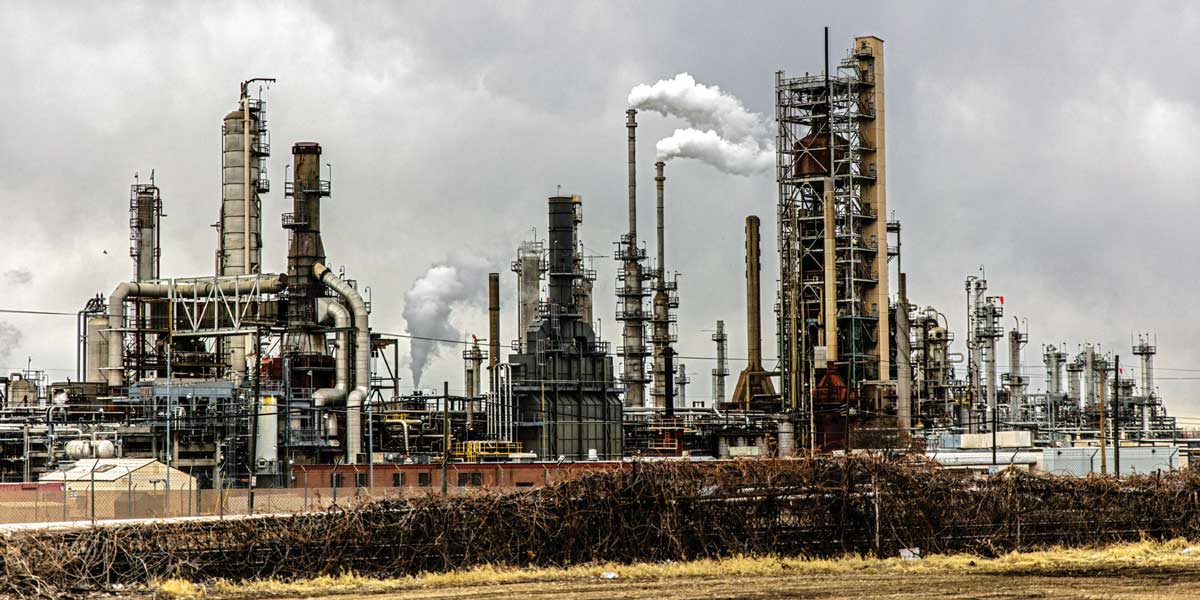
Sectors like manufacturing, especially cement, steel and chemicals, remain significant emission contributors. To decarbonise these industries, India is focusing on the circular economy, energy efficiency, electrification of heat and adoption of low-carbon fuels and technologies. By 2030, the country’s renewable energy advancements, excluding large hydro, are expected to reduce CO2 emissions by approximately 877 million tonnes.

By withdrawing inefficient thermal units—241 have already been closed—and switching to supercritical units for additional capacity, India is also concentrating on clean coal technologies. Efforts include encouraging electric vehicles and moving from BS IV to BS VI requirements for cleaner transportation. By 2030, the Ministry of Railways hopes to reduce its CO2 emissions by 60 million tonnes, making it a net zero carbon emitter.

Additionally, it is anticipated that the UJALA programme, the biggest LED endeavour in the world, will save 40 million tonnes of CO2 yearly.

Potential challenges
India’s commitment to a net zero target by 2070 faces significant challenges, according to the World Economic Forum (WEF). The nation is the third-largest emitter of greenhouse gasses after China and the US, and has the potential to meet this goal; they emphasise the need for more concrete sectoral targets, trajectories, and short-term milestones. The urgency for this initiative is underscored by India’s status as home to some of the world’s most polluted cities, contributing to high pollution-related mortality rates. Additionally, funding remains a critical issue as achieving the 2070 target requires an investment of $10.1 trillion; if the goal is accelerated to 2050, this figure increases to $13.5 trillion.

India’s progress toward net zero
Over the past nine years, India has made significant strides in its fight against climate change.

These include:

  • Exceeding renewable targets: Surpassed the 40 per cent renewable energy commitment ahead of the 2030 Paris

Agreement target.

  • National hydrogen mission: Launched to promote cost-effective green hydrogen production.
  • NITI Aayog’s framework: Established a comprehensive policy framework for achieving a net zero economy by 2070, focusing on transition plans, identifying challenges and proposing strategic climate policies.

Moreover, several industries as well have taken initiatives to achieve this goal:

Cement industry: According to the report by CEEW, as the second-largest cement producer globally, it is expected that cement demand will be boosted by India’s focus on infrastructure development. The lead in implementing energy-efficient measures and setting ambitious net zero targets is also being taken by the cement industry, with significant aid provided by the successful execution of the Perform, Achieve and Trade (PAT) scheme, which fosters the adoption of energy-efficient technologies.
Shipping industry: The Harit Sagar Green Port Guidelines and Harit Nauka Green Transition Guidelines are global initiatives that promote the use of green energy, sustainable port operations, and cleaner shipping practices. India plans to achieve net zero carbon emissions by 2070, with significant steps to decarbonise the maritime industry in accordance with the Maritime India Vision 2030. This includes investments in green port infrastructure, clean harbour boats, zero carbon fuels, emissions reduction measures, and the electrification of inland waters.
Power sector: In the 2024 budget, the government allocated 50 per cent more funds to power sector initiatives, focusing on green hydrogen, solar energy, and green energy corridors to meet its renewable energy target for 2030. To address the coal demand-supply mismatch, the Ministry of Power plans to replace coal with renewable energy generation in 81 thermal units by 2026. The Central Electricity Authority (CEA) projects that India’s power requirement will rise to 817 GW by 2030, with renewable energy’s share expected to increase from 18 per cent to 44 per cent, while thermal energy’s share is anticipated to decrease from 78 per cent to 52 per cent.
Chemical sector: With 100 per cent FDI allowed under the automated route in the chemicals sector, global investments bring modern technologies and environmentally friendly industrial practices. The centre is also establishing a Production Linked Incentive (PLI) scheme to improve cost competitiveness in the sector, which indicates a strong commitment to environmentally responsible practices and contributes to the overarching objective of net zero emissions.

India’s transformation to a green economy is more than simply an ambitious goal; it is a well planned journey backed by clear policies and investments. India is establishing the groundwork for a sustainable future by pushing renewable energy programmes including green hydrogen, ethanol blending, and electric vehicles, as well as the PLI plan for solar PV installations. The difficulty is to balance the energy demands of a rising economy with the transition to a low-carbon energy mix, but with integrated planning and the implementation of new technologies, the route to net zero emissions by 2070 is becoming clearer. This comprehensive approach ensures that everyone has access to inexpensive, reliable energy, even after the net zero targets are met.

About the author: Pushpank Kaushik, CEO & Head of Business Development, Jassper Shipping, is a driven and enthusiastic CEO. His remarkable managerial skills and insights gained during his education from SP Jain School of Global Management has helped him to lead the company towards success.

Concrete

Ambuja Cements Delivers Strong Q2 FY26 Performance Driven by R&D and Efficiency

Company raises FY28 capacity target to 155 MTPA with focus on cost optimisation and AI integration

Published

on

By

Shares
Ambuja Cements, part of the diversified Adani Portfolio and the world’s ninth-largest building materials solutions company, has reported a robust performance for Q2 FY26. The company’s strong results were driven by market share gains, R&D-led premium cement products, and continued efficiency improvements.
Vinod Bahety, Whole-Time Director and CEO, Ambuja Cements, said, “This quarter has been noteworthy for the cement industry. Despite headwinds from prolonged monsoons, the sector stands to benefit from several favourable developments, including GST 2.0 reforms, the Carbon Credit Trading Scheme (CCTS), and the withdrawal of coal cess. Our capacity expansion is well timed to capitalise on this positive momentum.”
Ambuja has increased its FY28 capacity target by 15 MTPA — from 140 MTPA to 155 MTPA — through debottlenecking initiatives that will come at a lower capital expenditure of USD 48 per metric tonne. The company also plans to enhance utilisation of its existing 107 MTPA capacity by 3 per cent through logistics infrastructure improvements.
To strengthen its product mix, Ambuja will install 13 blenders across its plants over the next 12 months to optimise production and increase the share of premium cement, improving realisations. These operational enhancements have already contributed to a 5 per cent reduction in cost of sales year-on-year, resulting in an EBITDA of Rs 1,060 per metric tonne and a PMT EBITDA of approximately Rs 1,189.
Looking ahead, the company remains optimistic about achieving double-digit revenue growth and maintaining four-digit PMT EBITDA through FY26. Ambuja aims to reduce total cost to Rs 4,000 per metric tonne by the end of FY26 and further by 5 per cent annually to reach Rs 3,650 per metric tonne by FY28.
Bahety added, “Our Cement Intelligent Network Operations Centre (CiNOC) will bring a paradigm shift to our business operations. Artificial Intelligence will run deep within our enterprise, driving efficiency, productivity, and enhanced stakeholder engagement across the value chain.”

Continue Reading

Concrete

JSW Paints to Raise Rs 33 Billion for Akzo Nobel India Deal

Funds to part-finance Rs 129.15 billion acquisition of 74.76 per cent stake.

Published

on

By

Shares

JSW Paints Limited (JSWPL) plans to raise Rs 33 billion through non-convertible debentures (NCDs) to partly fund the Rs 129.15 billion acquisition of a 74.76 per cent stake in Akzo Nobel India Ltd, according to an exchange filing. The deal, which will trigger an open offer for the remaining shares, forms part of the JSW Group’s Rs 65 billion capital infusion plan.

The bonds, to be issued on Friday, are rated ‘AA– (Stable)’ by ICRA, which noted that the NCDs will carry a five-year bullet repayment, with a call/put option after three years. Only a portion of the coupon will be paid annually, with the balance payable upon redemption.

ICRA said JSW Paints’ debt servicing obligations can be comfortably met through operating profits and dividends expected from Akzo Nobel India until maturity. However, it cautioned that the company’s leverage will remain elevated at over four times in the medium term.

JSW Paints, part of the JSW Group promoted by Sajjan Jindal and led by Managing Director Parth Jindal, plays a strategic role in supplying industrial coatings to JSW Steel. To date, JSW Steel has infused Rs 7.5 billion, while South West Mining Ltd has contributed Rs 1.5 billion towards capital expenditure, debt repayment, and working capital needs.

ICRA expects continued promoter support for the acquisition, which will be financed through a mix of borrowings and equity infusion at the JSW Paints level.

Post-acquisition, JSW Paints’ business profile is expected to strengthen significantly, benefiting from operational synergies, an expanded dealer network, and access to advanced coating technologies. The merger will position the combined entity — JSW Paints and Akzo Nobel India — as India’s fourth-largest decorative paint company and second-largest in the industrial segment. The acquisition will also give JSW access to premium brands like Dulux and new segments such as vehicle refinishes and marine coatings.

In FY25, JSW Paints recorded revenues of Rs 21.55 billion. The company expects a sharp rise in FY26 and beyond, supported by synergies in manufacturing, logistics, and marketing. ICRA projects healthy double-digit operating margins by FY27, marking a strong turnaround from operating losses in FY25.

The acquisition, initially announced in June 2025, valued the 74.76 per cent stake at Rs 94 billion and received Competition Commission of India (CCI) approval on 16 September 2025. The deal is expected to close within the current financial year.

Following the transaction, the Dutch parent company of Akzo Nobel India will retain the powder coatings business and R&D centre, while JSW Paints will integrate the rest of the operations.

Continue Reading

Concrete

SAIL Bokaro Develops New Electrical Steel Grade

BSL produces 1,100 tonnes of energy-efficient special steel.

Published

on

By

Shares

Steel Authority of India Limited (SAIL) has announced that its Bokaro Steel Plant (BSL) has developed a special grade of electrical steel for the first time, marking a significant milestone in the company’s efforts to expand its portfolio of high-value and advanced steel products.

The newly developed steel is designed for use in electric motors, generators, small power transformers, electrical appliances, and rotors for hybrid and electric vehicles, contributing to enhanced energy efficiency and supporting India’s growing green mobility and energy infrastructure sectors.

In a statement, SAIL said, “The Bokaro Steel Plant has achieved a major milestone in product development by successfully producing about 1,100 tonnes of 0.5 mm thick IS 18316 LS Grade Non-Grain Oriented (NGO) Electrical Steel for the first time.”

The innovation is expected to position SAIL as a key domestic supplier of specialised electrical steel, reducing dependence on imports for critical industrial applications. It also aligns with the company’s broader strategy to move up the value chain and contribute to India’s self-reliance in advanced materials manufacturing.

The Bokaro Steel Plant’s success in developing this new grade of steel underscores SAIL’s focus on technology-driven production, quality enhancement, and sustainable industrial growth.

Continue Reading

Trending News

SUBSCRIBE TO THE NEWSLETTER


Don't miss out on valuable insights and opportunities to connect with like minded professionals.


    This will close in 0 seconds