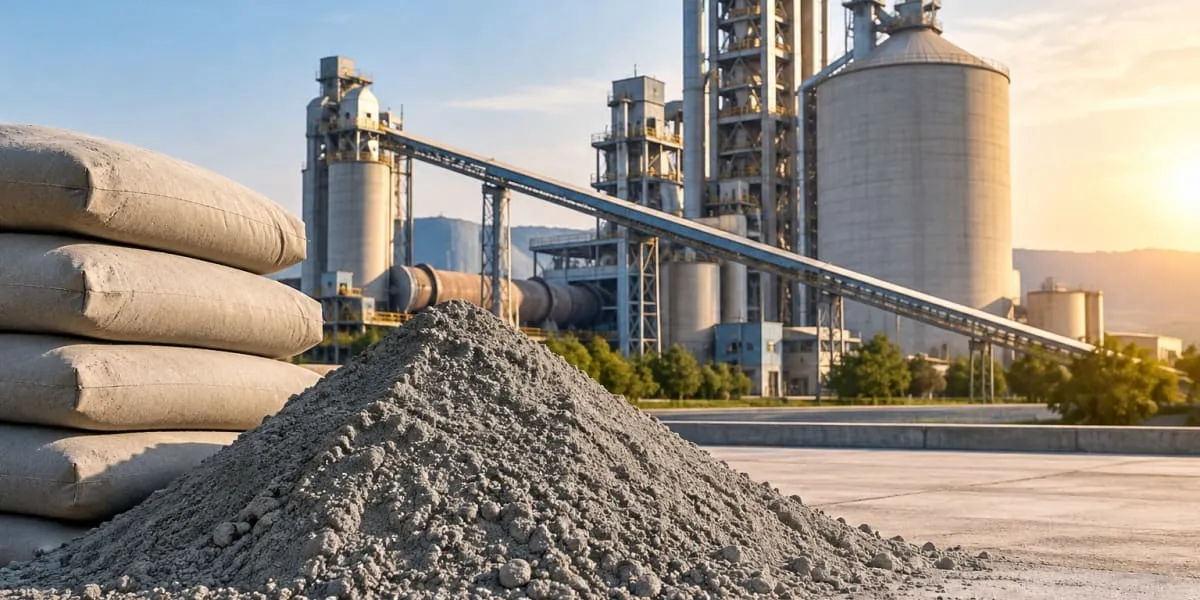
Adani Cement is playing an instrumental role in responsible energy management in the Indian industrial sector. Here’s looking at their comprehensive efforts at sourcing alternative fuel and energy and optimising energy consumption in the cement manufacturing process.
Cement production stands as a prime example of an energy-intensive industry, where the role of energy is paramount in shaping both production costs and sustainability efforts.
One essential application of energy is in the transformation of raw materials, including limestone and additives, into clinker. This heat-intensive process is fundamental to cement production. Electricity plays a critical role in various phases of manufacturing. From grinding raw materials to achieving the final cement product, electricity consumption ranges between 56 to 73 kWh per metric tonne. Notably, the stages of raw material grinding, kiln operation and cement grinding contribute a significant 75-80 per cent to the overall electrical energy consumption.
Our dependence on energy is underscored by the consumption of fuels. For our 3 million tonnes per annum (MTPA) kilns, the daily consumption of fuels fluctuates between 1200 to 1600 tonnes. This sizeable amount of fuel is a prerequisite for sustaining our production operations. The electricity requirements are equally substantial. It surpasses 70 units of electricity per tonne of cement produced, encompassing the entire manufacturing cycle.
However, we are committed to enhancing our energy efficiency. Our efforts include ongoing initiatives to optimise existing installations and systems. Notable investments have been directed toward activities like cooler replacement, burner upgrades, and the incorporation of advanced thin liners in the cement mill. Several of these initiatives have already been implemented, underscoring our dedication to improved energy management.
Diverse Energy Sources
Our organisation employs a diverse array of energy sources to meet its manufacturing requirements, aligning with our commitment to sustainability and responsible energy management. At the heart of our production process, primary heat comes from fossil fuels, which are pivotal in the clinkering stage of cement manufacturing. We are progressively integrating alternative fuels, and we have set a robust roadmap to escalate this figure from present 7 per cent to 25 per cent. In terms of electrical energy, we draw power from both our captive/thermal power plant and the state grid to ensure a reliable supply.
Our emphasis on green energy is a cornerstone of our energy strategy. Solar energy plays a significant role as we harness its power through solar panels to contribute substantially to our electricity requirements. Additionally, wind energy further enriches our energy mix, tapping into wind turbines’ potential. Leveraging waste heat recovery systems (WHRS), we are innovatively converting waste heat from our processes into usable
energy, thereby reducing waste and optimising energy utilisation.
Sourcing Energy Sustainably
Our energy sourcing strategy is a comprehensive blend of primary and secondary sources, underscoring our dedication to both sustainability and efficiency. In the pivotal clinkering phase of cement production, our primary heat source encompasses a mixture of fossil and alternative fuels.
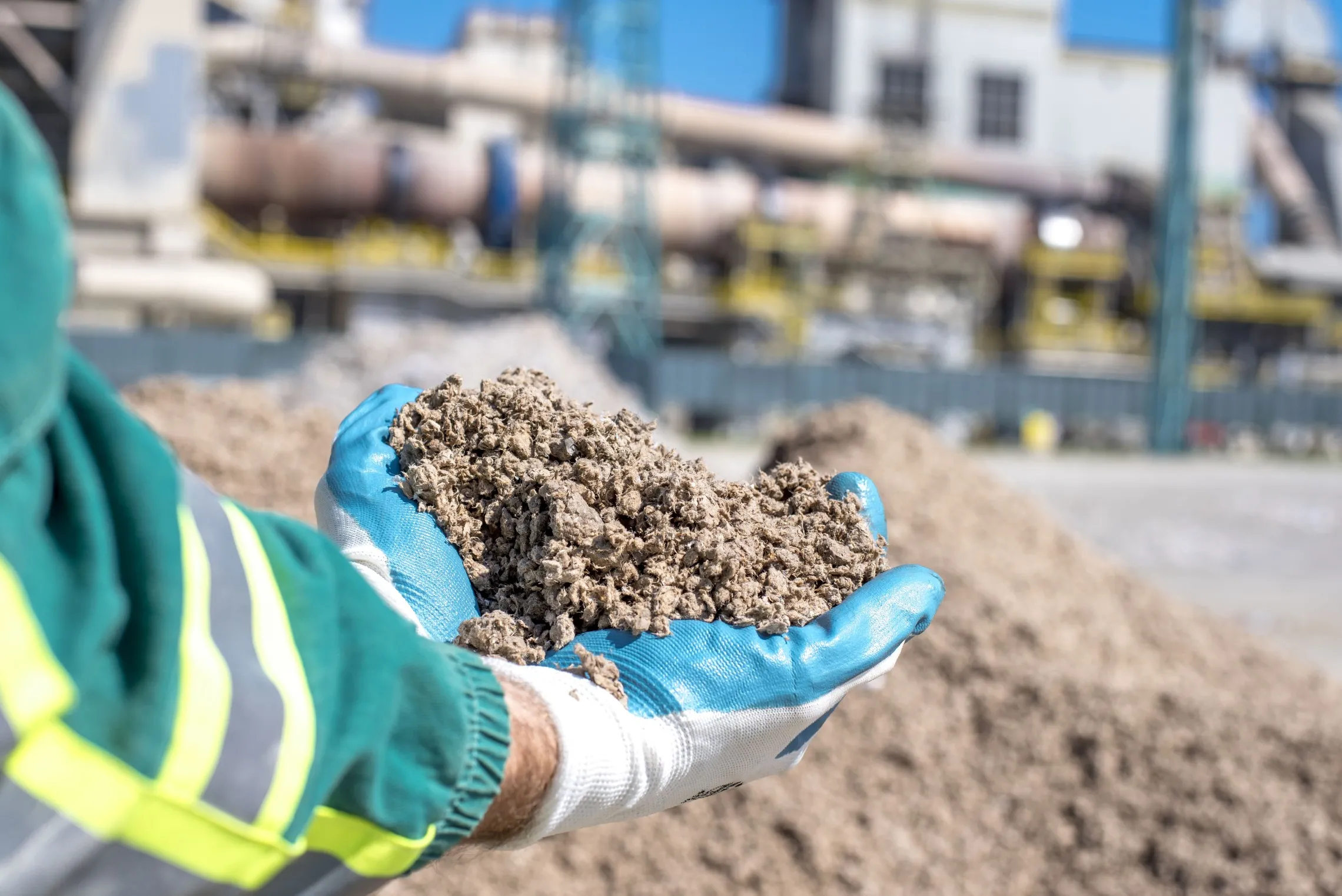
We engage in co-processing alternative fuels in our cement kilns. This includes a diverse spectrum of waste materials, like hazardous and non-hazardous waste from industrial processes, segregated municipal waste sourced from both fresh and legacy sites, as well as biomass like rice husk, soya husk and tuar husk. This innovative stride not only optimises energy use but also significantly contributes to conservation of natural resources and reduction of CO2 emissions.
Currently, around 7 per cent of our total heat requirement is met through alternative fuels, and our roadmap outlines a determined path to elevate this ratio to 25 per cent, aligning seamlessly with our mission to curtail environmental impact and foster sustainable practices. Our energy strategy embraces the robust use of green energy, comprising of solar, wind and WHRS. We are steadfastly working towards elevating both solar and WHRS contributions to at least 40 per cent of our total electricity demand.
All these initiatives serve as a testament to our unwavering commitment to responsible energy management and the stewardship of our environment.
Impact on Cost
The introduction of greener sources of electricity has had a negligible impact on our operations, whereas the influence is more nuanced in the context of our primary energy source, specifically heat generation. For instance, incorporating even a minor proportion of 1 per cent alternative fuel in clinker manufacturing could marginally increase thermal energy by approximately 1-1.5 kcal per kg clinker. It is important to note that this effect might not hold true for alternative fuels like dry biomass due to their distinct characteristics. However, our kiln system is equipped with inherent capabilities designed to mitigate such impacts, ensuring a balanced approach.
Considering the inherent volatility of fuel prices, the increased integration of green energy into our processes yields a significant advantage in terms of reducing the overall cost of cement production. By relying more on these sustainable sources, we can potentially mitigate the financial fluctuations associated with traditional fuel sources, leading to more stable and predictable production costs.
Optimising the Use of Energy
Automation and technology play an instrumental role in optimising energy utilisation within cement plants. These advancements contribute to enhanced productivity and heightened system reliability, creating a stable manufacturing environment. The harmonious synergy between automation and technology facilitates the most efficient allocation of energy resources, minimising wastage and enhancing overall energy efficiency. In line with this, we have implemented High-Level Control (HLC) systems for each kiln and cement mill circuit. These technologies not only streamline operations but also empower us to respond proactively to energy consumption patterns, driving us closer to our efficiency and sustainability goals.
Hurdles along the Way
The availability of fuels, particularly coal and petcoke, presents a significant challenge due to factors such as supply constraints and the volatility of their prices. This unpredictability in fuel availability and costs can impact the stability of our operations and cost structures. Additionally, the limited quantity of linkage coal further exacerbates this challenge, necessitating careful resource management and exploring alternative options.
Another notable challenge arises from the non-uniform regulatory procedures governing the utilisation of renewable power sources, namely solar and wind energy. The intricacies of these regulations vary geographically. This disparity introduces complexities in adopting renewable energy solutions consistently across regions, potentially impeding a streamlined transition to cleaner energy sources. Overcoming these regulatory hurdles demands strategic coordination and harmonisation of policies to ensure a more cohesive and efficient integration of renewable energy into our operations.
Compliance and Regulations
Effective energy management is a fundamental aspect of our operations, supported by well-established systems and dedicated professionals. Certified energy managers are stationed at each of our locations, underscoring our commitment to optimal energy utilisation and sustainability. Regular energy audits are a crucial part of our practices, with each site undergoing thorough assessments. The insights derived from
these audits inform actionable plans that are diligently tracked and implemented to enhance energy efficiency.
Furthermore, our commitment to responsible energy management is evident through our collaboration with the Bureau of Energy Efficiency (BEE). We actively share data on both electrical and thermal energy consumption with the BEE, aligning with the regulations and objectives of the Perform Achieve and Trade (PAT) programme. This proactive approach reinforces our dedication to not only internal efficiency but also broader national energy goals.
Adhering to the ‘golden rule’ of energy efficiency improvement, we place stringent monitoring and controls in place. This ensures that our energy management strategies remain dynamic and responsive, adapting to changes and consistently
driving efficiency enhancements. Our comprehensive approach to energy management is a testament to our commitment to sustainable practices, cost optimisation and environmental responsibility.
We employ an internal digital dashboard to meticulously track daily energy consumption encompassing both heat and electricity. However, the benchmarking of thermal and electrical
energy utilisation occurs monthly, both within our organisation and within the broader external context. This practice culminates in the acknowledgment of exceptional accomplishments by the most improved plant team through internal commendations and accolades.
Furthermore, our commitment to optimal energy utilisation is evidenced by annual external energy audits. These audits serve as a comprehensive evaluation of our energy practices, ensuring alignment with stringent standards. The resulting action plan, aimed at continuous enhancement, undergoes a rigorous assessment every three months. This iterative approach underscores our unwavering dedication to refining energy efficiency and reinforcing our sustainable commitments.
Conclusion
In the context of the cement industry, driving advancements in energy consumption is imperative. Regarding heat, it is essential to harness technological progress to curtail energy usage. Shifting the focus to electricity consumption, the installation of green energy sources like solar, wind and WRHS stand out as a promising approach.
Further, by enhancing overall efficiency of individual components, striving to minimise the impact of fluctuations in process parameters collectively hold the potential to revolutionise
energy consumption within the cement industry, driving it towards a more sustainable and
efficient future.
(Communication by the management of the company)