Connect with us

Concrete

Our strategy is to establish reliable local partnerships

Published

on

Shares

Jean-Jacques Bois, President, Nanolike, discusses how real-time data is reshaping cement delivery planning and fleet performance.

As cement producers look to extract efficiency gains beyond the plant gate, real-time visibility and data-driven logistics are becoming critical levers of competitiveness. In this interview with Jean-Jacques Bois, President, Nanolike, we discover how the company is helping cement brands optimise delivery planning by digitally connecting RMC silos, improving fleet utilisation and reducing overall logistics costs.

How does SiloConnect enable cement plants to optimise delivery planning and logistics in real time?
In simple terms, SiloConnect is a solution developed to help cement suppliers optimise their logistics by connecting RMC silos in real time, ensuring that the right cement is delivered at the right time and to the right location. The core objective is to provide real-time visibility of silo levels at RMC plants, allowing cement producers to better plan deliveries.
SiloConnect connects all the silos of RMC plants in real time and transmits this data remotely to the logistics teams of cement suppliers. With this information, they can decide when to dispatch trucks, how to prioritise customers, and how to optimise fleet utilisation. The biggest savings we see today are in logistics efficiency. Our customers are able to sell and ship more cement using the same fleet. This is achieved by increasing truck rotation, optimising delivery routes, and ultimately delivering the same volumes at a lower overall logistics cost.
Additionally, SiloConnect is designed as an open platform. It offers multiple connectors that allow data to be transmitted directly to third-party ERP systems. For example, it can integrate seamlessly with SAP or other major ERP platforms, enabling automatic order creation whenever replenishment is required.

How does your non-exclusive sensor design perform in the dusty, high-temperature, and harsh operating conditions typical of cement plants?
Harsh operating conditions such as high temperatures, heavy dust, extreme cold in some regions, and even heavy rainfall are all factored into the product design. These environmental challenges are considered from the very beginning of the development process.
Today, we have thousands of sensors operating reliably across a wide range of geographies, from northern Canada to Latin America, as well as in regions with heavy rainfall and extremely high temperatures, such as southern Europe. This extensive field experience demonstrates that, by design, the SiloConnect solution is highly robust and well-suited for demanding cement plant environments.

Have you initiated any pilot projects in India, and what outcomes do you expect from them?
We are at the very early stages of introducing SiloConnect in India. Recently, we installed our
first sensor at an RMC plant in collaboration with FDC Concrete, marking our initial entry into the Indian market.
In parallel, we are in discussions with a leading cement producer in India to potentially launch a pilot project within the next three months. The goal of these pilots is to demonstrate real-time visibility, logistics optimisation and measurable efficiency gains, paving the way for broader adoption across the industry.

What are your long-term plans and strategic approach for working with Indian cement manufacturers?
For India, our strategy is to establish strong and reliable local partnerships, which will allow us to scale the technology effectively. We believe that on-site service, local presence, and customer support are critical to delivering long-term value to cement producers.
Ideally, our plan is to establish an Indian entity within the next 24 months. This will enable us to serve customers more closely, provide faster support and contribute meaningfully to the digital transformation of logistics and supply chain management in the Indian cement industry.

Concrete

Jammu Division Begins First Cement Rail Traffic to Anantnag

Cement Loading From Kathua for Anantnag to Begin on September 14

Published

on

By

Shares


Jammu Railway Division has placed an indent for the first movement of cement by rail within the division, linking Shaheed Captain Sunil Kumar Choudhary Kathua Railway Station with Anantnag Railway Station. Loading for the consignment is scheduled to begin on September 14.

Continue Reading

Concrete

Hard Worker Wins Three Honours at Kyoorius Design Awards

Ramco Cements’ brand secures Grand Prix and two Blue Elephant honours.
Published

on

By

Shares


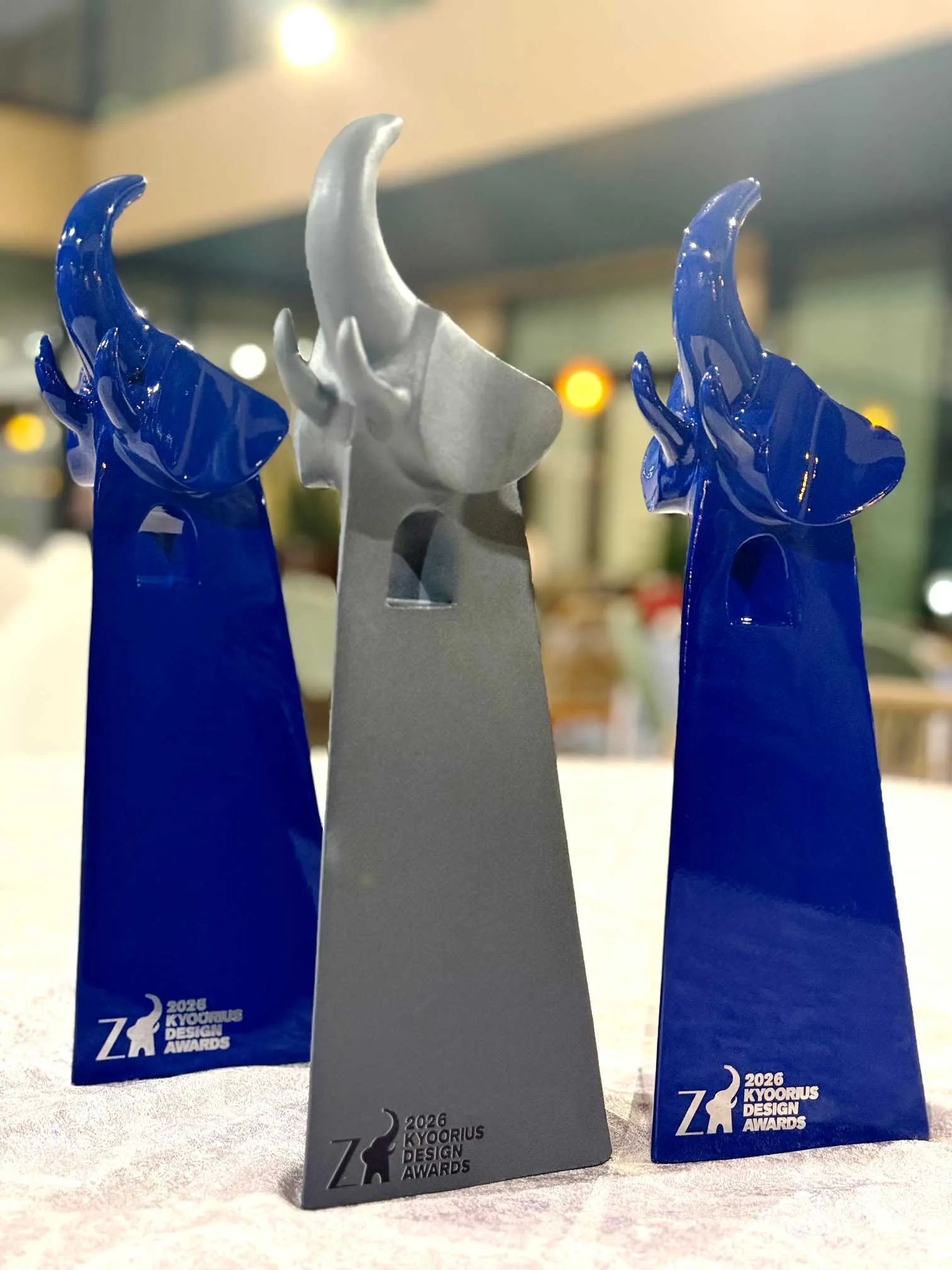
The Ramco Cements Limited’s construction chemicals brand, Hard Worker, has won three honours at the Kyoorius Design Awards 2026, including the Grand Prix – Grey Elephant in the Design in Action category.
The brand also secured two Blue Elephant honours, one for Design in Action and another for Packaging, recognising the design approach behind its brand identity and packaging.
Launched in 2025, Hard Worker entered the construction chemicals segment with the brand promise, “Hard-working products for hardworking people.” Its visual identity uses animals and birds to represent product benefits. The camel represents the water-retention capability of Hard Worker Eco Plaster, while the cheetah represents the speed and performance of Hard Worker Block Fix.
The visual language has been extended across packaging, retail, communication, literature, digital platforms and other brand touchpoints. Hard Worker uses bold colours, distinctive animal illustrations and simple visual storytelling to communicate product benefits across markets and audiences, including construction workers and applicators.
“For Hard Worker, design was never an afterthought. It was fundamental to how we wanted to build the brand. In a category that is largely functional, we wanted to create a brand that people could recognise, understand and remember instantly. The Kyoorius recognition is a wonderful validation of this design-led approach,” said Mr. AV Dharmakrishnan, CEO, The Ramco Cements Limited.
Mr. Balaji K. Moorthy, Executive Director – Marketing, Ramco Cements said “In a category where communication has traditionally been product-led and functional, we wanted Hard Worker to stand apart by making design an integral part of the brand experience. From the distinctive animal-led packaging to our communication across consumer and trade touchpoints, every element was designed to make the brand more memorable and the product benefits easier to understand.”
Within its first 12 months, Hard Worker crossed Rs 3.5 bn in sales. The latest recognition follows six honours secured by the brand’s campaign at the Kyoorius Creative Awards earlier in 2026, including the Grey Elephant Grand Prix for its Eco Plaster film.
The Kyoorius Design Awards recognise outstanding design work in India’s visual communications sector across multiple categories and platforms. The 2026 awards were announced on 12 September in Goa.
The Ramco Cements Limited is part of the Ramco Group and operates across cement and allied building-material solutions. Hard Worker is its construction chemicals brand, offering solutions across key construction applications.

Continue Reading

Concrete

Cement Firms to Invest Rs. 130 bn in Green Energy by FY28

Cement companies plan to expand clean energy capacity to 6 GW by FY28

Published

on

By

Shares


India’s major cement companies are set to raise their clean energy capacity to 6 GW by March 2028 from around 4 GW at the end of March 2026, according to ratings agency ICRA. The planned expansion is expected to involve investments of Rs. 130 bn over the next two years.

The additional capacity could generate annual savings of Rs. 62 bn to Rs. 67 bn, resulting in an estimated payback period of 1.8 to 2.2 years. Cement is an emission-intensive industry, and leading producers have established net-zero roadmaps covering the next 15 to 20 years.

The calcination process accounts for 57 to 60 per cent of the sector’s total emissions, while fuel combustion contributes 27 to 30 per cent and electricity consumption accounts for 10 to 13 per cent. ICRA said the figures highlighted the need for a broad decarbonisation strategy involving green power, blended cement, alternative fuels and improvements in clinker efficiency.

Green energy is considered one of the most commercially attractive decarbonisation options because it can reduce emissions while lowering operating costs. Every 5 per cent increase in green power replacement can reduce power and fuel costs by Rs. 15 to Rs. 16 per tonne. A 25 per cent replacement level could therefore save Rs. 75 to Rs. 80 per tonne and expand operating margins by 140 to 160 basis points.

Cement producers are also assessing carbon capture, utilisation and storage, although high implementation costs, energy requirements and limited transport and storage infrastructure are expected to slow commercial adoption. The government has proposed Rs. 200 bn over five years to support deployment across key sectors. Meanwhile, companies are targeting thermal substitution rates of 10 to 15 per cent over the next three to five years, compared with the current industry level of around 6 per cent.

Continue Reading

Video Thumbnail

    SIGN-UP FOR OUR GENERAL NEWSLETTER

    Trending News

    SUBSCRIBE TO THE NEWSLETTER


    Don't miss out on valuable insights and opportunities to connect with like minded professionals.


      This will close in 0 seconds