Connect with us

Concrete

Homegrown Engineering: Closing the Global Technology Gap

Published

on

Shares

Jignesh Kundaria, Director and CEO, Fornnax Technology, explains how the persistent underperformance of AFR projects in Indian cement plants is an engineering philosophy problem and not a technology problem.

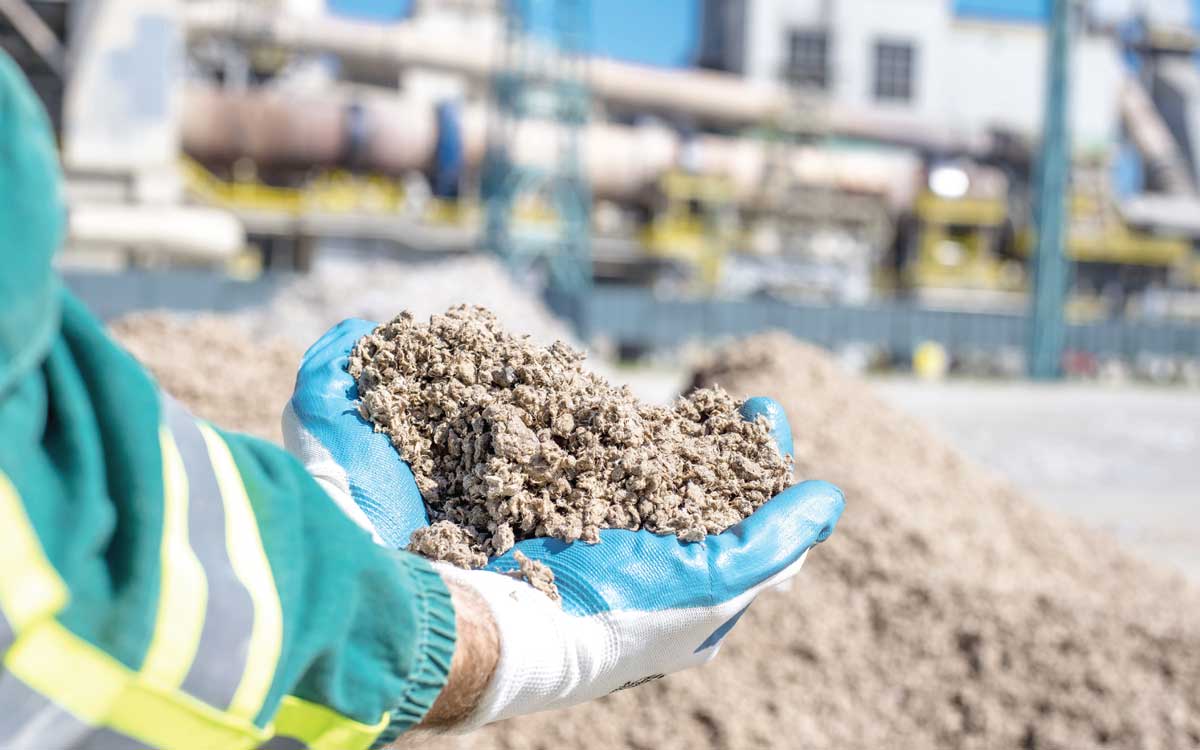
The adoption of alternative fuels and raw materials (AFR) in Indian cement plants has increased significantly in recent years. However, despite this progress, many facilities continue to face a common challenge: achieving consistent and reliable performance in day-to-day operations. Through extensive engagement with cement manufacturers and AFR stakeholders across India, including technical assessments and visits to various cement plants by Fornnax, a clear pattern has emerged. Many facilities deal with inconsistent feedstock quality, high moisture levels, contamination, fluctuating output quality and unexpected maintenance issues. These challenges are not isolated incidents. They reflect the complex realities of AFR operations.
The root cause is simple because there is no universal AFR process that works equally well for every facility. Waste composition varies across regions. Kiln configurations differ from plant to plant. Operational priorities, whether related to fuel substitution, production targets, or infrastructure limitations, are rarely the same. Yet many AFR projects still rely on standardised equipment and process layouts. As a result, solutions designed for one operating environment are often expected to perform equally well in another. This disconnects between standardised systems and local operating conditions can lead to underperformance, higher costs, and delayed project outcomes.

The cost of getting AFR wrong
AFR is no longer viewed solely as a sustainability initiative. It has become a strategic business priority for cement manufacturers. Rising fuel costs, stricter environmental regulations and growing pressure to reduce dependence on conventional fuels are accelerating AFR adoption across the industry. However, the success of an AFR project depends heavily on how effectively waste is processed before it reaches the kiln. Poor preprocessing can negatively impact kiln performance, fuel efficiency and emission control systems. Inconsistent fuel quality often forces operators to make frequent adjustments, reducing throughput and increasing energy consumption.
Equipment failures and unplanned downtime can disrupt production schedules and increase maintenance costs. When operational challenges persist, plants may lose confidence in AFR as a reliable solution and return to conventional fuels, undermining both sustainability goals and investment returns. The industry’s most successful operators have learned that AFR success is not determined by equipment alone. It requires the right combination of process design, material understanding, operational flexibility, and long-term support.

Engineering-led customisation
At Fornnax, we believe successful AFR implementation starts with understanding the challenge before selecting the solution. Rather than taking an equipment-first approach, we focus on engineering-led customisation that aligns with each plant’s unique operating conditions.
Understanding the material first: Every AFR project begins with a detailed assessment of the waste stream. Factors such as material composition, moisture content, contamination levels, seasonal variations and output requirements are carefully analysed. This understanding forms the foundation for process design, equipment selection, automation requirements, and operational flexibility.
Designing around real plant conditions: No two cement plants operate under identical conditions. Our process designs take into account actual waste characteristics, kiln requirements, available infrastructure, maintenance capabilities, and future expansion plans. Instead of forcing facilities into a standardised model, we develop solutions that fit their operating reality.
Creating integrated systems: A successful AFR plant is not simply a collection of machines. It is an integrated system where every component works together to maintain stable throughput and consistent fuel quality despite changing feedstock conditions. Drawing on insights gained from working with more than 70 cement facilities, we focus on identifying and eliminating potential bottlenecks during the design stage, when they are easier and more cost-effective to address.

Supporting performance beyond commissioning
As AFR operations mature, plant operators increasingly require more than equipment performance. They need responsive service support, spare parts availability, process optimisation guidance, performance monitoring and long-term reliability. Fornnax incorporates these lifecycle considerations into every project from the outset. Our goal is not simply to supply equipment, but to support sustained operational success. For us, innovation is not defined by complexity. It is measured by the ability to improve reliability, simplify operations, and deliver consistent results under real-world conditions.

Next phase of AFR growth
As AFR adoption continues to expand, the industry’s competitive advantage will increasingly belong to companies that combine technical expertise with a deep understanding of operational realities. This shift creates a significant opportunity for Indian engineering companies that understand local conditions, can adapt quickly, and are committed to long-term customer success, helping cement manufacturers achieve their targeted thermal substitution rate (TSR) while maintaining operational efficiency and process stability.

About the author
Jignesh Kundaria is the Director and CEO of Fornnax Technology. He has established himself as one of India’s foremost voices on waste-to-fuel technology and alternative fuel infrastructure. He has contributed to policy formulation in association with NITI Aayog across two critical areas: waste processing and tyre recycling, bringing an operator’s ground-level perspective to national-level conversations on industrial decarbonisation.


Concrete

UltraTech to Deploy 600+ Electric Trucks by Dec 2026

Cement major expands green logistics to cut emissions across supply chain

Published

on

By

Shares


UltraTech Cement Limited, an Aditya Birla Group company, plans to expand its electric vehicle fleet in logistics operations to more than 600 EV trucks by December 2026, strengthening its green transport initiatives.
The company has signed service agreements with leading EV prime mover manufacturers, including Tata Motors, Ashok Leyland, IPLTech, Energy in Motion and Sany, along with their subsidiaries and logistics partners, for deploying electric trucks.
The expanded fleet will transport around five million MT of clinker and other key materials annually across Gujarat, Uttar Pradesh, Madhya Pradesh, Rajasthan, Chhattisgarh, Maharashtra and Odisha. Once operational, the fleet is expected to reduce annual CO₂ emissions by over 1,17,000 tonnes and replace nearly 39 million litres of diesel consumption.
K C Jhanwar, Managing Director, UltraTech Cement Limited, said the company is extending sustainability beyond its manufacturing plants by adopting greener logistics solutions and decarbonising its value chain.
UltraTech has been among the early adopters of sustainable transport in the cement sector, introducing CNG trucks in 2021 and electric trucks in 2024. The company currently operates more than 850 trucks under its green logistics programme, including CNG and electric vehicles.
With a grey cement capacity exceeding 200 MTPA in India, UltraTech is integrating electrification across its logistics network, covering mine-to-plant movement and inter-plant transportation of clinker and other materials.

Continue Reading

Concrete

UltraTech Cement expands green logistics with 600+ electric truck fleet

Published

on

By

Shares

The e-truck fleet will be used to transport five million MT of clinker and other key materials with potential of over 1,17,000 tonnes of net annual CO₂ reduction, displacing the equivalent of 39 million litres of diesel per year.

Mumbai

UltraTech Cement Limited, an Aditya Birla Group company and the world’s largest cement company by sales volume and capacity outside China, has announced that it will scale up its electric vehicle fleet in its logistics operations to 600+ EV trucks by December 2026.

UltraTech has signed service contracts with leading EV prime mover manufacturers including Tata Motors, Ashok Leyland, IPLTech, Energy in Motion and Sany, along with their subsidiaries and other third-party logistics providers, to deploy EV trucks.

The total fleet of 600+ EV trucks will transport about five million MT of clinker and other key materials per annum across Gujarat, Uttar Pradesh, Madhya Pradesh, Rajasthan, Chhattisgarh, Maharashtra and Odisha. Once fully operational, this fleet of over 600 EV trucks will enable a net annual CO₂ reduction of more than 1,17,000 tonnes, displacing the equivalent of 39 million litres of diesel per year.

K C Jhanwar, Managing Director, UltraTech Cement Limited, said, “UltraTech is expanding sustainability beyond its plants by adopting greener logistics solutions. This large-scale transition to green logistics underscores our focus on decarbonising every link of our value chain and supports our commitment to achieving Net Zero.”

UltraTech has been a pioneer in advancing sustainable transport in the cement sector, being the first cement company to deploy heavy-duty electric trucks for long-haul transport of clinker and other materials at scale. The company was among the first in India to introduce green logistics, deploying CNG trucks in 2021 and electric trucks in 2024. UltraTech currently operates 850+ trucks as part of its green logistics operations, including CNG and electric trucks.

UltraTech, with a grey cement capacity of over 200 MTPA in India, operates one of the country’s most complex logistics networks. Its electrification strategy covers the entire supply chain—from mine-to-plant movement to inter-plant transport of clinker and other key materials.

The $ 10 billion UltraTech, the cement flagship company of the Aditya Birla Group, has a total Grey Cement capacity of 205.5 MTPA and White Cement/Putty capacity of 3.2 MTPA. It is a signatory to the GCCA Climate Ambition 2050 and has committed to the Net Zero Concrete roadmap announced by GCCA.

Continue Reading

Concrete

CarbonStrong Raises Rs 125 Million To Scale Low Carbon Cement Tech

To build capacity of 100,000 tonnes a year

Published

on

By

Shares


CarbonStrong has raised Rs 125 million (125 mn) to scale a low carbon cement technology and build commercial production capacity. The startup was founded in 2022 by Harsh Jain and Vikramaditya Singh and has moved from customer trials to plans for industrial supply. The company said its material replaces up to 50 per cent of cement in concrete while reducing costs and improving durability.

CarbonStrong states the product is around 30 per cent cheaper than cement and compatible with existing concrete plants, reducing the need for new equipment and operational disruption. Trials and paid pilots have been conducted in Bengaluru, Hyderabad and Chennai with demonstration projects involving ready-mix firms and precast manufacturers. Compatibility with current workflows forms a central part of the commercial strategy, aiming to ease adoption by builders and contractors.

The funding will support construction of a facility with capacity of up to 100,000 tonnes (100,000 t) a year over the next two years to supply early customers commercially. The firm is also developing materials from steel slag, copper slag and mine tailings to expand its feedstock base, while noting the technical challenge of homogenising different waste streams. Recognition by HCL ClimaForce in 2026 and by the Avaana-Startup India-NITI Aayog AIM Grand Challenge in 2025 has underscored progress.

Industry adoption remains the principal test and will require consistent material performance, supply reliability and competitive economics. CarbonStrong projects the Indian market for cement substitutes could reach Rs 250 billion (250 bn) by 2030 and has set an ambition to produce 10 million tonnes a year by 2035 (10 mn t), a target far above its near term capacity. Moving from pilots to production demands capital, manufacturing discipline and customers willing to specify the material beyond demonstrations. The recent Rs 125 million raise is intended to fund the next phase of scale and to demonstrate that industrial waste can become a dependable input for lower carbon construction.

Continue Reading

Video Thumbnail

    SIGN-UP FOR OUR GENERAL NEWSLETTER


    Trending News