Connect with us

Economy & Market

Double Tap to Go Green

Published

on

Shares

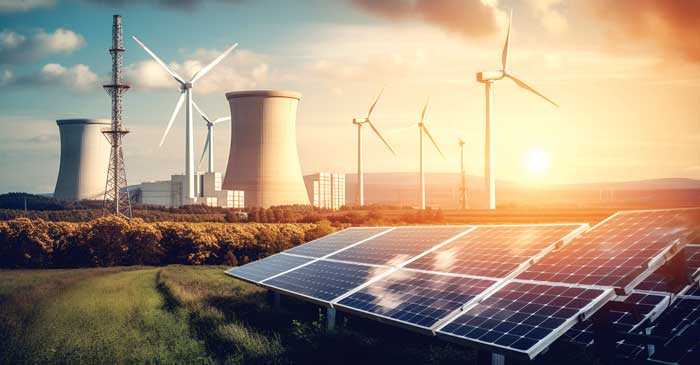
Appropriate sourcing of alternative fuels and raw materials (AFR) has long since been a bone of contention in the cement industry. As net-zero emission becomes a concrete target, every stakeholder in the cement supply chain is exploring green substitutes. Indian Cement Review discovers how collaborative efforts with other industries and innovators is proving to be a boon for the Indian cement sector.

Cement manufacturing is a major contributor to global environmental challenges, primarily due to its significant carbon dioxide (CO2) emissions. The production process is inherently carbon-intensive, involving several stages that each contribute to the overall environmental impact. The primary chemical reaction in cement production is the calcination of limestone (calcium carbonate), which produces lime (calcium oxide) and CO2.
This process alone is responsible for approximately 60 per cent of the total CO2 emissions from cement production. Additionally, high temperatures (around 1450°C) are required in the kilns to facilitate the chemical reactions necessary for clinker formation. This heat is traditionally generated by burning fossil fuels such as coal, petroleum coke, and natural gas, contributing around 30-40 per cent of the CO2 emissions.
At present, the installed capacity of cement in India is 500 MTPA with production of 298 million tonnes per annum. Majority of the cement plants installed capacity (about 35 per cent) is located in the states of south India. In PAT scheme, total installed capacity of cement in India is 325 MTPA, which contributes to 65 per cent coverage of total installed capacity in India. With the increase in growth of infrastructure, the cement production in India is expected to be 800 million tonnes by 2030, according to the Bureau of Energy Efficiency, India.
Moreover, cement manufacturing is energy-intensive, and significant amounts of electricity are consumed during the grinding of raw materials and clinker, as well as in other processes. If the electricity comes from fossil fuel-based sources, it adds to the CO2 footprint. Emissions are also generated from the transportation of raw materials to the plant and the distribution of finished cement products, further contributing to the industry’s overall carbon footprint.
In addition to CO2 emissions, cement plants emit dust and particulate matter, which can cause respiratory problems and other health issues for nearby communities. The combustion process releases nitrogen oxides (NOx) and sulphur oxides (SOx), which contribute to air pollution and acid rain. Large quantities of natural resources, including limestone, clay, and other materials, are extracted, leading to landscape alteration and ecosystem disruption.
According to the World Economic Forum report ‘Net-Zero Industry Tracker 2023’, absolute CO2 emissions declined by less than 1 per cent over the last four years amid increases in global production. Emissions intensity remained static over the same time period despite a 9 per cent rise in the clinker-to-cement ratio. The average ratio is currently
72 per cent, while the proposed GCCA target is 56 per cent. The twin forces of urbanisation and population growth are driving cement consumption in China (51 per cent global demand) and India (9 per cent global demand), which necessitates accelerated action to decarbonise the sector to mitigate the impacts of increased production.
To address these environmental challenges, the cement industry is exploring several mitigation strategies. Utilising biomass, waste-derived fuels, and other renewable energy sources can reduce reliance on fossil fuels and lower CO2 emissions. Incorporating industrial by-products like fly ash and slag can reduce the amount of clinker needed, thereby cutting emissions. Advances in kiln efficiency, carbon capture and storage (CCS), and the development of low-carbon cements are crucial in reducing the industry’s carbon footprint. Implementing energy-efficient practices and technologies throughout the production process can significantly lower overall emissions.
The Ministry of Statistics and Programme Implementation states that there is a high potential for generation of renewable energy from various sources like wind, solar, biomass, small hydro and cogeneration bagasse in India. The total potential for renewable power generation in the country as on 31.03.2023 is estimated at 2,109,654 MW This includes solar power potential of 7,48,990 MW (35.50 per cent), wind power potential of 1,163,856 MW (55.17 per cent) at 150m hub height, large hydro power of 133,410MW (6.32 per cent), SHP (small-hydro power) potential of 21,134 MW (1 per cent), Biomass power of 28,447 MW (1.35 per cent) and 13,818 MW (0.66 per cent) from bagasse-based cogeneration in sugar mills.

AFR – Need of the hour
The urgency of reducing the carbon footprint in cement manufacturing has become a pressing issue due to the industry’s significant contribution to global CO2 emissions. As the world strives to meet climate goals and mitigate the impacts of climate change, there is an increasing demand for more sustainable practices within all sectors, including cement production.
According to an article in the International Journal of Sustainable Engineering, Volume 14, 2021, In 2017, China and India, the world’s biggest producers, together produced 64 per cent of the world’s cement, or 2.61 million tonnes of cement out of 4.05 million tonnes. In 2018, these countries together estimated production of 2.66 million tonnes of the total 4.10 million tonnes, or 65 per cent of the world’s total. In the Middle East, Saudi Arabia, the region’s major cement producer, manufactured 0.47 and 0.45 million tons for 2017 and 2018, respectively. In comparison, in the same years, the United States produced 0.86 and 0.88 million tonnes of cement.
Economic and regulatory pressures further drive the need for alternative fuels and raw materials. Governments and international bodies are implementing stricter environmental regulations and carbon pricing mechanisms to curb greenhouse gas emissions. These policies create financial incentives for companies to reduce their carbon footprint and penalise those that fail to comply. Additionally, consumers and investors are becoming more environmentally conscious, favouring companies that adopt sustainable practices.
Adopting alternative fuels and raw materials offers numerous benefits for the cement industry. Utilising waste-derived fuels and industrial by-products can lower production costs by reducing reliance on expensive fossil fuels and virgin raw materials. This shift not only helps in minimising environmental impact but also supports the circular economy by recycling waste materials. Furthermore, improving energy efficiency and incorporating innovative technologies can enhance the overall competitiveness of cement manufacturers by reducing operational costs and future-proofing against potential regulatory changes.

Anirudh Dani, Manufacturing Head – White Cement Division, JK Cement, states,“Safety and quality are key for co-processing of AFR. We have implemented various key safety initiatives specifically for the handling, storage, feeding, and operational processes related to AFR. We ensure the quality and safety of alternative fuels and raw materials by conducting thorough assessments, adhering to strict handling protocols, providing comprehensive
staff training, and implementing regular monitoring and testing throughout the production process.
We have created dedicated storage with all safety measures to store the AFRs with relevant environmental compliances.”
He adds, “For all AFR, we conduct a comprehensive analysis that includes calorific value, chloride content, proximate and ultimate analysis, major and minor oxides, and heavy metals. To ensure safety, we also perform compatibility tests and flash point analysis. Additionally, for all liquid AFRs, we measure pH and viscosity.”

Technological innovations
Tushar Khandhadia, Senior General Manager – Production, Udaipur Cement Works Limited (UCWL), says, “In general, 65 per cent of CO2 generated during clinker formation is through process emission, which comes from the calcination of limestone and 35 per cent is through burning of fuel. The AFR contributes to reducing the CO2 emitted from fuel combustion. Generally, at every 1 per cent increase in TSR, there is reduction of around 2kg CO2/T of clinker. As there is no substitute to the limestone for the clinker formation, increasing the TSR in clinker formation is the only option to reduce CO2 emission during clinker formation.”


Technological innovations and advanced processes play a crucial role in reducing the environmental impact of cement manufacturing. One key area of progress is advances in kiln technology and fuel efficiency. Modern kilns are designed to operate at higher efficiencies, reducing the amount of fuel required to produce clinker. Innovations such as pre-calciner technology and improved heat recovery systems contribute significantly to lowering energy consumption and CO2 emissions. Additionally, alternative fuels, such as biomass and waste-derived fuels, can be utilised more effectively in these advanced kiln systems.
Carbon capture and storage (CCS) and utilisation (CCU) technologies represent another major technological advancement. CCS involves capturing CO2 emissions from cement plants and storing them underground to prevent their release into the atmosphere. CCU goes a step further by finding ways to use captured CO2 in industrial processes, turning it into useful products like synthetic fuels or construction materials. These technologies have
the potential to drastically reduce the carbon footprint of cement manufacturing, making it a more sustainable industry.
Jigyasa Kishore, Vice President – Enterprise Sales and Solutions, Moglix, says, “Green procurement directly tackles environmental challenges by minimising resource depletion, lowering carbon emissions and protecting ecosystems. Choosing energy-efficient equipment, recycled materials and local suppliers all contribute to a smaller ecological footprint for the business.”

“Green procurement goes beyond the initial purchase. It considers the environmental impact of a product or service throughout its entire life cycle, from raw material extraction and production to use and disposal. Choosing products with recycled content, low energy consumption and easy end-of-life disassembly or recycling options is imperative to make sure that sustainability is built into the entire product journey rather than just the initial stage. Evaluation tools such as Life cycle sustainability assessment (LCSA) can help assess a product’s environmental, social and economic impacts through out its life cycle, from raw materials to disposal,” she adds.
The development of low-clinker and low-carbon cements is also a significant area of innovation. Traditional Portland cement relies heavily on clinker, whose production is highly carbon-intensive. By reducing the clinker content and incorporating alternative materials such as fly ash, slag and pozzolans, manufacturers can produce cements with a much lower environmental impact. Additionally, new formulations of low-carbon cements are being developed that minimise CO2 emissions during production and enhance the durability and performance of concrete.

Implications of AFR
The use of alternative fuels and raw materials in cement manufacturing has significant implications for productivity, cost efficiency, and financial viability. These alternatives can enhance the overall sustainability and economic performance of cement plants.
Radhika Choudary, Co-Founder, Freyr Energy, says, “The average operational expenses towards electricity and fuel for the cement industry ranges between 20 per cent to 30 per cent. By transitioning to solar energy, companies can notably slash these expenses, fostering improved cash flows while demonstrating environmental responsibility. Our customers, who have chosen to go solar, have not only enhanced financial viability but also earned accolades from customers for sustainable practices Commercial and industrial customers can have an ROI of 35 per cent to 40 per cent on their solar asset investment, which means a breakeven period of less than three years, which can be further expedited by leveraging tax benefits. Overall, our energy solutions not only reduce manufacturing costs but also bolster sustainability efforts, leading to enhanced profitability and market competitiveness for our clients.”

Cost efficiency
Alternative fuels and raw materials often come with cost advantages. Waste-derived fuels and industrial by-products are typically less expensive than traditional fossil fuels and virgin raw materials. By reducing reliance on costly conventional fuels, cement plants can achieve substantial savings in fuel expenses. Moreover, utilising local waste materials can lower transportation costs and reduce supply chain disruptions. Enhanced energy efficiency and optimised resource use further contribute to reducing operational costs, making the overall production process more cost-effective.

Economic viability
The financial viability of cement manufacturing is strengthened through the adoption of alternative fuels and raw materials. By diversifying energy and material sources, plants can mitigate the risks associated with price volatility in fossil fuels and raw materials markets. Additionally, many governments offer incentives, subsidies and tax benefits for adopting sustainable practices, which can improve the financial performance of cement plants. Investments in technologies that facilitate the use of alternative fuels and raw materials can yield long-term returns by enhancing competitiveness, reducing environmental compliance costs, and positioning the company as a leader in sustainability.
The use of alternative fuels and raw materials in cement manufacturing enhances productivity, cost efficiency and financial viability. By leveraging these alternatives, cement plants can achieve better operational performance, lower production costs and secure a sustainable economic future.

Conclusion
Incorporating alternative fuels and raw materials in cement manufacturing offers significant benefits in terms of productivity, cost efficiency, and financial viability. Advances in kiln technology and process optimisations enable the efficient use of alternative fuels without compromising product quality, enhancing overall productivity. These improvements not only enhance the economic performance of cement plants but also contribute to a more sustainable and environmentally responsible industry. As the cement industry continues to innovate and embrace these alternatives, it moves closer to achieving long-term sustainability and reduced carbon footprints, ensuring a resilient and economically viable future.

– Kanika Mathur

Concrete

Filtration Technology is Critical for Efficient Logistics

Published

on

By

Shares

Niranjan Kirloskar, MD, Fleetguard Filters, makes the case that filtration technology, which has been long treated as a routine consumable, is in fact a strategic performance enabler across every stage of cement production and logistics.

India’s cement industry forms the core for infrastructure growth of the country. With an expected compound annual growth rate of six to eight per cent, India has secured its position as the second-largest cement producer globally. This growth is a result of the increasing demand across, resulting in capacity expansion. Consequently, cement manufacturers are now also focusing on running the factories as efficiently as possible to stay competitive and profitable.
While a large portion of focus still remains on production technologies and capacity utilisation, the hidden factor in profitability is the efficiency of cement logistics. The logistics alone account for nearly 30 per cent to 40 per cent of the total cost of cement, making efficiency in this segment a key lever for profitability and reliability.
In the midst of this complex and high-intensity ecosystem, filtration often remains one of the most underappreciated yet essential enablers of performance.

A demanding operational landscape
Cement production and logistics inherently operate in some of the harshest industrial environments. With processes such as quarrying, crushing, grinding, clinker production, and bulk material handling expose the machinery to constant high temperatures, heavy loads, and dust, often the silent destructive force for engines.
The ecosystem is abrasive, and often one with a high contamination index. These challenging conditions demand equipment such as the excavators, crushers, compressors, and transport vehicles to perform and perform efficiently. The continuous exposure to contamination across every aspect like air, fuel, lubrication, and even hydraulic systems causes long-term damage. Studies have also shown that 70 to 80 per cent of hydraulic system failures are directly linked to contamination, while primary cause of engine wear is inadequate air filtration.
For engines as heavy as these, even a minor contaminant has a cascading effect; reducing efficiency, performance and culminating to unplanned downtime. Particles as small as 5 to 10 microns, far smaller than a human hair (~70 microns), can cause significant damage to critical engine components. In an industry where margins are closely linked to operational efficiency, such disruptions can significantly affect both cost structures and delivery timelines.

Dust management: A persistent challenge
Dust is a natural by-product in cement operations. From drilling and blasting in the quarries to packing in plants, this fine particulate matter does occupy a large space in operations. Dust concentration levels in quarry and crushing zones often create extremely high particulate exposure for equipment. These fine particles, when enter the engines and critical systems, accelerates the wear and tear of the component, affecting directly the operational efficiency. Over time every block fall; engine performance declines, fuel consumption rises, and maintenance cycles shorten. In this case, effective air filtration is the natural first line of defence. Advanced filtration systems are designed to capture high volumes of particulate matter while maintaining consistent airflow, ensuring that engines and equipment operate under optimal conditions.
In high-dust applications, as in cement production, even the filtration systems are expected to sustain performance over extended periods without the need of frequent replacement. This becomes crucial in remote quarry locations where access to frequent maintenance may be limited.

Fluid cleanliness and system integrity
Beyond air filtration, fluid systems also play a crucial role for equipment reliability in cement operations. Fuel systems are required to remain free from contaminants for efficient working of combustion and injection protection. Additionally, lubrication systems also need to maintain the oil purity to reduce friction and prevent any premature wear of moving parts. The hydraulic systems, which are key to several heavy equipment operations, are especially sensitive to contamination.
If fine particles or water enters these systems, it can lead to reduced efficiency, erratic performance, and eventual failure of the system. Modern filtration systems are designed with high-efficiency media capable of removing extremely fine contaminants, with advanced fuel and oil filtration solutions filtering particles as small as two to five microns. Multi-stage filtration systems further ensure that fluid performance is maintained even under challenging operating conditions.
Another critical aspect of fuel systems is water separation. Removing moisture helps prevent corrosion, improves combustion efficiency and enhances overall engine reliability. Modern water separation technologies can achieve over 95 per cent efficiency in removing water from fuel systems.

Ensuring reliability across the value chain
Filtration plays a critical role across every stage of cement logistics:
• Quarry operations: Equipment operates in highly abrasive environments, requiring strong protection against dust ingress and hydraulic contamination.
• Processing units: Crushers, kilns, and grinding mills depend on clean lubrication and cooling systems to sustain continuous operations.
• Material handling systems: Pneumatic and mechanical systems rely on clean air and fluid systems for efficiency and reliability.
• Transportation networks: Bulk carriers and trucks must maintain engine health and fuel efficiency to ensure timely deliveries.
Across these operations, filtration plays a vital role; as it supports consistent equipment performance while reducing the risk of unexpected failures.
Effective filtration solutions can reduce unscheduled equipment failures by 30 to 50 per cent across heavy-duty operations.

Uptime as a strategic imperative
In cement manufacturing, uptime is currency. Downtime not only delays the production, but it also greatly impacts the supply commitments and logistics planning. With the right filtration systems, contaminants are kept at bay from entering the
critical systems, and they also significantly extend the service intervals.
Optimised filtration can extend service intervals by 20 to 40 per cent, reducing maintenance frequency while maintaining consistent performance across demanding operating conditions. Filtration systems designed for heavy-duty applications sustain efficiency throughout their lifecycle, ensuring reliable protection with minimal interruptions. This leads to improved equipment availability, lower maintenance costs, and more predictable operations, with well-maintained systems capable of achieving uptime levels of over 90 to 95 per cent in challenging cement environments.

Supporting emission and sustainability goals
With the rising environmental awareness, the cement industry too is aligning with the stricter norms and sustainability targets. In this scenario, the operational efficiency is directly linked to emission control.

Air and fuel systems that are clean enable
much more efficient combustion. They also reduce emissions from both the stationary equipment and transport fleets. Similarly, with a well-maintained fluid cleanliness, emission systems function better. Poor combustion due to contamination can increase emissions by 5 to 10 per cent, making clean systems critical for compliance.
Additionally, efficient and longer lasting filtration systems significantly reduce any waste generation and contribute to increased sustainable maintenance practices. Extended-life filtration solutions can reduce filter disposal and maintenance waste by 15 to 20 per cent. Smart and efficient filtration in this case plays an important role in meeting the both regulatory and environmental objectives within the industry.

Advancements in filtration technology
Over the years, there has been a significant evolution in the filtration technology to meet the modern industrial applications.
Key developments include:
• High-efficiency filtration media capable of capturing very fine particles without restricting flow
• Compact and integrated designs that combine multiple filtration functions
• Extended service life solutions that reduce replacement frequency and maintenance downtime
• Application-specific engineering tailored to different stages of cement operations
Modern multi-layer filtration media can improve dust-holding capacity by up to two to three times compared to conventional systems, while maintaining consistent performance. These advancements have transformed filtration from a basic maintenance component into a critical performance system.

Adapting to diverse operating conditions
The cement industry of India operates across diverse geographies. Spanning across regions with arid regions with higher dust levels, to the coastal areas with higher humidity, challenges of each region pose different threats to the engines. Modern filtration systems are thus tailored to address these unique challenges of each region.
Indian operating environments often range from 0°C to over 50°C, with some of the highest dust loads globally in mining zones.
Additionally, filtration technology can also be customised to variations which then align the system design with factors like dust load, temperature, and equipment usage patterns. Equipment utilisation levels in India are typically higher than global averages, making robust filtration even more critical. This approach ensures optimal performance and durability across different operational contexts.

Impact on total cost of ownership
Filtration has a direct and measurable impact on the total cost of ownership of equipment.
Effective filtration leads to:
• Lower wear and tear on critical components
• Reduced maintenance and repair costs
• Improved fuel efficiency
• Extended equipment life
• Higher operational uptime
Effective filtration can extend engine life by 20 to 30 per cent and reduce overall maintenance costs by 15 to 25 per cent over the equipment lifecycle. These benefits collectively enhance productivity and reduce lifecycle costs. Conversely, inadequate filtration can result in frequent breakdowns, increased maintenance expenditure, and reduced asset utilisation.

Building a more efficient cement ecosystem
With the rising demand across various sectors, the cement industry is expected to expand at an unprecedented rate. This growth is forcing the production to move towards a more efficient and resilient system of operations. This requires attention not only to production technologies but also to the supporting systems that enable consistent performance. Filtration must be viewed as a strategic investment rather than a routine consumable. By ensuring the cleanliness of air and fluids across systems, it supports reliability, efficiency, and sustainability.

The road ahead
The future of cement logistics will be shaped by increasing mechanisation, digital monitoring, and stricter environmental standards. The industry is also witnessing a shift towards predictive maintenance and condition monitoring, where filtration performance is increasingly integrated with real-time equipment diagnostics.
In this evolving landscape, the role of filtration will become even more critical. As equipment becomes more advanced and operating conditions more demanding, the need for precise contamination control will continue to grow. From quarry to construction site, filtration technology underpins the performance of every critical system. It enables equipment to operate efficiently, reduces operational risks, and supports the industry’s broader goals of growth and sustainability. In many ways, it is the unseen force that keeps the cement ecosystem moving, quietly ensuring that every link in the value chain performs as expected.

About the author
Niranjan Kirloskar, Managing Director, Fleetguard Filters, is focused on driving innovation, operational excellence, and long-term business growth through strategic and people-centric leadership. With a strong foundation in ethics and forward-thinking decision-making, he champions a culture of collaboration, accountability, and technological advancement.

Continue Reading

Concrete

Cement’s Next Fuel Shift

Published

on

By

Shares

Jignesh Kindaria highlights how Thermal Substitution Rate (TSR) is emerging as a critical lever for cost savings, decarbonisation and competitive advantage in the cement industry.

India is simultaneously grappling with two crises: a mounting waste emergency and an urgent need to decarbonise its most carbon-intensive industries. The cement sector, the second-largest in the world and the backbone of the nation’s infrastructure ambitions, sits at the centre of both. It consumes enormous quantities of fossil fuel, and it has the technical capacity to consume something else entirely: the waste our cities cannot get rid of.
According to CPCB and NITI Aayog projections, India generates approximately 62.4 million tonnes of municipal solid waste annually, with that figure expected to reach 165 million tonnes by 2030. Much of this waste is energy-rich and non-recyclable. At the same time, cement kilns operate at material temperatures of approximately 1,450 degrees Celsius, with gas temperatures reaching 2,000 degrees. This high-temperature environment is ideal for co-processing, ensuring the complete thermal destruction of organic compounds without generating toxic residues. The physics are in our favour. The infrastructure is not.
Pre-processing is not the support act for co-processing. It is the main event. Get the particle size wrong, get the moisture wrong, get the calorific value wrong and your kiln thermal stability will suffer the consequences.

The regulatory push is real
The Solid Waste Management (SWM) Rules 2026 mandate that cement plants progressively replace solid fossil fuels with Refuse-Derived Fuel (RDF), starting at a 5 per cent baseline and scaling to 15 per cent within six years. NITI Aayog’s 2026 Roadmap for Cement Sector Decarbonisation targets 20 to 25 per cent Thermal Substitution Rate (TSR) by 2030. Beyond compliance, every tonne of coal replaced by RDF generates measurable carbon reductions which is monetisable under India’s emerging Carbon Credit Trading Scheme (CCTS). TSR is no longer a sustainability metric. It is a financial lever.
Yet our own field assessments across multiple Indian cement plants reveal a sobering reality: the primary barrier to scaling AFR adoption is not waste availability. It is the fragmented and under-engineered pre-processing ecosystem that sits between the waste and the kiln.

Why Indian waste is a different engineering problem
Indian municipal solid waste is not the material that imported shredding equipment was designed for. Our waste streams frequently exceed 40 per cent to 50 per cent moisture content, particularly during monsoon cycles, saturated with abrasive inerts including sand, glass, and stone. Plants relying on imported OEM equipment face months of downtime awaiting proprietary spare parts. Machines built for segregated, low-moisture waste fail quickly and disrupt the entire pre-processing operation in Indian conditions.
The two most common failures we observe are what I call the biting teeth problem and the chewing teeth problem. Plants relying solely on a primary shredder reduce bulk waste to large fractions, but the output remains too coarse for stable kiln combustion. Others attempt to use a secondary shredder as a standalone unit without a primary stage to pre-size the feed, leading to catastrophic mechanical failure. When both stages are present but mismatched in throughput capacity, the system becomes a bottleneck. Achieving the 40 to 70 tonnes per hour required for meaningful coal displacement demands a precisely coordinated two-stage process.

Engineering a made-in-India answer
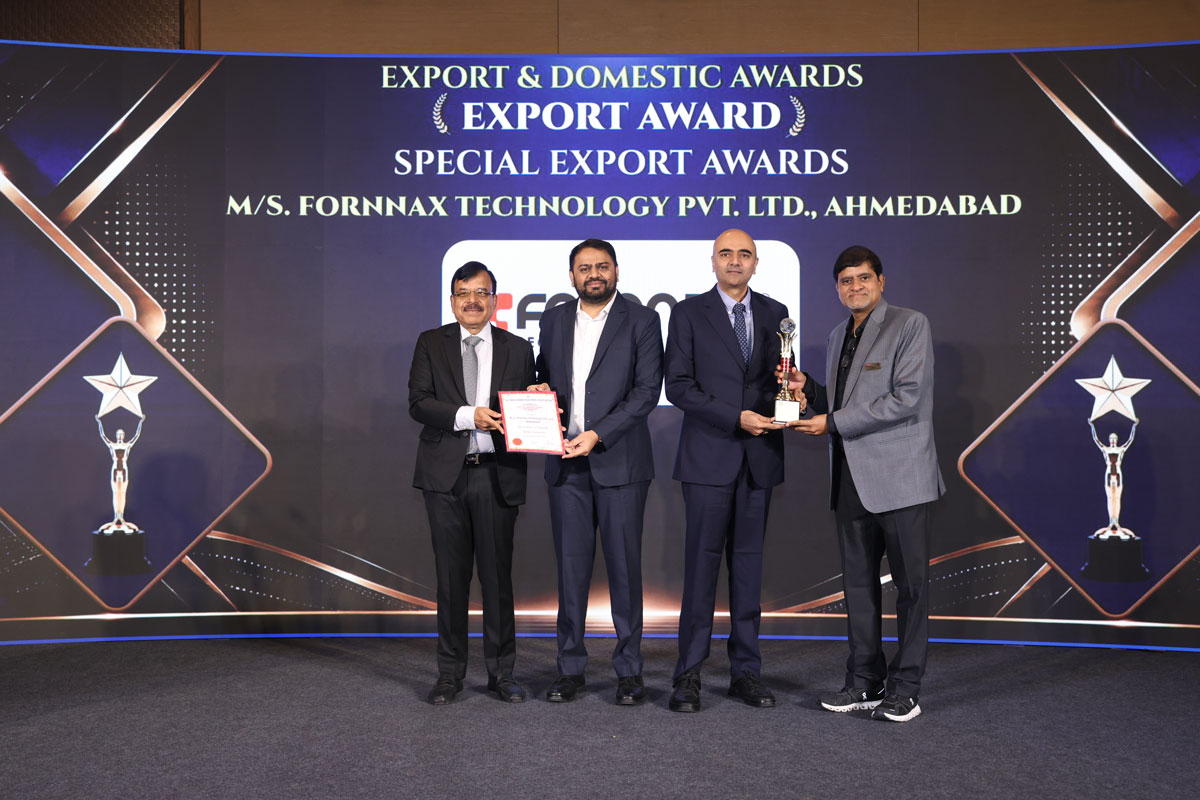
At Fornnax, our response to these challenges is grounded in one principle: Indian waste demands Indian engineering. Our systems are built around feedstock homogeneity, the holy grail of kiln stability. Consistent particle size and predictable calorific value are the foundation of stable kiln combustion. Without them, no TSR target is achievable at scale.
Our SR-MAX2500 Dual Shaft Primary Shredder (Hydraulic Drive) processes raw, baled, or loosely mixed MSW, C&I waste, bulky waste, and plastics, reducing them to approximately 150 mm fractions at throughputs of up to 40 tonnes per hour. The R-MAX 3300 Single Shaft Secondary Shredder (Hydraulic Drive), introduced in 2025, takes that primary output and produces RDF fractions in the 30 to 80 mm range at up to 30 tonnes per hour, specifically optimised for consistent kiln feeding. We have also introduced electric drive configurations under the SR-100 HD series, with capacities between 5 and 40 tonnes per hour, already operational at a leading Indian waste-processing facility.
Looking ahead, Fornnax is expanding its portfolio with the upcoming SR-MAX3600 Hydraulic Drive primary shredder at up to 70 tonnes per hour and the R-MAX2100 Hydraulic drive secondary shredder at up to 20 tonnes per hour, designed specifically for the large-scale throughput that higher TSR ambitions require.

The investment case is now
The 2070 Net-Zero target is not a distant goal for India’s cement sector. It starts today, with decisions being made on the plant floor.
The SWM Rules 2026 are already in effect, requiring cement plants to replace coal with RDF. Carbon credit markets are opening up, and coal prices are not going to get cheaper. Every tonne of coal a cement plant replaces with waste-derived fuel saves money on one side and generates carbon credit revenue on the other. Pre-processing infrastructure is no longer just a compliance requirement. It is a business investment with a measurable return.
The good news is that nothing is missing. The technology works. The waste is available in every Indian city. The government has provided the policy direction. The only thing standing between where the industry is today and where it needs to be is the commitment to build the right infrastructure.
The cement companies that move now will not just meet the regulations. They will be ahead of every competitor that waits.

About the author
Jignesh Kundaria is the Director and CEO of Fornnax Technology. Over an experience spanning more than two decades in the recycling industry, he has established himself as one of India’s foremost voices on waste-to-fuel technology and alternative fuel infrastructure.

Continue Reading

Concrete

Dalmia Bharat Cement launches water repellent cement brand Weather 365 in Eastern India

Published

on

By

Shares

The company has introduced water repellent cement to target rising consumer demand for weather-resilient housing solutions.

New Delhi, May 15, 2026

Dalmia Bharat Cement, one of India’s leading cement manufacturing companies, has launched Weather 365, a new super-premium water repellent cement brand aimed at addressing growing consumer demand for durable, weather-resistant construction materials in Eastern India. The product is positioned as a high-performance offering for consumers seeking long-term protection against seepage, dampness and moisture damage. The launch marks a strategic push by Dalmia Bharat Cement into the fast-growing premium cement segment, where consumer preference is increasingly shifting from price-led purchases to specialised, performance-oriented building materials.

Reinforcing its super-premium positioning, the product will be available in premium-quality water-resistant and tamper-proof BOPP packaging. ‘Weather 365’ will be introduced across its retail markets in West Bengal and Bihar.

In addition to the product rollout, the company will provide on-site technical support through its engineering and technical services teams to guide customers on best construction practices and improve long-term building performance.

Speaking on the launch, company spokesperson from Dalmia Bharat Cement said: “Weather 365 is a testament to Dalmia Bharat Cement’s relentless pursuit of innovation. Eastern India experiences prolonged monsoons, high humidity and challenging weather conditions that significantly impact the life of buildings and homes. Consumers today are actively looking for solutions that offer long-term protection and lower maintenance costs. Weather 365 is our answer to that need – a differentiated premium product that combines structural strength with advanced moisture protection that safeguards homes at every level, every season. We believe this category will see strong growth in the coming years.”

Weather 365 is a specialised cement product developed to meet the rigorous demands of modern construction in regions exposed to high humidity, heavy rainfall and extreme weather cycles. Designed for roofs, columns and foundations, it delivers end-to-end moisture protection across the entire home from the structure’s core to its visible surfaces. Its proprietary uniform water repellent technology helps reduce water penetration, minimize steel corrosion in RCC structures while preventing efflorescence and damp patches, thereby ensuring stronger concrete, improved paint life and long-lasting structural health. Positioned as a super-premium product in Dalmia Bharat Cement’s portfolio, Weather 365 targets discerning homeowners, contractors and builders who seek the best-in-class protection for their construction investments.

With a strong manufacturing and market presence across Eastern India, Dalmia Bharat Cement continues to strengthen its footprint in one of its key strategic markets. As the company advances towards its vision of becoming a pan-India cement leader, it remains focused on delivering innovative, premium construction solutions tailored to evolving consumer needs.

Dalmia Bharat Cement, a subsidiary of Dalmia Bharat Limited, is a leading player in the cement manufacturing segment and has been in existence since 1939. It is the first cement company to commit to RE100, EP100 & EV100 (first triple joiner) – showing real business leadership in the clean energy transition by taking a joined-up approach. With a growing capacity, currently pegged at 49.5 million tonne, Dalmia Bharat Cement is the fourth-largest cement manufacturing group in India by installed capacity. Spread across ten states and fifteen manufacturing units, the company is a category leader in super-specialist cement used for oil well, railway sleepers and airstrips and is the country’s largest producer of Portland Slag Cement (PSC).

Continue Reading

Video Thumbnail

    SIGN-UP FOR OUR GENERAL NEWSLETTER


    Trending News

    SUBSCRIBE TO THE NEWSLETTER


    Don't miss out on valuable insights and opportunities to connect with like minded professionals.


      This will close in 0 seconds