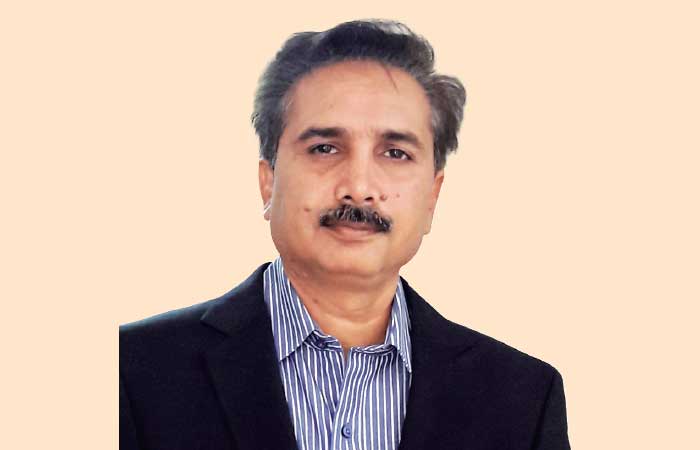
Rajender Sharma, Vice President – Process, Wonder Cement, talks about leveraging alternative raw materials, fuels and advanced technologies to reduce carbon emissions and marching towards net zero goals.
What is the current sentiment in the cement industry about going green?
In recent years, there has been a significant shift in the sentiment within the cement industry towards embracing sustainability and going green. With growing awareness of environmental concerns and the urgent need to mitigate climate change, cement manufacturers worldwide are increasingly focusing on eco-friendly practices and innovations to reduce carbon emissions and environmental footprint.
Tell us about the key alternative raw materials used for the manufacturing of green cement?
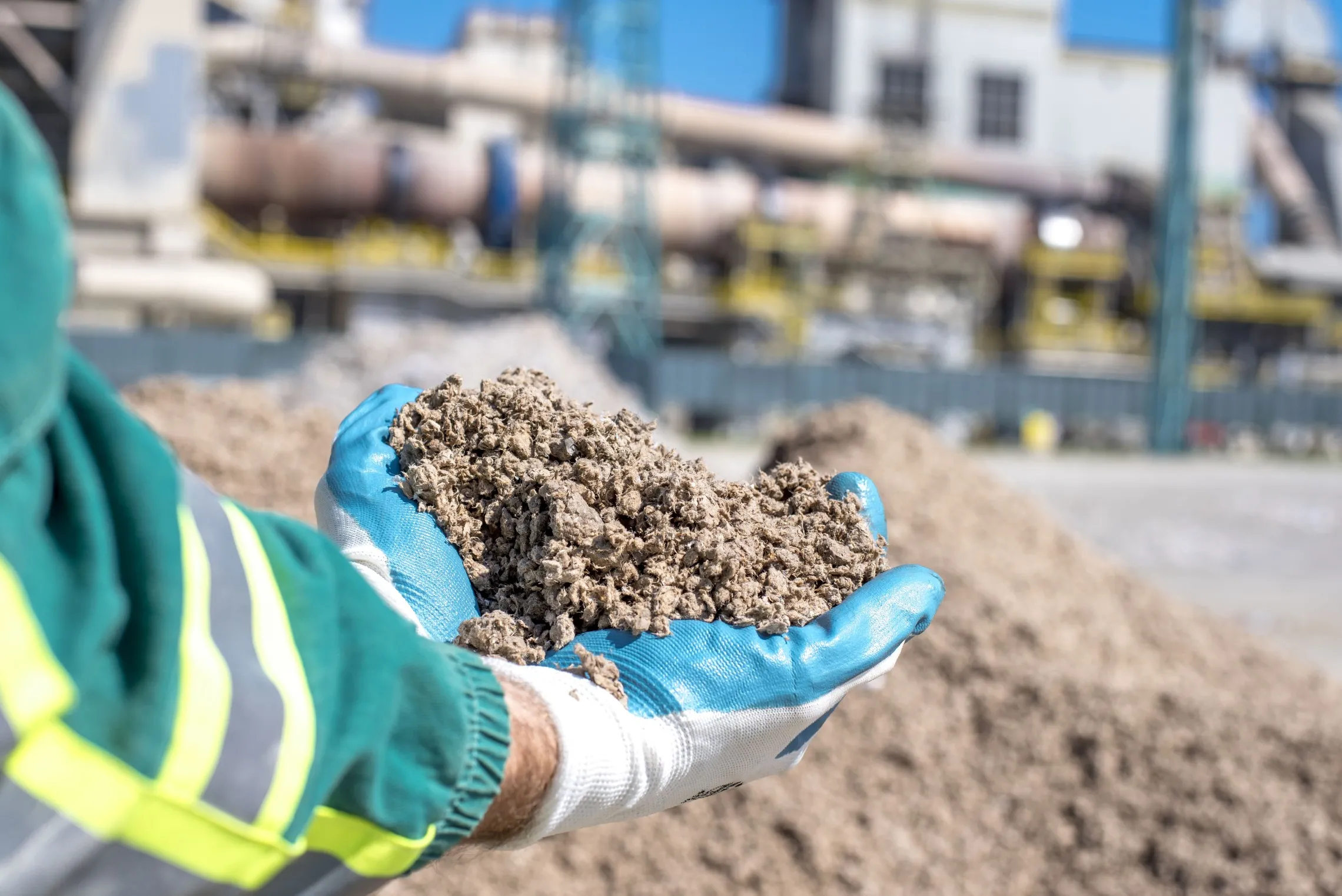
Key alternative raw materials used for manufacturing green cement include industrial by-products such as fly ash, slag and silica fume. These materials not only reduce the consumption of traditional raw materials like limestone and clay but also help in lowering carbon emissions during the production process.
Fuel plays an important role in the green initiative of the cement industry. How does the use of alternative fuels impact the productivity and efficiency of the manufacturing process?
The use of alternative fuels, such as biomass, waste-derived fuels and alternative fossil fuels, significantly contribute to the green initiative of the cement industry by reducing dependency on fossil fuels and decreasing carbon emissions. While initially, there may be some adjustments required in manufacturing processes, the long-term benefits include improved productivity, enhanced energy efficiency and reduced environmental impact.
Tell us about the cement blends or products from your organisation that are lower in their carbon content.
At Wonder Cement, we are committed to producing cement blends and products that are not only high-quality but also environmentally sustainable. Our range of low-carbon cement blends includes products formulated with a higher percentage of supplementary cementitious materials, such as fly ash and conditioned fly ash, resulting in a reduced carbon footprint compared to traditional cement products.
Tell us about your net zero goals. How much have you achieved so far?
Wonder Cement has set ambitious net zero goals to minimise carbon emissions across our operations. While we have made significant progress in reducing our carbon footprint through various initiatives and investments in sustainable technologies, we continue to strive towards achieving our ultimate goal of becoming carbon-neutral.
How do you incorporate sustainability into your cement manufacturing process?
Sustainability is at the core of our cement manufacturing process at Wonder Cement. We incorporate sustainable practices such as optimising energy consumption, utilising alternative raw materials and fuels, implementing advanced emission control technologies, and promoting circular economy principles to minimise waste generation and environmental impact.
Can the incorporation of automation and technology further the green initiative of the cement industry?
Absolutely. The incorporation of automation and advanced technology in cement manufacturing not only enhances operational efficiency and product quality but also facilitates the adoption of sustainable practices. Automation enables real-time monitoring and optimisation of processes, leading to reduced energy consumption, lower emissions and overall environmental sustainability.
What are the major challenges in reducing the carbon content of cement manufacturing, and how can they be resolved?
One of the major challenges in reducing the carbon content of cement manufacturing is the industry’s reliance on traditional production methods and raw materials. However, with continuous research and development, along with investments in innovative technologies and alternative materials, such as carbon capture and utilisation, the cement industry can overcome these challenges and transition towards greener and more sustainable production practices.
How do you measure the impact of your green cement on the environment and society?
At Wonder Cement, we employ rigorous monitoring and assessment processes to measure the environmental and social impact of our green cement products. This includes evaluating factors such as carbon emissions, resource utilisation, community engagement, and stakeholder feedback. We continuously
strive to improve the sustainability of our products through innovation, research, and collaboration with industry partners and experts. Our commitment to sustainability extends beyond compliance, as we aim to create lasting positive impacts on the environment and society.
As a responsible player in the cement industry, Wonder Cement remains steadfast in its dedication to sustainable practices, innovation, and environmental stewardship. Our journey towards a greener future is ongoing, and we are proud to lead by example in shaping a more sustainable cement industry for generations to come. By prioritising sustainability, innovation, and collaboration, Wonder Cement is committed to leading the transition towards a greener and more sustainable cement industry.











 Concrete4 weeks ago
 Concrete1 month ago
 Concrete4 weeks ago
 Concrete4 weeks ago