

Concrete
Decarbonising Cement


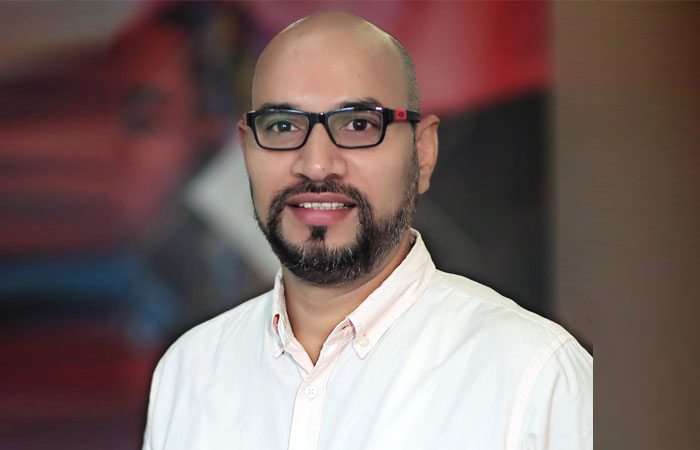
S K Rathore, Head Manufacturing – Grey Cement, J K Cement, gives a 360-degree overview of making cement manufacturing a sustainable activity and resolving environmental issues arising out of it.
The Indian cement industry is the second largest producer of cement with around 8 per cent of global cement capacity. It is one of the major contributors to the GDP of the country. The Indian cement sector is one of the most energy-efficient sectors in our country. It has adopted various new practices for improving energy efficiency, environmental performance and cost competitiveness but still has a long way to go to achieve the global targets on carbon footprint reduction.
At JK Cement Ltd (JKCL), they are at the forefront of their sustainability journey. Their progress is on the right speed to achieve their alignment with cement sectors Sustainable Development Goals (SDG). To meet global SDG, they are working on various levels, which include improving energy efficiency, green power, circular economy, clinker factor/blended cement, water footprint and biodiversity.
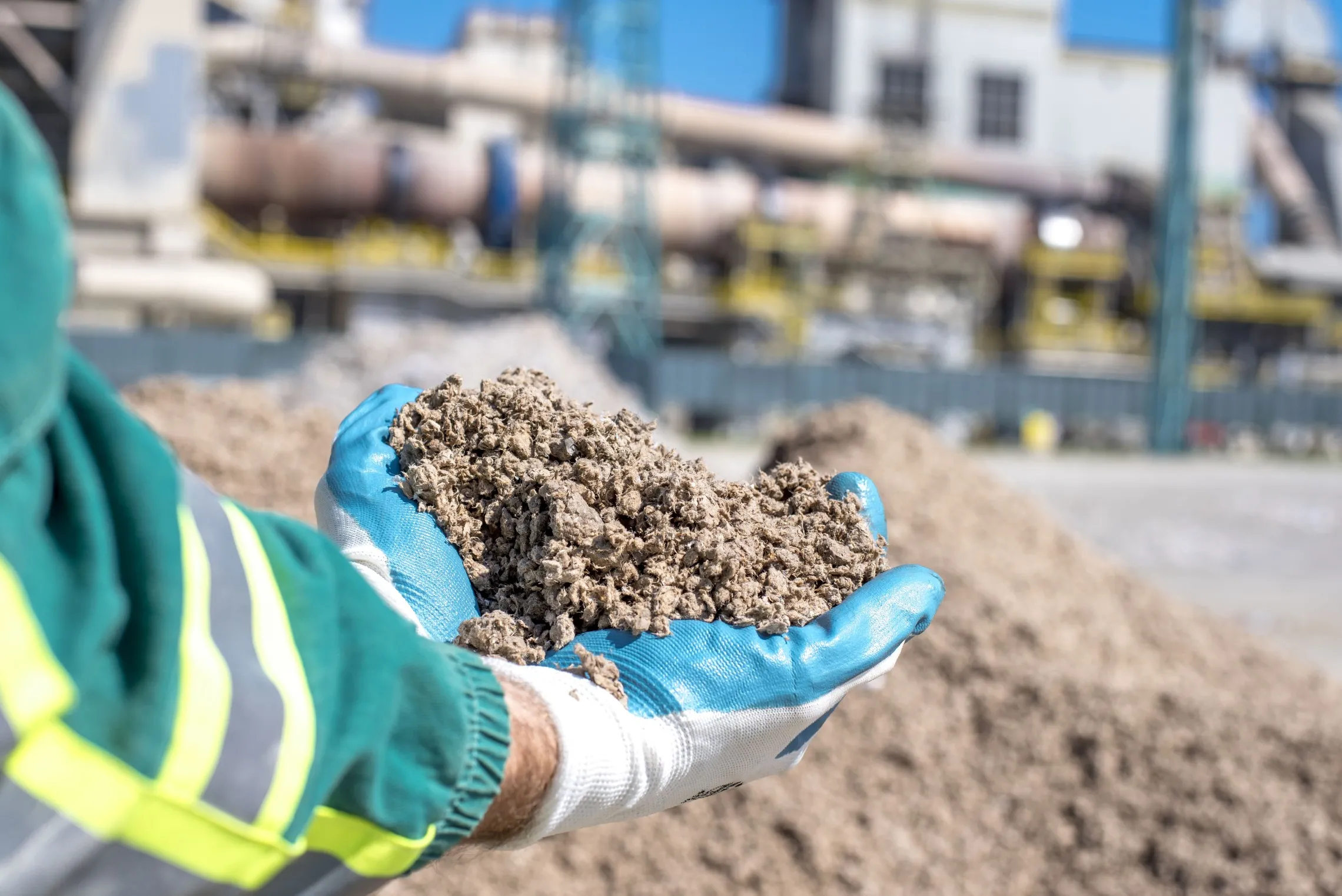
For the circular economy, JKCL has adopted an environmentally friendly way by disposing of the waste and hazardous waste in cement kilns to replace fossil fuel. For conservation of natural resources, JKCL is using various industrial waste such as fly ash and slag as alternative raw materials.
Circular Economy
A circular economy is a suitable and environmentally friendly way to dispose of the waste and hazardous waste in cement kilns, which replaces fossil fuel.
All their cement kilns are equipped with state-of-the-art pre-processing and feeding of a wide range of liquid and solid waste materials in the calciner. They have increased their Thermal Substitution Rate (TSR) from 6 per cent 2017-18 to 12.9 per cent till YTD FY 2023 and aim to reach 35 per cent by FY30. One of their plants in the state of Karnataka is currently using around 18 per cent Alternative Fuel and Raw Materials (AFR). Recently the company has signed a MoU with PRESPL for the supply of biofuel, biomass to achieve the TSR target.
To strengthen the existing AFR feeding system and to overcome the process challenges, the company is investing in advanced pre-processing and feeding facilities, and in chloride bypass systems to utilise all types of waste including hazardous waste. The company has installed a state-of-the-art R&D lab across all the sites to check the compatibility of waste and
process stabilisation.

They are increasing the share of blended cement by the use of industrial waste such as fly ash and slag as alternative raw materials. As of now the company has achieved a clinker factor of 65 per cent by Q2 FY23, and achieved the target set for FY 2030 under SBTi by company.

Advanced processes are the key to manufacturing green cement as a carbon-negative approach is required to achieve this.
Reducing the Carbon Footprint
Cement being an energy-intensive sector and major contributor to CO2 emissions needs to take major steps to reduce its carbon footprint.
The major GHG emissions are released during clinker production. To achieve their targets, the company is closely monitoring and putting efforts to decarbonise their operations according to the United Nations Framework Convention on Climate Change (UNFCC) campaign’s Race to Zero pledged by the company under the egis of GCCA. In their 2030 agenda, they have targeted to reduce gross carbon emissions from 680 kg CO2/t cement to 532 kg CO2/t cement and net carbon emissions (Scope 1) from base year FY20 level of 580 to 465 kg CO2/t cement.
In the last three years, JKCL has reduced gross GHG emission by 16.62 per cent to 567 kgCO2/t cementitious material and net Scope-1 emission by 10 per cent to 522 kgCO2/t cementitious material till FY2023 Q3.
Role of Automation
JK Cement’s primary focus is on improving energy efficiency and lowering fuel consumption and emissions. By optimising the performance of process control loops, significant energy efficiency can be achieved at a minimal cost, to start with. A process loop optimiser with an AI-based module also helps to optimise fuel use by minimising operational disturbances resulting in decreased carbon emissions. The future bucket list of decarbonisation phases includes AFR gasification, CO2 capturing and upcycling.

Business sustainability is directly linked to automating the cement process and so is the same for JK Cement, too. They have recently developed an AI-based WHRS efficiency enhancement model, and the AI module predicts and makes suggestions to optimise cooler operation for effective and economic solutions for WHRs.
Spreading Awareness
Structured programmes and awareness campaigns for increasing awareness on sustainability are offered to the employees in order to help build world-class competencies and skills. Corporate Sustainability Council is formed, with representation from plant and functional heads, which is working for implementation of sustainability initiatives across the organisation. It plays a major role in developing sustainability awareness and is responsible for communication, reporting and alignment with the global best practices. The Council also facilitates sustainability audits, participating in environmental and social events, while providing relevant information and disclosures to the stakeholders as well as sustainability rating bodies.
The corporate sustainability team monitors climate-related interventions across the organisation, collects and monitors sustainability data and reports to the Corporate Sustainability Council.
Cement is a key ingredient for the development of our cities and societies: construction material is responsible for putting roofs over the heads of billions. As the backbone of the housing and infrastructure sector, it also fuels widespread economic growth but at same time produces a lot of CO2 and it is a hard-to-abate sector from an environmental point of view as the main process itself generates CO2 apart from use of energy in other forms.

India’s infrastructure and urban growth will bring the necessary impetus for innovation in green cement and related technologies
About 40 percent of the emissions come from fossil-fuel combustion and the rest from chemical reactions inherent to the cement making process. It’s a challenge to 100 per cent replacement of fossil fuel by AFR as the quality of AFR available in India is inconsistent.
Scarcity of good quality Secondary Cementitious Material (SCM) due to global switching to renewable energy from fossil fuel based power plants is going to be a major challenge to reduce clinker factor. It is resulting in the need to explore alternative SCMs like good quality clay sources to produce the under development LC3 cement in future and acceptance in the market.
The Future of ‘Green Cement’
India is a growing country with a plethora of construction prospects, which drives cement consumption. Green cement has a promising future in India, if the supply-demand cycle is balanced while maintaining environmental standards.

It is estimated that the cement industry contributes 8 per cent of the total CO2 emissions. To cut down on future emissions, green cement is one such innovation in the cement industry. The green cement is manufactured with a net carbon-negative, technologically advanced process. It is environmentally friendly since it recycles industrial waste and decreases carbon dioxide emissions in total. At the moment, blended cements account for 73 per cent of total cement production, while ordinary Portland cement accounts for 27 per cent. There are several BIS standards under development related to green cement, e.g., Portland limestone cement (PLC), Limestone Calcined Clay Cement (LC3), and Portland Composite Cement (limestone-based), which will be great alternatives to eliminate production of Ordinary Portland Cement.
By using green cement and concrete, CO2 emissions can be reduced further. Also, it reduces the use of freshwater in ready-mix concrete. Eco-friendly products are the need of the hour and will help the cement industry resolve environmental issues.
ABOUT THE AUTHOR:
S K Rathore, BE(Mech), PGDM, has been associated with JKCement for almost 40 years. Throughout his stint with the organisation, he has worked in all technical and operational areas of manufacturing plants. He has contributed immensely to plant operations for stabilisation and improvements with consistent efficient performance.










JSW Cement Commissions 1 MTPA Unit in Rajasthan

Wonder Cement appoints Mahesh Singh as VP Corporate Brand Communication

JSW Cement commissions additional 1 MTPA grinding unit in Rajasthan

JSW Cement Boards Approve Proposed Shiva Cement Merger

JSW Cement commissions additional 1 MTPA grinding unit at Nagaur
JSW Cement Commissions 1 MTPA Unit in Rajasthan
Wonder Cement appoints Mahesh Singh as VP Corporate Brand Communication
JSW Cement commissions additional 1 MTPA grinding unit in Rajasthan
JSW Cement Boards Approve Proposed Shiva Cement Merger
JSW Cement commissions additional 1 MTPA grinding unit at Nagaur
-
 Concrete1 month ago
Aditya Birla Group Launches Ultravolt Wires And Cables Business
-

 Concrete4 weeks ago
Cement Demand Strong As Prices Remain Stable
-

 Concrete3 weeks ago
Telangana to Supply Subsidised Cement for Indiramma Houses
-
 Concrete1 month ago
Ramco Cements Mine Restoration Gets Global Biodiversity Certification