Connect with us

Concrete

Who’s gonna bag it

Published

on

Shares

As Holcim sells off its cement holdings in India for Ambuja Cement and ACC, speculations are rife about who will bag these two giants and gain an upper hand in the industry.

One of the world’s biggest cement manufacturers, Switzerland-based Holcim is exiting its India operations and is selling its stakes of Ambuja Cement and ACC. In 2004, the Holcim
Group entered India through their buyout; now, the assets are on the block, after almost two
decades. These twin brands are second in market leadership with a combined capacity of 66 million tonne, second to UltraTech Cement of the Birla Group with a capacity of 120 million tonne.
Holcim Ltd. holds a 63.19 per cent stake in Ambuja Cement and a 4.48 per cent stake in ACC
Cement, where Ambuja Cement holds 50.05 per cent stake in ACC. With India’s infrastructure story gaining momentum, it is a hugely strategic asset for any buyer.
The frontrunners are big business groups such as AV Birla, JSW Group, Adani Group and more
recently, Radhakishan Damani, the billionaire investor and promoter of Avenue Supermarts. The ticket size for this deal with the combined market capitalisation of ACC and Ambuja will be in excess of Rs 1.2 lakh crore and a potential deal being upwards of $10 billion (over Rs 76,000 crore).

The acquisition game
Setting up a new plant post completion of all its formalities of land, norms etc., takes upto three years.

Its location in proximity to the mines as well as to the market is of paramount importance. Therefore, expanding inorganically can be highly value-accretive, especially for a new player like Adani. It will also lead them to owning the place of the second largest cement manufacturer in the country.

“To shed a positive light on the situation of the Holcim Group India exit, it presents an opportunity for the next owner of the brands to take Ambuja Cement and ACC to newer heights in the market.

Their growth as compared to the industry growth has been slower, while other players like Dalmia Cement, Shree Cement and many others have capitalised on the opportunities that have presented in the market,” says Anil Singhvi, Chairman, Ican Investments Advisors.

“If an Indian player gains the majority stake in this transfer of ownership, it will be an advantage to the brands as the new owners will have a fair understanding of the Indian market and how the brands function. Hopefully, Ambuja Cement and ACC as brands will bring a healthy competition in
the market for the number one spot by perhaps acquiring smaller players in the market and increasing its operations across the country. The future does hold a tremendous growth potential for these cement brands,” he adds.

The bids for the two assets are expected to be upwards of $10 billion. As Motilal Oswal’s recent cement sector update report mentions, “Holcim will prefer a cash deal and not a share swap if it has plans to exit the Indian operations. This acquisition will require a huge investment by the acquirer and will make the complete exit a tall task.” The report adds that the acquirer will have to give an open offer in both the companies. The huge investments may lead to leveraging of the acquirer’s balance sheet, which generally is not favoured for a cyclical business.

The report further states, “Acquisition by the Adani group, if it happens, may also alleviate concerns of an entry of a new aggressive player in the sector as the group’s immediate focus will be on streamlining the operations in the near term. In the long run, however, sector dynamics would depend on the growth plans and aggressiveness of the acquirer.”
“If Ambuja Cement and ACC are owned by an Indian player, they are going to have a better future.
Holcim Group operates with many restrictions under the Indian law, however, that will differ when an Indian player comes into the picture; their operations can be more flexible and aggressive, which would ultimately be beneficial for the twin brands,” says Dhimant Mehta, President, Cement Stockists and Dealers Association, and President, DM Group.
“If Adani Group or JSW take over these brands, the way things work and the way business is conducted would change. The Adani Group has inhouse ports and a great Indian distribution system. This will make them handle the cement brands more efficiently, especially in the coastal areas. Holcim India played on its marketing strengths, but, this Indian player has other resources as well that will put them in a strong position to navigate the business as the second
biggest cement manufacturer in India,” he adds.
Ambuja Cement and ACC are pan-India brands with a widespread distribution network and established market presence. Taking on these two companies will put the bidder instantly in a favourable position in the market, but the acquisition itself is a landmine of challenges as competition heats up and the bidding becomes more aggressive.
While the Adani Group is yet to foray into the cement sector, the company is reported to be amongst the leading bidders for Holcim’s local operations.
If Adani is successful in the takeover, the move will take the company from a zero position to a Number 2 position instantly. The two other contenders in the stakeout are JSW Cement, which has a grinding capacity of approximately 15 mtpa, and Shree Cement with a grinding capacity of 46.4 mtpa. If talks succeed for either of the companies, JSW Cement will be propelled from number 8 to number 2 position, which is a considerable jump for the brand, while Shree
Cement will move from number 4 position to the second lead.
That leaves us with the most crucial player in the market – UltraTech. With a consolidated capacity of 119.95 mtpa, Ultratech leads in cement production.
It is highly unlikely that Ultratech would be allowed to bag this prized number two given that Competition Commission of India would be watching over this deal. With complaints of cartelisation already making rounds of courts, this would be definitely a no-no. Not only will the takeover of Ambuja Cement and ACC seal its number 1 position, it will widen the gap between Ultratech and other companies to such an extent, so as to eliminate competition for the cement giant. Further it will also then control prices completely. Hence in all likelihood, this battle remains to be fought between Adani and JSW.

Concrete

Cement Makers Reaffirm Commitment to Sustainable Growth

Published

on

By

Shares

World Environment Day spotlight on innovation and circularity

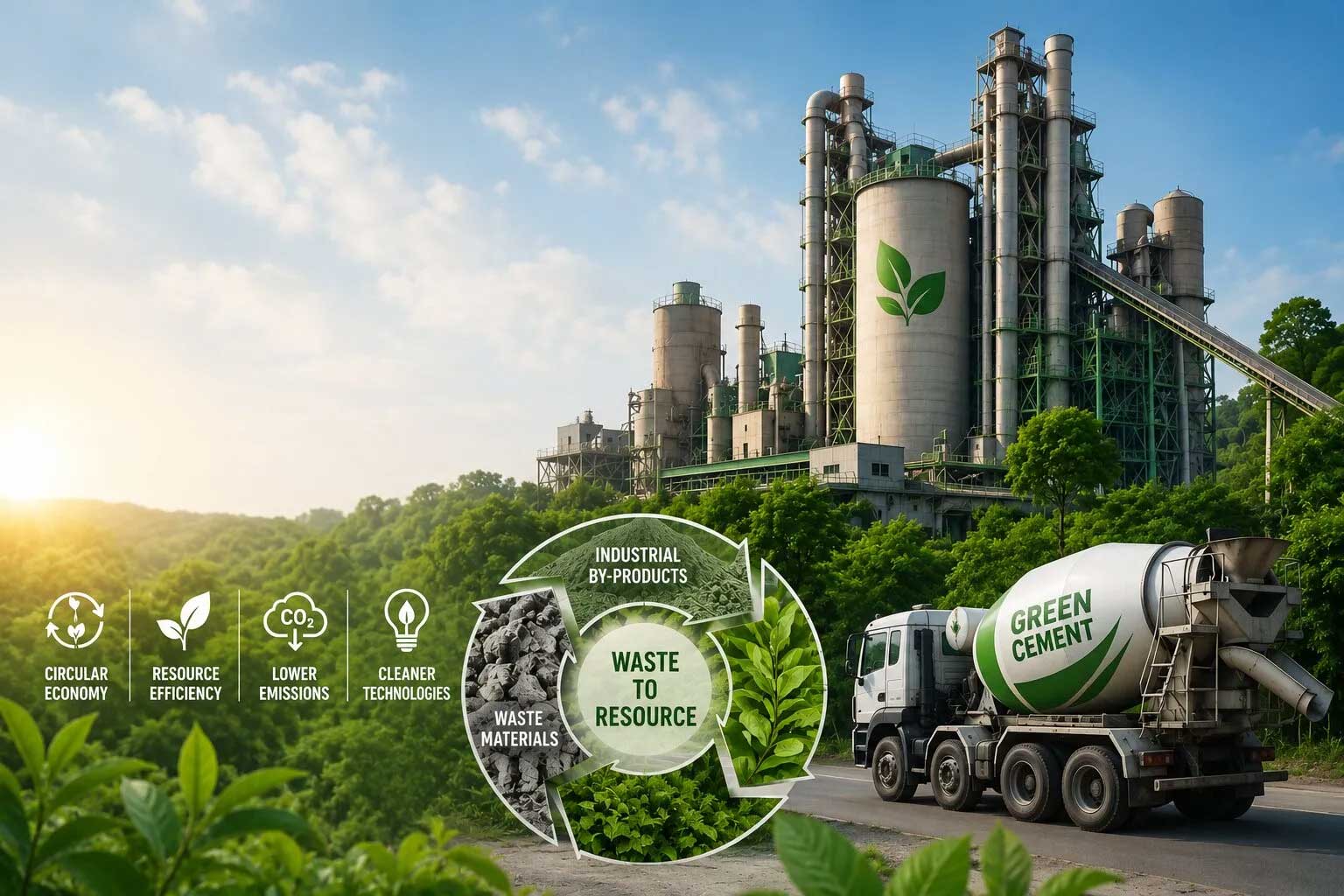
On World Environment Day, the Indian cement industry reiterated its commitment to supporting India’s climate ambitions through sustainable manufacturing, resource efficiency and the adoption of cleaner technologies.

The Cement Manufacturers’ Association (CMA) said the sector remains aligned with the Government of India’s Net Zero commitments and is accelerating efforts to reduce its environmental footprint while supporting the country’s infrastructure and development agenda.
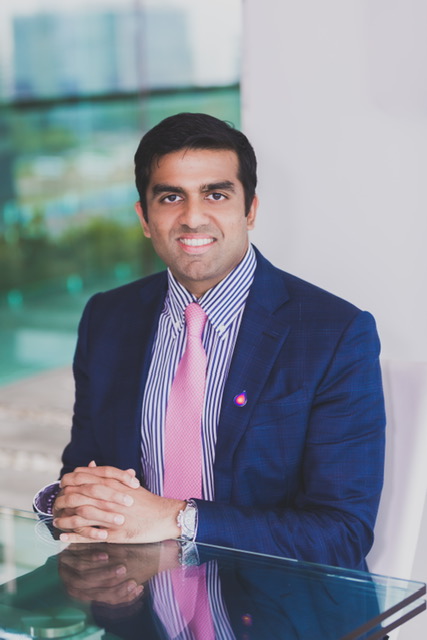
Parth Jindal, President, CMA and Managing Director, JSW Cement, said the industry is increasingly adopting cleaner technologies, improving energy efficiency and expanding the use of alternative fuels and raw materials. He also highlighted the growing importance of circular economy practices, where industrial by-products and waste streams from one sector are utilised as resources in another.

“The Indian Cement Industry is aligned to the Government’s commitments on carbon mitigation and is accelerating the adoption of cleaner technologies, resource efficiency and circular economy practices while actively exploring the potential of Carbon Capture, Utilisation and Storage (CCUS) as a critical pathway for deep decarbonisation,” said Jindal.

He added that coprocessing industrial waste and by-products helps conserve natural resources, reduce disposal requirements and lower the environmental footprint across multiple sectors.

According to Jindal, sustainability is no longer limited to manufacturing processes but is increasingly influencing investment decisions, innovation strategies and long-term growth plans within the industry.

Echoing similar views, Dr Raghavpat Singhania, Vice President, CMA and Managing Director, JK Cement, said sustainable development extends beyond emissions reduction and must also focus on responsible resource utilisation and waste minimisation.

“Sustainability in the built environment cannot be measured by emissions alone. It is equally about how efficiently we use resources, how effectively we minimise waste and how responsibly we create the infrastructure that will serve future generations,” said Singhania.

He noted that the cement industry is advancing its sustainability agenda through greater resource efficiency, increased circularity, technological innovation and continuous improvements in manufacturing practices. As a key contributor to India’s infrastructure development, the sector has a critical role to play in balancing economic growth with environmental responsibility.

On the occasion of World Environment Day, industry leaders reaffirmed their commitment to supporting India’s climate goals while delivering the materials required for resilient, durable and sustainable infrastructure.
 

Continue Reading

Concrete

Building a Greener Future Together

Published

on

By

Shares

Environmental sustainability requires immediate action, not just long-term commitments and discussions. Recycling, circular economy practices, and technology-driven waste management can help industries reduce environmental impact while supporting sustainable growth.

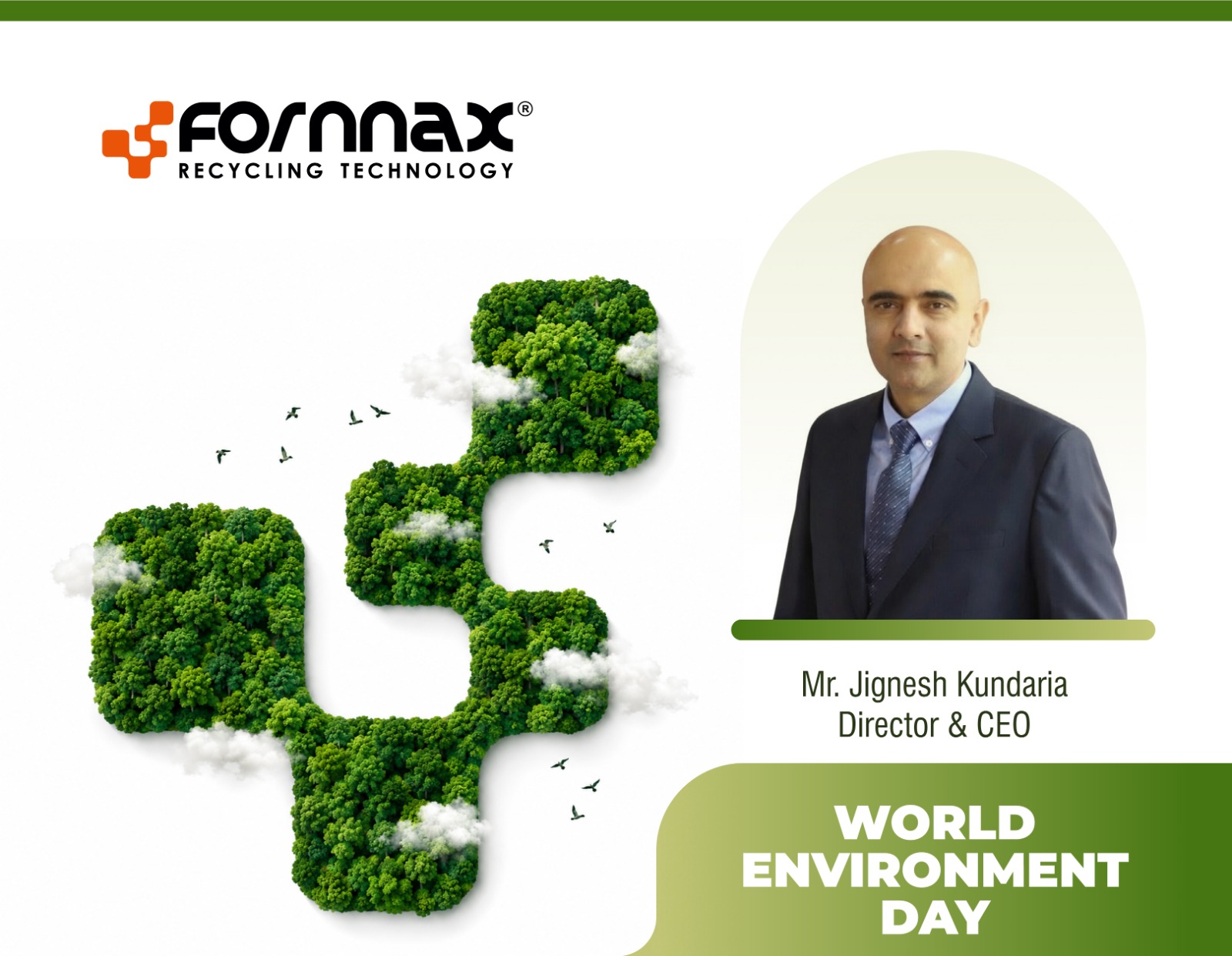
Author: Jignesh Kundaria, Director and CEO, Fornnax Technology

World Environment Day serves as an important reminder that environmental sustainability can no longer remain confined to discussions, reports, or long-term commitments. The environmental challenges facing the world today demand immediate, measurable, and collective action. Across industries and communities, waste generation continues to outpace our ability to process it responsibly, placing increasing pressure on ecosystems, natural resources, public health, and the well-being of future generations.

One of the most significant shifts required today is a change in how society perceives waste. Rather than being viewed as a material to be discarded, waste must be recognised as a valuable resource that can contribute to both economic growth and environmental protection when managed through the right technologies and systems. This mindset forms the foundation of the circular economy model that countries across the world are increasingly adopting to reduce landfill dependence, recover valuable materials, and create more sustainable industrial ecosystems.

India has made meaningful progress in strengthening awareness around sustainability, recycling, and environmental responsibility over the past decade. Significant efforts are being made to formalise the recycling sector through improved infrastructure, technology adoption, policy implementation, and broader stakeholder participation. These developments are creating a stronger foundation for responsible waste management and resource recovery across the country.

However, achieving long-term environmental impact requires collaboration from all stakeholders. Industries, policymakers, technology providers, and communities must work together with greater accountability to strengthen recycling ecosystems, encourage responsible waste management practices, and create sustainable outcomes through consistent execution rather than temporary interventions.

As someone closely associated with the recycling industry, I firmly believe that technology will play a decisive role in addressing future environmental challenges. Advanced recycling systems have the potential to recover valuable resources, reduce pollution, minimise landfill burdens, and conserve energy, creating a more sustainable future for generations to come. This belief is deeply reflected in Fornnax’s motto, “Committed to Create a Green Future,” which embodies our commitment to building long-term environmental value through innovation and responsible action.

At the same time, technology alone cannot deliver meaningful change. Real progress requires intent, awareness, participation, and a shared sense of responsibility. Sustainable development can only be achieved when innovation is supported by collective action and a genuine commitment to environmental stewardship.

On this World Environment Day, let us move beyond conversations and take meaningful steps towards creating a cleaner, greener, and more sustainable planet. By embracing innovation, strengthening recycling ecosystems, and acting responsibly today, we can create lasting environmental impact and secure a better future for generations to come.

Continue Reading

Concrete

JK Lakshmi Advances LC3 Cement Expansion

Company highlights commercial production and research partnerships
Published

on

By

Shares


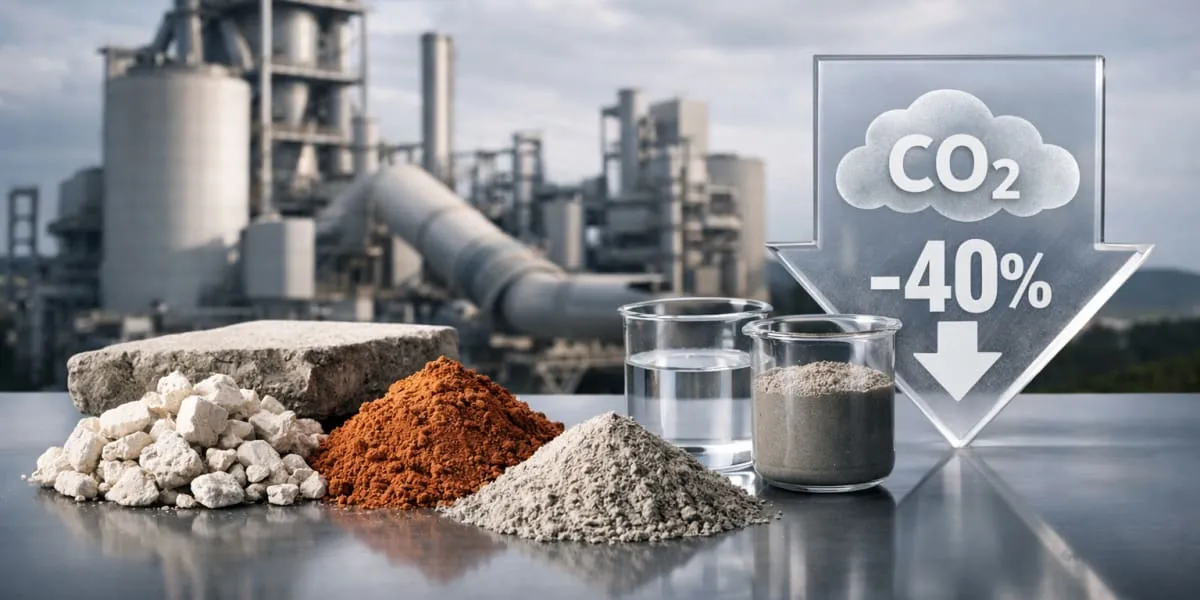
The meeting reviewed progress in limestone calcined clay cement (LC3) technology and its commercial adoption in India’s cement sector, focusing on low-carbon alternatives to conventional binders. JK Lakshmi Cement noted that limestone calcined clay cement can reduce carbon dioxide emissions by up to 40 per cent compared with conventional cement and said this reduction supports industry decarbonisation. The company highlighted that it was among the first two cement manufacturers in India to move LC3 into commercial production after the Bureau of Indian Standards approved the technology as a cement standard.

Vinita Singhania said the transition of LC3 from research to commercial production reflected collaboration between industry, academia and international institutions. Maya Tissafi acknowledged JK Lakshmi Cement’s role in advancing LC3 adoption in India and its contribution in taking the technology from laboratory trials to commercial implementation. Both representatives underlined the growing relevance of sustainable construction materials as India expands infrastructure and urban development.

The meeting explored continued collaboration with Swiss research institutions such as EPFL, EMPA and ETH Zurich alongside Indian academic partners and development organisations. JK Lakshmi Cement has been associated with the LC3 initiative since 2014 and worked with EPFL, IIT Delhi, IIT Madras, Development Alternatives and Technology and Action for Rural Advancement. The company conducted one of the earliest industrial trials of LC3 and recently announced commercial production of Green Pro LC3 cement from its Jaykaypuram plant in Rajasthan.

India remains the world’s second-largest cement producer and expansion of infrastructure, urbanisation and housing demand continue to support long-term sector growth, increasing interest in low-carbon technologies. The company reported an annual turnover of more than Rupees (Rs) 60 bn and current cement capacity of about 18 million (mn) tonnes (t) per annum, with a target of reaching 30 million (mn) tonnes (t) by 2030. Apart from grey cement, the company also makes ready-mix concrete, gypsum plaster, wall putty, primers, adhesives and fly ash blocks, and both sides concluded on the need for continued collaboration to develop sustainable construction solutions.

Continue Reading

Video Thumbnail

    SIGN-UP FOR OUR GENERAL NEWSLETTER


    Trending News

    SUBSCRIBE TO THE NEWSLETTER


    Don't miss out on valuable insights and opportunities to connect with like minded professionals.


      This will close in 0 seconds