

Concrete
Assessment of structures

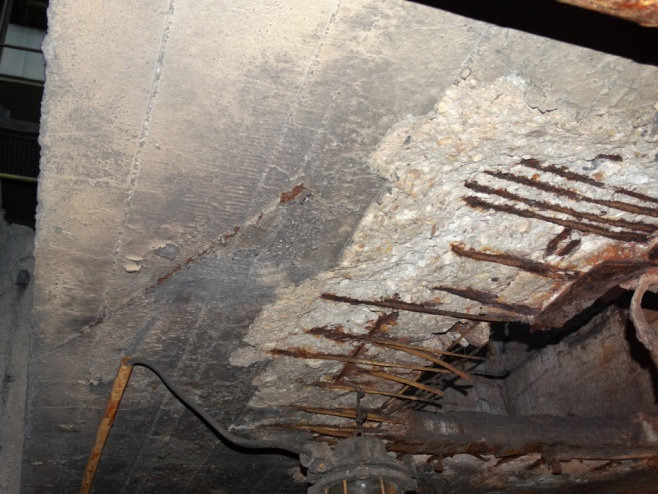
All civil engineering structures are initially designed depending on certain design criteria, such as design loads, allowable stresses etc. But, damage due to an extreme event is always possible in a structure during its design life. Sometimes, undetected and un-repaired damage may lead to structural failure demanding costly repair and a huge loss of lives. Therefore, the problem of maintenance and repair of existing engineering structures involves damage detection at an early stage.
For massive structures like bridges, dams, flyover, ROB, RUB, chemical plants, thermal and nuclear plants, silos, pre heater towers, chimneys, etc., which were constructed some 20-40 years ago, it is necessary to test its functionality under the present load situation and quantify damage if any. Since it involves huge expenditure to demolish and reconstruct them, it is important to evaluate the residual life-RLA (residual life analysis) of these structures.

Performing NDT of concrete structures, which is a basis for the evaluation of RLA/remnant life analysis ??RLA studies. Many methods are traditionally used for flaw characterisation and measurement of residual stress. Combining these inputs many parameters, including mechanical properties, factor of safety in design, conservative operation of unit, inaccuracy in data extrapolation, overestimation of corrosion effects, etc., would be assessed.
Damage Detection and Condition Assessment of Civil Structures
In the assessment of existing structures, engineers are increasingly faced with not only the challenges of early detection of damage, but also the evaluation of structure performance and behavior under damage, and economical and efficient retrofitting of the damaged components commonly found in older structures. In order to maintain the safety and integrity of structures, research on the damage mechanism, assessment of structure performance in damaged status, and innovative technologies and materials to rehabilitate, repair, and retrofit structures are of great significance.

Retrofitting of a cement Plant Preheater Tower
Inspection by plant personnel revealed cracking in the concrete frame of a 326-ft-tall, 7-level preheater tower. Onsite plant engineers deemed the cracking significant, especially since the structure supports critical manufacturing process equipment. A structural engineering consulting firm was retained to evaluate the extent of the problem and formulate a repair plan on a fast-track basis. The firm mobilised at the site in less than 24 hours and performed an initial structural safety assessment. A comprehensive structural evaluation indicated that the structure required strengthening. Restoration consultants were engaged to assist locally with engineering and construction administration.
A specialty repair contractor also was engaged to review the constructability of several alternate repair schemes and maintain the fast-track schedule. After considering structural capacity and serviceability requirements, durability issues, the high-temperature operating environment, constructability, and an aggressive construction schedule, the team recommended a retrofit consisting of bonded post-tensioning within internal holes drilled in the beams. This solution was quite extraordinary, as it required precision-drilling horizontal holes up to 87 feet long in the beams of the elevated frame structure, without cutting existing embedded reinforcement.
Nondestructive impulse radar testing was used to locate existing embedded reinforcing steel, as well as to monitor the drilled holes’ trajectory. This process helped ensure proper hole alignment and prevent damage to embedded steel. The cored holes served as post-tensioning ducts. The repairs were executed on a fast track basis and under challenging circumstances, which included working high on the exposed structure through a cold winter with severe wind conditions. The unique retrofit resulted in a structure that is stronger, more serviceable, and more durable than the original tower. The project represented an exceptional team effort, and its success is attributable to the leadership of the owner and client, the ingenuity of the engineering team, and the resourcefulness of the contractor.
Case study authored by: Kolf, Peter R, Oesterle, Ralph G







Meghalaya Cabinet Approves MCCL Closure, Writes Off Rs. 244.3 mn

Fornnax Wins AIRIA’s Special Export Award for Rubber Machinery in 2025-26

Cement Prices Likely to Rise Rs. 10-15 per Bag from Mid-October

Nuvoco Marks 10 Years, Targets 35 MMTPA Capacity by FY28

J&K Government Notifies City Gas Distribution Policy
Meghalaya Cabinet Approves MCCL Closure, Writes Off Rs. 244.3 mn
Fornnax Wins AIRIA’s Special Export Award for Rubber Machinery in 2025-26
Cement Prices Likely to Rise Rs. 10-15 per Bag from Mid-October
Nuvoco Marks 10 Years, Targets 35 MMTPA Capacity by FY28
J&K Government Notifies City Gas Distribution Policy
-

 Concrete3 weeks ago
JSW Cement Receives Rs. 2.3 bn GST Demand Notice
-

 Concrete3 weeks ago
Andhra Pradesh Clears Rs. 30 bn My Home Cement Plant
-

 Concrete3 weeks ago
Montra Electric, Wonder Cement Deploy 250-Vehicle EV Fleet
-

 Concrete3 weeks ago
Cement Prices Rise Rs. 7 per Bag in September; October Hikes Expected