Connect with us

Concrete

Concrete times

Published

on

Shares

ICR reviews the quarterly results of a few cement manufacturers.

Shree Cement performed exceedingly well beyond expectations. No other cement company will be able to match the number produced by Shree Cement. It has once again proven its ability to deliver operating results irrespective of market dynamics with its change in strategy.

In the view of analysts, the earnings of Shree Cement not merely depends on the market price but are connected with many other contributors of cost and volume. Supply chain is a significant contributor in the cost management. It is observed, Shree Cement has significant opportunities with advent of Internet of Things (IoT) and Artificial Intelligence (AI) in supply chain management. It is able to show the peers on what lies ahead of them. Shree Cement can fundamentally and structurally gap-up its EBITDA trend v/s peers, sustainably. Shree Cement has been able to show the opportunity that exists in managing supply chain despite unhealthy market conditions says Vaibhav Agarwal, Research Analyst at PhillipCapital.

Vaibhav feels with this new focus of Shree Cement, it is the only manufacturer in the sector having a potential to touch EBITDA mark of Rs 1,800 to 2,000 per tonne in the longer term, when the industry is still struggling to be at Rs 1,000 to 1,500 per tonne. In short, the numbers produced by Shree Cement were much above the market exceptions. There may be much more surprises from Shree Cement yet to come. Vaibhav strongly recommends the investors to buy Shree Cement scrip, driven by Shree Cement’s consistent ability to remain sustainable on operating performance, irrespective of market conditions and peer performances. Vaibhav further adds that Shree Cement’s full potential with these new initiatives is yet to unfold. Shree Cement is the only manufacturer in his view which can significantly and structurally redefine its earnings.

Century proves to be a drag
The numbers produced by UltraTech are after adjusting the merger of Century Textiles Cement division assets. EBIDTA was a shed better. Volumes are in line with the market expectations but EBIDTA was lower. However, the Century assets are yet to contribute anything to the numbers – at operating and overall performance. On the other hand, the contribution to Q2 numbers from Century has been negative as reported by Agarwal.

Vaibhav further adds that here is a big structural opportunity for UltraTech. UltraTech, being industry’s undisputed leader in supply chain management, we believe it will be able to turnaround Century’s performance faster than anticipated driven by it’s on the ground efforts on this front. More importantly such turnaround steps will not just be a game changer for UltraTech but in our view, for the industry as it will fundamentally change business methodologies especially in East and Central India in the long run.

Having said that, the next couple of quarters may be a minor drag for UltraTech, especially with Century merger as the process of transition and bringing supply chain efficiencies in acquired assets will be a tough task and UltraTech will need to time to deliver these results. However, once requisite protocols in supply chain are in place and being followed, the changes will be structural and also remain sustainable, in our view.

Vaibhav firmly believes the most important parameter to define earnings profile of any cement manufacturer is supply-chain which is beyond volumes, prices and costs. As one delivers on better supply-chain management, the result is either better prices or lower costs.

Few takeaways: About 14.6 million tonne capacity of Century assets now added to the numbers of UltraTech. Brand transition for all plants except Chhattisgarh unit is to be completed by December 2019. Chhattisgarh unit will continue under the umbrella brand "Birla Gold" for another year or so and later on to be rechristened to UltraTech brands. New brownfield and greenfield projects are coming up in East India. Vaibhav is more optimistic on unfolding the incremental potential rather than demand revival in the present situation.

ACC: EBIDTA margins are better
Based on the analysis carried out by Vivek Maheshwari of CLSA, we appreciate that the overall cement demand declined all across India in the last quarter. The macroeconomic condition is taking a toll on institutional market. The sluggish trend in the infrastructure sector adds to the woes of industry. Pricing volatility and a sharp inventory build-up has impacted the overall realisation. The volume of cement declined marginally by 2 per cent year on year basis but the volume of premium products grew by 8 per cent YOY basis. ACC is yet to take a call on choosing the corporate tax rate and hence there has been no change in the rate this quarter.

Talking about Q3 results, which are much better than the expectations of the analysts in general, the operating EBIDTA grew by 26 per cent YOY basis. The other income was higher than expected. Net earnings rose 46 per cent YOY basis. Blended unit cement realisations declined 5 per cent QoQ to Rs 269 per bag, which was slightly lower. Management is positive in its demand outlook, led by infra and affordable housing. For the current session ACC?s EBIDTA is up 20 percent while net earnings are up 40 per cent YoY.

Vivek raises EPS estimates 3-4 per cent as and lowers cost assumptions. He recommends a BUY rating with an Rs 2,050 target price. A pickup in demand as well as cement pricing is key drivers of the stock price, in his view.

Key highlights about costs: a) Sourcing of Material has been optimised through better supply chain efficiency. b) Reduction in packing cost due to lowering of cost on account of PP granule price.


Continue Reading
Click to comment

Leave a Reply

Your email address will not be published. Required fields are marked *

Concrete

Ultra Concrete Age

Prof. A. S. Khanna (Retd., IIT Bombay) on how Ultra-high performance concrete (UHPC) improves strength, durability and lifecycle performance.

Published

on

By

Shares
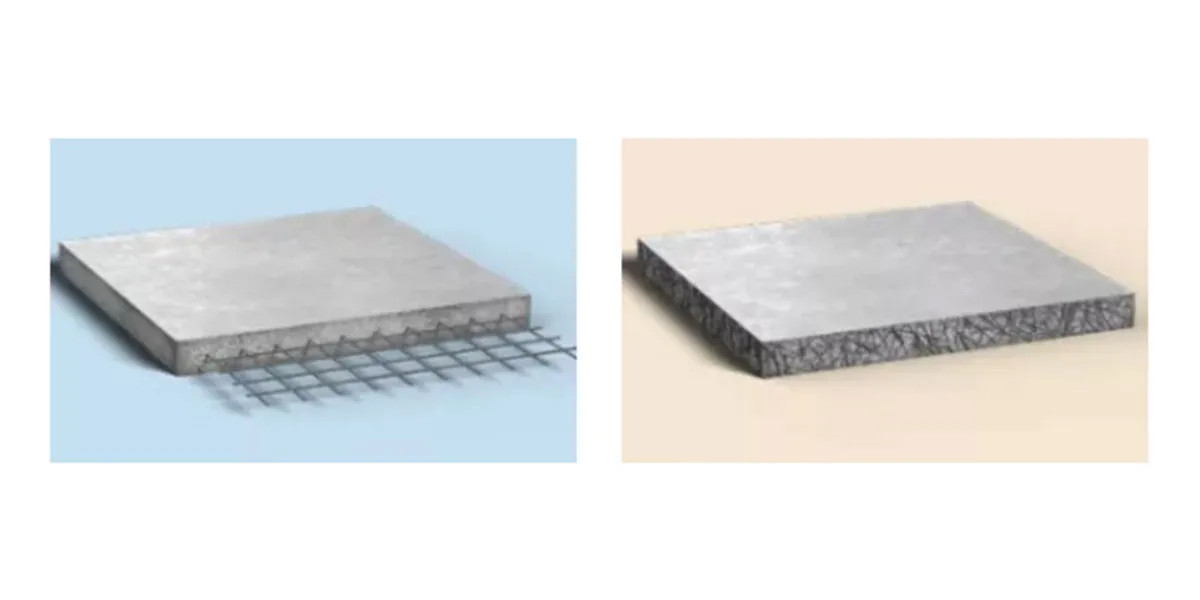
The need of present time is stronger buildings, industrial or common utility buildings, such as Malls, Railway stations, hospitals, offices, bridges etc. For this, there is need of long durable, tough and stable concrete, which could stand under normal and seismic conditions. Tough railway bridges are required for bullet trains to pass without any damage. Railway tunnels, sea-links, coastal roads, bridges and multistorey buildings, are the need of the hour. The question comes, is the normal cement called OPC is sufficient to take care of such requirements or better combination of cements and sand mixtures is required?
Introduction
A good stable building structure can be made with a good quality of cement+sand+water system. Its quality can be enhanced by keeping the density of admixture higher (varies from 30 in normal buildings to bridges etc to 80). Further enhancement in the properties of various cements admixtures is made by adding several additives which give additional strength, waterproofing, flexibility etc. These are called construction chemicals…

Continue Reading

Concrete

NCB Signs MoU With Cement Manufacturer To Boost Construction Skills

Partnership to deliver nationwide training and certification

Published

on

By

Shares

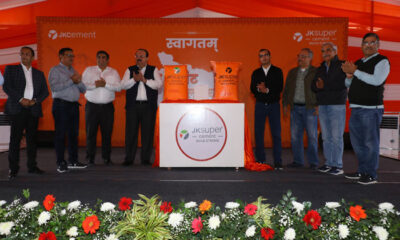
The National Council for Cement and Building Materials (NCB) has signed a memorandum of understanding with a leading cement manufacturer to strengthen skill development and capacity building in the construction sector. The agreement was formalised at NCB premises in Ballabgarh and was signed by the Director General of NCB, Dr L. P. Singh, and the head of technical services at UltraTech Cement Limited, Er Rahul Goel. The collaboration seeks to bring institutional resources and industry expertise into a structured national training effort.

The partnership will deliver structured training and certification programmes across the country aimed at enhancing the capabilities of civil engineers, ready?mix concrete (RMC) professionals, contractors, construction workers and masons. Programme curricula will cover material quality testing, concrete mix proportioning, durability assessment and sustainable construction practices to support improved construction outcomes. Emphasis is to be placed on standardised assessment and certification to raise practice levels across diverse construction roles.

Practical learning elements will include workshops, site demonstrations, technical seminars and exposure visits to plants and RMC facilities to strengthen applied skills and on?site decision making. The Director General indicated confidence that a large number of professionals and workers would be trained over the next three to five years under the initiative. The partnership is designed to complement flagship government schemes such as the Skill India Mission and to align training outputs with national infrastructure priorities.

By combining the council’s technical mandate with industry experience, the initiative aims to develop a more skilled and quality?conscious workforce capable of meeting rising demand in infrastructure and housing. NCB will continue to coordinate programme delivery and quality assurance while industry partners provide practical exposure and technical inputs. The collaboration is expected to support long?term capacity building and more sustainable construction practices nationwide.

Continue Reading

Concrete

JSW Cement Commissions Nagaur Plant, Enters North India

New Rajasthan unit boosts capacity to 24.1 MTPA and expands reach

Published

on

By

Shares
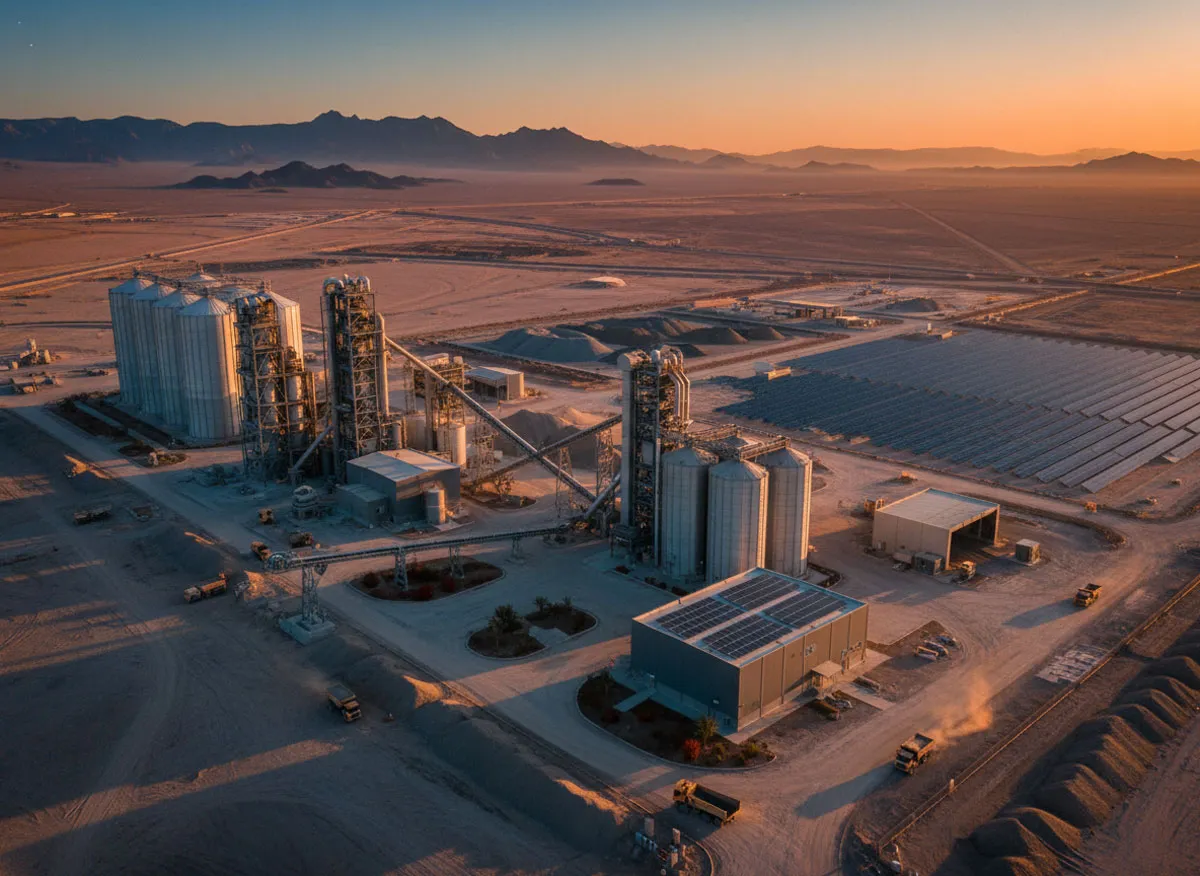
JSW Cement has strengthened its national presence by commencing production at its greenfield integrated cement plant in Nagaur, Rajasthan, marking its entry into the north Indian market.
With this commissioning, the company’s installed grinding capacity has increased to 24.1 MTPA, while total clinker capacity, including its joint venture operations, stands at 9.74 MTPA.
The Nagaur facility comprises a 3.30 MTPA clinkerisation unit and a 2.50 MTPA cement grinding unit, with an additional 1.00 MTPA grinding capacity currently under development. Strategically located, the plant is positioned to serve high-growth markets across Rajasthan, Haryana, Punjab and the NCR.
The project has been funded through a mix of equity and long-term debt, with Rs 800 crore allocated from IPO proceeds towards part-financing the unit.
Parth Jindal, Managing Director, JSW Cement, stated that the commissioning marks a key milestone in the company’s ambition to become a pan-India player. He added that the project was completed within 21 months and positions the company to achieve its targeted capacity of 41.85 MTPA by FY29.
Nilesh Narwekar, CEO, JSW Cement, highlighted that the expansion aligns with the company’s strategy to tap into rapidly growing northern markets driven by infrastructure development. He noted that the company remains focused on delivering high-quality, eco-friendly cement solutions while progressing towards its long-term capacity goal of 60 MTPA.
The Nagaur plant has been designed with sustainability features, including co-processing of alternative fuels and a 7 km overland belt conveyor for limestone transport to reduce road emissions. The facility will also incorporate a 16 MW Waste Heat Recovery System to improve energy efficiency and lower its carbon footprint.
JSW Cement, part of the JSW Group, operates across the building materials value chain and currently has eight plants across India, along with a clinker unit in the UAE through its joint venture.

Continue Reading

Video Thumbnail

    SIGN-UP FOR OUR GENERAL NEWSLETTER


    Trending News