We explore how material handling systems are becoming strategic assets in cement plants, enabling efficient movement of raw materials, clinker and finished cement. Advanced conveying, automation and digital technologies are improving plant productivity while supporting energy efficiency and sustainability goals.
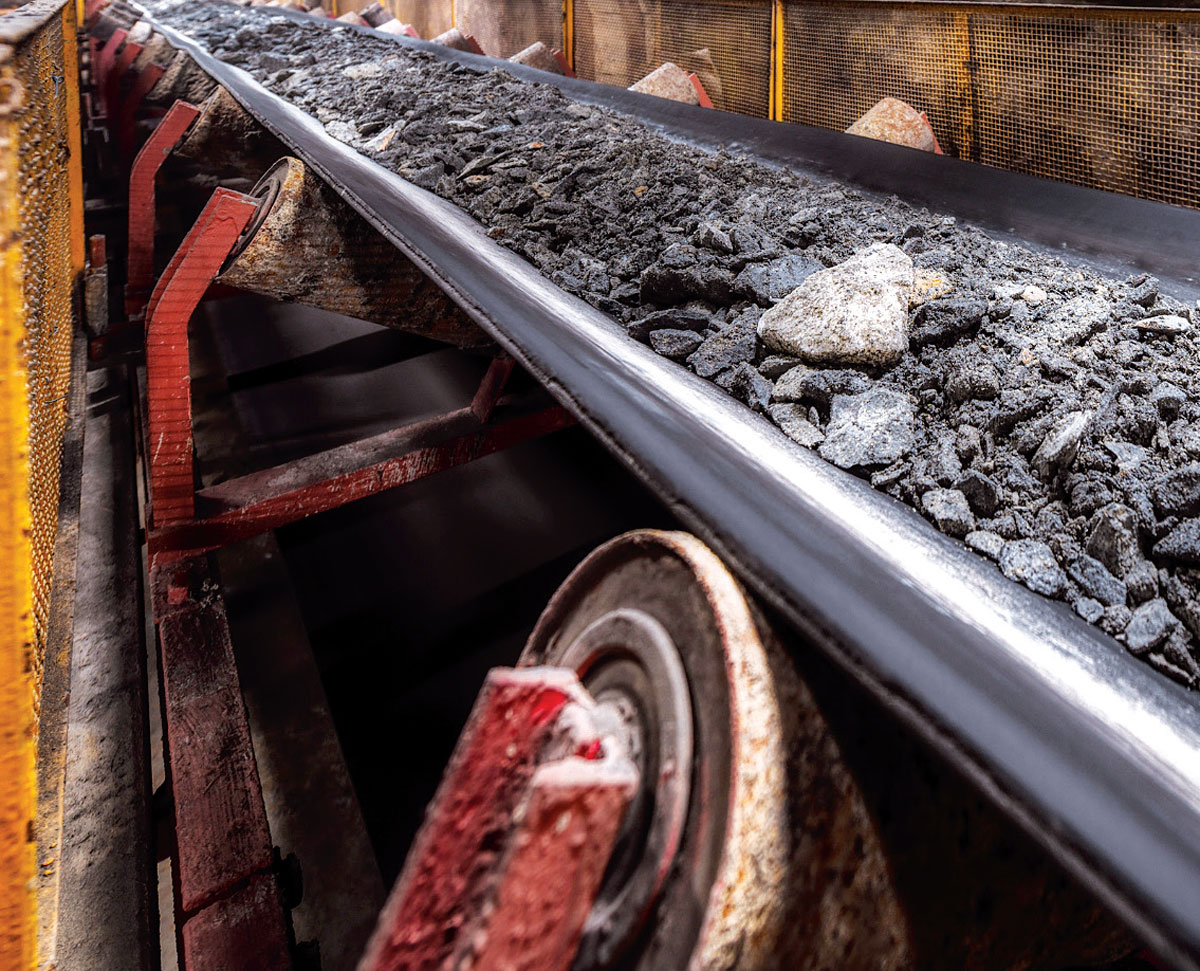
Material handling systems form the operational backbone of cement plants, enabling the efficient movement of raw materials, clinker and finished cement across complex production networks. With India’s cement industry producing over 391 million tonnes of cement in FY2024 and possessing an installed capacity of around 668 mtpa, according to the CRISIL Research Industry Report, 2025, efficient material logistics have become critical to maintaining plant productivity and cost competitiveness. At the same time, cement production is highly energy intensive and contributes around 7 per cent to
8 per cent of global CO2 emissions, making efficient material flow and logistics optimisation essential for reducing operational inefficiencies and emissions states the International Energy Agency Cement Technology Roadmap, 2023. As plants scale capacity and integrate digital technologies, modern material handling systems, ranging from automated conveyors to intelligent stockyards, are increasingly recognised as strategic assets that influence plant stability, energy efficiency and environmental performance.
Strategic role of material handling
Material handling is no longer viewed as a secondary utility within cement plants; it is now recognised as a strategic system that directly influences production efficiency and process stability.
Cement manufacturing involves the continuous movement of large volumes of limestone, clay, additives, clinker and finished cement across multiple production stages. Even minor disruptions in conveying systems or storage infrastructure can lead to kiln feed fluctuations, production delays and significant financial losses. According to Indian Cement Industry Operational Benchmarking Study, 2024, unplanned downtime in large integrated cement plants can cost between Rs.15–20 lakh per hour, highlighting the economic importance of reliable material handling systems.
Modern cement plants are therefore investing in advanced mechanical handling systems designed for high throughput and operational reliability. Large integrated plants can process over 10,000 tonnes per day of clinker, requiring highly efficient conveying systems and automated stockyards to maintain continuous material flow, suggests the International Cement Review Industry Analysis, 2024. Efficient material handling also reduces spillage, minimises dust emissions and improves workplace safety. As cement plants become larger and more technologically advanced, the role of material handling is evolving from simple transport infrastructure to a critical operational system that supports both productivity and sustainability.
From quarry to plant
The transport of raw materials from quarry to processing plant represents one of the most energy-intensive stages of cement production. Traditionally, limestone and other raw materials were transported using diesel-powered trucks, which resulted in high fuel consumption, dust generation and increased operational costs. However, modern plants are increasingly adopting long-distance belt conveyors and pipe conveyors as a more efficient alternative. These systems allow continuous material transport over distances of 10–15 kilometres, significantly reducing fuel consumption and operating costs while improving environmental performance, states the FLSmidth Cement Industry Technology Report, 2024.
Milind Khangan, Marketing Manager, Vertex Market Research & Consulting, says, “Efficient and enclosed handling of fine materials such as cement, fly ash and slag requires modern pneumatic conveying systems. By optimising the air-to-material ratio, these systems can reduce energy consumption by 10 per cent to 15 per cent while ensuring smooth material flow. Closed-loop conveying further minimises dust loading and improves the performance of bag filters, supporting cleaner plant operations. In addition, flow-regulated conveying lines help prevent clogging and maintain reliable dispatch performance. Overall, automation in pneumatic conveying delivers immediate operational benefits, including improved equipment uptime, lower energy use, reduced material spillage and more stable kiln and mill performance.”
Pipe conveyor systems are particularly gaining traction because they provide a completely enclosed transport system that prevents material spillage and dust emissions. According to global cement engineering studies, conveyor-based transport can reduce energy consumption by up to 30 per cent compared to truck haulage, while also improving operational reliability. Several cement plants in India have already implemented such systems to stabilise quarry-to-plant logistics while reducing carbon emissions associated with diesel transport.
Stockyard management and homogenisation
Stockyards play a critical role in maintaining raw material consistency and stabilising kiln feed quality. Modern cement plants use advanced stacker and reclaimer systems to ensure efficient storage and blending of raw materials before they enter the grinding and pyroprocessing stages. Automated stacking methods such as chevron or windrow stacking enable uniform distribution of materials, while bridge-type or portal reclaimers ensure consistent extraction during kiln feed preparation. These systems are essential for maintaining stable chemical composition of raw meal, which directly influences kiln efficiency and clinker quality. The Cement Plant Operations Handbook, 2024 indicates that advanced homogenisation systems can reduce raw mix variability by up to 50 per cent, significantly improving kiln stability and energy efficiency. Integrated stockyard management systems also incorporate sensors for monitoring bulk density, moisture levels and stockpile volumes, enabling real-time control over material blending processes.
Clinker and cement conveying technologies
Once clinker is produced in the kiln, it must be efficiently transported to storage silos and subsequently to grinding and packing units. Modern cement plants rely on high-capacity belt conveyors, bucket elevators and pneumatic conveying systems to manage this stage of material flow. Steel-cord belt bucket elevators are now capable of lifting materials to heights exceeding 120 metres with capacities reaching 1,500 tonnes per hour, making them suitable for large-scale clinker production lines, states the European Cement Engineering Association Technical Paper, 2023.
For fine materials such as cement, fly ash and slag, pneumatic conveying systems provide a reliable and dust-free solution. These systems transport powdered materials using controlled airflow, ensuring enclosed and contamination-free movement between grinding units, silos and packing stations. Optimised pneumatic systems can reduce energy consumption by 10 per cent to 15 per cent compared to older conveying technologies, while also improving plant cleanliness and environmental compliance, according to the Global Cement Technology Review, 2024.
Automation and digitalisation
Digitalisation is transforming material handling systems by introducing real-time monitoring, predictive maintenance and automated control. Advanced sensors and Industrial Internet of Things (IIoT) platforms enable plant operators to track conveyor health, stockpile levels and equipment performance in real time. Predictive maintenance systems analyse vibration patterns, temperature fluctuations and equipment load data to detect potential failures before they occur. According to McKinsey’s Industry 4.0 Manufacturing Report, 2023, for heavy industries, digital monitoring and predictive maintenance technologies can reduce equipment downtime by up to 30 per cent and increase productivity by 10 per cent to 15 per cent. Digital control centres also integrate data from conveyors, stacker reclaimers and dispatch systems, enabling centralised management of material flows from quarry to dispatch.
Handling of AFR
The growing adoption of Alternative Fuels and Raw Materials (AFR) has introduced new challenges and opportunities for material handling systems in cement plants. AFR materials such as refuse-derived fuel (RDF), biomass and industrial waste often have irregular particle sizes, variable moisture content and lower bulk density compared to conventional fuels. As a result, specialised storage, dosing and feeding systems are required to ensure consistent kiln combustion. According to the Cement Sector Decarbonisation Roadmap published by NITI Aayog in 2026, increasing the use of AFR could enable India’s cement sector to achieve thermal substitution rates of around 20 per cent in the coming decades. To support this transition, plants are investing in automated receiving stations, shredding units, drying systems and precision dosing equipment to stabilise AFR supply and combustion performance.
Energy efficiency and dust control
Material handling systems also play a crucial role in improving plant energy efficiency and environmental performance. Modern conveyor systems equipped with variable speed drives and energy-efficient motors can significantly reduce electricity consumption. Permanent magnet motors used in conveyor drives can deliver 8 per cent to 12 per cent energy savings compared to conventional induction motors, improving overall plant energy efficiency according to the IEA Industrial Energy Efficiency Study, 2023. Dust control is another major concern in cement plants, particularly during material transfer and storage operations. Enclosed conveyors, dust extraction systems and advanced bag filters are widely used to minimise particulate emissions and improve workplace safety.
Future trends in material handling
The future of material handling in cement plants will be shaped by automation, digitalisation and sustainability considerations. Emerging technologies such as AI-driven logistics optimisation, autonomous mobile equipment and digital twins are expected to further improve plant efficiency and operational visibility. Digital twin models allow engineers to simulate material flow patterns, optimise stockyard operations and predict equipment performance under different operating conditions. According to the International Energy Agency Digitalisation and Energy Report, 2024, the adoption of advanced digital technologies could improve industrial energy efficiency by up to 20 per cent in heavy industries such as cement manufacturing. As cement plants expand capacity and adopt low-carbon technologies, intelligent material handling systems will play a critical role in maintaining productivity and reducing environmental impact.
Conclusion
Material handling systems have evolved from basic transport infrastructure into strategic operational systems that directly influence plant efficiency, reliability and sustainability. From quarry transport and automated stockyards to digital dispatch platforms and advanced conveying technologies, modern material handling solutions enable cement plants to manage large production volumes while maintaining process stability.
As India’s cement industry continues to expand to meet infrastructure and urban development demands, investments in advanced material handling technologies will become increasingly important. By integrating automation, digital monitoring and energy-efficient systems, cement manufacturers can improve operational performance while supporting the industry’s long-term sustainability and decarbonisation goals.




















 Concrete4 weeks ago
 Concrete3 weeks ago
 Concrete4 weeks ago
 Concrete3 weeks ago