Connect with us

Concrete

Sustainable Cement Packaging Shift

Published

on

Shares

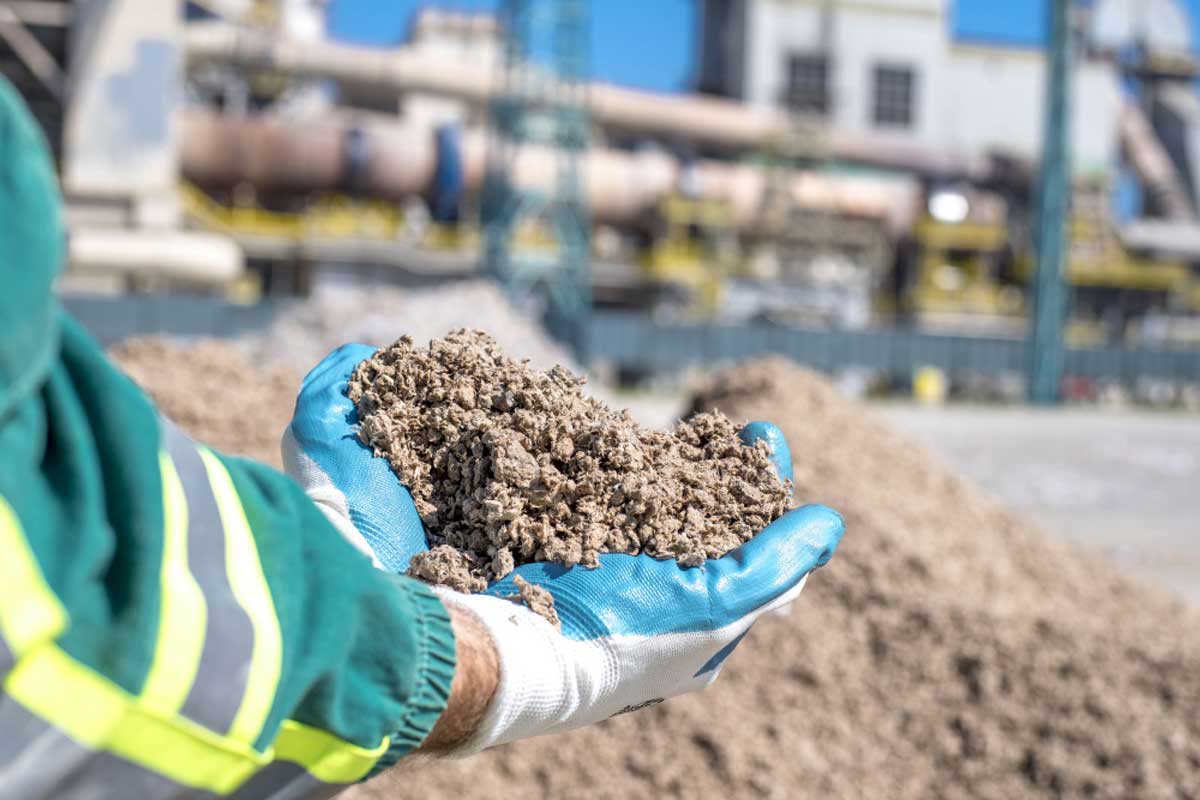
This case study evaluates biodegradable alternatives to conventional plastic cement packaging using advanced decision-making models. It highlights that while sustainable materials outperform environmentally, cost remains the biggest barrier to adoption.

The cement industry, a highly resource-intensive sector, continues to rely heavily on synthetic plastic packaging such as polypropylene bags, which account for nearly one-quarter of global cement packaging and generate 1.2–1.5 million tonnes of plastic waste annually from over 30 billion bags. These materials persist for centuries, contributing to landfill overflow, marine pollution, and greenhouse gas emissions, particularly in emerging economies where recycling rates remain below 10 per cent and waste management systems are underdeveloped. This growing environmental burden has accelerated the need for sustainable alternatives aligned with circular economy principles.
To address this challenge, the study evaluates biodegradable packaging options such as cornstarch-based materials, cellulose derivatives, jute, and sisal using an integrated multi-criteria decision-making (MCDM) framework. By combining Entropy and CRITIC weighting methods with TOPSIS, VIKOR and PROMETHEE II ranking models, the research assesses materials across key parameters including biodegradability, recyclability, lifecycle impact, durability, and cost efficiency. This structured approach enables a balanced comparison between environmental benefits and industrial feasibility.
The findings consistently identify cornstarch-based packaging as the top-performing alternative, delivering approximately 25 per cent to 30 per cent better performance on biodegradability and lifecycle indicators compared to other materials. It ranked first across multiple evaluation methods due to its strong environmental profile and balanced performance across criteria, followed by cotton and jute, while cellulose-based plastics performed poorly due to high costs and limited biodegradability effectiveness.
However, the study highlights a critical barrier: cost dominance in decision-making. Using the Entropy method, cost received the highest weight (0.651), more than 50 times higher than strength (0.013), clearly indicating that economic considerations outweigh environmental benefits in material selection. Even with the CRITIC method, cost remained the most influential factor (0.265), reinforcing that financial feasibility is the primary constraint preventing large-scale adoption of biodegradable packaging in the cement industry.
The research concludes that while biodegradable packaging offers strong potential to reduce environmental impact and support circular economy goals, widespread adoption will depend on policy support and economic incentives. Measures such as subsidies, tax benefits and regulatory clarity are essential to bridge the gap between sustainability goals and operational realities, ensuring that packaging transitions contribute not only to immediate efficiency but also to long-term environmental responsibility and intergenerational justice.

This case study by Mehedi Hasan Shanta, Tasfia Tanha, Md. Mustaqim Roshid, Roman Meinhold, Ricardo Marcão, Vasco Santos, Filipa Martinho and Abdul Waaje, appears in the journal ‘Discover Sustainability,’ which is an open-access academic journal published by Springer Nature.

Continue Reading

Concrete

WCA Welcomes SiloConnect as associate corporate member

Published

on

By

Shares

The World Cement Association (WCA) has announced SiloConnect as its newest associate corporate member, expanding its network of technology providers supporting digitalisation in the cement industry. SiloConnect offers smart sensor technology that provides real-time visibility of cement inventory levels at customer silos, enabling producers to monitor stock remotely and plan deliveries more efficiently. The solution helps companies move from reactive to proactive logistics, improving delivery planning, operational efficiency and safety by reducing manual inspections. The technology is already used by major cement producers such as Holcim, Cemex and Heidelberg Materials and is deployed across more than 30 countries worldwide.

Continue Reading

Concrete

TotalEnergies and Holcim Launch Floating Solar Plant in Belgium

Published

on

By

Shares

TotalEnergies and Holcim have commissioned a floating solar power plant in Obourg, Belgium, built on a rehabilitated former chalk quarry that has been converted into a lake. The project has a generation capacity of 31 MW and produces around 30 GWh of renewable electricity annually, which will be used to power Holcim’s nearby industrial operations. The project is currently the largest floating solar installation in Europe dedicated entirely to industrial self-consumption. To ensure minimal impact on the surrounding landscape, more than 700 metres of horizontal directional drilling were used to connect the solar installation to the electrical substation. The project reflects ongoing collaboration between the two companies to support industrial decarbonisation through renewable energy solutions and innovative infrastructure development.

Continue Reading

Concrete

Cortec® Corporation applauded for its strong safety performance

Published

on

By

Shares

Cortec® Corporation has been recognised for its strong safety performance, receiving its sixth Governor’s Workplace Safety Award for its outstanding performance in 2025. As a Silver Achievement recipient, the company continues to maintain safety metrics well above national industry averages, an impressive accomplishment for a chemical manufacturing organisation. This achievement reflects Cortec’s proactive approach to workplace safety, focused on early hazard detection and employee involvement. The company will be formally recognised at the Minnesota Safety and Health Conference in May, highlighting how industrial companies are effectively strengthening workplace safety standards.

Continue Reading

Video Thumbnail

    SIGN-UP FOR OUR GENERAL NEWSLETTER


    Trending News