The circular economy offers a transformative approach for the cement industry, focusing on resource efficiency, waste minimisation, and sustainable practices. ICR finds out why integrating alternative materials, reducing carbon emissions and embracing innovative technologies, is crucial for the cement sector.
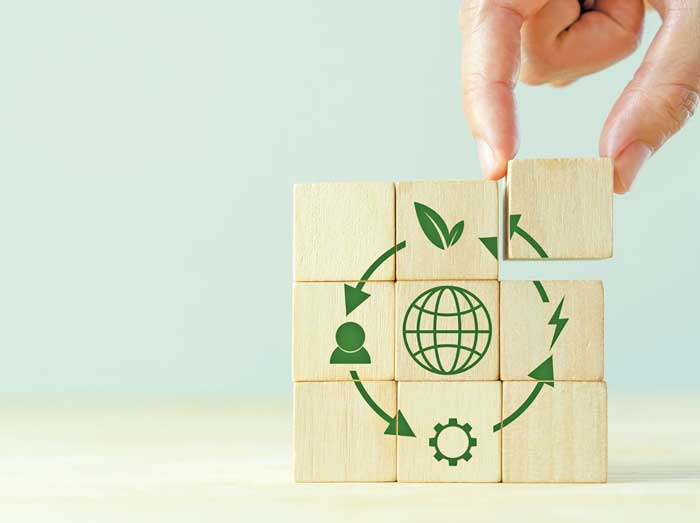
The circular economy is an innovative model aimed at minimising waste and maximising the use of resources by closing the loop of product life cycles through greater resource efficiency, recycling, and reusing. Unlike the traditional linear economy, which follows a ‘take-make-dispose’ pattern, the circular economy emphasises a restorative approach that seeks to maintain the value of products, materials and resources in the economy for as long as possible.
In the context of the cement industry, which is known for its resource-intensive processes and substantial environmental footprint, embracing circular economy principles is crucial. Cement production typically involves high energy consumption and generates significant greenhouse gas emissions. By adopting circular practices, the industry can reduce its reliance on virgin raw materials, lower waste and emissions and enhance overall sustainability.
The relevance of the circular economy in cement production is evident in several key areas:
• Resource efficiency: Utilising alternative and recycled materials, such as industrial by-products or waste, can significantly reduce the demand for raw materials and lower the environmental impact of cement production.
“Utilisation of alternative raw materials in the cement industry is a key strategy for enhancing sustainability and resource efficiency. Wonder Cement has substituted traditional raw materials like limestone with industrial by-products such as fly ash, marble slurry, chemical gypsum, red mud, mine telling reject, alumina slat, iron sludge, etc. Wonder Cement not only reduces its reliance on natural resources but also mitigates environmental impacts,” says Nitin Jain, Unit Head – Integrated Plant, Nimbahera, Wonder Cement.
“Low-carbon cement production is an innovative approach by Wonder Cement aimed to reduce the carbon footprint associated with traditional cement manufacturing. This process involves several strategies to minimise CO2 emissions, which are typically high due to the energy intensive nature of clinker production. The production of blended cement, Portland Pozzolana Cement (PPC) involves mixing clinker with supplementary materials like fly ash. This not only reduces CO2 emissions but also enhances the durability and performance of the cement,” he adds.
- Waste management: Implementing strategies to manage and repurpose waste products not only helps in minimising landfill use but also creates valuable resources for reuse in cement manufacturing.
- Energy optimisation: Circular economy practices promote energy-efficient technologies and the use of renewable energy sources, contributing to a reduction in carbon emissions associated with cement production.
- Product lifecycle: By focusing on the entire lifecycle of cement products, from production to disposal, the industry can develop more sustainable practices and innovative solutions for recycling and reusing cement-based materials.
Adopting a circular economy approach is not only essential for reducing the environmental impact of cement production but also for driving innovation, enhancing resource security, and fostering long-term economic resilience in the industry.
Use of Alternative and Recycled Materials
The cement industry is undergoing a transformative shift with the increasing adoption of alternative and recycled materials. This shift is driven by the
need to reduce environmental impact, conserve natural resources, and enhance the sustainability of cement production.
Alternative materials: Alternative materials, such as industrial by-products and waste materials, are increasingly being used as partial replacements for traditional raw materials like clinker.
Common examples include fly ash, slag, natural pozzolans, etc.
Recycling plays a crucial role in minimising waste and promoting a circular economy within the cement industry. Key recycled materials include:
- Recycled concrete aggregate (RCA): Reclaimed from demolished concrete structures, RCA can be used as a partial replacement for natural aggregates in new concrete, reducing the need for virgin resources.
- Construction and demolition waste: Incorporating materials from construction and demolition activities not only diverts waste from landfills but also provides valuable resources for cement production.
The use of these alternative and recycled materials helps in reducing the environmental footprint of cement production by lowering greenhouse gas emissions, conserving natural resources, and minimising waste. Furthermore, it supports the industry’s transition towards more sustainable and circular practices, contributing to the overall goal of reducing the sector’s impact on the environment.
According to an article published by McKinsey & Company in March 2023, the cement value chain is well positioned to create closed loops, or automatically regulated systems, for carbon dioxide, materials and minerals, and energy (see sidebar ‘Three categories of circular technologies in cement’). This entails circular economies, which are based on the principles of eliminating waste and pollution, circulating products and materials, and regenerating nature. With these points in mind, circularity can work jointly with reducing carbon emissions in cement production because circular technologies follow the paradigm of three crucial decarbonisation strategies: redesign, reduce and repurpose. According to the organisation’s estimates and expected carbon prices, circularity technologies will be value-positive by 2050, with some already more profitable than today’s business-as-usual solutions.
The report estimates show that an increased adoption of circular technologies could be linked to the emergence of new financial net-value pools worth up to roughly €110 billion by 2050, providing a new growth avenue for cement players that would otherwise face shrinking demand for their core business and significant external costs. Adopting circularity is required to mitigate at least 50 percent of this value at risk. Emerging new technologies and business models will create additional value to mitigate the residual value at risk.
Reducing and Managing Industrial Waste
Efficient waste management is critical for the sustainability of the cement industry. Reducing and managing industrial waste not only minimises environmental impact but also offers opportunities to turn waste into valuable resources. Here are some key strategies of waste-to-resource initiatives:
Waste minimisation at source
- Process optimisation: Implementing advanced technologies and practices to improve process efficiency can significantly reduce the amount of waste generated. Techniques such as precise control of raw material inputs and process conditions help minimise production losses.
- Cleaner production techniques: Adopting cleaner production methods, such as the use of less polluting raw materials and more efficient equipment, can reduce waste generation at the source.
Recycling and reuse
- Alternative fuels: Industrial waste, such as tire-derived fuel or biomass, can be used as alternative fuels in cement kilns. This not only helps in reducing the consumption of traditional fossil fuels but also diverts waste from landfills.
- By-product utilisation: By-products from other industries, such as fly ash or slag, can be integrated into cement production processes. These materials not only enhance the properties of the final product but also reduce the need for virgin raw materials.
Nitin Sharma, CEO and General Manager, Clariant IGL Specialty Chemicals (CISC), says, “As our climate gives us increasing and alarming signals of change, individuals and industries are looking for ways to reduce their environmental footprints, and the demand for bio-based chemicals is set to grow strongly in the coming years. In several applications, the use of petrochemicals and fossil carbon remains a significant issue. The transition to bio-based carbon chemistry represents a significant challenge for manufacturers.”
Waste-to-resource initiatives
- Recycled concrete aggregate (RCA): Demolished concrete can be crushed and recycled into aggregate for use in new concrete mixes. This reduces the demand for natural aggregates and decreases the volume of construction waste.
- Co-processing of waste: The cement industry is increasingly adopting co-processing techniques where various types of industrial and municipal waste are processed in cement kilns. This approach helps in recovering energy and material value from waste streams while simultaneously treating hazardous materials.
- Zero-waste initiatives: Some cement plants are aiming for zero-waste targets by implementing comprehensive waste management systems that ensure all waste is either recycled, reused or recovered.
Partha Dash, Managing Director, Moglix, says, “There’s also a common belief that green procurement is more expensive, which can be a significant barrier, especially when resources for sustainable products are limited. Awareness and readiness for green practices are still low. Many people don’t fully understand the importance of sustainable procurement in construction, and there’s a lack of information about the market for green materials. Without adequate training and a clear structure for green purchasing, it’s difficult for companies to fully commit to sustainability. Moreover, existing policies and regulations aren’t strong enough to drive real change, and without enforcement and incentives, the availability of green materials remains limited.”
These strategies and initiatives reflect a growing commitment to sustainability within the cement industry. By effectively managing and repurposing industrial waste, cement producers can not only reduce their environmental impact but also contribute to a more circular and resource-efficient economy.
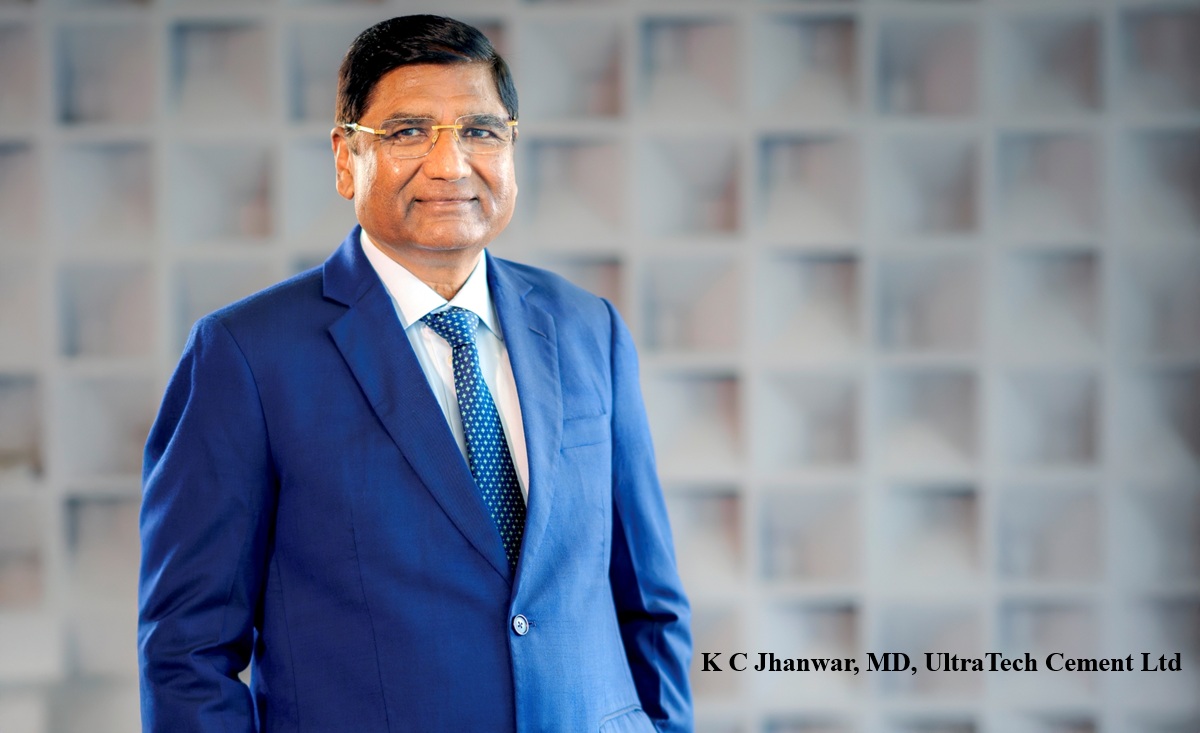
According to the report Indian Cement Industry: A Key Player in the Circular Economy of India published July 2020, the Indian cement industry is playing a key role by enhancing the application of renewable energy for electrical power generation. The renewable energy installed capacity (wind and solar) in cement plants increased by more than 40 per cent to 276 MW from 2010 to 2017. Out of the total, 42 MW is solar power, while off-site wind installations account for 234 MW. A company has undertaken the target of switching over to renewable energy for 100 per cent of all electrical energy needs by 2030. Big players like UltraTech Cement are targeting 25 per cent share of their total power consumption by green energy technologies.
Apart from the solar photovoltaic route, the cement industry is making efforts to tap solar energy through thermal routes.
Government initiatives
The Indian government is actively promoting circular economy principles through various policies and regulations aimed at enhancing sustainability and resource efficiency. The National Clean Energy Fund (NCEF) supports innovative projects in energy efficiency and emission reduction, including those incorporating circular economy practices.
The Swachh Bharat Mission (SBM) and Solid Waste Management Rules, 2016, focus on improving waste management and recycling, encouraging the use of recycled materials in construction and cement production. The Plastic Waste Management Rules, 2016, emphasise recycling and the use of recycled plastic, including as alternative fuel in cement kilns. The National Resource Efficiency Policy (NREP) promotes resource efficiency across sectors, including cement, and the government’s clean technology schemes incentivise the adoption of green technologies.
Additionally, the draft National Circular Economy Policy, currently in development, aims to provide a comprehensive framework for advancing circular economy practices across all industries. These initiatives collectively support the transition towards more sustainable and circular practices in the cement sector.
Emerging trends in circular economy
The cement industry is witnessing several emerging trends in circular economy practices, reflecting a shift towards greater sustainability and resource efficiency. One notable trend is the increased use of alternative fuels and raw materials. Cement producers are exploring the use of industrial and municipal waste, such as tires, plastics, and biomass, to replace traditional fossil fuels and raw materials, reducing their carbon footprint and conserving natural resources.
Another significant trend is the advancement of circular product design and lifecycle management. Cement companies are focusing on designing products that are easier to recycle or reuse at the end of their lifecycle. This includes developing new types of cement and concrete with enhanced durability
and recyclability.
Waste-to-resource initiatives are also gaining traction. Innovations in waste processing technologies enable the conversion of waste materials into valuable resources for cement production, such as incorporating recycled concrete aggregate (RCA) and by-products like fly ash and slag into new cement products.
Digitalisation and data analytics are emerging as crucial tools in advancing circular economy practices. Advanced monitoring and analytics technologies help optimise resource use, track waste streams, and improve overall efficiency in cement production.
Finally, there is a growing emphasis on collaborative partnerships. Cement companies are increasingly collaborating with governments, NGOs, and other industries to drive circular economy initiatives and develop innovative solutions for sustainable development. These trends highlight a transformative shift towards a more circular and sustainable approach in the cement industry, aligning with global efforts to reduce environmental impact and promote resource efficiency.
Conclusion
The adoption of circular economy principles in the cement industry is proving to be a pivotal step towards enhancing sustainability and reducing environmental impact. By embracing alternative and recycled materials, the industry is reducing its reliance on virgin resources and minimising waste. Government policies, such as the National Clean Energy Fund and Solid Waste Management Rules, provide crucial support for these practices, fostering a regulatory environment conducive to circular economy initiatives. Emerging trends, including the use of alternative fuels, circular product design, waste-to-resource innovations, and advanced digital technologies, underscore the industry’s commitment to resource efficiency and sustainability. Collaborative efforts across sectors further drive these advancements, paving the way for a more resilient and environmentally responsible cement industry. As the sector continues to integrate circular economy principles, it not only aligns with global sustainability goals but also sets a benchmark for other industries striving for a circular future.
– Kanika Mathur


















 Concrete1 month ago
 Concrete3 weeks ago
 Concrete2 weeks ago
 Concrete1 month ago