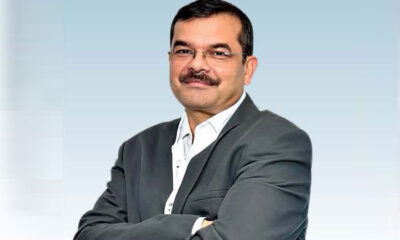
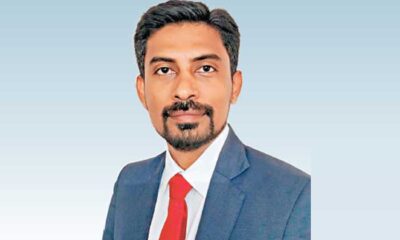
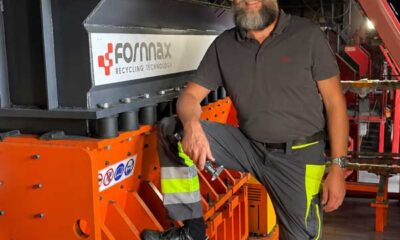
Jignesh Kundaria, CEO and Director, Fornnax, presents a blueprint for India’s circular cement economy through robust AFR pre-processing.
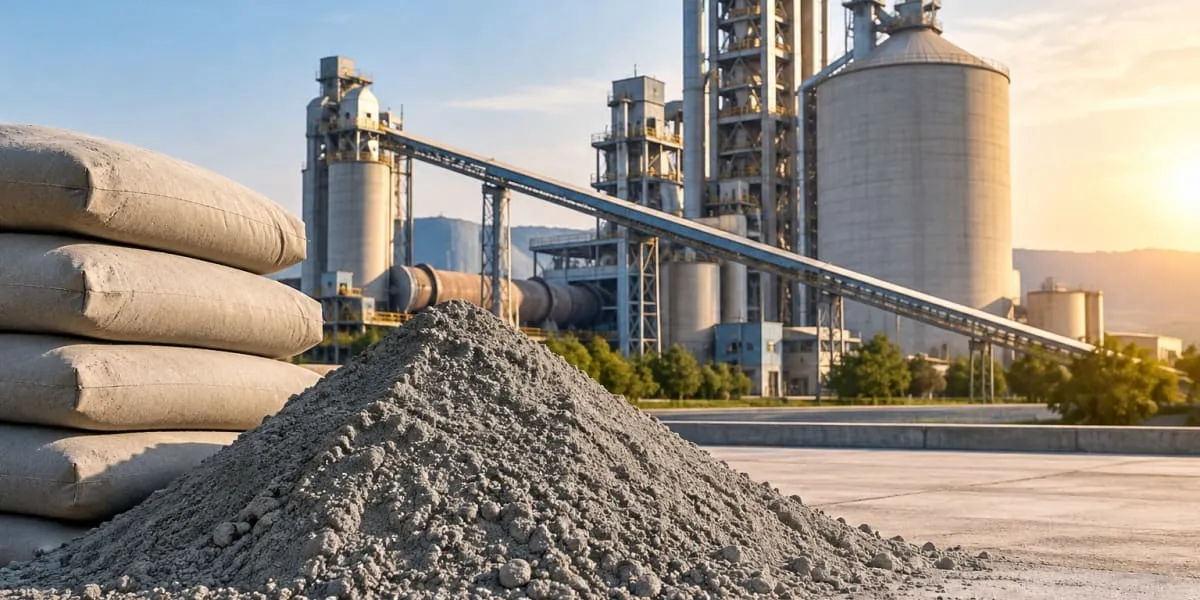
India’s cement industry, a cornerstone of its infrastructure development, faces an unprecedented challenge: achieving rapid growth while aligning with the nation’s ambitious 2070 net zero emissions target. For decades, the sector has relied heavily on fossil fuels, creating a significant carbon footprint that is no longer sustainable. The solution lies in a paradigm shift towards a circular economy model, where waste becomes a valuable resource.
Fornnax champions this transition, viewing Alternative Fuels and Raw Materials (AFR) as the central pillar of a sustainable and decarbonised future for Indian cement.
The role of AFR in a circular economy
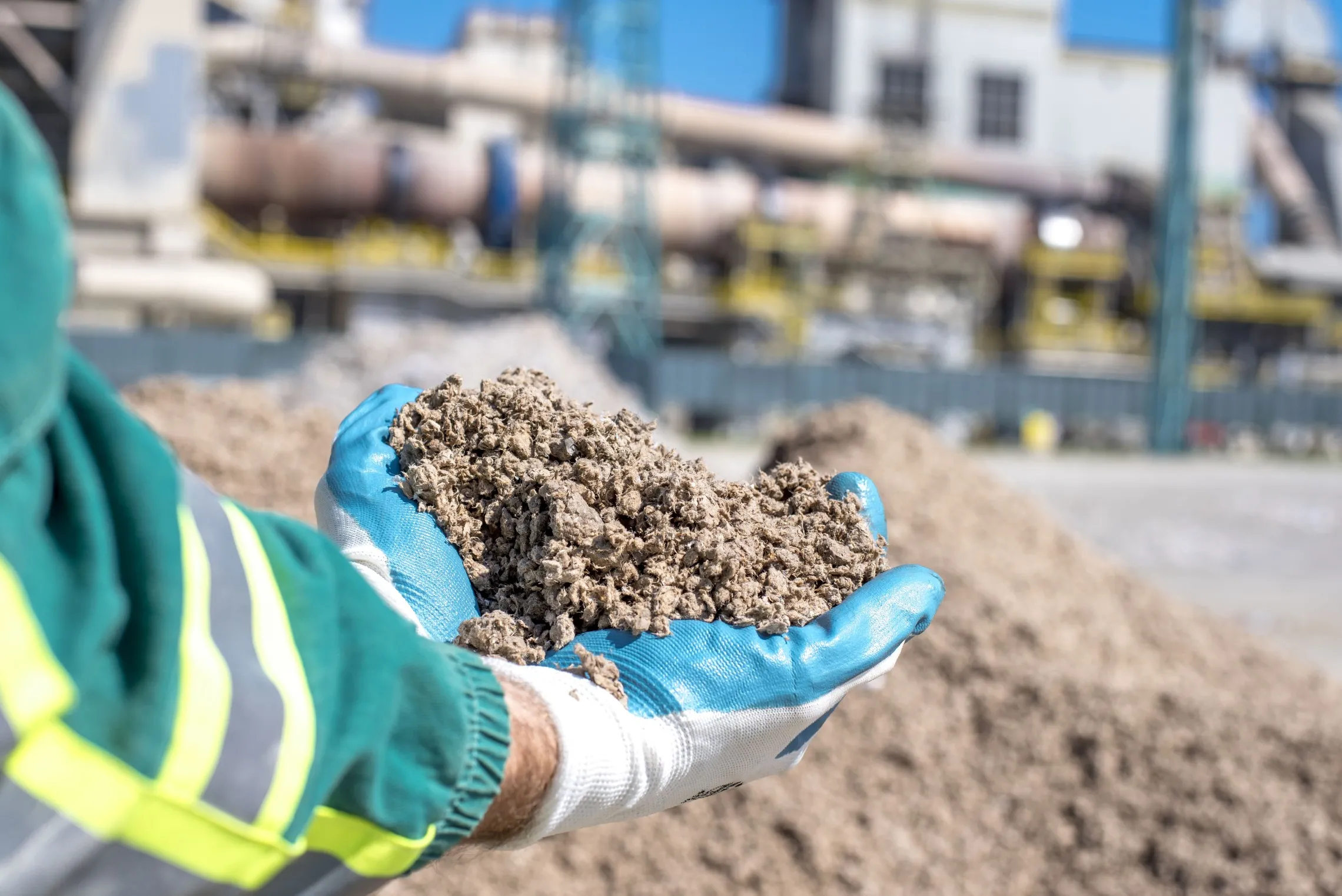
The cement industry possesses a unique ability to co-process diverse waste streams, including municipal solid waste (MSW), plastics, tires, and industrial residues, safely within high-temperature kilns. This dual-purpose approach addresses two of India’s most pressing challenges simultaneously: decarbonisation and waste management. By repurposing waste as a fuel source, cement plants not only reduce their dependence on fossil fuels but also divert millions of tons of waste from landfills, mitigating methane emissions and urban pollution.
The true potential of AFR, however, depends on robust pre-processing infrastructure. Without consistent quality, calorific value, and a standardised particle size, AFR fails to deliver its full benefits, leading to kiln instability and inefficient substitution rates. India has the potential to achieve a 20 per cent Thermal Substitution Rate (TSR) by 2030 and nearly 50 per cent by 2047.
Fornnax Technology’s mission is to accelerate this journey by providing the cutting-edge pre-processing solutions necessary to make AFR integration a seamless, scalable and reliable process for cement producers.
The decarbonisation journey
We position ourselves as a strategic technology partner, not merely an equipment supplier. Our purpose extends beyond selling machinery; we empower the entire cement ecosystem to adopt reliable AFR pre-processing at scale. As Director and CEO Jignesh Kundaria states, “We do not just supply machines; we create pathways for India’s net-zero future.” The company’s shredding and separation technologies are specifically engineered to help cement plants and waste-to-energy businesses progressively integrate waste-derived fuels as a primary energy source, thereby reducing their reliance on fossil fuels.
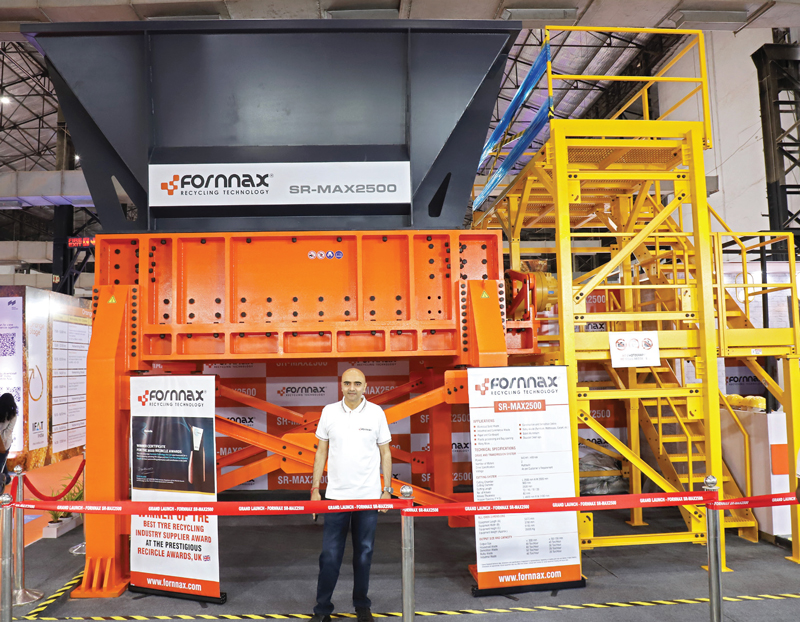
Cement kilns demand feedstock with uniform size, homogeneity, and predictable calorific value. Inconsistent AFR leads to operational instability, higher emissions, and low substitution rates. Fornnax’s advanced shredding systems like the SR-MAX Series Dual Shaft Primary shredders and R-MAX Series secondary shredders process RDF/SRF into an optimised, kiln-ready feedstock, empowering cement plants to steadily increase their TSR without compromising performance or production stability.
Overcoming challenges with tailored solutions
Based on extensive R&D and on-site analysis at numerous cement plants, we have identified and addressed the key bottlenecks hindering AFR adoption in India. These challenges include the absence of a standardised process layout, the difficulty of handling high-moisture or contaminated waste and a heavy reliance on imported equipment that lacks customisation for Indian conditions. Other issues include long lead times for spares, high maintenance costs for imported secondary shredders and inconsistent output from equipment that performs only primary or secondary shredding.
We have addressed these issues by offering custom-engineered solutions specifically tailored to the realities of Indian waste.
Our integrated systems combine both primary and secondary shredding with advanced separation and homogenisation technologies. This ensures the production of consistent, kiln-ready RDF/SRF, reduces downtime and optimises capacity.
Expertise built for India’s reality
Driven by our philosophy of ‘innovation with purpose,’ we develop technology that’s both cutting-edge and practical for local conditions through continuous testing of various waste streams, calorific properties and contamination levels.
The ‘Made in India’ foundation ensures that every shredder we design is custom-engineered for durability and efficiency in local conditions without the high maintenance costs and long lead times of foreign alternatives.
Fornnax advantage rests on four key pillars that guarantee success for our partners:
Unmatched adaptability: Our shredders are designed to process the toughest mixed waste, transforming it into a consistent, high-calorific fuel for stable and efficient kiln operations. Applications include highly contaminated municipal solid waste, tires, industrial waste, electronic waste, cable waste and more.
Engineered for Uptime: A focus on robust, energy-efficient designs minimises downtime and maximises throughput, providing a reliable fuel supply and uninterrupted production.
True partnership: The company works with you beyond the sale, offering a collaborative, long-term approach to help you scale operations and achieve decarbonisation goals.
Local support, global standards: Dedicated after-sales support and local manufacturing mean you get the best of both worlds—world-class technology with the fast service and support needed to keep your plant running smoothly.
Contributing to India’s broader sustainability goals
By enabling cement plants to consume large volumes of waste as AFR, Fornnax contributes significantly to India’s resource recovery and waste diversion goals. Every tonne of waste diverted from landfills and repurposed as fuel reduces harmful methane emissions, lowers fossil fuel imports, and helps create cleaner urban environments. The company’s solutions, therefore, serve both the energy transition and waste management objectives of the nation.
We focus on building a robust AFR supply chain through strategic collaborations with cement companies, municipalities and waste management firms. This network ensures that cement plants have access to a steady and reliable supply of pre-processed, quality-controlled AFR feedstock.
Looking ahead, Fornnax’s blueprint for scaling its role is built on some of the major strategic roadmap, such as:
Expanding capacity by scaling up robust pre-processing equipment for cement plants and waste-to-energy facilities. Fornnax has established one of the world’s largest demonstration plants and test centres for new product development and customer validation, spread across 12 acres. This state-of-the-art facility marks a defining milestone in Fornnax’s journey towards becoming a global leader in recycling solutions by 2030.
Deepening R&D to pioneer next-generation shredders with a strong focus on new applications. This research-driven approach ensures that Fornnax is continuously adapting its technology to address evolving industry challenges and opportunities.
Strengthening ecosystem partnerships with cement producers, municipalities, and policymakers to create a cohesive and efficient value chain.
As Kundaria affirms, “Our vision is to make waste-to-fuel not an exception, but the norm in India’s cement industry. The future of net zero will be written in how we process and repurpose waste today.”
In conclusion, robust AFR pre-processing is not an optional add-on; it is the essential backbone of India’s circular cement economy. Without it, the nation’s ambitious TSR targets cannot be achieved, waste cannot be efficiently repurposed, and the path to net zero will remain incomplete. Fornnax calls on all stakeholders to recognise the critical role of pre-processing and stands ready to be a trusted partner in this transformative journey toward a sustainable future.
ABOUT THE AUTHOR:
Jignesh Kundaria, CEO and Director, Fornnax, is passionate about turning ideas into impactful products, driving innovation, and building high-performing, growth-focused brands.