Raju Ramchandran, SVP and Head Manufacturing – Eastern Region, Safety and Sustainability, Nuvoco Vistas, on the cement industry redefining growth through innovation, circularity and collective action toward a Net Zero future.
Every nation dreams of highways, bridges and cities that symbolise progress. Every individual dreams of a home they can call their own. Behind both these dreams stands one material — cement. It is the silent architect of our aspirations and the backbone of economies. From sheltering families to shaping skylines, cement has been at the heart of human advancement.
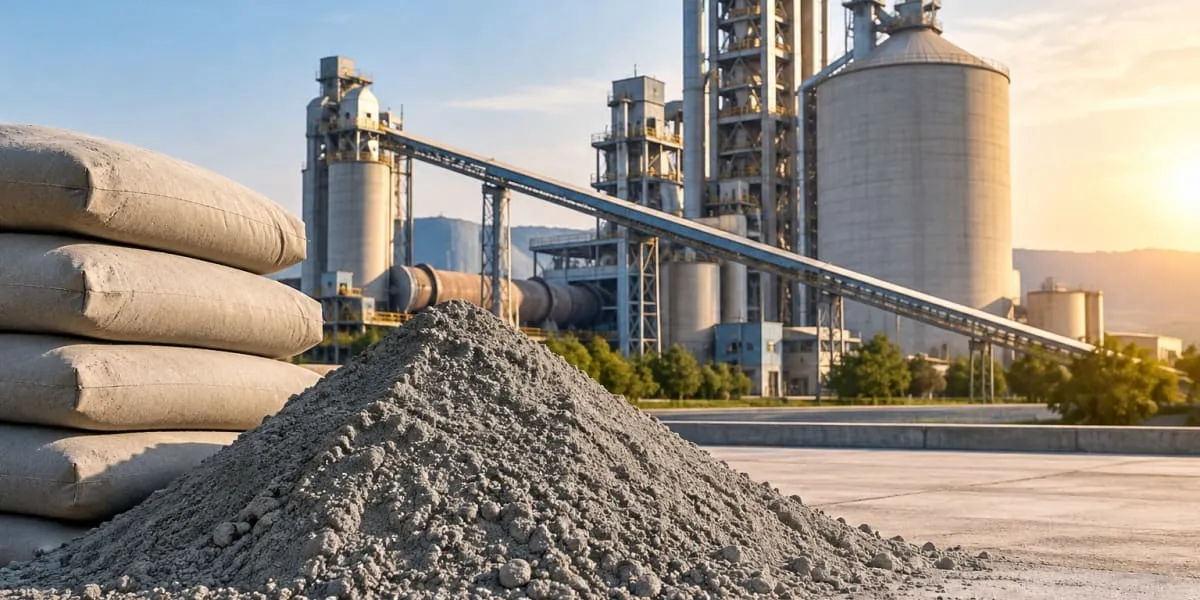
According to the World Economic Forum, cement and concrete are the world’s most widely used human-made materials. As the world continues to build, the role of cement is becoming even more crucial — not only in enabling growth but also in shaping a sustainable future. Today, it is imperative to align the vision of building developed nations and better lives with the responsibility of protecting our planet for generations to come. Achieving this balance requires a fundamental shift in how we produce, transport and consume cement.
This transition is far too significant for any single technology or organisation to achieve alone. Real progress will emerge when businesses, policymakers, investors, and communities move forward together. Building on this collective momentum, the Indian cement sector has outlined a clear pathway to achieve net-zero CO2 emissions by 2070, under the Decarbonisation Roadmap for the Indian Cement Sector. This initiative underscores the industry’s shared responsibility to mitigate environmental impacts while supporting sustainable development.
Taking this vision a step further, the sector is complementing emission reduction with initiatives that restore nature and promote circularity. By advancing water stewardship, biodiversity protection and circular economy practices, the industry is embracing nature-based solutions that not only mitigate environmental impact but actively regenerate natural systems. These efforts position the cement sector to play a central role in halting and reversing nature loss by 2030, in alignment with the Global Biodiversity Framework (GBF).
The journey to decarbonise cement and concrete touches every link in the value chain — from sourcing raw materials to producing clinker, from pouring concrete on construction sites to rethinking design with reuse, recycling and 3D printing in mind. Each stage offers an opportunity to reduce emissions through innovation and collaboration.
In this context, Indian cement producers are expanding their portfolio of sustainable products. Almost all manufacturers today produce Portland Slag Cement (PSC), Portland Pozzolana Cement (PPC), and Portland Composite Cement (PCC) — each reducing clinker content while maintaining consistent quality and performance. This shift reflects the industry’s recognition that sustainability is not an option but a necessity.
Exploring sustainable alternatives
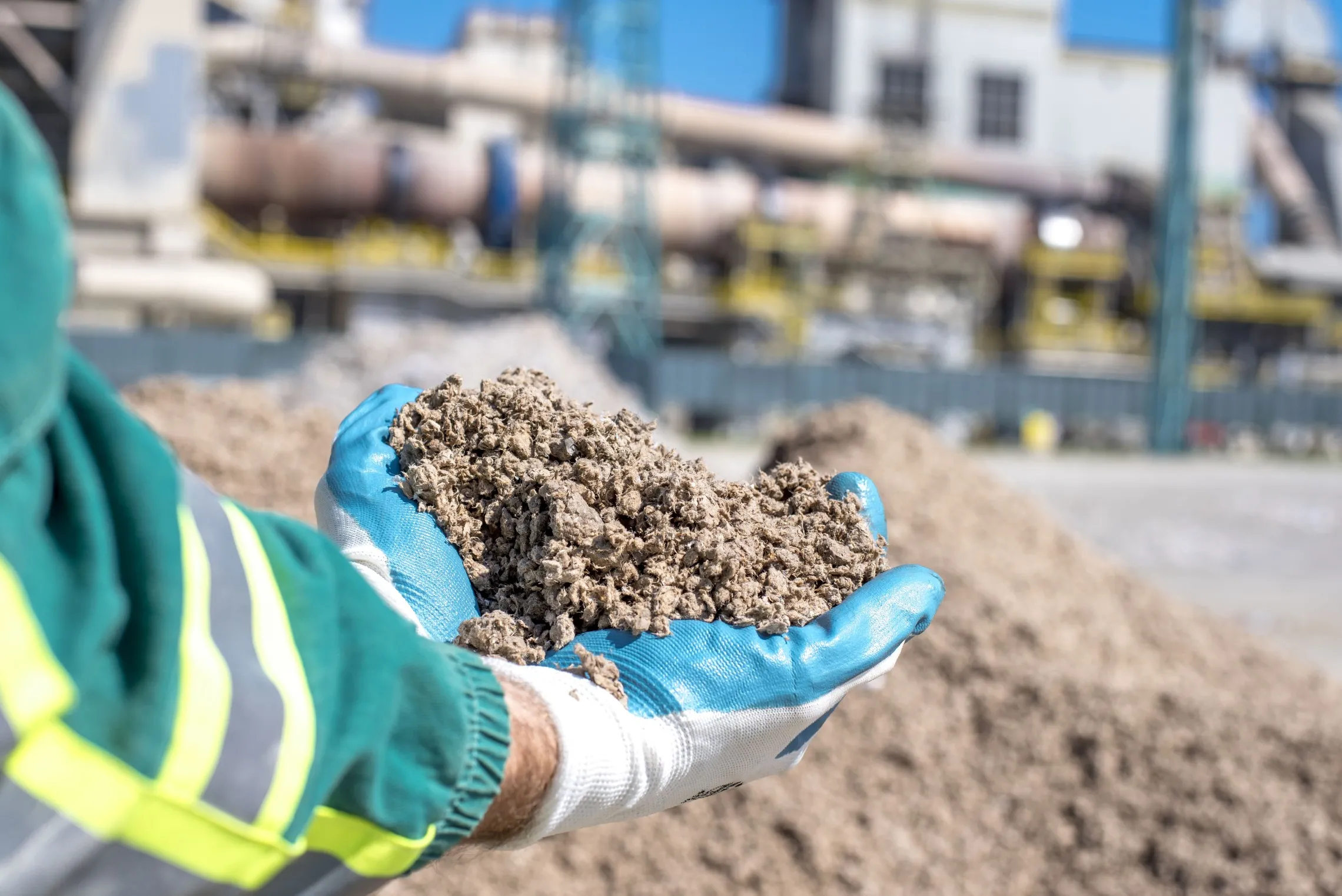
A key enabler of this transformation is the use of Alternative Raw Materials (ARMs) such as slag, fly ash and other industrial by-products. These materials partially replace limestone and clinker — the most carbon-intensive components of cement manufacturing. By integrating slag from steel plants or fly ash from power stations, producers not only cut emissions but also divert waste from landfills, helping preserve finite natural resources.
Equally critical is the adoption of Supplementary Cementitious Materials (SCMs) like silica fume, calcined clay, rice husk ash, and natural pozzolans. Blending these materials with clinker reduces energy intensity while improving strength, durability, and workability, thus delivering both performance and sustainability gains.
Together, ARMs and SCMs foster a circular economy, transforming industrial waste into valuable inputs, conserving raw materials, and enabling sustainable construction.
Complementing these innovations are advanced manufacturing practices such as Waste Heat Recovery Systems (WHRS), which capture excess heat from clinkerisation and convert it into clean power. Combined with renewable energy adoption, digital optimisation, and green logistics, these efforts are steering the sector toward Net Zero operations.
Sustainability, however, doesn’t end at production. It extends into packaging, transport, and consumption. The industry is increasingly using recyclable poly bags, bulk cement packaging and rail-based logistics to reduce carbon emissions. Further, CNG-powered trucks, Transition from Diesel based Heavy Earth Moving Machinery (HEMM) to EV vehicles and GPS-enabled fleet monitoring are helping lower the carbon footprint across supply chains.
At the same time, end consumers — builders, contractors, and Individual Home Builders — play a crucial role. Choosing blended, eco-friendly cements, adopting responsible construction practices, and minimising material waste on sites can collectively make a meaningful impact.
Building sustainably is no longer only the producer’s responsibility; it is a shared duty across the value chain, from source to consumption. This holistic approach, where innovation meets accountability, defines the path forward.
From reducing emissions to restoring ecosystems, the cement industry is laying the foundation
for resilient infrastructure and a nature-positive, sustainable future.
As the Head of Manufacturing, Safety and Sustainability at Nuvoco Vistas Corp, I believe sustainability is not an initiative but a way of doing business. It is deeply embedded in every process and product, from co-processing waste and developing green cements to expanding WHRS capacity, promoting renewable energy, and enhancing logistics efficiency. In alignment with the cement industry’s 2070 Net Zero vision, Nuvoco has reduced its CO2 intensity to 453.8 kg per tonne of cementitious material, guided by our mission of ‘Building a Safer, Smarter and Sustainable World.’
ABOUT THE AUTHOR:
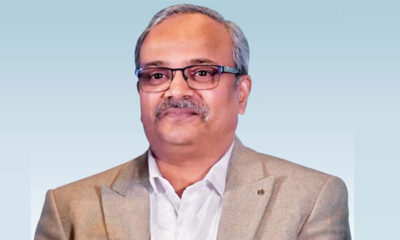
Raju Ramchandran, SVP and Head Manufacturing – Eastern Region, Safety and Sustainability, Nuvoco Vistas, oversees multiple high-capacity plants, excelling in operations, project management, and team development across greenfield and brownfield projects.

















 Concrete1 month ago
 Concrete4 weeks ago
 Concrete1 month ago
 Concrete3 weeks ago