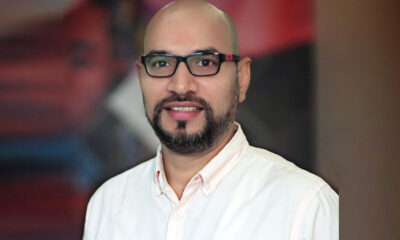
Nitin Jain, Unit Head – Integrated Plant, Nimbahera, Wonder Cement talks about how they are setting new standards for environmental stewardship in the industry.
Can you provide an overview of your company’s current circular economy initiatives and how they are integrated into the cement manufacturing process?
In recent years, the manufacturing sector has made significant progress in various areas. However, there’s an ever-increasing demand for solutions that are both environmentally responsible and economically viable. This is where Wonder Cement has carved out a distinctive niche. Wonder Cement has positioned itself as an industry pioneer, offering products that redefine quality standards in cement manufacturing. Their cement is engineered to deliver exceptional strength and durability, while also incorporating sustainable practices in its production. This combination of high performance and environmental consciousness sets Wonder Cement apart in a competitive market.
By focusing on innovation, we are not just meeting current industry needs, but actively shaping the future of sustainable construction. Their approach demonstrates how forward-thinking companies can drive positive change in the building materials sector, paving the way for more resilient and eco-friendly infrastructure. Wonder Cement is actively adopting circular economy strategies to reduce its ecological footprint and lead the way in sustainable cement production. By implementing innovative recycling and resource efficiency measures, the company is working to transform its manufacturing processes and promote environmental stewardship in the industry.
Utilisation of Alternative Fuels (AF) plays a pivotal role in advancing the circular economy within the cement industry. Wonder Cement is utilising waste materials such as plastics, RDF, MSW, Pharma waste, FMCG products, Hazardous industrial by-products, and biomass into the production process, thereby significantly reducing its reliance on traditional fossil fuels.
Utilisation of alternative raw materials in the cement industry is a key strategy for enhancing sustainability and resource efficiency. Wonder Cement has substituted traditional raw materials like limestone with industrial by-products such as fly ash, marble slurry, chemical gypsum, red mud, mine telling reject, alumina slat, iron sludge, etc. Wonder Cement not only reduces its reliance on natural resources but also mitigates environmental impacts.
Wonder Cement has embarked on a pioneering endeavour by integrating a Waste Heat Recovery System (WHRS), epitomising the circular economy paradigm. By harnessing the excess thermal energy generated during the clinkerisation process, the WHRS ingeniously repurposes this residual heat to produce electricity. This innovative closed-loop system significantly amplifies energy efficiency, substantially diminishes reliance on external power sources, and exemplifies a beacon of sustainability in the cement industry.
Low-carbon cement production is an innovative approach by Wonder Cement aimed to reduce the carbon footprint associated with traditional cement manufacturing. This process involves several strategies to minimise CO2 emissions, which are typically high due to the energy intensive nature of clinker production. The production of blended cement, Portland Pozzolana Cement (PPC) involves mixing clinker with supplementary materials like fly ash. This not only reduces CO2 emissions but also enhances the durability and performance of the cement.
Recycling and reuse: Wonder Cement is managing wastewater, ensuring environmental protection, and promoting sustainable practices by Effluent Treatment Plant (ETP) and Sewage Treatment Plant (STP). Also, bed ash and fly ash generated from Captive Power Plant are used as a raw material for cement production.
Sustainable mining practices: Wonder Cement has adopted fully mechanised opencast limestone mining, utilising advanced technology which provides a highly efficient and environmentally responsible method for resource extraction. State-of-the-art machinery enables controlled blasting, effective vibration management, and noise reduction, significantly minimising the environmental impact of mining operations.
Research and development: Wonder Cement is making significant investments in research and development to find alternatives to traditional fossil fuels such as coal and pet coke etc. as well as to explore substitutes for raw materials like limestone, mineral gypsum etc. used in clinker and cement production. These initiatives aim to enhance sustainability by reducing dependency on non-renewable resources and minimising the environmental impact of cement manufacturing. By developing innovative solutions and alternative materials, Wonder Cement is paving the way for a more eco-friendly and efficient approach to cement production.
Digital technologies: Advance technologies are transforming the cement industry by enhancing efficiency, reducing costs, and improving sustainability. In Wonder Cement, we have developed advanced predictive maintenance for equipment monitoring. With the help of predictive maintenance system AI/ ML algorithms analyse data from sensors on machinery to predict potential failures before they occur.
This helps in scheduling maintenance activities proactively, reducing downtime and extending equipment life.
Wonder Cement has introduced AI technology to optimise operations in cement kiln, raw mill and cement mill. By integrating AI technologies into cement kilns, raw mills, and cement mills, Wonder Cement has achieved greater operational efficiency, improved product quality and enhanced sustainability. AI-driven insights and automation help in optimising processes, reducing energy consumption, and maintaining equipment reliability, leading to a more efficient and environmentally friendly production process.
Wonder Cement recognises the critical role of Operational Technology (OT) in enhancing efficiency and productivity within the manufacturing sector. Understanding that the importance of robust OT cybersecurity measures cannot be overstated, we are actively working to safeguard our complex industrial processes from potential threats. By implementing a comprehensive security strategy and adhering to best practices, Wonder Cement positions itself as a future leader in protecting its operations, employees, and data, thereby ensuring uninterrupted production and resilience against the growing threat of cyberattacks.
The company leverages cutting-edge automation in its state-of-the-art robotic laboratory, enabling the complete automation of processes from sample collection through to the analysis of the final product, effectively eliminating the need for manual intervention. Additionally, Wonder Cement’s integration of an advanced cross-belt analyser system represents a strategic initiative aimed at achieving circular economy objectives by enhancing the efficiency and sustainability of natural resource utilisation.
Apart from the core technical prowess, our organisation has set a new benchmark in the cement industry by leading the way in digital transformation. By pioneering the use of advanced technology, the company has successfully implemented paperless systems across logistics, inventory management and financial accounting, establishing a new standard for operational excellence and efficiency.
What are the main challenges you face in implementing circular economy practices in the cement industry, and how are you addressing them?
Implementing circular economy practices in Wonder Cement involves navigating several challenges.
- Consistent quality of waste materials: Securing high-quality waste materials that meet rigorous standards is challenging due to variability. We address this by implementing stringent quality control measures and developing strong partnerships with suppliers to ensure reliability.
- Financial constraints: Adopting circular economy practices often requires significant investment in new technologies and processes. We focus on projects that provide substantial economic and environmental benefits to manage financial constraints.
- Regulatory challenges: Strict regulations around the use of certain waste materials can pose obstacles. We proactively collaborate with regulatory authorities to ensure compliance and advocate for supportive policies that facilitate the transition to circular economy practices.
How does your company incorporate waste materials and by-products into the cement production process to promote resource efficiency?
Wonder Cement integrates a diverse array of waste materials and by-products into its cement production process to boost resource efficiency. We incorporate various waste materials, including plastics, Refuse-Derived Fuel (RDF), Municipal Solid Waste (MSW), pharmaceutical waste, FMCG by-products, hazardous industrial residues, and biomass. This approach significantly reduces our dependence on conventional fossil fuels. Additionally, Wonder Cement has partially substituted traditional raw materials like limestone, mineral gypsum etc. with industrial by-products such as marble slurry, chemical gypsum, red mud, mining reject, alumina slat, iron sludge etc. This strategy not only lessens our reliance on natural resources but also mitigates environmental impacts. The use of fly ash in Portland Pozzolana Cement (PPC) is a key example, supplementing clinker to lower CO2 emissions while enhancing the durability and performance of the cement.
Can you discuss specific projects or partnerships your company has undertaken to advance circular economy principles in cement manufacturing?
Wonder Cement is leading the way in advancing circular economy principles through several innovative projects and partnerships. We have collaborated with local municipalities to use municipal solid waste (MSW) as an alternative fuel in our kilns. Additionally, we have teamed up with pharmaceutical and FMCG companies to process waste material as alternative fuels into our kilns. These partnerships help divert waste material, convert it into energy, and reduce our dependence on traditional fossil fuels. These collaborations are crucial in developing new materials and technologies that further enhance the sustainability of our operations.
What role do recycling and reuse of materials play in your circular economy strategy, and can you provide examples of successful implementations?
Recycling and reuse are key components of Wonder Cement’s circular economy strategy. We prioritise the integration of recycled industrial by-products and waste materials, including fly ash, marble slurry, chemical gypsum, red mud, mining rejects, alumina salt, and iron sludge. Additionally, we manage wastewater through our Effluent Treatment Plant (ETP) and Sewage Treatment Plant (STP), ensuring environmental protection and promoting sustainable practices. Bed ash and fly ash from our Captive Power Plant are also utilised as raw materials in our cement production process.
How do you measure the impact and success of your circular economy initiatives, and what key metrics are used?
Wonder Cement measures the impact and success of our circular economy initiatives using a variety of environmental, operational, and financial metrics. Key performance indicators include the percentage of alternative raw materials and fuels used in production, reductions in CO2 emissions per tonne of cement and the amount of waste diverted from landfills through recycling and reuse. We track our energy consumption and water usage to evaluate the efficiency of our resource management practices. Our integrated management systems provide real-time data and insights on these metrics. Regular audits and assessments help us gauge the effectiveness of our initiatives, identify areas for improvement, and refine our strategies. The insights gained from these evaluations guide the setting of new sustainability targets and the continuous enhancement of our practices.
What innovations or technologies are being developed or utilised by your company to support circular economy practices in cement production?
Advanced technologies are revolutionising the cement industry by improving efficiency, lowering costs, and boosting sustainability. At Wonder Cement, we have implemented advanced predictive maintenance software for equipment monitoring. Our predictive maintenance system uses AI/ ML algorithms to analyse data from machinery sensors, enabling us to predict potential failures before they occur. This proactive approach helps schedule maintenance activities, reduce downtime and extend equipment life. Additionally, we have integrated AI technology to optimise operations across kiln, raw mill and cement mill. This integration has led to improved operational efficiency, enhanced product quality, and greater sustainability. AI-driven insights and automation optimise processes, reduce energy consumption, and ensure equipment reliability, contributing to a more efficient and environment friendly production process.
Looking ahead, what are your company’s strategic priorities for enhancing circular economy practices, and what future projects or goals do you have in this area?
Wonder Cement is committed to enhancing circular economy practices through several strategic priorities. We plan to increase the use of alternative raw materials and fuels in our production processes and expand our collaborations with industries that produce compatible by-products. Our goal is to develop new products with higher recycled content, such as eco-friendly cement blends, to deliver additional environmental benefits. We are conducting research and development to explore the possibility of synthetic gypsum as a substitute of mineral gypsum and many more such alternative raw materials. By focusing on these priorities, we aim to lead the cement industry in circular economy practices and contribute to a more sustainable future.
– Kanika Mathur

















 Concrete4 weeks ago
 Concrete2 weeks ago
 Concrete2 weeks ago
 Concrete4 weeks ago