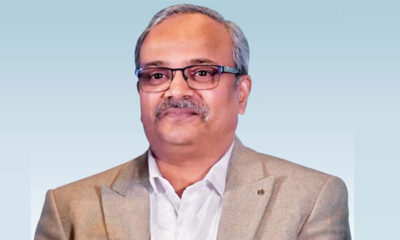
Vikas Garg, Energy Manager, Udaipur Cement Works Ltd (UCWL), discusses sustainability, cost reduction and meeting regulatory requirements while maintaining high production standards.
Provide an overview of your company’s current initiatives and strategies to enhance energy efficiency in cement production.
Enhancing energy efficiency in cement production is crucial for reducing costs, minimising environmental impact, and meeting regulatory requirements. Our company is adopting various initiatives and strategies to improve energy efficiency like:
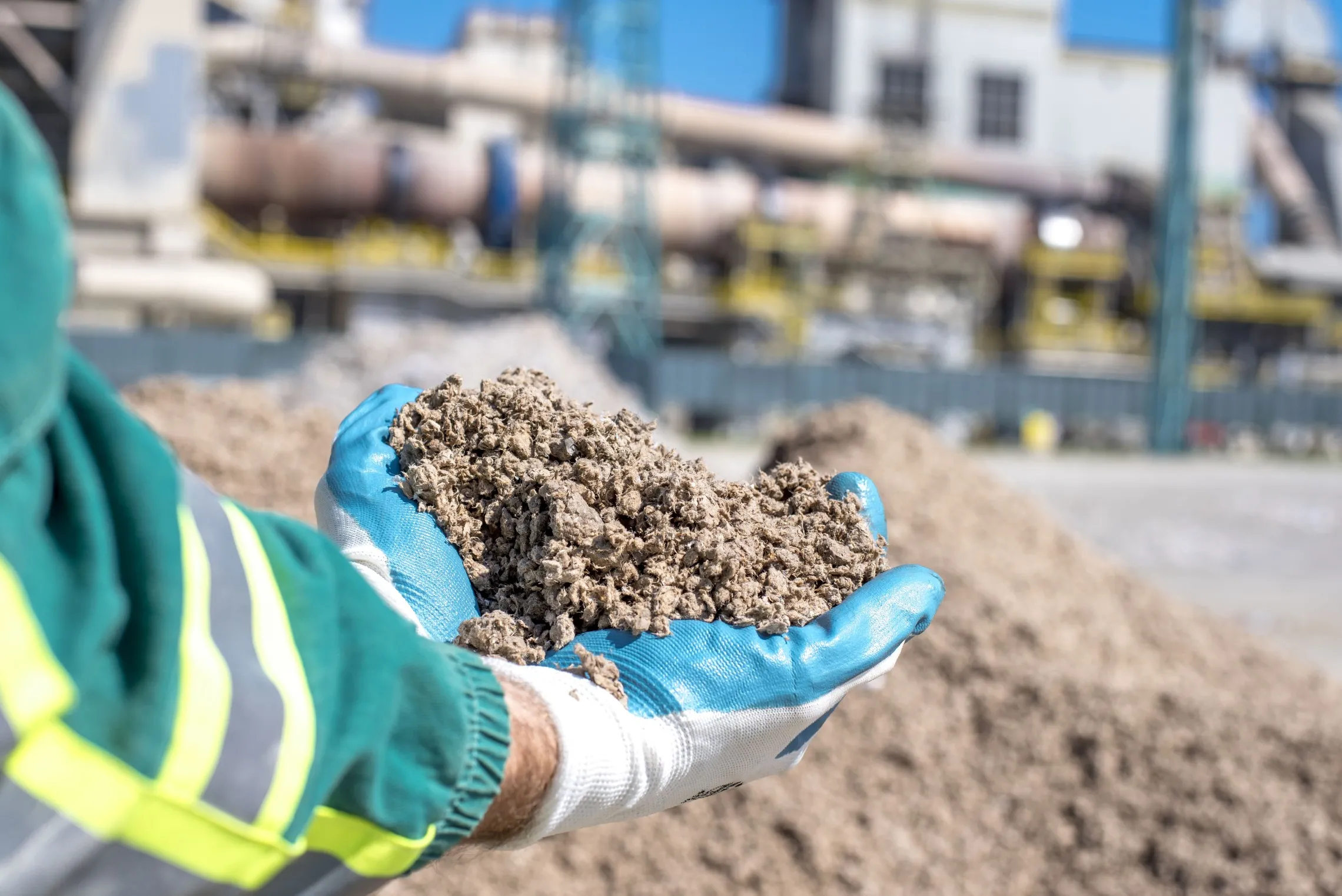
- Substitution of fossil fuels and raw material with alternative fuels like waste derived fuels and industrial by-products.
- Implementation of ML/AI based process optimisation systems to optimise the kiln and grinding operations.
- Implementing EMS for identifying areas for improvement, and ensuring energy efficiency goals are met with.
- Improvement in kiln efficiency by upgrading or retrofitting kilns with more efficient preheaters and pre-calciners to reduce the amount of fuel required, leading to energy savings.
- Energy efficient grinding technologies by replacing traditional ball mills with vertical roller mills and using high-efficiency separators in grinding circuits.
- Focus on increasing blended cement.
What are the key challenges your company faces in implementing energy-efficient practices in the cement manufacturing process?
Implementing energy efficient practices in the cement manufacturing process presents several challenges. Here are some of the key challenges our companies often face:
- The upfront costs for adopting energy-efficient technologies can be substantial. For companies with tight budgets or operating in low-margin markets, capital investment can be prohibitive.
- Retrofitting existing equipment to accommodate new technologies may require extensive modifications, leading to downtime and additional costs
- The regulatory landscape for energy use and emissions is constantly changing.
- Energy costs and supply are volatile, making it difficult to predict the return on investment for energy-efficient initiatives.
- Measuring the actual energy savings and verifying the effectiveness of new technologies are sometimes complex.
- Maintaining energy efficiency measures without compromising production in high demand periods is challenging.
How do advancements in technology contribute to improving energy efficiency in your cement plants? Can you provide some examples?
Advancements in technology play a crucial role in improving energy efficiency in cement plants. Here are some ways in which these
technologies contributed:
- Implementation of ML/AI based process optimisation system helped in optimising kiln and grinding operations
- Waste Heat Recovery (WHR) systems help in reducing energy cost and dependency on grid, replacing old ball mills with a VRM reduced energy consumption in the grinding process by up to 30 per cent.
- IoT-enabled sensors monitor energy use across different processes and automatically adjust operations to minimise energy waste, such as reducing power to idle equipment or optimising lighting and HVAC systems.
- The use of multi-channel burners, which optimise the mix of primary and secondary air, improved combustion efficiency in the kiln, reducing energy use and emissions.
- EMS provided an integrated platform for monitoring, analysing, and optimising energy use across the entire plant. It helped in identifying energy-saving opportunities and track the performance of implemented measures.
- Floating solar technology improved overall renewable energy integration.
What role does renewable energy play in your overall strategy for energy efficiency, and how is it integrated into your cement manufacturing operations?
Renewable energy plays a significant role in enhancing energy efficiency and reducing the carbon footprint in cement manufacturing. Integrating renewable energy into cement operations aligns with broader sustainability goals and helps in mitigating the environmental impact of the industry. We have reduced our needs of electricity from the grid up to 50 per cent by utilising renewable energy.
Can you discuss any specific projects or upgrades your company has undertaken to reduce energy consumption and increase efficiency in your cement production facilities?
Cement companies have undertaken various projects and upgrades to reduce energy consumption and increase efficiency in their production facilities. Here are some specific examples of such initiatives:
- Alternative Fuels and Raw Materials (AFR)
- Installation of Vertical Roller Mills (VRM)
- Modifications in Preheater and Kiln Burners.
- Energy Management Systems (EMS)
- Clinker Substitution Projects
- ML / AI based Digitalisation and Automation Projects
- Solar Power Integration
- Modifications in Waste Heat Recovery (WHR) Systems to increase generation.
How do you measure and monitor energy efficiency in your cement manufacturing processes, and what metrics are most critical for your company?
Measuring and monitoring energy efficiency in cement manufacturing is essential for optimising operations, reducing energy consumption, and minimising environmental impact:
- Energy Management Systems (EMS): EMS track energy consumption at different stages of cement production, identify inefficiencies, and suggest corrective actions.
- Key Performance Indicators (KPIs)
- Critical KPIs:- Specific Energy Consumption (SEC):
- kWh/tonne of cement, kcal/kg of clinker
- – CO2 emissions per tonne of cement
- Fuel mix ratio
- Clinker factor
- Energy audits and benchmarking audit results are compared with industry benchmarks to evaluate performance and set improvement targets.
- Data analytics and reporting: Data collected from various monitoring systems is analysed to generate detailed reports on energy performance.
- Energy performance certificates and certifications such as ISO 50001.
- Energy forecasting and planning.
What partnerships or collaborations has your company engaged in to promote and enhance energy efficiency within the cement industry?
UCWL is engaged in partnerships and collaborations to promote and enhance energy efficiency within the industry.
- Collaborations with technology providers of ML/AI based process optimisation systems.
- Global cement and concrete association (GCCA).
- National cement associations: collaborating with national cement associations allows companies to contribute to and benefit from industry-wide efforts to improve energy efficiency through shared knowledge, resources and advocacy.
- Supply chain collaborations like green procurement practices and efficient transportation networks.
- Collaborating with academic institutions for educational programs, workshops, and research can help develop the next generation of energy-efficient technologies and practices in the cement industry.
- Carbon trading and offset programmes.
How does your company balance the need for energy efficiency with maintaining high production levels and meeting market demands?
Balancing energy efficiency with maintaining high production levels and meeting market demands is a critical challenge for cement companies. Achieving this balance involves strategic planning, process optimisation, and continuous improvement.
- Optimising production processes by using sensors and automation systems to monitor and adjust real time operation.
- Flexible energy management by participating in demand response programs which can help manage energy use during peak periods and using energy storage systems to manage fluctuations in energy supply.
- Balancing production and efficiency targets by setting key performance indicators (KPIs) for both production output and energy efficiency ensuring that both goals are tracked and managed effectively.
- Employee training and engagement.
- Implementing best practices and industry standards.
- Strategic production planning using forecasting tools to predict market demand and adjust production schedules accordingly.
Looking ahead, what are your company’s strategic priorities for further improving energy efficiency, and how do you plan to address future energy challenges in the cement industry?
UCWL is likely to focus on several strategic priorities to further improve energy efficiency and address future energy challenges. These priorities typically align with broader sustainability goals and emerging trends in technology and regulation such as:
- Expanding renewable energy integration because increasing the use of renewable energy sources helps reduce reliance on fossil fuels and lower carbon emissions.
- Accelerating technology adoption by integrating digital tools, automation and energy-efficient equipment
- Enhancing waste heat recovery and improving waste heat recovery systems can significantly reduce energy consumption.
- Researching and producing low-carbon cements that require less energy to produce and reduce overall emissions.
- Improving energy efficiency in existing operations by energy audits and energy management systems.
- Adopting circular economy principles by implementing practices to recycle and reuse materials within the production process, such as
- using industrial by-products as supplementary cementitious materials.
- Strengthening regulatory and industry collaborations working with industry peers and organisations to share best practices, collaborate on research, and develop common standards for energy efficiency.
- Addressing future energy market dynamics by developing flexible energy procurement strategies to manage cost fluctuations and ensure stable energy supply.
– Kanika Mathur