Gears, drives, and motors are essential for efficient cement production, and advancements in materials, design and technology enhance their performance. ICR discusses regular maintenance and smart manufacturing practices, including AI and IoT integration, which ensure optimal operation, reduced downtime and extended lifespan.
In the cement industry, gears, drives and motors play crucial roles in ensuring the efficient operation of machinery and equipment essential for cement production. These components are integral to various processes, including the extraction, crushing, grinding, and transportation of raw materials, as well as the production and packaging of the final cement product.
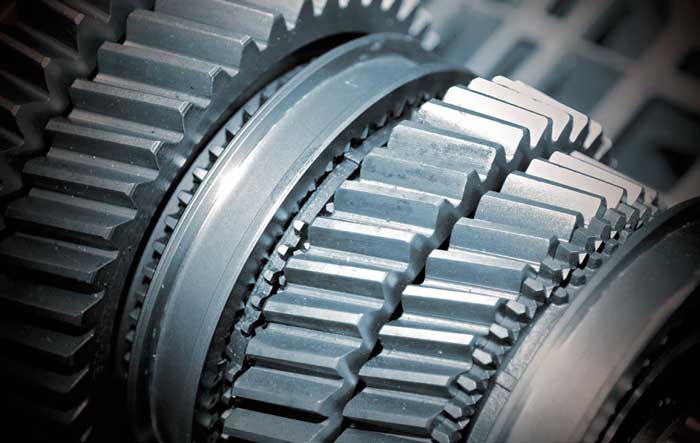
Gears are mechanical components that transmit torque and rotation from one part of a machine to another. In cement plants, gears are used in a variety of applications, such as in rotary kilns, ball mills, and crushers. They help in reducing the speed and increasing the torque to achieve the desired output for specific machinery. The types of gears commonly used include helical, bevel, and spur gears, each chosen for its specific advantages in terms of strength, efficiency, and suitability for particular tasks.
According to a market research report by IMARC, the global gear manufacturing market size reached US$ 80.0 billion in 2023. Looking forward, IMARC Group expects the market to reach US$ 131.4 billion by 2032, exhibiting a growth rate (CAGR) of 5.5 per cent during 2024-2032.
Drives refer to the mechanisms that provide the necessary power to operate various machines. In the cement industry, drive systems can be mechanical, hydraulic, or electrical. Mechanical drives, such as belt and gear drives, are often used for their simplicity and reliability. Hydraulic drives offer precise control and are used in applications where variable speed and torque are required. Electrical drives, which include variable frequency drives (VFDs), are increasingly popular for their energy efficiency and ability to provide precise speed control. Drives ensure that machinery operates at the optimal speed and torque, enhancing productivity and reducing wear and tear.
Motors are the heart of the drive systems, converting electrical energy into mechanical motion. In cement plants, motors power various machines, such as conveyors, crushers, mills, and fans. The selection of motors—whether AC, DC, synchronous, or asynchronous—depends on the specific requirements of the application, including the need for variable speed control, starting torque, and energy efficiency. Motors must be robust and reliable to withstand the harsh operating conditions typical in cement production environments.
The integration of gears, drives, and motors in the cement industry is essential for maintaining continuous and efficient operations. These components work together to ensure that machinery runs smoothly, minimising downtime and maximising output. Moreover, advancements in technology have led to the development of more efficient and durable gears, drives, and motors, contributing to the overall sustainability and cost-effectiveness of cement manufacturing processes. Their proper selection, maintenance and operation are critical to the productivity and longevity of cement plants.
Advancements and technology
Recent advancements in gear, drive, and motor technology have significantly enhanced the efficiency, reliability, and functionality of these critical components in the cement industry. These technological developments are largely driven by the principles of Industry 4.0 and smart manufacturing, which emphasise automation, data exchange, and the integration of cyber-physical systems. Advancements coupled with the transformative impact of Industry 4.0 and smart manufacturing, have revolutionised the cement industry. These innovations have led to more efficient, reliable and sustainable operations, positioning the industry for continued growth and competitiveness in the digital age.
“Advancements in gear technology have significantly enhanced the efficiency and performance of cement manufacturing processes at Wonder Cement. Modern gears, crafted from high-strength alloys and featuring advanced surface treatments, offer superior durability and wear resistance. This results in reduced friction and energy loss, allowing for more efficient power transmission. Precision engineering and innovative designs enable gears to handle higher loads with greater reliability, minimising downtime and maintenance costs. By integrating these state-of-the-art gear systems, Wonder Cement achieves optimal operational performance, ensuring that our production lines run smoothly and efficiently,” says Piyush Joshi, Associate Vice President – Systems and Technical Cell, Wonder Cement.
“The improved efficiency not only lowers energy consumption but also contributes to a more sustainable manufacturing process, aligning with our commitment to environmental stewardship and operational excellence. The incorporation of advanced technologies, including artificial intelligence (AI) and machine learning (ML), represents a significant innovation in the cement industry. At Wonder Cement, these state-of-the-art tools have been instrumental in optimising operations, reducing energy consumption and enhancing overall productivity,” he adds.
Gears have seen improvements in materials and design. The use of advanced materials, such as high-performance alloys and composite materials, has resulted in gears that are stronger, lighter and more resistant to wear and corrosion. Precision manufacturing techniques, including computer-aided design (CAD) and computer-aided manufacturing (CAM), have enabled the production of gears with tighter tolerances and better surface finishes, reducing friction and improving efficiency. Additionally, innovative lubrication solutions and surface treatments have extended the lifespan of gears, reducing maintenance needs and downtime.
Drives have benefited from the integration of digital technologies. Variable Frequency Drives (VFDs) and intelligent drive systems now offer enhanced control and flexibility, allowing for precise speed and torque adjustments to match the operational demands of cement production processes. These advanced drives are equipped with sensors and connectivity features that enable real-time monitoring and diagnostics, facilitating predictive maintenance and reducing the risk of unexpected failures. The adoption of energy-efficient drives has also contributed to significant energy savings and reduced carbon emissions.
Motors have evolved with advancements in design, materials, and control technologies. High-efficiency motors, such as permanent magnet synchronous motors (PMSMs) and brushless DC motors (BLDCs), offer superior performance and energy efficiency compared to traditional induction motors. Innovations in motor control, including the use of sophisticated algorithms and power electronics, have improved the precision and responsiveness of motor operations. Furthermore, smart motors equipped with IoT (Internet of Things) capabilities can communicate with central control systems, providing valuable data for optimising performance and maintenance schedules.
Industry 4.0 and smart manufacturing have profoundly impacted gears, drives, and motors by introducing connectivity, automation, and data analytics into the manufacturing environment. Smart sensors and IoT devices embedded in these components enable continuous monitoring of their operational status, allowing for real-time data collection and analysis. This data-driven approach facilitates predictive maintenance, where potential issues are identified and addressed before they lead to equipment failure, thereby enhancing reliability and reducing downtime.
The integration of artificial intelligence (AI) and machine learning (ML) algorithms further enhances the capabilities of smart manufacturing systems. These technologies can analyse vast amounts of data to identify patterns and optimise processes, leading to improved efficiency and productivity. For instance, AI-driven optimisation can adjust motor speeds and gear ratios in real-time to match varying loads and operational conditions, ensuring optimal performance and energy usage.
Common issues and troubleshooting
Maintaining gears, drives, and motors is essential for efficient cement plant operations, reducing downtime and extending equipment lifespan. Regular maintenance practices prevent failures and ensure reliability.
Gears require regular inspection and lubrication to avoid wear and tear. Common issues include surface wear, misalignment, and overheating. Proper alignment during installation and regular checks can prevent these problems. Using high-quality materials and maintaining a clean environment mitigates pitting and corrosion.
Drives need regular maintenance to ensure efficient operation. Mechanical drives can suffer from belt and chain wear, which requires inspection and replacement. Hydraulic drives may have leaks; tightening fittings and replacing seals can prevent this. Electrical drives can face motor burnout or VFD failure, prevented by proper wiring and avoiding overloads. Addressing excessive vibration and noise through balancing and alignment checks is also crucial.
Motors are vital to drive systems and require diligent maintenance. Bearing failures, overheating, and electrical faults are common issues. Regular lubrication, adequate cooling, and electrical inspections can prevent these problems. Vibration and noise often indicate misalignment or bearing issues, which can be detected and addressed through vibration analysis.
Troubleshooting techniques involve systematic inspection and analysis. Visual inspections, vibration analysis, thermography, lubrication analysis, and electrical testing are effective methods. Implementing a proactive maintenance strategy with regular inspections, timely lubrication, and condition monitoring enhances the reliability and longevity of gears, drives, and motors in the cement industry.



















 Concrete4 weeks ago
 Concrete2 weeks ago
 Concrete2 weeks ago
 Concrete4 weeks ago