Concrete
India’s Infrastructure Vision

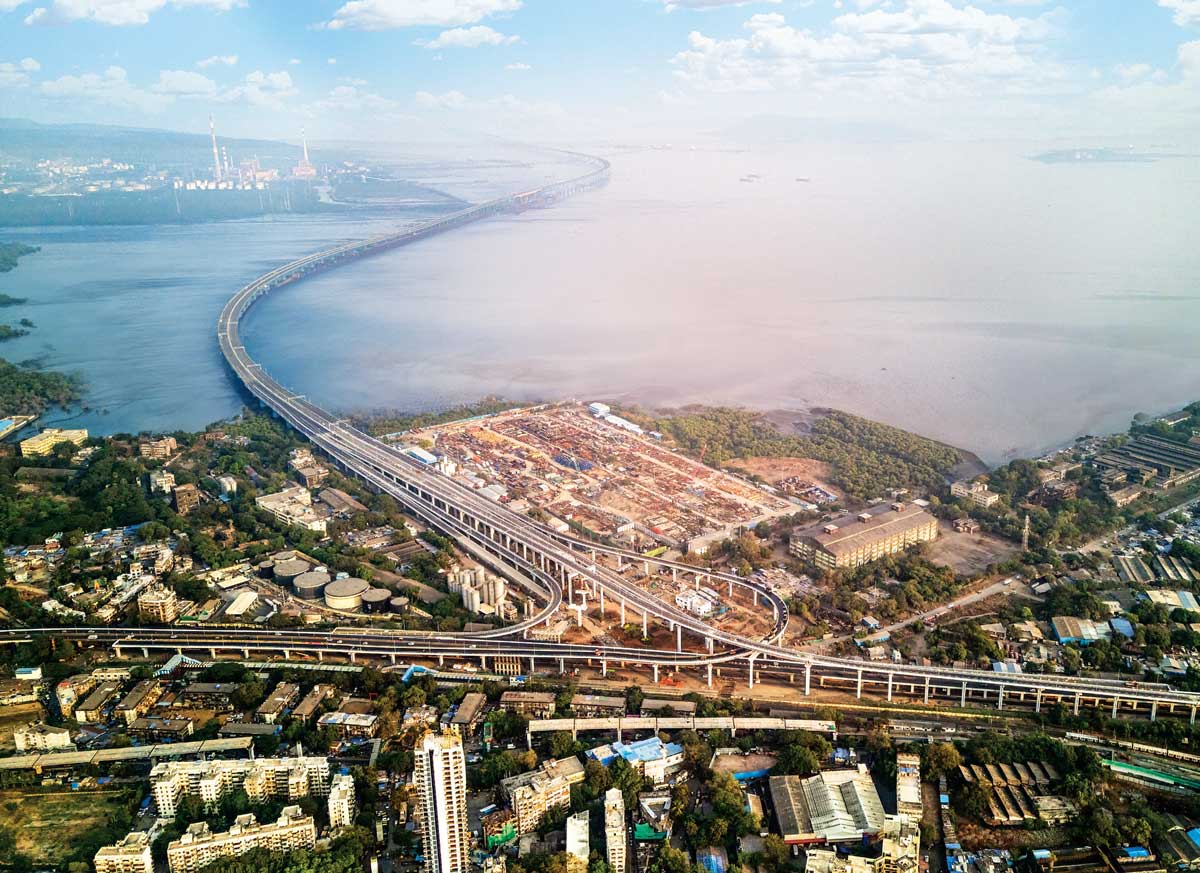
India’s specialised construction projects are driving economic growth, enhancing infrastructure and shaping the demand for construction materials across the nation. ICR looks at recent projects that have made headlines for their engineering prowess.
According to a report published in Business Today, India is envisaging a revolution in the infrastructure sector in the next 25 years riding on Prime Minister Narendra Modi’s vision to make India a ‘Developed Nation’ by 2047. The Central Government has launched Gati Shakti programme with a vision to bring all the major mobility infrastructure projects of various ministries and state governments, such as Bharatmala (roads & highways), Sagarmala (a string of ports), inland waterways, dry/land ports and Ude Desh ka Aam Nagrik (UDAN) or a slew of regional airports under one umbrella.
The aim is to build a sustainable and modern infrastructure that can match that of any developed country, particularly through advanced transportation networks, including roads, railways, ports, and airports. India intends to accomplish the overall goal of over 8 per cent growth, in future. India has already made a headway in building national highways in a big way connecting all passenger, trade, and freight points. About 13,800 km of highways construction was envisaged with an outlay of 2.81 lakh crore in 2023-24 alone, which is 33 per cent up in comparison to 2022-23. India’s infrastructure sector is set to become the biggest driver for the country’s economic growth, which aspires to be a $5 trillion economy, with plans to invest143 trillion on infrastructure between 2024 to 2030. The focus will be on sectors such as roads, power, EVs, solar, wind and hydrogen.
Some of the notable infrastructure projects in India as part of Vision 2047 are:
- Mumbai Trans Harbour Link – Inaugurated January 2024
- Coastal Road – Inaugurated March 2024
- Dwarka Expressway – Inaugurated March 2024
- Delhi-Mumbai Industrial Corridor
- Delhi Mumbai Expressway.
MUMBAI COASTAL ROAD PROJECT
At the forefront of this wave of development is the Mumbai Coastal Road, a monumental undertaking poised to redefine the city’s transportation landscape. Connecting South Mumbai with the western suburbs, this project not only promises to ease traffic congestion but also stands as a symbol of Mumbai’s ambition to enhance connectivity and foster urban resilience.
“The Mumbai Coastal Road marks a significant leap forward in enhancing the infrastructure and connectivity within Mumbai. This project is not just an engineering marvel but also a testament to the city’s commitment to sustainable and comprehensive urban development. This development is expected to bolster the real estate sector in the neighboring areas, making them more attractive to both investors and homebuyers. Improved accessibility can enhance property values, stimulate economic activities, and provide a fillip to the housing, hospitality and retail sectors along the route,” says Prashant Sharma – President, NAREDCO Maharashtra.
The Mumbai Coastal Road Project (MCRP) is a significant infrastructure initiative currently under construction in Mumbai. Spanning approximately 29.80 km, it emerges as a transformative endeavour set to redefine Mumbai’s transportation landscape. Comprising two main phases, Phase 1, covering 10.58 km, boasts ambitious features such as an 8-lane road reclaimed from the sea, an elevated road, twin tunnels under Malabar Hills, and multiple interchanges to streamline traffic flow. The estimated cost of this phase is around `12,700 crores. Phase 2, extending approximately 19 km from Bandra to Kandivali, includes the construction of the Versova-Bandra Sea Link (VBSL) and connectors to various key areas. Notably, the project aims to reclaim approximately 90 hectares of land, with 70 hectares designated for recreational spaces, cycle tracks and greenery.
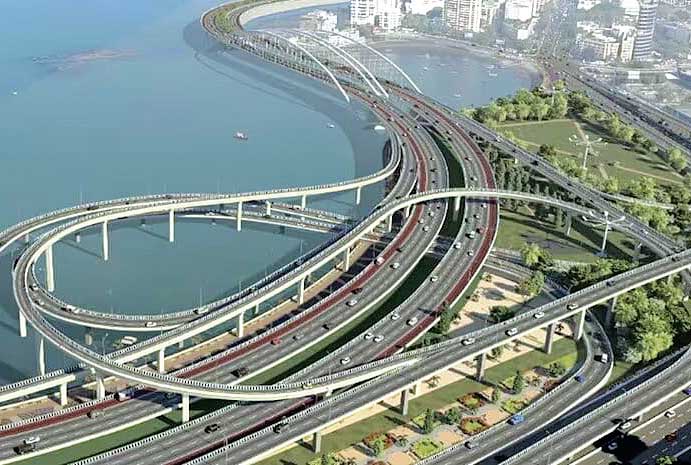
Construction materials typically include concrete for road surfaces and structures, steel for bridges, and reclaimed land from the sea. The project is divided into three civil packages, with Larsen & Toubro (L&T) handling Package 1 and further developments underway by other contractors. With its innovative design and focus on sustainable development, the MCRP is poised to significantly enhance connectivity, alleviate congestion, and create vibrant public spaces along Mumbai’s iconic coastline.
Rohan Khatau, Director, CCI Projects, believes that the project will unlock new opportunities. “With the Coastal Road, there’s an added advantage of reduced commute times and enhanced connectivity to key business districts, making it an even more desirable location for residential investments. Areas like Borivali and Kandivali are particularly attractive, offering a lifestyle upgrade and seamless connectivity, drawing residents from south and central Mumbai,” he stated.
MUMBAI TRANS HARBOUR LINK
The Mumbai Trans Harbour Link serves as a vital artery linking Mumbai with its satellite city, Navi Mumbai. This megaproject not only promises to alleviate congestion but also holds the potential to unlock new economic opportunities, catalysing growth in the region. Poised to be India’s longest sea bridge, the MTHL spans approximately 21.8 km. Stretching from Sewri in South Mumbai to Chirle village near Nhava Sheva, the bridge traverses Thane Creek north of Elephant Island.
“Bridges for long represented the engineering ingenuity and the evolving socio-economic prowess of its geography. The Mumbai Trans Harbour Link (MTHL) project in Mumbai, has come to embody the local aspirations for new inter-connective infrastructure that will ensure dispersion of the economic clusters from the traditional hubs of the island city to the hinterland thereby improving the liveability index of the metropolitan habitants. Liveability includes local climate that is susceptible to carbon footprint due to socio-economic activity undertaken and MTHL is expected to contribute to gain in this area. MTHL is expected to reduce the travel time to 20 minutes from the usual 120 minutes, resulting in savings of nearly 10 mn litres of fuel, which brings down carbon emissions by 25,680 million tonnes. A project of this scale ensured that several mitigation measures were implemented for construction related carbon emissions including the ambient noise levels. Further, reforestation and mangrove restoration plans have been put in place to ensure that impact created in construction period will be mitigated while also improving the AQI of the localised geography that will assist in the better quality of life in the metropolitan region,” says Ajay Sharma, Managing Director, Valuation Services, Colliers India.
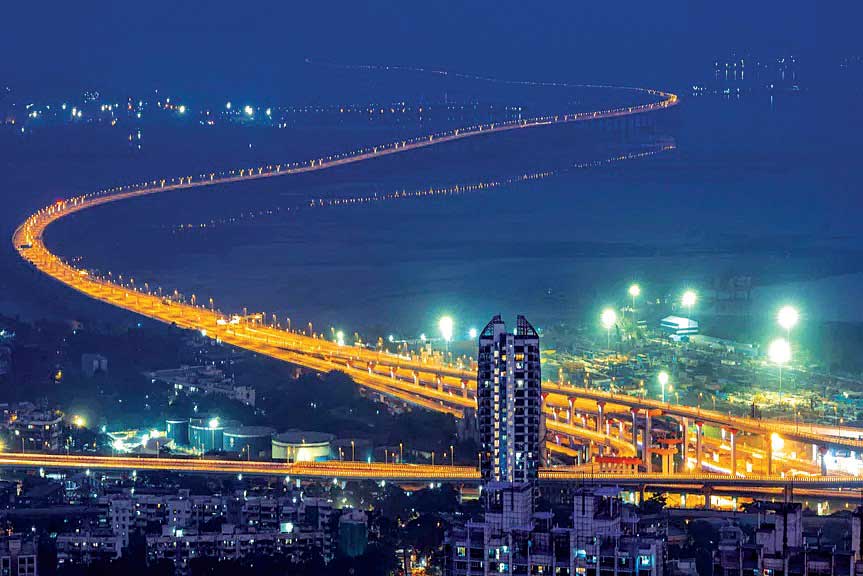
Designed to enhance connectivity with key destinations such as the proposed Navi Mumbai International Airport, JNPT Port, Mumbai–Pune Expressway, and Mumbai–Goa Highway, the MTHL holds immense strategic significance.
Notable features include a 6-lane highway with an additional emergency lane on both sides, totaling 16.50 km over the sea and 5.5 km on land. The bridge incorporates Orthotropic Steel Deck (OSD) spans, a pioneering feat in India, ranging from 90 m to 180 m. Strategically located interchanges at Sewri, Shivaji-Nagar, SH-54 in Jasai, and Chirle on NH-348 facilitate seamless connectivity. Construction materials such as concrete, steel, reinforcement steel, precast segments, and post-tension strands are instrumental in ensuring the bridge’s structural integrity and durability. As a critical infrastructure project, the MTHL is set to revolutionise transportation in the Mumbai metropolitan region, offering faster, more efficient connectivity while bolstering economic growth and development.
DWARKA EXPRESSWAY
The Dwarka Expressway, also known as the Northern Peripheral Road (NPR), is a significant infrastructure project connecting Delhi with Gurugram (formerly Gurgaon) in the state of Haryana. This project exemplifies India’s commitment to bolstering connectivity and urban development. Once completed, it will not only enhance connectivity between Delhi and Gurugram but also stimulate economic activity along its corridor, spurring demand for commercial and residential real estate.
Rajat Likhyani, Associate Principal Partner, Square Yards, says “The inauguration of the much-awaited Dwarka Expressway by Prime Minister Narendra Modi will act as a harbinger of real estate development and economic growth in the region. Besides enhancing the connectivity quotient of adjoining areas including Gurugram, Sohna, Faridabad, and New Delhi, the expressway will stimulate investment opportunities in nearby business parks, logistics hubs, new townships, creating a dynamic ecosystem for businesses, residents and investors alike. Various sectors across the expressway have already emerged as prime hotspots for real estate, commanding prices ranging `12000-15000 per sq ft. With the expressway now operational, prices are anticipated to zoom up by 10 per cent to 15 per cent in the coming months. Gurugram and Sohna will have a ripple effect of this development, fueling a transformative shift in business and real estate activities. We may witness realtors announcing a slew of uber-luxury projects in the near future, catering to the surge in demand from premium investors and homebuyers.”
The Dwarka Expressway, stretching approximately 34.10 km, serves as a vital access-controlled highway connecting Mahipalpur (Shiv Murti) in Delhi to Kherki Dhaula via New Gurgaon (Gurugram) in Haryana. Originally conceived as the Northern Peripheral Road (NPR) in 2006, it was later transferred to the National Highway Authority of India (NHAI) in 2016. The expressway boasts numerous infrastructural features including over 20 flyovers/bridges, 2 rail overbridges/underpasses, 11 vehicle underpasses, 20 underground pedestrian crossings, and a dedicated 2.5-meter-wide cycle/bike path. The completion of the 19-km Haryana section, inaugurated by Prime Minister Narendra Modi on March 11, 2024, marks a significant milestone in enhancing connectivity between Delhi and Gurugram. Divided into 5 packages, construction is underway by various contractors, with sections already operational.
Pradeep Aggarwal, Founder and Chairman, Signature Global (India), says “The real estate market is experiencing a surge across all sectors courtesy a strong demand from both first-time homebuyers as well as affluent buyers seeking luxury properties or second homes. Even investor appetite is high particularly for properties located at prime locations with the potential for high returns. Gurugram remains the top residential market in the NCR, and the completion of the Dwarka Expressway is expected to make it even more attractive. Some of the most promising areas in Gurugram include Sector 37D, Sector 71, Dwarka Expressway, and Southern Peripheral Road. These areas offer a variety of housing options at different price points, making them appealing to a wide range of buyers and potentially outperforming other sectors in terms of buyer interest.”
The proposed metro line by the Delhi Metro Rail Corporation (DMRC) and the planned tunnel connecting the expressway to Terminal 3 of Indira Gandhi International Airport further underscore its strategic importance. Notably, the Dwarka Expressway has catalysed the development of numerous housing and commercial projects in new Gurgaon, with sectors along the route witnessing rapid urbanisation and real estate growth.
“With plans to create a ‘Skyscraper City’ akin to global metropolises like Dubai and Singapore, the upcoming Global City project is poised to redefine the concept of modern urban living in the NCR. This comprehensive development initiative, encompassing residential, commercial, institutional, and recreational spaces, is tailored to cater to the diverse needs of residents and multinational corporations, further elevating the appeal of Dwarka Expressway. Our projects at strategic locations in Dwarka Expressway further raise the bar and provide a high return on investments,” says Nayan Raheja, Raheja Developers.
INDIA IN PROGRESS
Other projects like the Delhi-Mumbai Freight Corridor stand as a testament to India’s ambitions in bolstering trade and logistics infrastructure. By reducing transportation costs and transit times, this corridor not only enhances India’s competitiveness in the global market but also fuels economic growth along its route.
These specialised construction projects not only create direct employment opportunities but also stimulate ancillary industries, including manufacturing and services. The demand for construction materials such as cement, steel and aggregates surges, driving investment and innovation in the construction sector.
Moreover, the ripple effects of these projects extend beyond infrastructure development. They catalyse urbanisation, attract investment, and spur the growth of ancillary industries, fostering a conducive environment for sustainable economic development.
In conclusion, India’s specialised construction projects are not merely infrastructural endeavours; they are engines of growth, driving economic development, enhancing connectivity, and reshaping the demand for construction materials. As India continues on its trajectory of rapid urbanisation and economic expansion, these projects will play an indispensable role in shaping the nation’s future.
Project: Coastal Road
Project Length: 29.2 km
Project Division: 10.58 km length and 16.5 km of interchanges
Cement Company: Adani Group (Ambuja Cement & ACC)
Cement Used in Project: Ambuja Cement in high-grade concrete and ACC’s RMX ACC ECOMaxX (29,422.50 cubic meters of concrete)
Project: Mumbai Trans Harbour Link (Atal Setu)
Project Length: 22 km
Project Division: 16.5 km long sea link and 5.5 km viaducts on land
Cement Company: JSW Cement
Cement Used in Project: 504,253 MT
Project: Dwarka Expressway
Project Length: 563 km
Project Division: 4 levels – over tunnel, underpass, grade road, elevated road, and flyover
Cement Company: Wonder Cement
Cement Used in Project: 20 Lakh Cubic Metre
Project: Bangalore Metro Rail
Project Length: 42.3 km
Project Division: Reach 1 & Reach 2
Cement Company: UltraTech Cement
Cement Used in Project:0.79 lakh MT in Reach 1









Concrete
Ultra Concrete Age
Prof. A. S. Khanna (Retd., IIT Bombay) on how Ultra-high performance concrete (UHPC) improves strength, durability and lifecycle performance.
Concrete
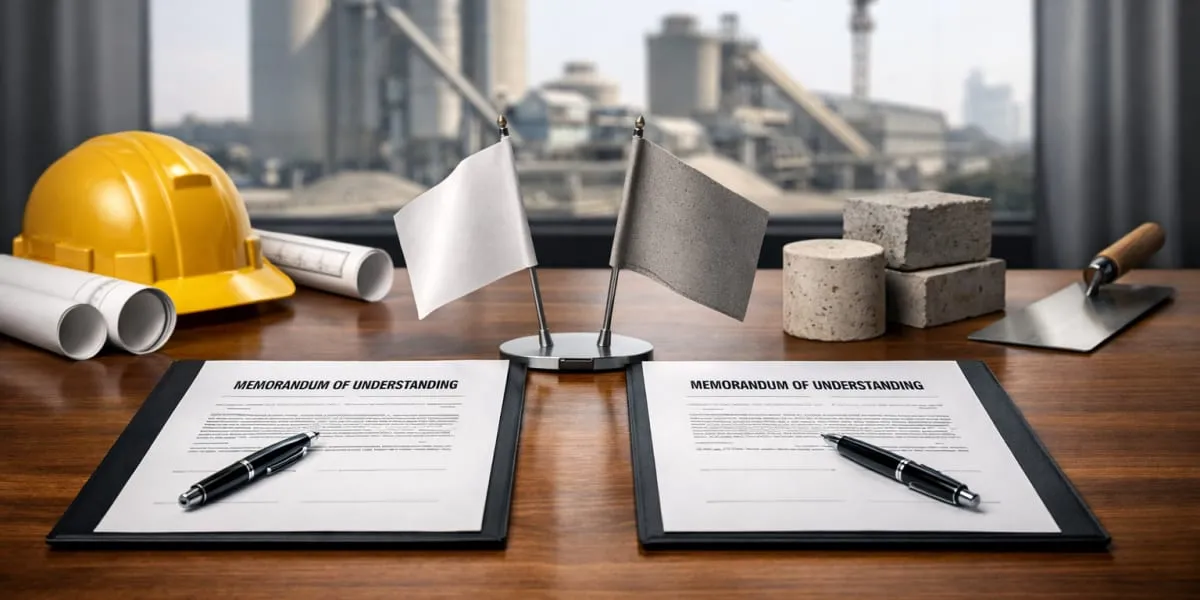
NCB Signs MoU With Cement Manufacturer To Boost Construction Skills
Partnership to deliver nationwide training and certification
Concrete
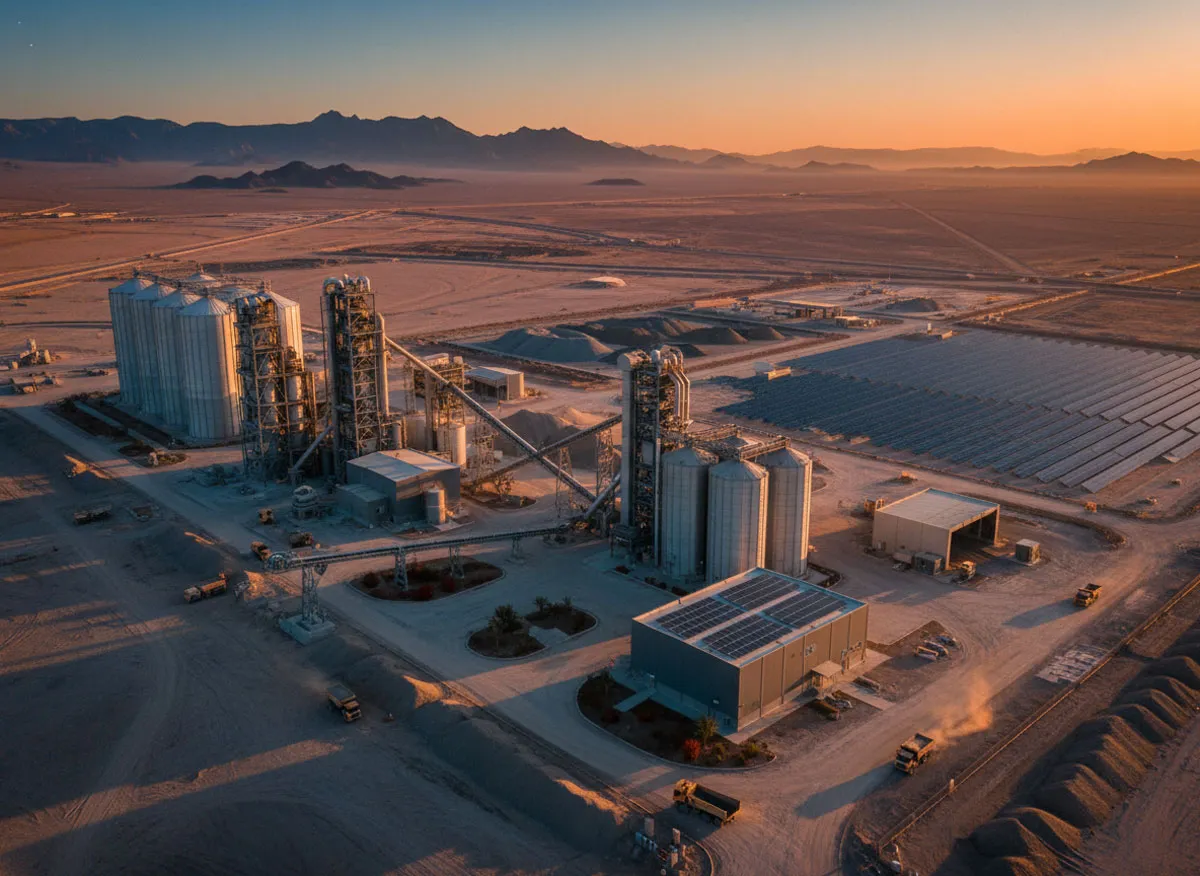
JSW Cement Commissions Nagaur Plant, Enters North India
New Rajasthan unit boosts capacity to 24.1 MTPA and expands reach


Ultra Concrete Age

NCB Signs MoU With Cement Manufacturer To Boost Construction Skills

JSW Cement Commissions Nagaur Plant, Enters North India

Cement Prices Likely To Rise As Petcoke Costs Increase

IIT Guwahati Develops Radiation-Resistant Cement Mortar
Ultra Concrete Age
NCB Signs MoU With Cement Manufacturer To Boost Construction Skills
JSW Cement Commissions Nagaur Plant, Enters North India
Cement Prices Likely To Rise As Petcoke Costs Increase