Connect with us

Concrete

Constructing Sustainability

Published

on

Shares

Nikhil Bothra, Director, EPACK Polymers, brings to fore the environmental advantages of prefab building and how current challenges can be turned into opportunities.

In the face of escalating environmental challenges posed by conventional construction methods, exacerbated by factors such as the recent construction ban in Delhi due to severe air quality concerns, the imperative for a sustainable shift in building practices becomes more evident than ever. The construction industry’s significant energy consumption, substantial waste production, and contribution to CO2 emissions demand a re-evaluation of traditional approaches.
India, grappling with a staggering annual production of approximately 150 million tonnes of construction waste, shoulders a substantial burden, accounting for a substantial 35-40 per cent of the global Construction and Demolition (C&D) waste each year. This challenge is bound to intensify further with a growing population and an ever-increasing demand for housing and infrastructure in the country.
Enter prefabricated construction, often referred to as Pre-Engineered Buildings (PEBs), as a transformative solution aligning with India’s sustainable development goals. Prefabrication not only addresses environmental concerns but also presents an efficient alternative amidst the challenges posed by construction bans. As Delhi grapples with a temporary halt in construction activities to curb air pollution, the delayed project timelines underscore the urgency for resilient, eco-conscious building practices. Let us explore how PEBs can turn the current environmental challenge into an opportunity for sustainable development.
Water conservation: Traditional construction practices, deeply rooted in history, have historically often come at an environmental cost that is both significant and concerning. Traditional construction methods consume vast amounts of water for mixing concrete, curing, and other essential processes. In contrast, prefabricated construction is a game-changer as it utilises a remarkable zero per cent water during the construction phase. This is particularly significant in regions facing water scarcity, remote hilly regions where every drop counts. By eliminating water-intensive practices, PEBs help preserve this precious resource and contribute to a sustainable future.
Lower carbon emissions: One of the most compelling reasons to embrace prefabricated engineered structures is their significantly lower carbon
footprint. Traditional construction projects churn out massive waste, including surplus materials, excess packaging, and discarded debris. This waste not only strains landfills but also exacerbates environmental degradation. However, PEBs are environmentally friendly, emitting 60 per cent less carbon pollution during the construction process compared to conventional construction. This substantial reduction in emissions is achieved by streamlining the manufacturing process in a controlled environment, reducing energy consumption and minimising waste.
Shorter construction time: Time is money in the construction industry, and shorter construction periods are a win-win for both builders and the environment. Prefabricated solutions can reduce construction time by more than 50% compared to traditional construction methods. The efficiency of assembling building components in a factory
setting and transporting them to the construction site accelerates project timelines. This not only reduces the disruption caused by lengthy construction activities but also curtails associated energy and resource use.
Energy efficiency: PEBs are designed with energy efficiency in mind. The materials used in prefab construction provide superior insulation, maintaining a consistent interior temperature, regardless of external weather conditions. Also, India’s diverse climate can pose a significant challenge to the on-site construction process. Harsh weather conditions, including scorching heat, heavy rains, and extreme cold, can disrupt construction schedules, and expose a substantial energy drain by excessive heating or cooling. Prefabricated construction eliminates this issue by shifting most of the work to a controlled indoor environment. By offering enhanced insulation, PEBs contribute to significant energy savings and promote energy-efficient living by using renewable energy sources, such as solar panels or wind turbines.
Reduced material waste: The controlled environment of a factory setting ensures that PEBs have fewer defects and require fewer repairs and replacements. In contrast, traditional construction often generates considerable material waste due to on-site errors and over-ordering. PEBs’ streamlined manufacturing process significantly reduces material waste, making them a more sustainable choice. This also aligns with the global push towards responsible resource management and conservation.
Recyclability: Sustainability goes beyond the construction phase and extends to the life cycle of a building. In India, out of 150 million tonnes of construction waste every year only a mere 1% of this colossal waste is recycled, as projected by the Centre for Science and Environment (CSE). Such practices undermine the collective efforts towards a greener future and leave a lasting mark on the planet. When a building reaches the end of its life, PEBs can be dismantled, and their components can be repurposed or recycled as they are designed for disassembly and reuse. This cradle-to-cradle approach minimises a lot of waste and adds to the overall sustainability of PEBs.
Improved resource management: Prefabrication optimises resource allocation within the factory. Materials and resources are efficiently managed, reducing over-ordering and minimising resource wastage. This results in a more efficient use of resources, promoting sustainable practices and responsible resource management.
As we aim to build a greener tomorrow, embracing PEBs and sustainable practices is the first crucial step toward a responsible and eco-conscious construction industry. The choice is pretty clear, prefabricated construction paves the way for a more sustainable and efficient construction industry that safeguards our planet for generations to come.

ABOUT THE AUTHOR:
Nikhil Bothra, Director, EPACK Polymers
, heads the business development of the conglomerate. He carries on the legacy of the family business. He has taken the responsibility of spearheading the company’s expansion into the prefab segment by launching a brand-new domain of infrastructure development.

Concrete

Adani Group To Set Up Cement Factory In Madhya Pradesh

Chief Minister Mohan Yadav inaugurates plant in Guna

Published

on

By

Shares


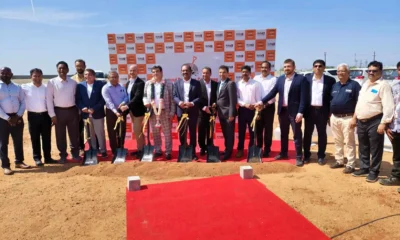
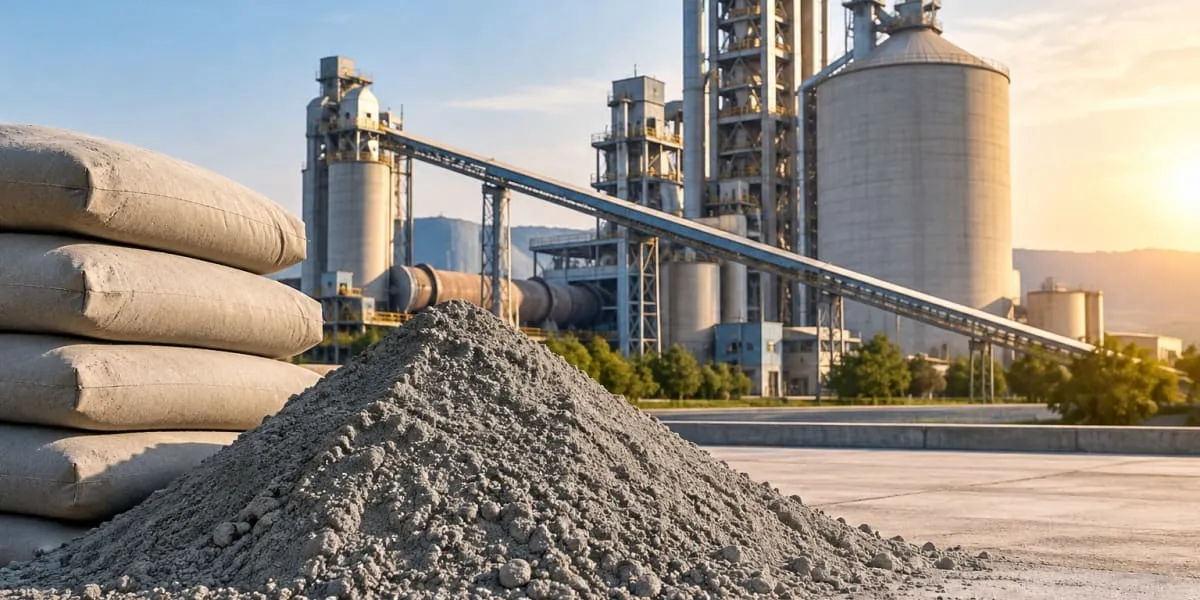
Adani Group (Adani) will set up a cement factory in Madhya Pradesh, the chief minister of the state announced after an inauguration ceremony in Guna. The chief minister, Mohan Yadav, described the occasion as a historic day for the state and said the project will strengthen industrial capacity. The event was presented as a milestone in efforts to broaden manufacturing and attract large-scale investment. Officials said the facility will add to regional production capability and support related industries.

State officials outlined that the plant will enhance supply chains for construction and infrastructure projects across the region. The company will bring technical expertise and logistical resources to the site, with government agencies coordinating approvals and land allocation. Local suppliers and service providers will benefit from increased demand, and training initiatives will be developed to build workforce readiness. Officials indicated that the project complements broader plans to modernise industrial clusters in the state.

The state administration said it has facilitated clearances and infrastructure support to accelerate implementation. Local officials have coordinated with the company to ensure connectivity and utilities are in place ahead of commissioning. The chief minister emphasised that collaboration between private investors and the government aims to create sustainable economic growth. Community outreach programmes will address local concerns and establish grievance mechanisms as construction proceeds.

Officials said the inauguration in Guna marks a new phase in the state industrial story and will serve as a reference for future investments. Administrators noted that close monitoring and periodic reviews will guide timely execution and adherence to environmental and safety norms. The government affirmed its commitment to facilitating responsible industrial expansion while ensuring benefits reach local communities. Stakeholders will continue discussions on supply chain integration and long term maintenance arrangements.

Continue Reading

Concrete

Railways Boost Cement Movement by 170 Per Cent and Eye Fly Ash

New container wagons cut costs and speed turnaround

Published

on

By

Shares


Indian Railways has recorded a 170 per cent rise in cement movement in the last four months after reforms launched in November to promote rail based bulk cement logistics. The Union Railway Minister, Ashwini Vaishnaw, reviewed the container sector reforms and their implementation and described the shift as improving plant to market efficiency. The reforms introduced customised bulk cement tank containers and a bulk cement terminal policy to support multimodal handling and door to door solutions.

The new system has simplified loading and unloading by enabling mechanised operations and by reducing package losses compared with bagged cement transport. Since cement can move directly from manufacturing centres to consumption centres in standardised tank containers compatible with Ready Mix Concrete machines, two stages of handling have been eliminated and material loss has been reduced. The standard shape of the containers facilitates faster turnaround and lowers logistics costs for suppliers and builders.

The improved freight turnaround is helping to lower the delivered cost of cement, which can ease pressure on housing costs for the poor and middle class and support affordable construction. The reform is said to be environment friendly as dust generation during material transfer has fallen and fuel consumption and emissions have reduced due to modal shift from road to rail. The Make in India tank containers are designed for seamless movement between train and trailer and to enable efficient door to door movement while cutting congestion on roads.

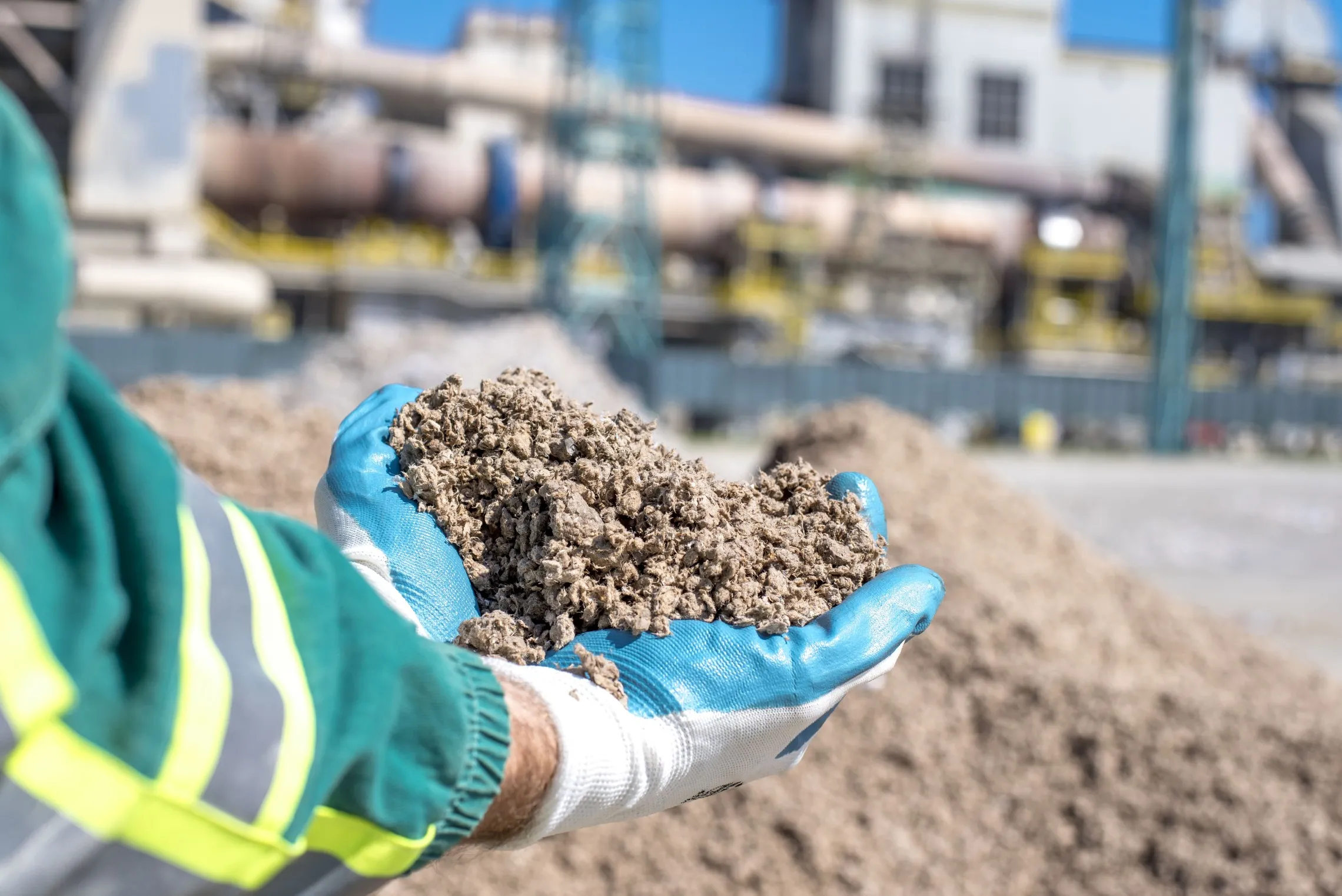
Building on the cement reforms, officials were urged to tap the fly ash transportation market to convert industrial waste into national wealth. The minister noted that nearly 300 million metric tonnes (mn t) of fly ash is produced in the country while only about 13 million t is transported by rail and asked officials to substantially increase Railways share to serve brick kilns, cement industries and construction sites. Wider utilisation of fly ash should reduce pollution, promote recycling and lower construction material costs while strengthening sustainable freight movement across infrastructure sectors.

Continue Reading

Concrete

Dalmia Bharat launches Weather 365 in East India

New water-repellent cement targets weather-resilient housing demand

Published

on

By

Shares


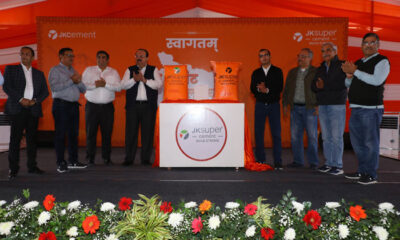
Dalmia Bharat Cement has launched Weather 365, a super-premium water-repellent cement brand for retail markets in West Bengal and Bihar. The product is designed to address rising demand for durable and weather-resistant construction materials in Eastern India.
Weather 365 offers protection against seepage, dampness and moisture damage, especially in regions exposed to heavy rainfall, humidity and changing weather cycles. The cement is suited for roofs, columns and foundations, and uses uniform water-repellent technology to reduce water penetration, steel corrosion, efflorescence and damp patches.
The company said the product will be available in water-resistant and tamper-proof BOPP packaging. It will also provide on-site technical support through engineering and technical services teams to guide customers on construction practices and long-term building performance.
Positioned in Dalmia Bharat Cement’s premium portfolio, Weather 365 targets homeowners, contractors and builders seeking stronger concrete, improved paint life and better structural durability. The launch supports the company’s strategy to expand premium construction solutions in key Eastern India markets.

Continue Reading

Video Thumbnail
â–

    SIGN-UP FOR OUR GENERAL NEWSLETTER


    Trending News

    SUBSCRIBE TO THE NEWSLETTER


    Don't miss out on valuable insights and opportunities to connect with like minded professionals.


      This will close in 0 seconds