Concrete
A Green Drive


With electric vehicles (EVs) leading the green revolution, providing a cleaner and more sustainable transportation option, the supply chain of cement is getting redefined. Raman Bhatia, Founder and Managing Director, Servotech Power Systems, talks about the inherent challenges in this transformation.
India is currently witnessing a revolution in its transportation landscape, propelled by a unified commitment to combat climate change and decrease our reliance on fossil fuels. EVs are at the forefront of this revolution, offering a cleaner, more sustainable mode of transportation. The paradigm shift from internal combustion engine (ICE)-driven vehicles to EVs calls for smart and sustainable charging infrastructure development. Uncoordinated charging may result in serious consequences such as voltage stability, power losses, degradation of reliability indices and an increase in the peak load. At the same time, ensuring energy sustainability, the development of the renewable-based charging infrastructure, and an increase in the share of renewables in the national energy mix are given priority. Hence, planning smart and sustainable EV charging infrastructure and coordinating charging activities have emerged as prime concerns worldwide.
Sustainable EV Charging Infrastructure
Sustainable charging refers to the use of clean energy to power EV charging stations. Sustainable charging solutions deliver environmental benefits where EV owners can charge their vehicles without negatively affecting the environment. Apart from this, sustainable charging solutions also enable EV owners to charge their vehicles at low-cost rates, incentivising the adoption of electric vehicles over conventional vehicles. One such sustainable charging solution is solar-powered EV charging carport, which has managed to redefine the landscape of EV charging infrastructure with its innovative approach.
Solar carports are covered parking areas whose roof is made from PV panels and can be installed residentially and commercially. Positioned at the intersection of renewable energy and parking infrastructure, solar carports are harnessing the sun’s power to revolutionise electricity generation while simultaneously providing essential shade and shelter for parked vehicles. The electricity generated by the solar carports can be used to charge EVs or sent back to the grid.
Using solar energy to charge EVs amplifies the environmental impact of driving an EV. Rather than using electricity from the grid, which could be sourced from fossil fuels or a mix of clean and dirty sources, the EV is charged from clean, renewable energy. The amount of electricity generated by a solar carport depends on the size of the carport, the number of solar panels it has installed, as well as environmental factors, such as the number of daylight hours and the intensity of the light. However, on average, a solar carport can generate enough energy to charge several EVs per day and space using Level 2 chargers.
Advantages of Solar Carport Charging Stations
Solar Carport EV charging stations, with their multifaceted advantages, are revolutionising the electric vehicle charging landscape. They harness solar power for eco-friendly charging, reducing environmental impact. These structures also protect EVs from harsh weather, enhancing longevity. In urban areas, they optimise land use, offering both shelter and renewable energy. The integration of carport charging stations with the grid, with bi-directional energy flow capabilities, enhances grid stability and supports renewable energy integration. These stations, by generating their electricity, can potentially offer cost savings, making EV adoption more appealing. With scalability, carport charging stations are adaptable for individual homes or large-scale charging networks, offering a versatile and efficient solution for diverse environments.

Solar Carport Market
The solar carport market is witnessing significant growth due to the surging popularity of solar energy. The increased awareness of solar power as a renewable and free resource with diverse applications is driving the adoption of solar carports. These structures offer practical benefits, including the transformation of unproductive spaces into sustainable investments. Solar carports in off-grid areas, especially those with EV charging, significantly boost market growth by providing an environmentally responsible solution for sustaining EV charging infrastructure. Solar carports offer a dual benefit by reducing energy bills and carbon footprints and as energy costs continue to rise, businesses and individuals are adopting sustainable energy solutions. Various governments worldwide are providing incentives, tax credits, and rebates for solar power systems, including solar carports. These financial incentives enhance the attractiveness and accessibility of such projects. Advancements in solar technology, energy storage solutions, and smart grid systems have improved the efficiency and reliability of solar carport installations, further accelerating their adoption. Solar carport manufacturers and installers continually innovate, offering customisable solutions to meet the unique needs of clients, making them more appealing to businesses and individuals. Advances in materials and technology have made solar carports more cost-effective and efficient, thanks to lightweight and durable materials. These materials contribute to affordability and sustainability.
To enhance the reliability of renewable energy supply, some solar carport systems integrate energy storage solutions like batteries. These batteries store excess energy generated during the day for use at night or on cloudy days. Solar carports equipped with energy storage enhance grid resilience by providing backup power during grid outages, making them particularly attractive for regions prone to blackouts. Solar carports’ versatility allows them to be applied in various sectors, including commercial, residential, industrial, and public infrastructure, expanding their market potential.
Multi-Faceted Role of Solar Carports
The cement industry plays a significant role in infrastructure development worldwide. However, like any industrial sector, it faces the pressing challenges of sustainability and operational efficiency. As industries increasingly explore eco-friendly and cost-effective solutions, carports have emerged as a valuable addition to the cement manufacturing process since they offer multifaceted benefits to the cement industry. One of the most prominent and innovative applications of carports in the cement industry is turning them into solar power stations.
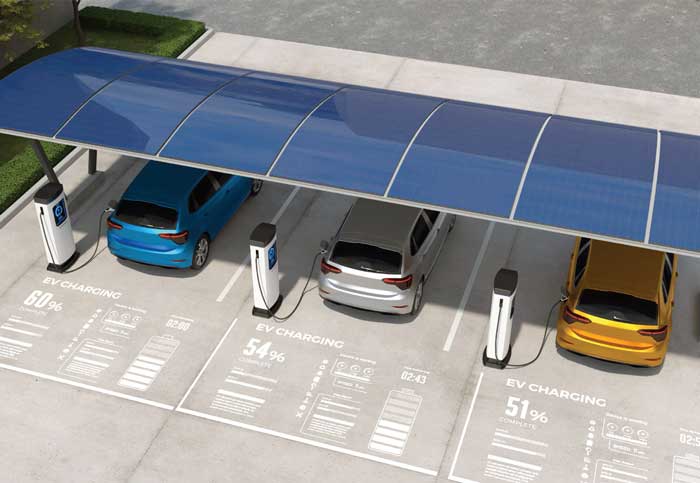
The clean solar energy generated from these power stations can be integrated into the cement production process, significantly reducing electricity costs and the surplus energy generated can be channelled back into the grid, contributing to a sustainable and cost-effective energy solution. The cement manufacturing process involves the storage of raw materials, equipment and finished products. Exposure to harsh weather conditions can lead to damage, loss, and deterioration of materials and equipment. Carports offer covered storage, protecting these valuable assets from rain, sun, and other environmental elements. This enables the cement industry to extend its products’ lifespan, reduce maintenance costs, and maintain product quality. Carports can also enhance the working environment for employees. When installed in employee parking areas, carports provide shade and protection from rain or extreme heat. This not only improves the overall well-being and comfort of the workforce but also boosts morale, job satisfaction, and productivity. The cement manufacturing process can generate dust and particulates, which pose environmental and health challenges. Strategically designed carports can incorporate filtration systems or be engineered to contain dust, helping control air pollution within the manufacturing facility. Cement production requires substantial amounts of water, making it a resource-intensive industry. Carports equipped with collection systems can harvest rainwater. This water can then be treated and used for various purposes within the manufacturing process, conserving water resources and reducing water supply costs.
Looking Forward
The global shift towards cleaner energy sources is fueling the demand for EVs. Solar carports are emerging as a promising solution to provide covered parking spaces equipped with canopies to shield EVs from sunlight. These carports offer an eco-friendly approach to EV charging by combining clean solar energy with user convenience. As the popularity of electric vehicles continues to grow, the installation and acceptance of solar carports are expected to rise in tandem to meet the energy demands of EVs. The flexibility and versatility of solar carports, which can generate electricity for domestic use and grid credits, are contributing to market expansion.
Solar energy is becoming an integral part of the energy mix, further propelling the market’s growth. Additionally, the optimal placement of solar panels in solar carports enhances their effectiveness, making them a preferred choice for sustainable energy solutions. Moreover, the integration of solar carports into the cement manufacturing process offers a versatile and sustainable solution. These structures not only generate clean energy but also provide valuable shelter and environmental benefits, contributing to overall efficiency, cost savings and environmental responsibility in the industry.
ABOUT THE AUTHOR:

Raman Bhatia, the Managing Director of Servotech Power Systems, comes with over two decades of entrepreneurial experience. He spearheaded the company’s listing on NSE in 2017 and has been driving its growth and expansion ever since.

















BMC Cement Concretisation Cuts Pothole Repairs By 70 Per Cent

Shree Cement Approves Rs 1,800 Crore Meghalaya Plant

WCA Welcomes SiloConnect as associate corporate member

TotalEnergies and Holcim Launch Floating Solar Plant in Belgium

Cortec® Corporation applauded for its strong safety performance
BMC Cement Concretisation Cuts Pothole Repairs By 70 Per Cent
Shree Cement Approves Rs 1,800 Crore Meghalaya Plant
WCA Welcomes SiloConnect as associate corporate member
TotalEnergies and Holcim Launch Floating Solar Plant in Belgium