Sanjay Joshi, Chief Manufacturing Officer, Nuvoco Vistas Corp, discusses the measures taken by the company to conserve energy during the cement manufacturing process and the optimum use of alternative energy sources.
Tell us about the role of energy in the manufacturing of cement. What is the volume of your organisation’s energy consumption?
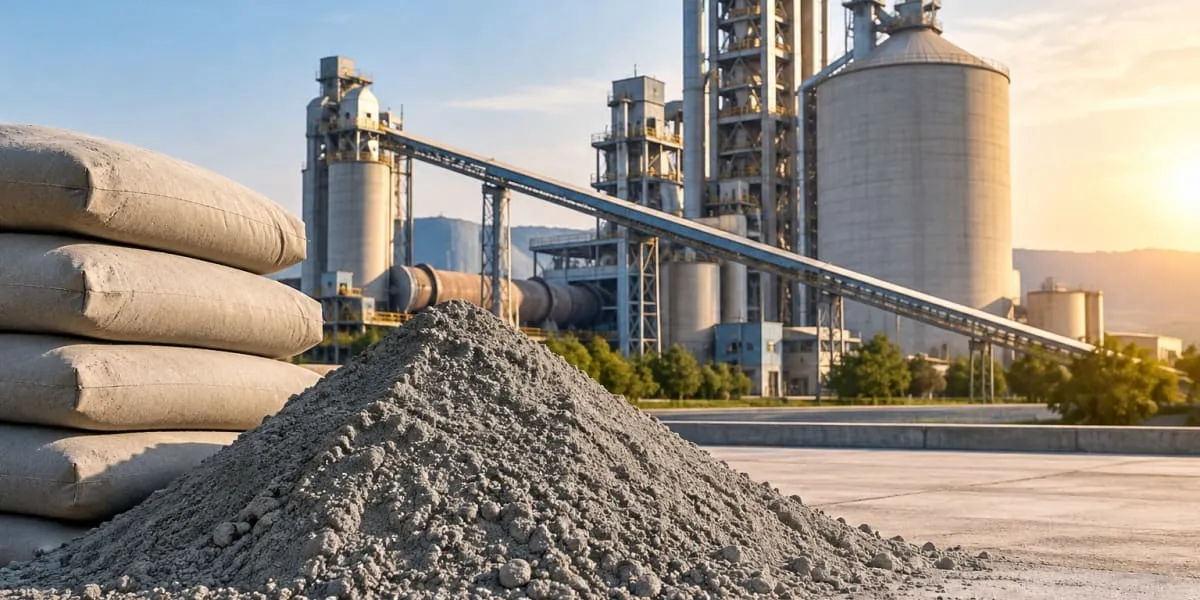
The cement manufacturing process is typically energy-intensive and requires large amounts of resources from raw material handling to finished goods delivery. For the cement industry, the main drivers of energy consumption are electrical energy and thermal energy. Electrical energy is used in a cement manufacturing process for limestone grinding, raw material processing, clinkerisation, grinding, and packaging of finished products. Electrical energy is majorly consumed in the grinding process, which involves size reduction of big boulders of limestone to fine powder and cement grinding. Thermal energy is utilised in the drying of raw materials and majority in clinkerisation processes.
These factors have a significant influence on cost competitiveness, usually accounting for more than 50 per cent of total cement production costs. For electrical energy, options to reduce power costs are limited in scope while for thermal energy costs, the worldwide industry has largely moved to efficient preheater/precalciner processes. The cement industry has also found options to switch to cheaper fuels, mainly alternative fuels. The Indian cement industry has consistently demonstrated high calibre manufacturing through the adoption of state-of-the-art technologies and best-in-class processes.
Nuvoco has adopted automation and latest technology to reduce energy costs in its manufacturing process. Alternative sources of energy like waste heat recovery and solar power have also reduced dependency on conventional sources of electrical energy. The use of alternative fuels and raw materials has in equal measure reduced the usage of conventional fossil fuels.
What are the various modes of energy sources used by your company for its manufacturing needs?
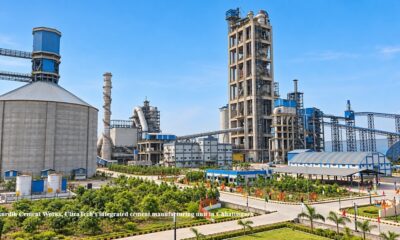
Nuvoco is the fifth-largest cement company in India. It has five integrated cement plants, five cement grinding units and one cement blending station with an installed capacity of 23.82 MTPA. Nuvoco is committed towards sustainability in its business by adopting the latest automation, technology and energy-efficient equipment in its manufacturing process. The main sources of electrical energy at Nuvoco are its own captive power plants, waste heat recovery system (WHRS), state electricity and solar power plants.
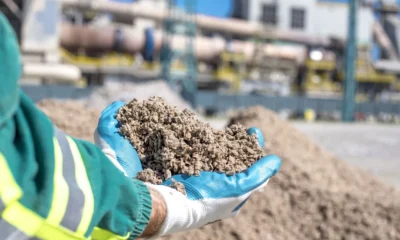
Nuvoco is utilising alternative fuels to substitute fossil fuels in its fuel mix. The thermal substitution rate in Nuvoco’s cement plants varies from 6 per cent to 30 per cent for individual plants. For efficient use of alternative fuel, a state-of-the-art handling, storing and feeding system has been installed in all the Nuvoco Integrated Cement Plants.
Which of the said energy sources yields maximum productivity for the plant and which yields the least?
Energy efficiency in a cement plant is measured by two factors: Electrical Energy and Thermal Energy. Nuvoco’s electrical energy sources are a captive power plant, WHRS and grid power. WHRS and captive power plants yield maximum productivity, being an efficient and reliable source of energy.
What are the alternative energy sources that are being adopted by the cement industry and your organisation?
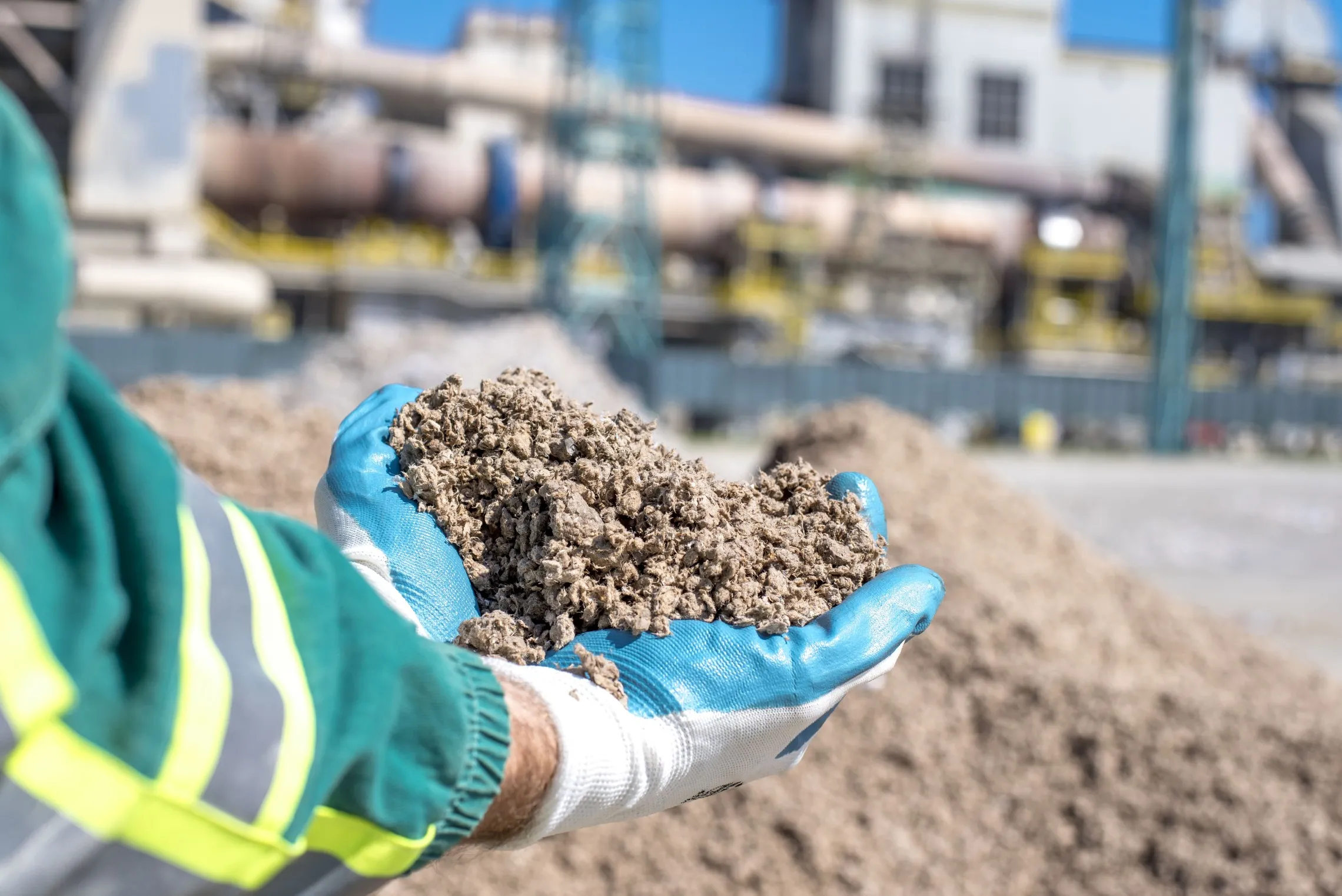
The cement industry is progressively embracing alternative energy sources to drive sustainability. This includes the integration of renewable electricity derived from solar, wind and WHRS, to power its operations. Likewise, to reduce the dependency on fossil fuels, the industry is pushing alternative fuels such as solid and liquid hazardous waste, rejected FMCG products, biomass etc., which are by-products and waste products of other industries. These alternative fuels have calorific value, which is used by the cement industry for substituting fossil fuel.
At Nuvoco, a waste heat recovery capacity of 44.7 MW is being optimised to achieve up to 90-95 per cent utilisation. Our focus on the utilisation of solar power at the Bhiwani and Chittor plants and expanding it further in our eastern grinding units will help us to increase our green energy share.
In the realm of fuel consumption, we have made substantial progress in utilising alternative energy sources, doubling our reliance on such fuels from 4.5 per cent in the fiscal year 2022 to an impressive 9 per cent in the fiscal year 2023. These alternative sources encompass a diverse range including tyre pyrolysis oil, waste from paper mills, plastics and aluminum industries and municipal waste.
A noteworthy metric in our drive towards sustainability is the Thermal Substitution Rate, which represents the replacement of fossil fuel usage by an equivalent amount of alternative fuel in the overall heat requisites. Elevating the TSR necessitates investments in storage, blending and controlled feeding arrangements to ensure efficient burning and consistent quality of alternative fuel feed to the kiln. Our objective is to escalate the company-wide TSR from the 9 per cent achieved in FY 2023 to a range of 15-16 per cent by FY 2024. This emphasises our commitment to reducing our dependence on traditional fossil fuels and advancing the integration of more sustainable energy alternatives.
What is the impact of greener energy sources on the productivity and cost of cement manufacturing?
The utilisation of greener energy sources doesn’t have any direct impact on the operational efficiency of the cement manufacturing equipment. The equipment’s performance is primarily influenced by variations in power or heat supply. However, the cost of energy per unit directly impacts the profitability of the organisation as energy cost contributes to over 50 per cent of total cement manufacturing cost. The dynamic price of fuel and cost of electrical energy production play an important role in the cement manufacturing cost. Incorporating greener sources like solar, waste heat, wind and hydro in the power mix reduces production costs compared to traditional grid power. Similarly, alternative fuels reduce overall fuel cost, though variation in quality may slightly impact cement plant productivity and increase heat demand especially due to the high moisture in alternative fuels.
How do automation and technology help in optimising the use of energy?
Automation and technology play a significant role in optimising the use of energy in cement plants. Nowadays, everything we want is at our fingertips like daily reports, data monitoring and verification, the health of machines in day-to-day operation, etc. Real-time monitoring of various parameters, centralised control systems and automated processes ensure efficient operations, minimising energy wastage and optimising production. Advanced sensors and data analytics identify energy-intensive areas, enabling targeted improvements. Smart grids and predictive maintenance reduce downtime and optimise power consumption. Technologies like online automated real-time weighing systems, smart metering for real-time data monitoring, online process sensors for getting operational reports, advanced process control systems, remote access for online monitoring, etc. can optimise energy usage in cement plants. Overall, automation and technology synergise to streamline operations, minimise energy losses and foster sustainable practices in cement plants.
What are the major challenges your organisation faces in managing the energy needs of the cement manufacturing process?
Currently, the cement industry is passing through a phase of dynamic fuel prices, which is affecting input costs in the cement manufacturing process. Vibrant fuel prices have generated an opportunity for cement plants to utilise maximum alternative fuel, which affects the process parameters during clinkerisation in a cement plant resulting in a lowering of production and high energy consumption. High moisture in incoming fuel and alternative fuel is also creating challenges in handling and burning. Due to high coal costs, power generation is also not economical for some of the cement plants. However, various actions taken to reduce power and heat consumption, use alternative fuels, blend low-cost fuel, and optimise our WHR and CPP operations also resulted in the optimisation of energy costs.
Tell us about the compliance and standards followed by you to maintain energy use and efficiency in the organisation.
Nuvoco’s Integrated cement plants are covered under the Perform, Achieve, and Trade (PAT) scheme of the Bureau of Energy Efficiency (BEE) by the Ministry of Power, Government of India for reducing its specific energy consumption year on year. We have a dedicated energy manager in each of our units who is certified to monitor the plant’s energy use and continuously improve it.
Nuvoco is committed to adherence to rigorous compliance and standards that prioritise energy use and efficiency, exemplified by our sustainability agenda – Protect Our Planet. This initiative showcases our unwavering dedication to driving innovation and improvement in this critical realm. Ambitious carbon reduction targets, circular economy practices, alternative fuel success, water conservation achievements and robust afforestation efforts collectively underline our pioneering sustainability strides. Our industry-leading carbon emissions of 462 kg CO2 per tonne of cementitious materials set a new standard.
How often are audits done to ensure the optimum use of energy? What is the suggested duration for the same?
The audits play a crucial role in identifying areas for improvement and refining energy management strategies hence they can be conducted periodically to ensure continuous improvement. A periodic energy audit (once in three years) as per the EC Act is done in all designated consumers among all our plants. All our plants have an energy committee chaired by the plant manager of the respective unit. Moreover, power monitoring and heat consumption reports are discussed on an everyday basis during the daily operation meeting.
What kind of innovations in the area of energy consumption do you wish to see in the cement industry?
Technology has the potential to revolutionise the energy sector by making it more efficient, sustainable, and cost-effective. In terms of innovations in energy consumption, there are several promising technologies that could help reduce energy consumption in the cement industry. For example, researchers are exploring the use of artificial intelligence to
optimise cement production processes and reduce energy consumption.
-Kanika Mathur














 Concrete1 month ago
 Concrete4 weeks ago
 Concrete1 month ago
 Concrete3 weeks ago