Concrete
Bouncing back

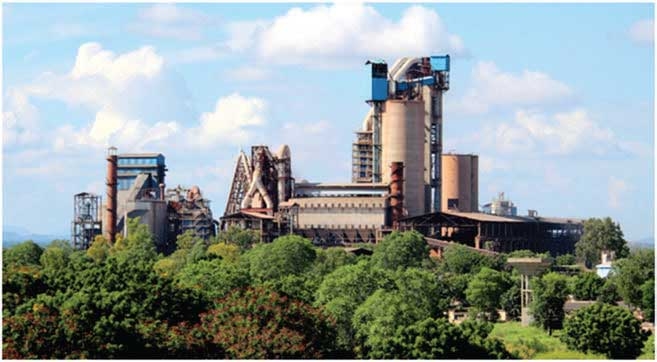
The Ready made Concrete segment is in an expansion mode now with the demand spiralling.
The Ready made Concrete segment is in an expansion mode now with the demand spiralling. While technology will redefine the segment, the industry will also look at being greener and more sustainable.
The global pandemic disrupted all segments including infrastructure, cement, and aggregators. It started to rebound in the current year with green shoots from the infrastructure and other construction segments. No doubt that the infrastructure sector is one of the leading growth drivers for the Ready Made Concrete (RMC) segment. Supportive measures from the government and the allocation of $24.27 billion transport infrastructure development in the Union Budget FY2020-2021, is a clear indicator of the sector regaining its lost sheen.
The construction of 440-meter-long tunnel in the Chamba town on the Rishikesh-Dharasu road Highway (NH 94) by the Border Roads Organisation (BRO) and the metro construction in distinct parts of the country, are driving the growth of the ready-mix concrete (RDC) market.
“The global ready-mix concrete market size was valued at $491.6 billion in 2018, and is projected to reach $766.6 billion by 2026, growing at a CAGR of 5.5% from 2019 to 2026” according to a report published by Allied Market Research. The report stated, “The manufacturers of ready-mix concrete are focusing on business expansion and acquisition as key strategies to increase their market share. For instance, in July 2019, Ambuja Cement, a subsidiary of LafargeHolcim Ltd, a Swiss multinational company acquired the capacities in the ready-mix concrete to increase its customer base in India.”
The RMC market as per the stakeholders has bounced back to the pre -Covid level and is expected to register a double-digit growth in the current year. This is primarily because of the uptake seen in the infrastructure, commercial and the residential segment.
As per Techsci Research report, the Indian RMC market was valued at $ 2378.11 million in FY2020-21 and is predicted to grow at CAGR of 16.21%to reach $3954.26 million by 2026.
The demand started rising from the First/Second quarter of this year FY2020-21. Industry captain pegged estimate the demand to rise by around 15 percent in the coming quarter, to the the pre-covid era growth rate. The infrastructure development has also pricked up momentum with the boost from the government.
Coupled with the demand rise from the commercial and residential sectors—both of which has kept investments on hold because of the lockdown, the segment is loosening up its purse strings in a big way. There is a conversion towards RMC, especially in tier-2 cities where the acceptability has been increased.
“Urban areas residential developers shifted towards RMC a while ago. Percentage wise, we have probably only 10 percent of the overall RMC volume in housing. Retail housing is still not a lucrative segment for ready mix, but the residential large buildings (high-rise) have adopted RMC in big cities,” said a sector expert requesting anonymity.
Simultaneously, as players in the industry were scouting options to reduce operational costs, Covid accelerated the process of adapting technology implementation in an industry which was dependent on manual operations. For instance, RFID replaced the human workforce in the movement of raw materials and the outward movement of finished products; a process earlier managed by 100 percent managed by the human workforce. While some benefits of the tech investments were intangible, what made the industry gurus happy was the use of tech to optimize workforce utilization and ease the process.
Prashant Jha, Chief Ready-Mix Business, Nuvoco Vistas Corp, said, “The recovery of the construction sector and sturdy growth opportunities in residential and infrastructure construction projects are expected to boost the demand for construction materials. Currently, RMC capacity is close to 45 million cm3. With a boost to infrastructure and government initiatives such as Housing for All, we expect a CAGR of 7-10 percent over the next five years.”
The concerns regarding the safety of the employees during the Covid, followed by the government compliance on safety also accelerated the IT process integration. All industries took time to adjust to the new normal: work from home or remote workforce and client and employee meetings over video conferencing apps.
Technologies
The RMC sector saw increased level of automation in the last two years. Many RMC players adapted to digitized processes and automated plants. Beginning from sensors to IoT devices, the journey has just begun.
Anil Banchhor, Managing Director & CEO, RDC Concrete India said, “We have adopted automation to the level that a person sitting at home can do the batching at the factory, or from Nagpur or Hyderabad can operate a plant in Mumbai. The investment is less as compared to the benefits, like a person who can operate two plants instead of one remotely.”
For RMC, the mechanisation process began even before Covid. However, people who were dependent on the manual process of moving concrete from ground to higher floors started using concrete pumps. It was a visible shift, and this could be pegged against a sudden shortage of labour.
Challenges and material crisis
One of the reasons attributed to labour shortage was the GoI’s sudden decision to stop popular movement to prevent the spread of Corona virus. While the move several impacted several industries, the RMC manufacturers too could not supply raw materials to the sites. Even as the industry was inversely impacted, it was also the first to rise and help the government by voluntarily reducing the entry of trucks within city limits. If the move impacted the industry’s overall logistics and optimization process, it did not complain, but urged the government to re-look at the imposed sanctions especially in bigger cities.
The pandemic that hit the globe, also hit the international supply chain segment. The RMC segment faced shortage of raw materials: admixtures and plasticizers. Volatile pricing added to the problems, industry insiders lamented.
According to an industry insider, “While the raw materials are now available, they are being sold at a higher rates; this directly impacts the cost of production. This is one of the reasons why the RMC cost has gone up recently.”
Little wonder than that the RMC industry is looking at alternatives to cut cost.
Alternatives
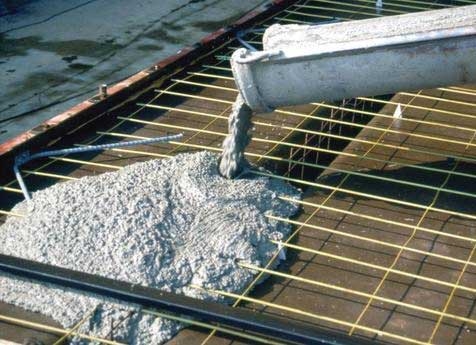
The segment has been experimenting a lot with alternate materials. Big players in the segment have made concentrated efforts to use industrial by-products in RMC to decrease wastage but also reduce the impact on the environment.
It is a continuous process, and the companies are confident in optimising the use of industrial by-products.
“We are using a couple of alternatives in our RMC plants. One is the ultra-fine, second is M-sand or the engineered sand because of the challenges sourced in river sand,” said Anil of RDC Concrete.
Overall, the industry is seeing a shift towards more sustainable concrete and adapting newer technologies to reduce carbon footprint. As a next step, the industry is to use vertical plants because of the lack of land. Since the vertical plants are cleaner and require less space, they are appropriate for the Indian and the urban settings.
When it comes to recycling of construction material which is a thrust area for the industry, India is right at the beginning as a country. The noticeable change is that there are a lot of recycling units springing up across the country.
Previously, the construction demolition (C&D) materials were dumped outside the cities without any control. But a positive news is that the practise is slowly changing. Most RMC companies have partnered with dedicated vendors to segregate C&D aggregates.
The initiative is buoyed by the Bureau of Indian standards that allows only certain percentage of C&D materials in the RMC segment. Most companies who have begun the compliance process said that it is a work in progress.
The future:
The RMC segment is in an expansion mode. An expert who did not wish to be named, informed, “There will be more RMC plants coming up in distinct parts of the country, even in smaller cities and towns. This means that the industry will require to use a lot more technology to scale up and replicate the processes, and to monitor the quality of raw materials.”
he next phase of automation would involve AI and IoT, the expert informed. “The advanced tech deployments will enable the industry to comply with its commitment to reduce carbon footprint by 2050. A lot of investment is also going towards R&D into alternative materials; more in reduced costs of alternative materials which are touted to improve product performance,” the expert stated.
While technology will redefine the segment, the industry will also look at being greener and more sustainable. From including more C&D material in manufacturing to industry by-products and M-sand as aggregators, the industry at the same time will gear up to be carbon neutral. As a small and a first step, many companies have started adopting e-vehicles for a better future.
Renjini Liza Varghese

World Environment Day spotlight on innovation and circularity
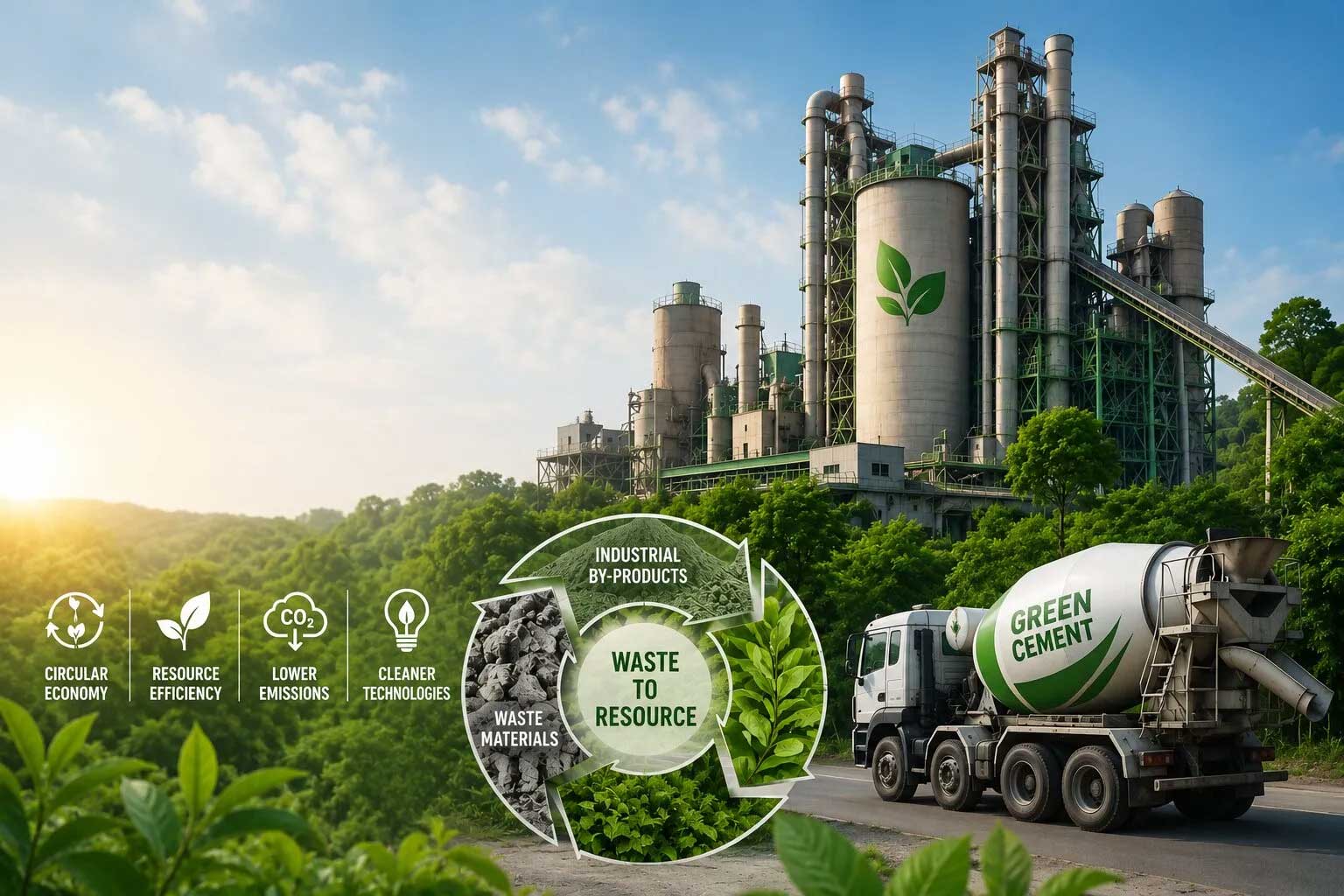
On World Environment Day, the Indian cement industry reiterated its commitment to supporting India’s climate ambitions through sustainable manufacturing, resource efficiency and the adoption of cleaner technologies.
The Cement Manufacturers’ Association (CMA) said the sector remains aligned with the Government of India’s Net Zero commitments and is accelerating efforts to reduce its environmental footprint while supporting the country’s infrastructure and development agenda.

Parth Jindal, President, CMA and Managing Director, JSW Cement, said the industry is increasingly adopting cleaner technologies, improving energy efficiency and expanding the use of alternative fuels and raw materials. He also highlighted the growing importance of circular economy practices, where industrial by-products and waste streams from one sector are utilised as resources in another.
“The Indian Cement Industry is aligned to the Government’s commitments on carbon mitigation and is accelerating the adoption of cleaner technologies, resource efficiency and circular economy practices while actively exploring the potential of Carbon Capture, Utilisation and Storage (CCUS) as a critical pathway for deep decarbonisation,” said Jindal.
He added that coprocessing industrial waste and by-products helps conserve natural resources, reduce disposal requirements and lower the environmental footprint across multiple sectors.
According to Jindal, sustainability is no longer limited to manufacturing processes but is increasingly influencing investment decisions, innovation strategies and long-term growth plans within the industry.
Echoing similar views, Dr Raghavpat Singhania, Vice President, CMA and Managing Director, JK Cement, said sustainable development extends beyond emissions reduction and must also focus on responsible resource utilisation and waste minimisation.

“Sustainability in the built environment cannot be measured by emissions alone. It is equally about how efficiently we use resources, how effectively we minimise waste and how responsibly we create the infrastructure that will serve future generations,” said Singhania.
He noted that the cement industry is advancing its sustainability agenda through greater resource efficiency, increased circularity, technological innovation and continuous improvements in manufacturing practices. As a key contributor to India’s infrastructure development, the sector has a critical role to play in balancing economic growth with environmental responsibility.
On the occasion of World Environment Day, industry leaders reaffirmed their commitment to supporting India’s climate goals while delivering the materials required for resilient, durable and sustainable infrastructure.
Concrete
JK Lakshmi Advances LC3 Cement Expansion
Company highlights commercial production and research partnerships


Cement Makers Reaffirm Commitment to Sustainable Growth

Building a Greener Future Together

JK Lakshmi Advances LC3 Cement Expansion

Burnpur Cement Reports Standalone Net Loss Of Rs 207.4 Million

Ramco Cements Campaign Wins Six Kyoorius Honours
Cement Makers Reaffirm Commitment to Sustainable Growth
Building a Greener Future Together
JK Lakshmi Advances LC3 Cement Expansion
Burnpur Cement Reports Standalone Net Loss Of Rs 207.4 Million