Concrete
Sustainability Initiatives

The cement industry is always striving very hard for productivity improvement and innovation for making processes more robust and efficient. Increased efficiency means less consumption of resources such as fuel and power, which is a key driver for sustainability. This is nothing new. What is new is the accelerated pace and sense of urgency within the industry. The Paris Agreement has certainly played a major role in changing priorities in Government initiatives, investors and rapid increase in abatement of CO2 emission.
A Review of Progress
In the context of sustainability, digitalisation is extremely important, it is relevant to mention here that the most efficient plants in the world are supported by modern control systems. With new generation process expert for plant control system, it is possible to achieve savings both in fuel and power consumption per ton of cement.
Data analytics is another key enabler in fostering a sustainable production. With this, it is possible to combine data capture with process knowledge that run plants more efficiently and reliably. For example, with the latest version of the laboratory automation system coupled with the improved process modelling and optimisation have established appreciable reduction in energy consumption with product quality improvement.
Various Levers to reduce CO2 emission
-
Appreciable reduction in usage of fossil fuels
-
Mastering of burning of alternate fuels to achieve highest level/fuel flexibility
-
Appreciable reduction of clinker factor which may need certain amendments to existing codes or devising new standards or codes for production and selling the new cements in the market.
-
To introduce circular economy and alternative raw materials
Deployment of geopolymers, replacing limestone with cement recycled from old concrete structures and maybe even using cement plants to produce brown fuels. It needs a paradigm as to how industry captains collaborate and innovate.
Usage of Alternate Fuels
The opportunities for cement manufacturers to start burning alternative fuels are many, but it is a gradual process. Process knowledge is critical when starting up the use of alternative fuels because even the slightest change to one part of the process can start could create havoc. Many technological aides are available for the plants from technology suppliers like Pfister, Alternative Fuels Starter Kit that comes with a complete package of equipment for materials handling, dosing and burning, and is designed for using a wide range of alternative fuels like biomass and refuse-derived fuel (RDF).
Many technology suppliers are focussing on gasification technology endeavour to reach 100 % usage of alternate fuels.
Longer-term options may exist for electrification of heat creation, such as induction or microwave heating. Serious R&D is under way!
Usage of lesser clinker content and alternate raw materials
As mentioned earlier it is inevitable to go for certain amendments in the current standards (of cement) in order to accommodate higher amount of secondary cementitious materials (SCMs) and also go for new standards in order to accommodate newer cement formulations. All these changes in the standards would appreciably reduce the clinker component helping not only CO2 abatement but also to help in mineral conservation.
Clinker substitution and the use of alternative raw materials are key in reducing the environmental footprint of the cement industry. To put it into perspective, if we could reduce the CO2 emissions from cement production by just one percentage point, it would be equivalent of removing the fossil fuel used to provide 258 million households with electricity annually or replacing the use of fossil fuel with 19,000 wind turbines!
Carbon capture and sequestration
Carbon capture systems must target process emissions and combustion emissions. These systems have two categories:
Post-combustion technologies aim to separate CO2 from exhaust gases and typically rely on chemical CO2 absorption (for example, by amines). Oxyfuel technologies react fuel with pure oxygen instead of air, generating a purer stream of CO2, and also can capture process CO2.
Carbon Dioxide Removal
Reduction of CO2 emissions can be done by applying CO2 removal process. In this technique, CO2 is separated during or after the production process and subsequently stored or disposed of outside the atmosphere.
The CO2 can be recovered from flue gases, produced from the calcination process as well as from the combustion processes. Typical CO2 concentrations in the flue gases range from 14% to 33%. Because of the high share of CO2 in flue gases originating from the calcination process (and not from a combustion process), combustion in a CO2/O2 atmosphere could be suitable to recover the CO2.
This technology is currently not cost-effective and needs further research to assess the technical and commercial applicability.
Conclusion
Cement will remain the key ingredient for housing and infrastructure creation. As a result, the cement industry worldwide is facing growing challenges in conserving material and energy resources, as well as reducing its CO2 emissions. According to the International Energy Agency (IEA), the main levers for cement manufacturers are the increase in energy efficiency and the use of alternative materials, be it as fuel or raw materials. Accordingly, the use of alternative fuels has already gained a momentum in recent years.
In cement, the reduction of the clinker factor remains a key priority: a lot of hard work has gone inside in this direction. New materials might be able to play a role as cement constituents in the future. It remains to be seen to what extent they could substitute Portland cement clinker to a significant degree.
Global economic growth and urbanisation continue to increase the demand for cement. These investments in infrastructure provide people with a higher quality of life. The trends of sustainability and economic growth perfectly converge into an opportunity for the cement industry to make an incredible impact for the greater good.

Dr.S.B.Hegde
ABOUT THE AUTHOR:
Dr.S.B.Hegde is a ??lobal Visionary Award 2020??Winner for his notable contribution to Cement field (with 30 years of experience) both in India and Abroad. He is a ??xpert Panel??member in renowned International Magazines of Cement and Concrete. Dr Hegde is also a ??isiting Professor??of one of the reputed Universities in the United States of America.









Concrete
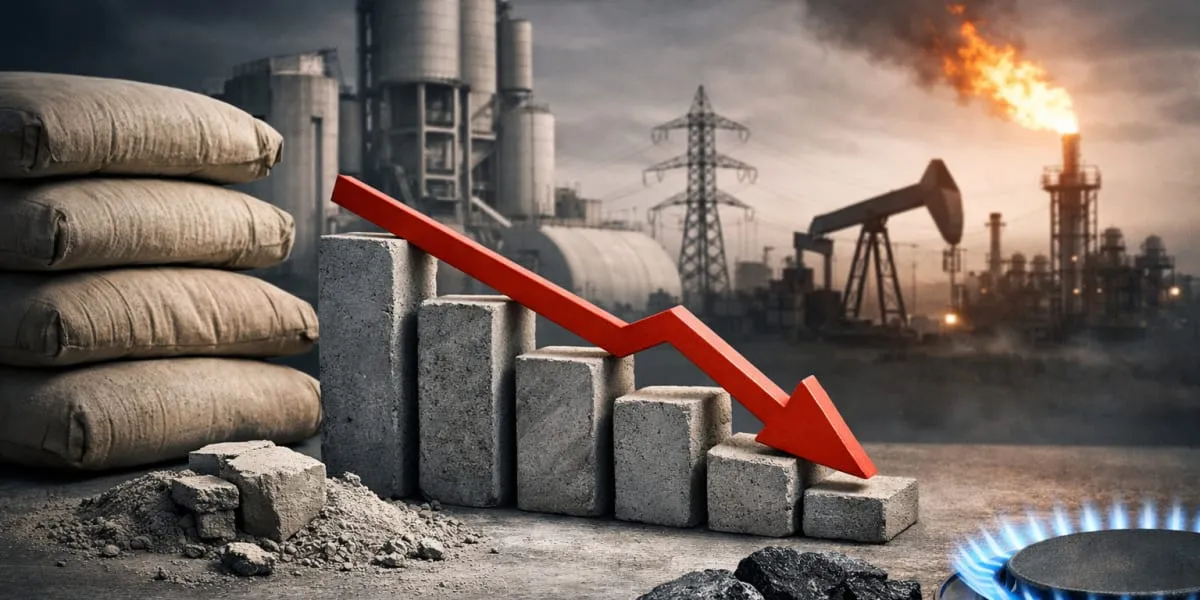
Cement Margins to Erode as Energy Costs Rise: CRISIL
CRISIL warns of 150–200 bps margin decline this fiscal
Concrete
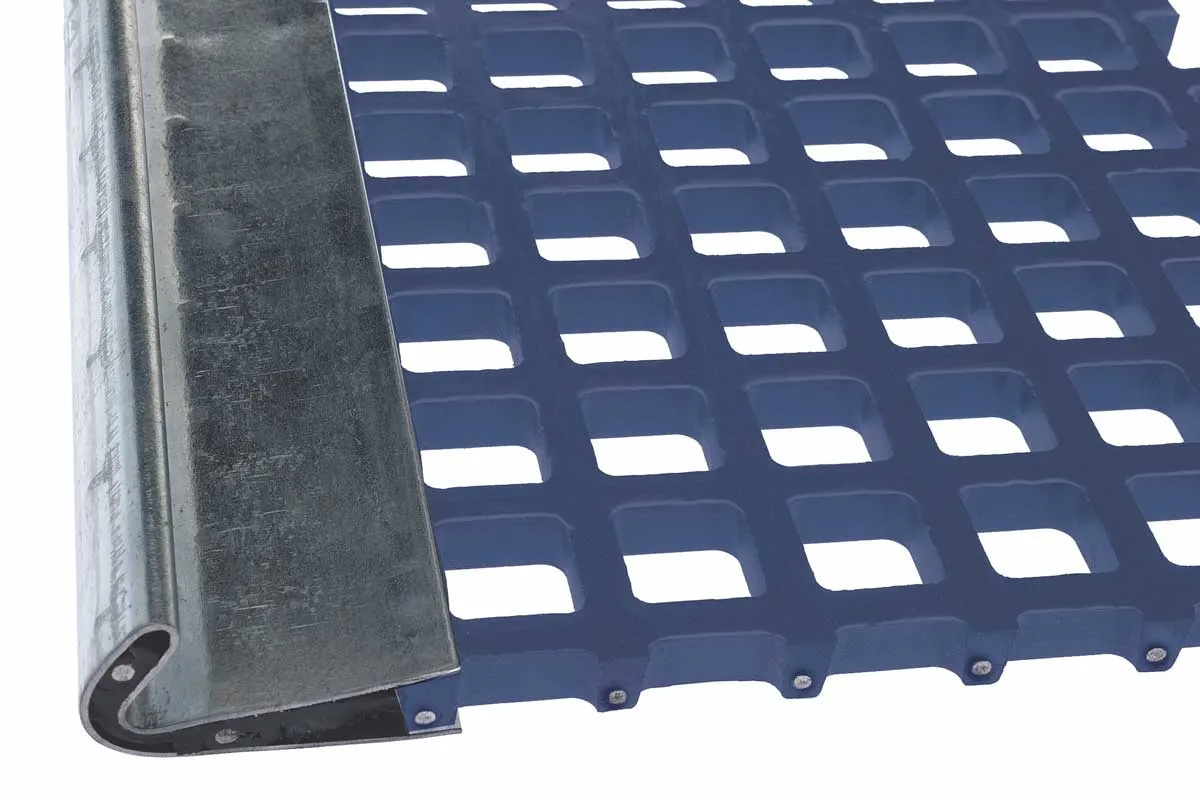
Haver & Boecker Niagara to showcase solutions at Hillhead
Focus on screening tech, diagnostics and quarrying efficiency
Concrete
Siyaram Recycling Secures Rs 21.03 mn Order From Anurag Impex
Domestic Fixed Cost Contract To Be Executed Within Seven Days


Cement Margins to Erode as Energy Costs Rise: CRISIL

Haver & Boecker Niagara to showcase solutions at Hillhead

Siyaram Recycling Secures Rs 21.03 mn Order From Anurag Impex

Nuvoco FY26 Income Rises 10% as Expansion Advances

BMC Cement Concretisation Cuts Pothole Repairs By 70 Per Cent
Cement Margins to Erode as Energy Costs Rise: CRISIL
Haver & Boecker Niagara to showcase solutions at Hillhead
Siyaram Recycling Secures Rs 21.03 mn Order From Anurag Impex
Nuvoco FY26 Income Rises 10% as Expansion Advances