Concrete
Life skills for the new age – 2020s and beyond

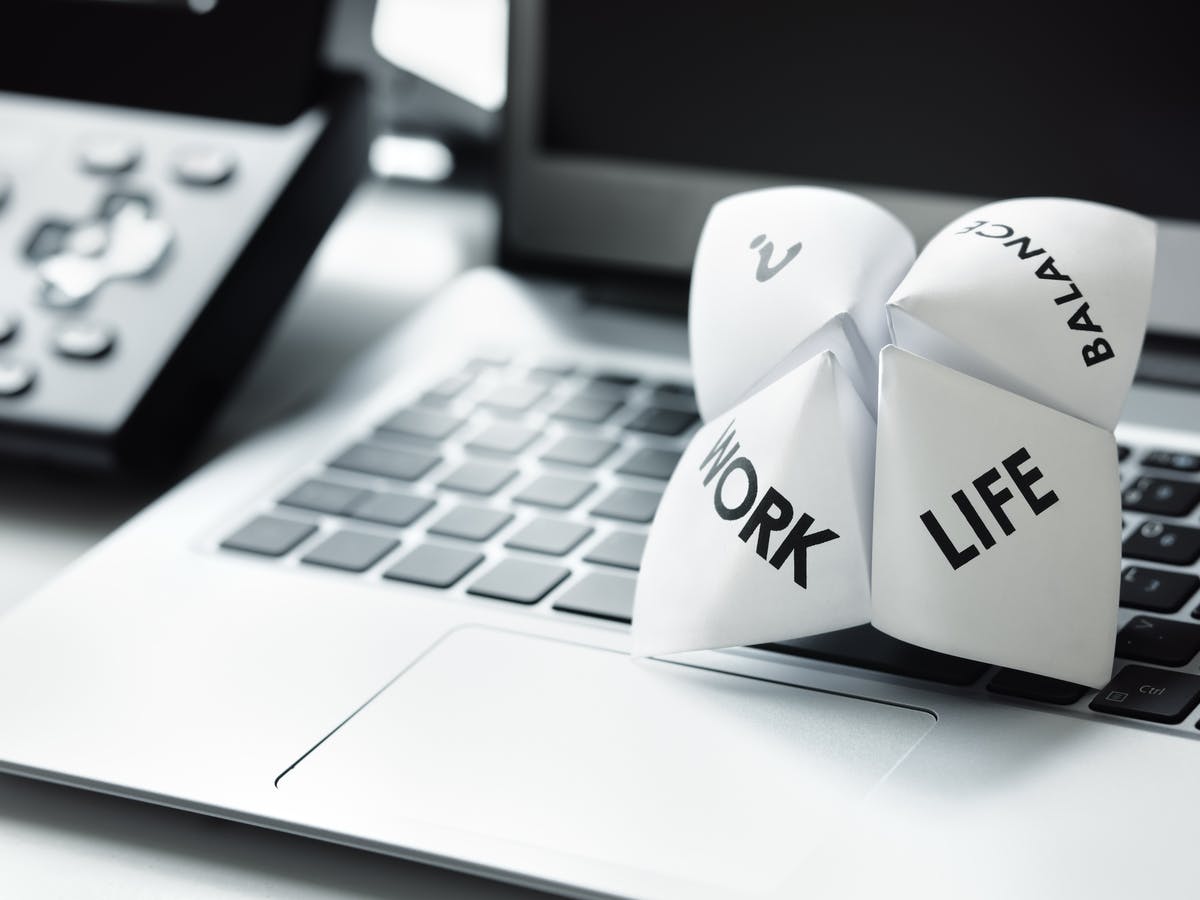
We all live through three distinct phases in our life: (a) education phase (b) work phase and (c) retirement phase. The phases are very different, one from the other, though there may be some overlaps in terms of certain activities. We spontaneously pick up, as it were, certain skills in each of the phases, but it is advisable that we put in conscious efforts towards acquiring the right skills, which could assure us a higher degree of success.
In these few pages, I am sharing largely my personal experiences, but I have also included insights gained from my friends and colleagues whom I regard highly for their maturity and professional competence.
Education phase
Without exception, all parents strive to provide the best possible education to their children according to their means. However, the quality of education the child receives is heavily dependent on the nature and the standing of the school where the child could finally secure admission. Most parents opt to get their children admitted to a school close to their residence or in one which assures transport arrangements.
A few parents may decide to send their children, generally their grownup children, to a boarding school. A boarding school is certainly very conducive to the overall development of the child, but everyone knows boarding schools cost a lot. Only those parents, who can afford to foot the bill and who do not mind their children living away from them, exercise this option. Once through with the school, college education comes next. Choice of the field of study is the most critical issue at this stage. Very many factors influence this decision, the most important being the score card, the actual marks obtained in the school finals. Given the intense competition for the few seats available for a particular specialisation in any reputed college, the child?? performance in the school will be the most decisive factor. In addition, parents??preferences and the counsel of vocational guides and well-wishers, will also play a part.
Life at college, free of the school uniform, ushers in a period of freedom. Opportunities for abuse are very high. Bunking classes is always a major temptation to the students. It seems to give them a sense of power. However, during this period, the idea of what one wants to achieve in life begins to take shape, especially among the more devoted of the student community. While at college, one needs to concentrate on classroom learning. This must be supplemented by study at home and regular visits to the library. No one can broaden one?? horizon or do well academically without the study of the recommended books and journals.
At the same time, one needs also to develop an interest in extra-curricular activities such as sports, drama, elocution, debating, music, dance, and singing. Academic excellence alone will not suffice for all-round development. Participation in sports and games can contribute immensely to preparing oneself for the next phase in life, the Work Phase. Be that as it may, academic learning should be the prime focus at this stage. In college, students in particular course will be of varying economic backgrounds. Accordingly, their ambitions and dreams, and their focus and their lifestyles are likely to be different. Difficult as it may be children need to be helped to integrate this truth into their life. We do not choose our parents and there is no reason to feel apologetic if one happens to come from a poorer section of the society, economically speaking. College students should be made aware of the laws of the land with regard to the consumption of drugs. They must be forewarned by teachers and parents about the dangers and pernicious effects of drug abuse. Health is ruined. Concentration is lost. Career is endangered. Most of all a drug addict finds himself on the wrong side of the law with its attendant consequences. While at college, students should be singularly focused on achieving the goals they have set for themselves. College education is the first step in obtaining a Diploma or a Degree. It also spells the start of acquiring domain knowledge in a particular field. Development of social skills also occurs during this period.
Domain knowledge must be amply supported with knowledge of networking and technology as these are regarded as essential for success in the future. All these skills should ideally lead to developing a high level of self-confidence, feeling certain about what one wants to do in life, and the ability to stay competitive in this ??an-eats-dog world?? Successful completion of a Diploma or a Degree course paves the way for the student either to pursue higher education or to seek gainful employment of some kind and, in some cases, even to be self-employed.
By way of summary, we can say that after college education, the skill-sets required of the New Age personnel will revolve around the following areas:
a) Ease of using digital tools.
b) Focus, a high level of goal-orientation.
c) Self-confidence coupled with the realisation that organisations are hierarchical, and one will have to work under a boss.
d) While at college competing with fellow students was acceptable, but in the workplace collaboration and teamwork are more desirable. They are also important for one?? overall success.
e) Organisations function based on rules and regulations, and therefore strict adherence to the rules is expected of the new entrants to the corporate life.
Gradually all the life skills are becoming gender neutral. Hence, everyone, regardless of the gender, must acquire household-related skills as well such as cooking and housekeeping. These skills are better developed at a young age and so the role of parents in ensuring that their wards are on track in acquiring these skills cannot be over-emphasised.

Work phase
Presently there is a serious slowdown in the economy of the country owing primarily to the outbreak of Covid -19 pandemic. This is a global phenomenon. It would take a while to return to the pre-Covid19 situation. The job market in India is at present under unprecedented stress, more so for the fresh graduates in any field other than medicine and information technology (IT). Limited jobs are available to the new entrants in the job market.
Let us not forget that a high tide always follows a low tide. We have to keep our hopes alive as jobseekers. This will also apply to the enterprises in the country. Enterprises that had earlier faced global competition are seeing a big shift. The recent protectionist policies increasingly adopted by countries across the world, including India, are bound to aid the local enterprises to some extent. Increased use of electronic media by businesses in different spheres has also come as a boon. As a result, enterprises related to Information Technology (IT) and Information Technology Enabled Services (ITES) have benefitted immensely during this pandemic.
Job prospects have considerably improved in these sectors. Also, lectures and classes, both at schools and colleges, are being held in a virtual fashion. This is likely to become the new normal, especially when it comes to imparting distance education. An academic qualification, even just a Diploma or a Degree, may serve as a passport for entry into the world of work. However, it does not guarantee a steady growth in career thereafter. Continuous learning and upgradation of skills are a must for any meaningful growth in one?? career. Money is not to be made as the be-all and the end-all of life or the sole purpose of our work.
There are so many other good reasons why we perform at our best: service to the world, sense of personal satisfaction, and growth in competence, to mention a few. Let us bear in mind that nobody ever has died of hard work, but several have perished because of laziness. In the world of work, it is essential that one keeps oneself physically fit, mentally alert, and emotionally stable, despite the pressures at the workplace and in one?? personal life. While in the world of work, it is essential that one maintains cordial relationships with one?? spouse and children, one?? parents and siblings, in-laws and relatives, friends, and associates, as they are said to serve as the emotional anchors to our lives. They do help an individual to navigate through turbulent times successfully. One?? school and college batchmates can also contribute in a big way to one?? emotional wellbeing even though they will have their individual paths to follow and their own personal destinies to fulfil.
For the next several years, because of the Covid-19 pandemic, many persons will face a difficult situation in finding jobs and in retaining them. Hence, individuals must consciously maintain a positive and optimistic attitude as this alone can help deal with the current challenges in life. Some young people, disappointed at not being promoted or not being rewarded adequately, quit their jobs in haste without another job or any other alternative in hand. This is imprudent, to say the least. A candid assessment of one?? capabilities and performance levels and careful scrutiny of one?? shortcomings and weaknesses would throw up useful data for charting out a required improvement path, which should eventually lead to the desired levels of success. We do not expect the workplace to be some sort of a paradise. There are bound to be problems and challenges of all kinds, some of which may be very undesirable. Stress and strain in a job are also inevitable.
The remedy lies in getting engaged in absorbing hobbies and pursuing other interests such as social work or games. This will help to destress oneself and to find meaning in some other areas of life. The satisfaction derived this way can compensate for the unhappiness being felt at the work front. Another important suggestion would be about developing a love for and pride in the organisation we work for. There is more than adequate evidence to show that a positive attitude towards one?? organisation has contributed in a significant way to a person?? career growth and overall success in life. As far as the work phase is concerned, there are five areas to focus on: home, self, work, profession, and community. This will call for apportioning the available time appropriately for all the five aspects of one?? life. Success in this regard results in enhancing the ability of the person to make a real difference in the world. For achieving success in the world of work, the following are necessary:
a) A clear vision, knowing what one desires to achieve in life.
b) Discipline of completing tasks in time, with quality and excellence, sparing no effort in doing one is very best.
c) An iron will, determined to achieve the desired goal.
d) Building acceptability with one?? boss, peers, and subordinates, which is the outcome of having built adequate trust in the relationships.
e) Keeping abreast of the changes in technology and the new developments in one?? field of work.
f) Lastly, one?? share of luck. After all, the goddess of luck does play a big part in our fortunes in life.
Here is a list of skills required of a person in the World of Work in the 2020s and beyond:
1. Passion for one?? work
2. High work ethics
3. Entrepreneurial spirit
4. Critical thinking
5. Creativity
6. Interpersonal skills
7. Empathy
8. Ability to work with diverse people
9. Time Management – keeping promises and honouring commitments
10. Ability to deal with uncertainty
11. Adaptability ??bility to navigate in turbulent waters
12. Willingness to share resources and work as a team
13. Continuous learning
14. Managing change
15. Knowledge of the use of digital tools.

Retirement phase
After the work phase, an individual retires from the organisation and moves into the retirement phase. The superannuation age in most enterprises Is 58 or 60 years. Some retire prematurely before the age of superannuation either to pursue some other interests of their own or just to rest. Only those who are financially sound can choose to retire early. Unless one is employed with the government, job security is no more a reality in today?? world. Enterprises keep restructuring, merging, and downsizing all the time so much so that one is made to feel permanently as a temporary hand till one retires. Self-employed persons have the luxury of prolonging their work-life well into their 70??. When they finally decide to hang their boots, they move into the retirement phase of their life. The job market in India is not all that rosy at present and those employed have to face innumerable challenges to stay afloat in the corporate waters. It is undoubtedly a case of the ??urvival of the fittest?? Therefore, those employed should be making a saving regularly for the rainy days ahead. Getting trapped in the EMI (Equated Monthly Instalment) culture, which is all too popular today, is very undesirable except for purposes such as purchase of a house.
While in the world of work, one also needs to develop alternative sources of income, should one be unfortunate enough to lose the job for some reason or other. Sudden terminations are not uncommon in today?? organisations. One must be prepared for any such eventuality by consciously developing an alternative source of livelihood. All this would serve one well during the retirement phase. For leading a meaningful and peaceful life during the retirement phase, one has to attend to the following matters:
a) Own dwelling place.
b) Maintaining good health and remaining fit physically, mentally, and emotionally, by regular exercises including yoga.
c) Healthy and nutritious diet.
d) A healthy bank account. Adequate funds for oneself and for one?? spouse. Whoever survives should also be able to live on comfortably without having to depend on children or anyone else.
e) Meaningful occupations. Professional pursuits and Hobbies of some kind. Both will do wonders to a person?? life.
Conclusion
In life we all go through the three phases we have talked about, though our experiences may vary owing to various factors, such as family status, educational levels, nature of the profession, and the personality of the individual.
We have highlighted some of the essential skills needed to be effective and successful in each phase ??during the 2020s and beyond. This is not an exhaustive list but does cover the critical aspects to focus on to ensure a person?? smooth passage through the three phases of life. It is important to nurture affection and love for one?? school and college and develop feelings of gratitude and respect for the teachers, but for whom we could not have moved through the education phase successfully. We also need to be grateful to all the organisations we have worked for and should never speak ill of any of our past employers. Our work phase is largely what our life is made of. If this is how we carry ourselves during the first two phases of our life, the retirement phase will certainly prove to be a period of great joy and peace, as we will be able to look back at the years gone by and our various accomplishments with great satisfaction. Our life will certainly go down as a meaningful life.
ABOUT THE AUTHOR:
Dr Rajen Mehrotra is Past President of Industrial Relations Institute of India (IRII, Former Senior Employers??Specialist for South Asian Region with International Labor Organization (ILO) and Former Corporate Head of HR with ACC and Former Corporate Head of Manufacturing and HR with Novartis India. E-Mail: rajenmehrotra@gmail.com
The article is based on a talk delivered by the author in a Webinar on ??ssential Skills For Tomorrow – 2020+??organised by Mind Power on September 26, 2020 for students, executives and retired professionals. Published in October 2020 issue of Current Labour Reports.




World Environment Day spotlight on innovation and circularity
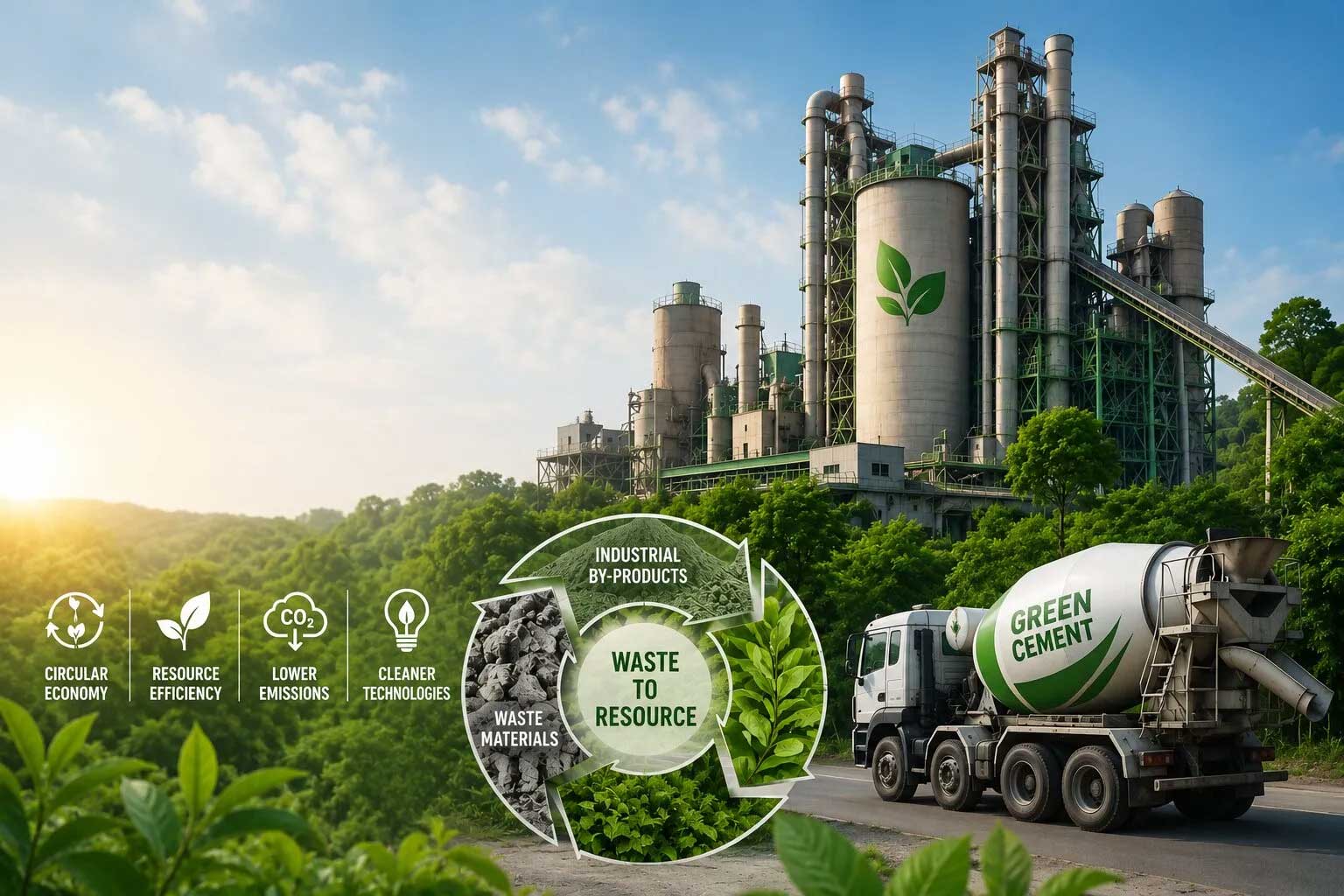
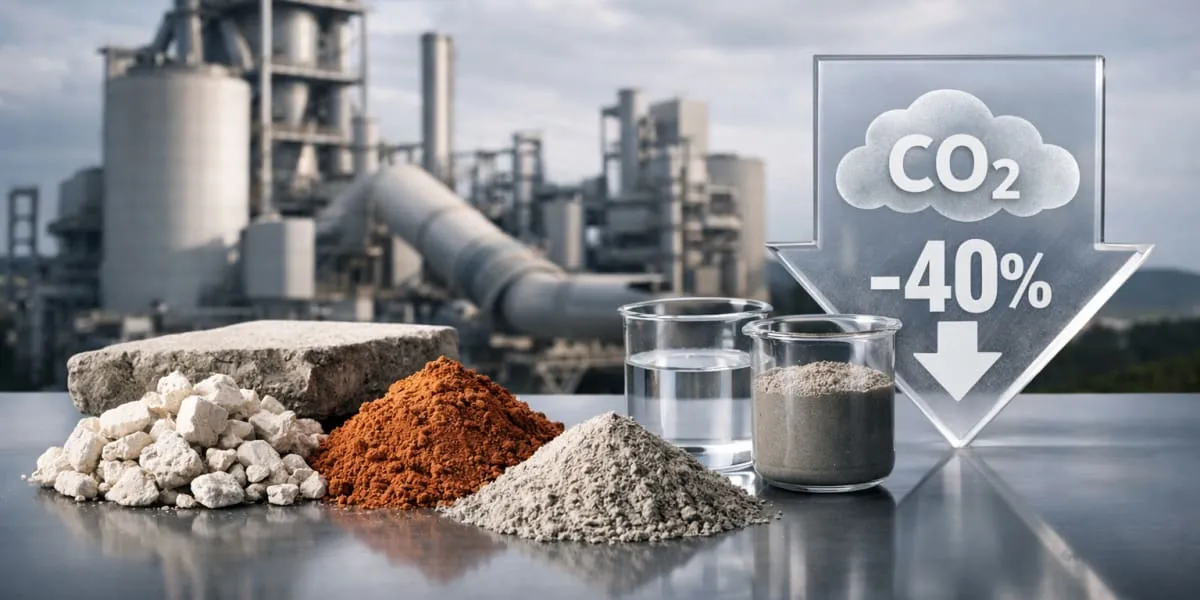
On World Environment Day, the Indian cement industry reiterated its commitment to supporting India’s climate ambitions through sustainable manufacturing, resource efficiency and the adoption of cleaner technologies.
The Cement Manufacturers’ Association (CMA) said the sector remains aligned with the Government of India’s Net Zero commitments and is accelerating efforts to reduce its environmental footprint while supporting the country’s infrastructure and development agenda.
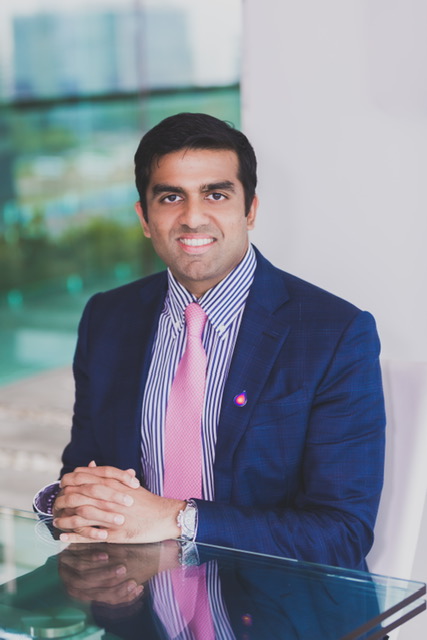
Parth Jindal, President, CMA and Managing Director, JSW Cement, said the industry is increasingly adopting cleaner technologies, improving energy efficiency and expanding the use of alternative fuels and raw materials. He also highlighted the growing importance of circular economy practices, where industrial by-products and waste streams from one sector are utilised as resources in another.
“The Indian Cement Industry is aligned to the Government’s commitments on carbon mitigation and is accelerating the adoption of cleaner technologies, resource efficiency and circular economy practices while actively exploring the potential of Carbon Capture, Utilisation and Storage (CCUS) as a critical pathway for deep decarbonisation,” said Jindal.
He added that coprocessing industrial waste and by-products helps conserve natural resources, reduce disposal requirements and lower the environmental footprint across multiple sectors.
According to Jindal, sustainability is no longer limited to manufacturing processes but is increasingly influencing investment decisions, innovation strategies and long-term growth plans within the industry.
Echoing similar views, Dr Raghavpat Singhania, Vice President, CMA and Managing Director, JK Cement, said sustainable development extends beyond emissions reduction and must also focus on responsible resource utilisation and waste minimisation.
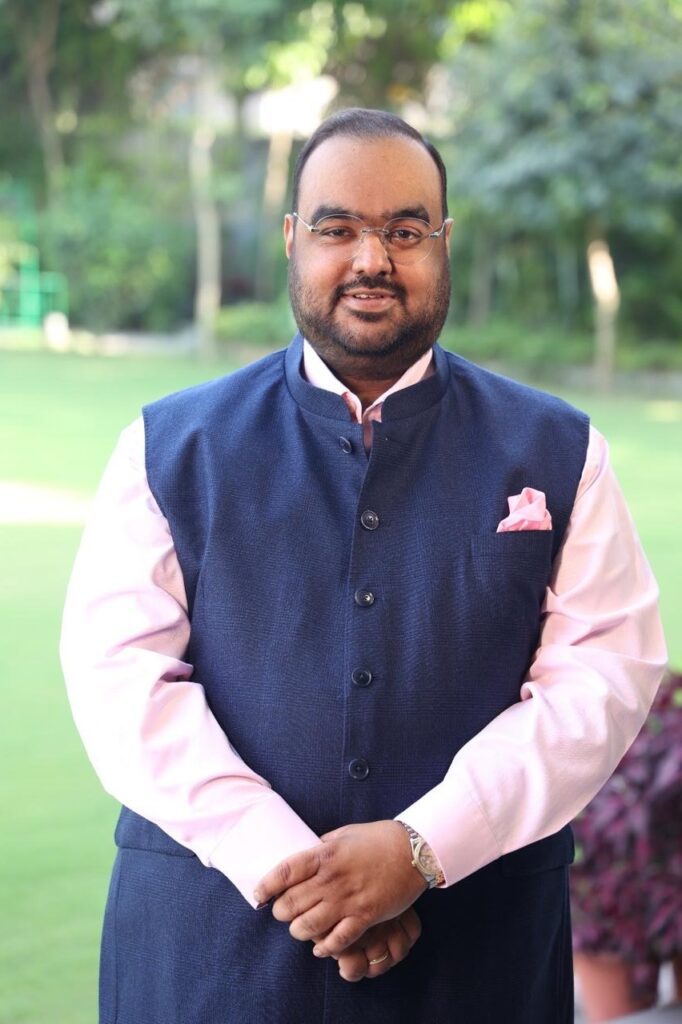
“Sustainability in the built environment cannot be measured by emissions alone. It is equally about how efficiently we use resources, how effectively we minimise waste and how responsibly we create the infrastructure that will serve future generations,” said Singhania.
He noted that the cement industry is advancing its sustainability agenda through greater resource efficiency, increased circularity, technological innovation and continuous improvements in manufacturing practices. As a key contributor to India’s infrastructure development, the sector has a critical role to play in balancing economic growth with environmental responsibility.
On the occasion of World Environment Day, industry leaders reaffirmed their commitment to supporting India’s climate goals while delivering the materials required for resilient, durable and sustainable infrastructure.
Concrete
JK Lakshmi Advances LC3 Cement Expansion
Company highlights commercial production and research partnerships


Cement Makers Reaffirm Commitment to Sustainable Growth

Building a Greener Future Together

JK Lakshmi Advances LC3 Cement Expansion

Burnpur Cement Reports Standalone Net Loss Of Rs 207.4 Million

Ramco Cements Campaign Wins Six Kyoorius Honours
Cement Makers Reaffirm Commitment to Sustainable Growth
Building a Greener Future Together
JK Lakshmi Advances LC3 Cement Expansion
Burnpur Cement Reports Standalone Net Loss Of Rs 207.4 Million