

Concrete
Mounting Cost Pressures














Concrete
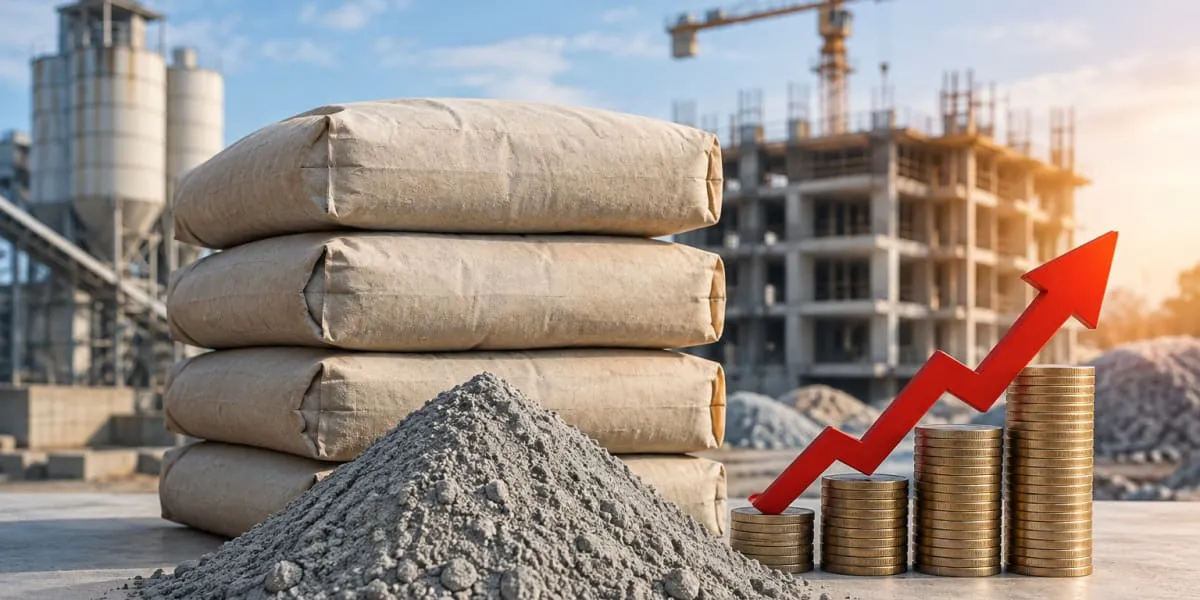
Cement Prices Likely to Rise Rs. 10-15 per Bag from Mid-October
Input costs and steady demand may drive cement price increases
Concrete
Nuvoco Marks 10 Years, Targets 35 MMTPA Capacity by FY28
Nuvoco celebrates a decade of growth, targeting 35 MMTPA cement capacity by FY28.

Concrete
J&K Government Notifies City Gas Distribution Policy
Policy targets PNG and CNG expansion across all 20 districts


▶

Concrete12 hours ago
Cement Prices Likely to Rise Rs. 10-15 per Bag from Mid-October

Concrete1 day ago
Nuvoco Marks 10 Years, Targets 35 MMTPA Capacity by FY28

Concrete1 day ago
J&K Government Notifies City Gas Distribution Policy

Concrete1 day ago
JSW Cement Commissions 1 MTPA Grinding Unit at Nagaur

Concrete5 days ago
JSW Cement Commissions 1 MTPA Unit in Rajasthan
Concrete12 hours ago
Cement Prices Likely to Rise Rs. 10-15 per Bag from Mid-October
Concrete1 day ago
Nuvoco Marks 10 Years, Targets 35 MMTPA Capacity by FY28
Concrete1 day ago
J&K Government Notifies City Gas Distribution Policy
Concrete1 day ago
JSW Cement Commissions 1 MTPA Grinding Unit at Nagaur
Concrete5 days ago
JSW Cement Commissions 1 MTPA Unit in Rajasthan
-

 Concrete4 weeks ago
Telangana to Supply Subsidised Cement for Indiramma Houses
-

 Concrete2 weeks ago
JSW Cement Receives Rs. 2.3 bn GST Demand Notice
-

 Concrete2 weeks ago
Andhra Pradesh Clears Rs. 30 bn My Home Cement Plant
-

 Concrete4 weeks ago
Centre Defers Clearance for Limestone Mine Near Bustard Habitat