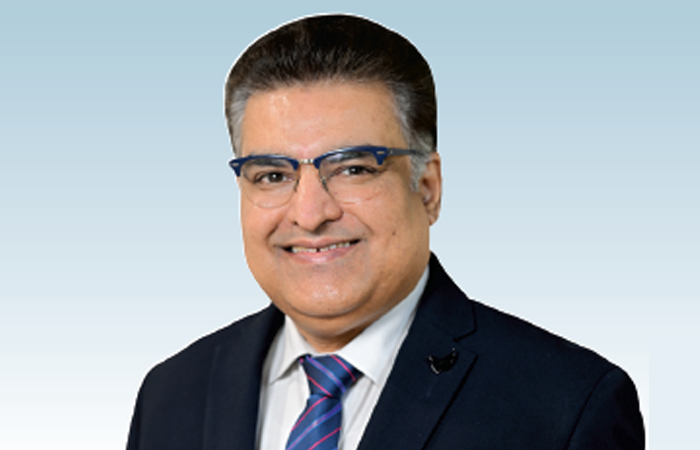
Sushrut Pant, Head – Marketing, Shree Cement, shares how strategic branding, trust-building, and sustainability are redefining buyer preference in a commodity-driven cement market.
Shree Cement is proving that brand power can drive preference, loyalty, and premiumisation. In this conversation, Sushrut Pant, Head – Marketing, shares how the company’s “Build Smart” philosophy blends trust, sustainability, and regional connect to reshape buyer choices.
How has branding influenced buyer preference in the cement market?
In a traditionally price-sensitive, commodity-driven market like cement, branding has emerged as a powerful differentiator. At Shree Cement, we’ve redefined this space through our Master Brand Bangur and the “Build Smart” philosophy, transforming cement from a generic input into a symbol of quality, trust and innovation.
Our approach blends emotional storytelling with functional delivery. Campaigns like “Solid Ghar Sirf Bangur” tap into the pride and aspirations of Individual Home Builders (IHBs), helping them connect with the idea of building something enduring. Similarly, during the general elections, we launched “Vote Solid, Desh Solid”, which drew a parallel between responsible voting and choosing a solid cement brand resulting in over 17 lakh pledges through an interactive digital experience. At the same time, strategic branding has helped build emotional equity with contractors, engineers, dealers and masons encouraging preference beyond price. Regional outreach, omni-channel engagement, and purposeful brand activations have improved visibility, driving conversion and long-term loyalty. This shift from transactional buying to brand-led preference is also validated by the successful introduction of premium offerings like Bangur Magna, Bangur Marble and Bangur Roofon aligned with evolving customer needs and aspirations.
What role does trust play in your brand’s positioning strategy?
Trust is the cornerstone of Shree Cement’s brand positioning. In a segment where product parity is high, trust becomes the strategic lever that ensures brand loyalty and long-term value. We nurture it through consistent product performance, customer support and transparent governance. Our IHB-focused campaigns are designed to build confidence. For instance, our customer care centre and educational content on our website ensure we are always-on support partners, not just product providers. We also work closely with trusted influencers contractors, engineers and masons who amplify our brand promise credibly on-ground. Additionally, our ESG-driven initiatives such as Project Naman and a 56 per cent renewable energy mix demonstrate our commitment to responsible growth reinforcing trust across all stakeholder groups from customers to investors.
How do you balance price competitiveness with premium brand perception?
We strike a deliberate balance between price competitiveness and premium positioning by focusing on value creation, not just price points. While our offerings remain affordable for a wide customer base, products like Bangur Magna, Bangur Marble and Bangur Roofon command a premium of Rs.30–40 per bag, backed by superior quality and performance, giving us significant gains in contribution to business. Rather than engaging in discount-led volume play, we emphasise “right pricing” to maintain healthy margins and brand equity. Our supply chain efficiencies and scale enable us to deliver value while controlling costs. Our campaigns reinforce this premiumisation through clear storytelling, how Bangur Magna ensures concrete strength even with suboptimal sand or water, and how Bangur Roofon addresses the critical concern of roof durability in Indian homes. This dual approach allows us to address both the cost-conscious and quality-seeking consumer segments effectively. Additionally, we have introduced home-building support services for Individual Home Builders (IHBs) through our website and customer care channels, leading to increased traffic, improved conversions, and greater premiumisation.
In what ways has your branding evolved with the shift towards green cement?
Sustainability is no longer a side narrative; it is central to our brand. Our master brand identity Bangur has evolved to embed eco-consciousness within our “Build Smart” philosophy, reflecting both responsibility and innovation. We highlight our use of alternative fuels, WHR systems and renewable power through communications that resonate with environmentally aware customers. Campaigns and product messaging showcase this green transformation, positioning Bangur Magna not only as high-performance but also as an eco-conscious choice. Our ESG rating of 70.8 and commitment to net-zero emissions by 2050 reflect the credibility behind our claims. Through our rebranded identity and sustainability-driven storytelling, we are reaching consumers who seek both quality and conscience in their purchase.
How important is regional branding in a diverse market like India?
Regional branding is essential in India’s diverse market landscape. Shree Cement tailors its communication to regional languages and cultural nuances to build local relevance and trust, especially in semi-urban and rural areas. We use platforms like Doordarshan, traditional media and wall paintings in construction clusters to ensure deep regional penetration. This is supported by strong dealer relationships and culturally aligned messaging, enabling greater resonance than national media alone. By balancing national consistency with local customisation, we are building trust at the grassroots, an invaluable asset in a sector where familiarity
drives purchase.
What role does digital outreach play in reinforcing your brand identity today?
Digital is a game-changer for us. It complements TV and outdoor media by enabling targeted storytelling and two-way engagement especially among IHBs and younger, tech-savvy buyers. Our digital ecosystem spanning the website, social media, and customer care centre has seen rising engagement. Campaigns like “Asli Diwali, Apne Ghar Wali” which invited over 13 lakh people to take a “Ghar ka Sankalp” demonstrate how we blend emotion, interactivity and purpose digitally. We also track engagement through data analytics to sharpen our outreach and measure effectiveness. Digital outreach is no longer a support tool it’s a strategic pillar of brand-building.
How do you measure ROI of brand-building activities?
We take a 360-degree approach to measuring ROI, balancing financial metrics with brand perception tools. Key KPIs include revenue growth, market share and operating margins (EBITDA). On the brand front we use NPS digital engagement analytics and brand tracking studies to evaluate awareness, preference and customer satisfaction. Campaign effectiveness is further measured through reach pledge counts (as seen in Vote ka Vachan) and post-campaign lead generation. This integrated ROI model helps align brand strategy with business performance.
Has branding helped you command better dealer loyalty?
Yes, significantly. Branding has helped deepen our dealer relationships and expand market share. Our 17,000+ dealer network benefits from consistent product supply, education support and region-specific brand campaigns. We invest in on-ground activations, masons meets, contractor workshops, site visits to ensure dealers and influencers become brand advocates. This ecosystem support has strengthened trust and loyalty. Despite industry headwinds we’ve reported record sales volumes driven by increased demand for premium offerings and high brand recall. It’s a validation of how branding when done right not only builds preference but also fuels business growth.

















 Concrete3 weeks ago
 Concrete3 weeks ago
 Concrete3 weeks ago
 Concrete3 weeks ago