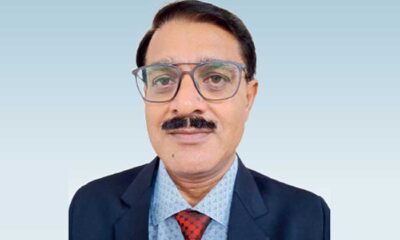
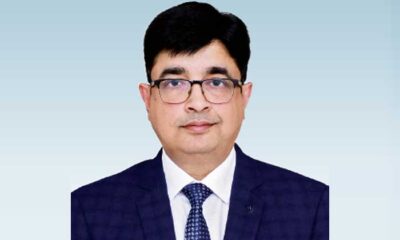
Ajay Sharma, Deputy Manager – Environment, Udaipur Cement Works Limited (UCWL), looks at the different aspects of emissions and their environmental impact while discussing the inherent challenges faced by the cement sector in curtailing them.
What impact does cement production have on the environment? Elaborate on the major areas affected.
Cement production has a potential significant impact on the environment. The major environmental concerns during cement production are air emissions in the form of dust and gases, noise and vibration when operating machinery and blasting for mining, natural resource depletion in the form of raw material and fuel, as well as release of carbon dioxide (CO2) emission, during the manufacturing process. However, it is the responsibility of polluters to prioritise reducing dust emissions to protect both the environment and nearby communities from potentially harmful effects.
The key environmental impacts associated with cement production are:
• Air pollution: In the recent scenario, almost all cement units have a dry manufacturing process, with only a few exceptions where wet manufacturing processes are in operation. In the dry manufacturing process. Cement plants mainly release environmental pollutants into the atmosphere, including suspended particulate matter and nitrogen oxides (NOx). These pollutants can have adverse effects on air quality, as well as contribute to acid rain and smog formation.
• Carbon emissions: Cement production is a major source of carbon emissions. This occurs during the clinker formation process which requires high temperatures and combustion of fossil fuels. In accounting terms, approximately 8 per cent of global CO2 emission is being produced and is contributing to global climate change.
• Energy consumption: Cement production is an energy-intensive process. It requires a considerable amount of energy for crushing, grinding, heating raw materials, and to power machinery and transportation. The use of fossil fuels to supply this energy contributes to greenhouse gas emissions.
• Raw material extraction: Mining of raw materials, such as limestone, clay, and shale, can have detrimental effects on local ecosystems. It can lead to habitat destruction, soil erosion, and disruption of water sources.
• Water utilisation: Although cement manufacturing is a dry process, significant amounts of water is required for cooling and dust control processes. Udaipur Cement maintains Zero Liquid discharge standard.
• Land use: Cement plants occupy large areas of land, which may lead to habitat destruction and deforestation, if not managed sustainably.
The cement sector can play a major role in achieving Net Zero targets. What efforts is your organisation taking towards decarbonisation?
India is the world’s second largest cement producer. Rapid growth of big infrastructure, low-cost housing (Pradhan Mantri Awas Yojna), smart cities project and urbanisation will create cement demand in future. Being an energy intensive industry, we are also focusing upon alternative and renewable energy sources for long-term sustainable business growth for cement production.
Presently, our focus is to improve efficiency of zero carbon electricity generation technology such as Waste Heat Recovery (WHR) power through process optimisation and by adopting technological innovations. We are also increasing our capacity for WHR based power and solar power in the near future. Right now, we are sourcing about 50 per cent of our power requirements from clean and renewable energy sources i.e., zero carbon electricity generation technology. Usage of alternative fuels during co-processing in the cement manufacturing process is a viable and sustainable option. In our unit, we utilise alternative raw materials and fuels for reducing carbon emissions.
We are also looking forward to green logistics for our product transport in nearby areas. By reducing clinker-cement ratio, increasing production of PPC and PSC cement, utilisation of alternative raw materials like synthetic gypsum/chemical gypsum, Jarosite generated from other process industries, we can reduce carbon emissions from cement manufacturing process. Further, we are looking forward to generating onsite fossil free electricity generation facilities by increasing the capacity of WHR based power and ground mounted solar energy plants.
We can say energy is the prime requirement of the cement industry and renewable energy is one of the major sources, which provides an opportunity to make a clean, safe and infinite source of power, which is affordable for the cement industry.
What are the current programmes run by your organisation for re-building the environment and reducing pollution in and around the manufacturing unit?
We are working in different ways for environmental aspects. As we said, we strongly believe that we all together can make a difference. We focus on every environmental aspect directly / indirectly related to our operation and surroundings.
If we talk about air pollution in operation, every section of the operational unit is well equipped with state-of-the-art technology-based air pollution control equipment (BagHouse and ESP) to mitigate the dust pollution beyond the compliance standard. We use high class standard PTFE glass fibre filter bags in our bag houses. UCWL has installed the DeNOx system (SNCR) for abatement of NOx pollution within norms. The company has installed a 16 MW capacity Waste Heat Recovery based power plant that utilises waste heat of kiln i.e., green and clean energy source. Also, installed a 14.6 MW capacity solar power system in the form of a renewable energy source.
All material transfer points are equipped with a dust extraction system. Material is stored under a covered shed to avoid secondary fugitive dust emission sources. Finished product is stored in silos. Water spraying systems are mounted with material handling points. Road vacuum sweeping machine deployed for housekeeping of paved area.
In mining, we have deployed wet drill machines for drilling bore holes. Controlled blasting is carried out with optimum charge using Air Decking Technique with wooden spacers and non-electric detonator (NONEL) for control of noise, fly rock, vibration and dust emission. No secondary blasting is being done. The boulders are broken by a hydraulic rock breaker. Moreover, instead of road transport, we installed the Overland Belt Conveying system for crushed limestone transport from mine lease area to cement plant. Thus omit an insignificant amount of greenhouse gas emissions due to material transport, which is otherwise emitted from combustion of fossil fuel in the transport system. All point emission sources (stacks) are well equipped with an online continuous emission monitoring system (OCEMS) for measuring parameters like PM, SO2 and NOx for 24×7. OCEMS data are interfaced with SPCB and CPCB servers.
The company has done considerable work upon water conservation and certified at 3.7 times water positive. We installed a digital water flow metre for each abstraction point and digital ground water level recorder for measuring groundwater level 24×7. All digital metres and level recorders are monitored by an in-house designed IoT based dashboard. Through this live dashboard, we can assess the impact of rainwater harvesting (RWH) and ground
water monitoring.
All points of domestic sewage are well connected with Sewage Treatment Plant (STP) and treated water is being utilised in industrial cooling purposes, green belt development and in dust suppression. Effluent Treatment Plant (ETP) installed for mine’s workshop. Treated water is reused in washing activity. The unit maintains Zero Liquid Discharge (ZLD).
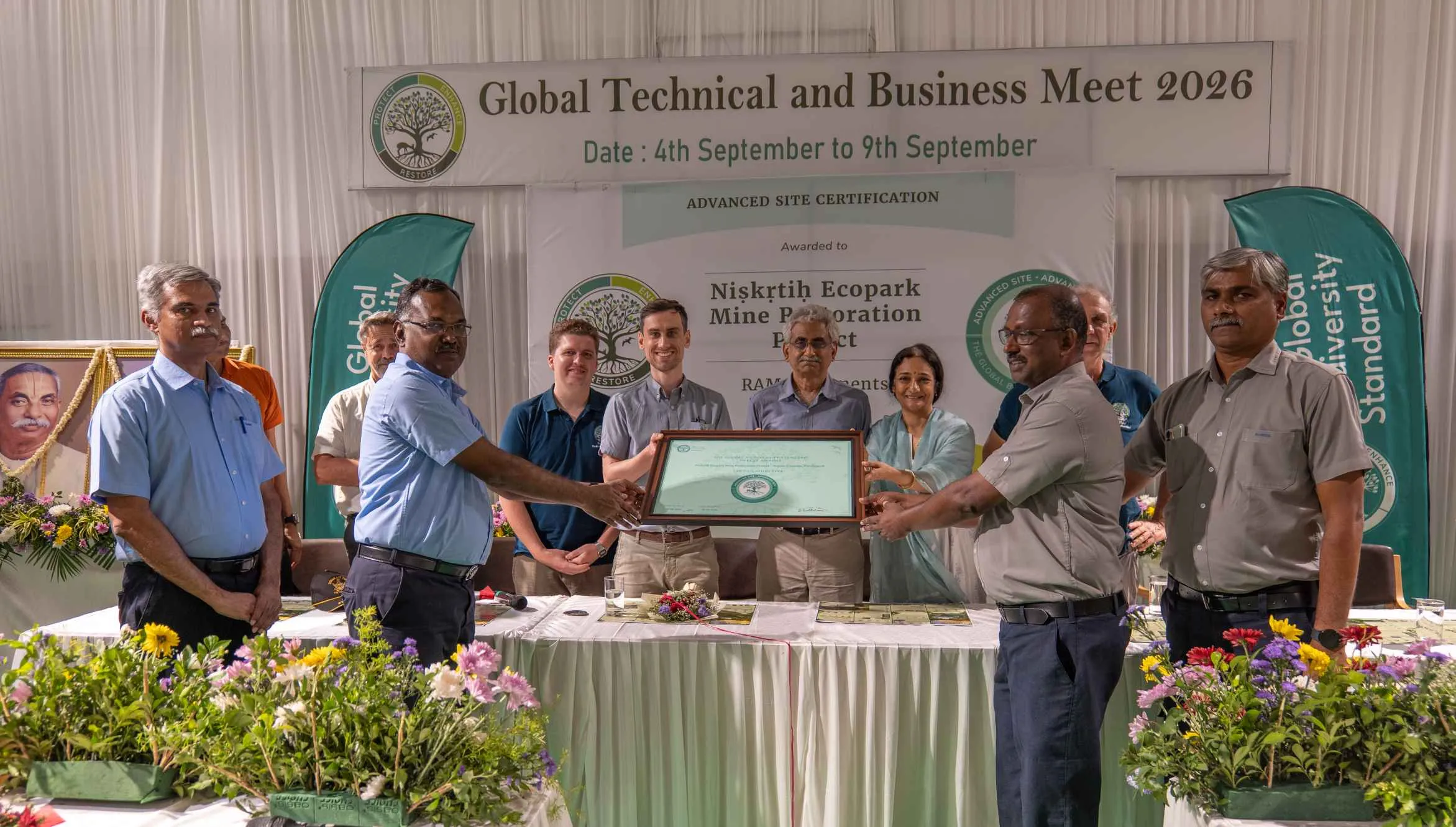
Our unit has done extensive plantations of native and pollution tolerant species in industrial premises and mine lease areas. Moreover, we are not confined to our industrial boundary for plantation. We organised seedling distribution camps in our surrounding areas. We involve our stakeholders, too, for our plantation drive. UCWL has also extended its services under Corporate Social Responsibility for betterment of the environment in its surrounding. We conduct awareness programs for employees and stakeholders. We have banned Single Use Plastic (SUP) in our premises. In our industrial township, we have implemented a solid waste management system for our all households, guest house and bachelor hostel. A complete process of segregated waste (dry and wet) door to door collection systems is well established.
How does the use of alternative fuels and raw materials impact the emission rate of the cement plants?
The use of alternative fuels and raw materials in cement plants can have a significant impact on the emission rate, particularly in terms of reducing CO2 emissions and other environmental pollutants. Here’s how the use of these alternatives can influence emission rates in cement manufacturing:
• Alternative fuels: Substituting traditional fossil fuels with alternative fuels such as biomass, waste-derived fuels, or low-carbon fuels can lead to a reduction in CO2 emissions. These alternative fuels are often carbon-neutral or have a lower carbon content compared to coal or natural gas, thereby decreasing the overall carbon footprint of the cement plant.
• Alternative raw materials: The use of alternative raw materials like calcined clay, slag, or fly ash can reduce the clinker content in cement. Since clinker production is a highly energy-intensive and CO2-emitting step in cement manufacturing, reducing clinker content lowers the carbon intensity of the final product.
What role does technology play in creating blends that help curb emissions and make the environment better?
Technology plays a crucial role in curbing emissions and improving the environment, allowing optimisation and cost saving. The installed pollution control equipment is connected with real time monitoring systems, which, in case of process failure of the interlocked facility automatically tip/stop the plant operation to control environmental emissions.
The unit has installed five continuous Ambient Air Quality Monitoring System as a consideration of weather parameters (predominant being wind direction/speed), plant operation. The installed analysers are approved by USEPA International Standard. The monitored data is available in the public domain. It is very helpful to reduce airborne dust generated during handling and storage of clinker and other additives.
Tell us about the budget your organisation allocates for the environment protection.
The unit allocates corporate environment responsibility funds to ensure the environment protection which are being used to improve the environment and its mandate. UCWL has invested capital in various environmental management and protection projects like installed DeNOx (SNCR) system, strengthening green belt development in and out of industrial premises, installed high class pollution control equipment, ground-mounted solar power plants, etc.
The company has taken up various energy conservation projects like, installed VFD to reduce power consumption, improve efficiency of WHR power generation by installing additional economiser tubes and AI based process optimization system. Further, we are going to increase WHR power generation capacity under our upcoming expansion project.
UCWL promotes rainwater harvesting for augmentation of the ground water resource. Various scientifically based RWH structures are installed in plant premises and mine lease areas.
What are the major challenges your organisation is facing to curb the emission rate?
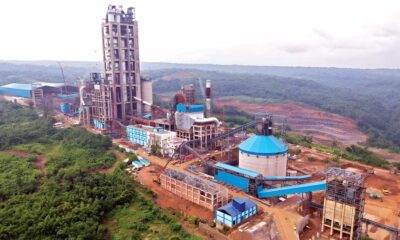
M/s Udaipur Cement Works Limited, a subsidiary of flagship cement company J K Lakshmi Cement Ltd is among key cement manufacturers from Western India. The plant has 2.85 million tonnes per annum of cement production capacity. The plant is located in Shripati Nager, Dabok (Rajasthan) and is one of the major single location cement plants in India. The company is committed towards boosting sustainability through adopting state-of-art technology designs, resource efficient equipment and various in-house innovations.
Curtailing emissions and addressing environmental challenges, particularly in the context of reducing greenhouse gas emissions, is a complex and multifaceted endeavour. Several major challenges are encountered when trying to curb emission rates like:
• Economic costs: Implementing emission reduction measures often requires significant investments in new technologies, infrastructure, and processes. Many businesses and industries may perceive these investments as costly and may be reluctant to make changes that could impact their profitability.
• Policy and regulatory challenges: The development and implementation of effective environmental policies and regulations can be politically contentious. Balancing the interests of different stakeholders while setting and enforcing emissions standards can be a complex process.
• Resource scarcity: The availability of certain resources, such as rare earth metals for renewable energy technologies, can be limited. Ensuring a sustainable and reliable supply of these resources is essential for emission reduction efforts.
• Resistance from fossil fuel industries: Industries that are heavily dependent on fossil fuels, such as coal and oil, may resist efforts to transition to cleaner alternatives. The influence of these industries in some regions can pose a significant challenge to emission reduction.
• Technological gaps: Developing and implementing innovative technologies for emission reduction can be time-consuming and expensive. In some cases, there may be a technological gap between what is available and what is needed to achieve significant emissions reductions.
• Socioeconomic impacts: Emission reduction measures can have economic and social consequences, such as job displacement in high-emission industries. Balancing the need for emissions reduction with the well-being of affected communities is a complex challenge.
• Adaptation to climate change: Preparing for and adapting to the impacts of climate change, such as sea-level rise and extreme weather events, can be challenging and costly.
• Overcoming inertia: There can be inertia and resistance to change, particularly in well-established industries and systems. Convincing stakeholders to embrace change and innovation can be a significant challenge.
To address these challenges and successfully curb emission rates, a comprehensive and coordinated effort is needed, involving governments, businesses, civil society and individuals. It requires innovative policies, investments in research and development, and a commitment to long-term sustainability and environmental stewardship.