Connect with us

Concrete

Shree Cement To Invest Rs 20 Billion In Maharashtra Plant

New 2 mtpa unit to strengthen capacity expansion plans

Published

on

Shares

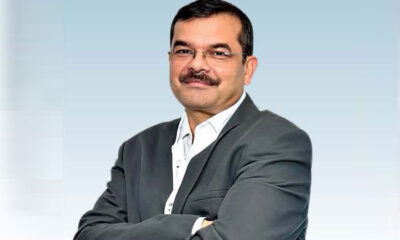
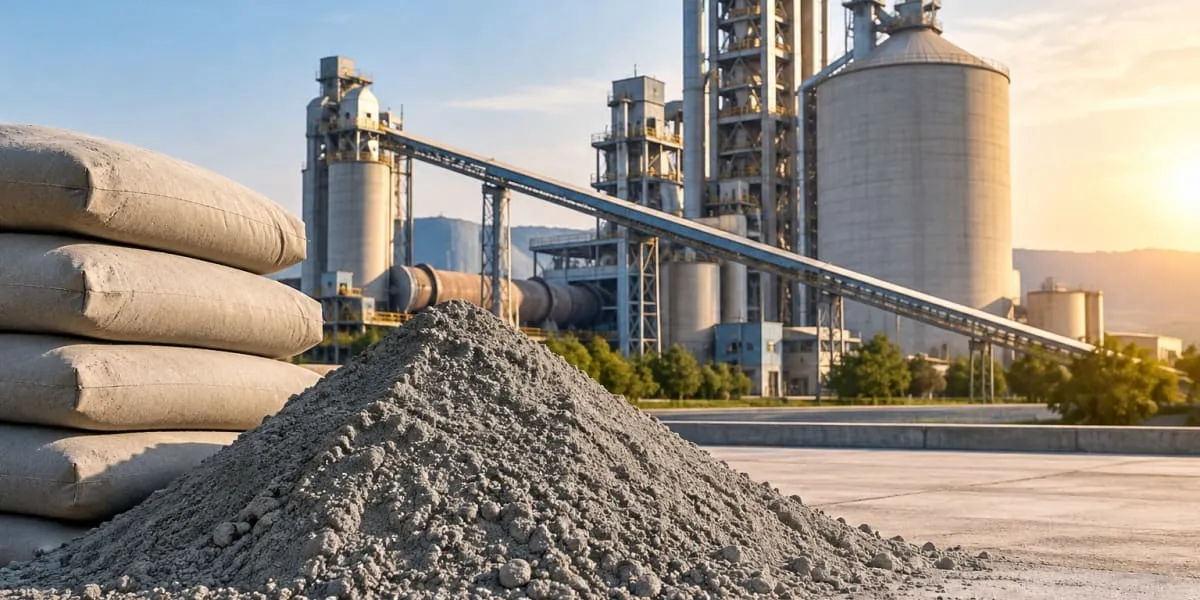
Shree Cement Ltd has announced an investment of Rs 20 billion to set up a new cement plant in Maharashtra, the country’s third-largest cement maker said on Friday at the World Hindu Economic Forum (WHEF) 2025. The letter of intent for the proposed investment was signed in the presence of Maharashtra Chief Minister Devendra Fadnavis in Mumbai. Shree Cement chairman Hari Mohan Bangur said the company will establish a 2 million tonnes per annum plant in Chandrapur district, where land has already been acquired. He added that the project is awaiting environmental clearance and, once approved, is expected to be completed within two years. The expansion will be funded through internal cash reserves, with the company reporting a cash balance of Rs 65.41 billion at the end of FY25.

Shree Cement currently has an installed capacity of 62.8 million tonnes per annum. During the second quarter of FY26, the company commissioned a 3.65 mtpa clinker unit at Jaitaran in Rajasthan, while a 3 mtpa cement mill at the same location is expected to start operations shortly. A 3 mtpa integrated plant at Kodla in Karnataka is in the final stages of development and is scheduled to be commissioned within the third quarter of FY26. Following these ongoing expansions, the company’s total capacity is expected to rise to 68.8 mtpa, according to an ICICI Direct Research note dated 29 October.

Analysts estimate that Shree Cement’s capacity could reach between 72 and 75 mtpa by FY27E, with further potential to scale up to 80 mtpa by FY28E or FY29E, depending on demand trends. However, market observers have flagged medium-term risks, noting that industry-wide capacity additions may outpace demand growth through FY28-29, particularly in northern and western India where significant new capacity is expected. At the same time, cement prices declined sharply in the third quarter, especially in eastern and southern regions, though analysts expect some recovery from January, led by the South and East.

The announcement comes amid aggressive expansion plans by larger peers. UltraTech Cement recently raised its capacity target from 167 mtpa to 240 mtpa by FY28, while the Adani Group increased its cement capacity target by nearly 10 per cent to 155 mtpa by the same period. Shree Cement reported a 15 per cent year-on-year rise in revenue to Rs 43.03 billion in the September quarter, driven by higher volumes, premiumisation efforts and a value-over-volume strategy. The company’s chief financial officer Ashok Bhandari has guided for capital expenditure of around Rs 30 billion in FY26-27, with a similar level expected in FY27-28. Shares of Shree Cement ended 0.18 per cent lower on Friday, while the benchmark Sensex closed 0.53 per cent higher.

Concrete

Cement Firms to Invest Rs. 130 bn in Green Energy by FY28

Cement companies plan to expand clean energy capacity to 6 GW by FY28

Published

on

By

Shares

India’s major cement companies are set to raise their clean energy capacity to 6 GW by March 2028 from around 4 GW at the end of March 2026, according to ratings agency ICRA. The planned expansion is expected to involve investments of Rs. 130 bn over the next two years.

The additional capacity could generate annual savings of Rs. 62 bn to Rs. 67 bn, resulting in an estimated payback period of 1.8 to 2.2 years. Cement is an emission-intensive industry, and leading producers have established net-zero roadmaps covering the next 15 to 20 years.

The calcination process accounts for 57 to 60 per cent of the sector’s total emissions, while fuel combustion contributes 27 to 30 per cent and electricity consumption accounts for 10 to 13 per cent. ICRA said the figures highlighted the need for a broad decarbonisation strategy involving green power, blended cement, alternative fuels and improvements in clinker efficiency.

Green energy is considered one of the most commercially attractive decarbonisation options because it can reduce emissions while lowering operating costs. Every 5 per cent increase in green power replacement can reduce power and fuel costs by Rs. 15 to Rs. 16 per tonne. A 25 per cent replacement level could therefore save Rs. 75 to Rs. 80 per tonne and expand operating margins by 140 to 160 basis points.

Cement producers are also assessing carbon capture, utilisation and storage, although high implementation costs, energy requirements and limited transport and storage infrastructure are expected to slow commercial adoption. The government has proposed Rs. 200 bn over five years to support deployment across key sectors. Meanwhile, companies are targeting thermal substitution rates of 10 to 15 per cent over the next three to five years, compared with the current industry level of around 6 per cent.

Continue Reading

Concrete

Centre Defers Clearance for Limestone Mine Near Bustard Habitat

Panel seeks revised mining plan and safeguards for pipelines and wildlife

Published

on

By

Shares

The Centre has deferred environmental clearance for a proposed limestone mine near a Great Indian Bustard habitat in Ramgarh, Rajasthan’s Jaisalmer district. The critically endangered species has an estimated wild population of about 130 in India.

Continue Reading

Concrete

Telangana to Supply Subsidised Cement for Indiramma Houses

Poor families allotted Indiramma houses to receive cement at Rs. 230 per bag

Published

on

By

Shares

The Telangana government will supply cement at a subsidised price of Rs. 230 per 50-kg bag to poor and low-income families allotted Indiramma houses. The prevailing market price is between Rs. 310 and Rs. 320 per bag, the Assembly was informed on Thursday.

Continue Reading

Video Thumbnail
â–

    SIGN-UP FOR OUR GENERAL NEWSLETTER

    Trending News

    SUBSCRIBE TO THE NEWSLETTER


    Don't miss out on valuable insights and opportunities to connect with like minded professionals.


      This will close in 0 seconds