Saurabh Rai discusses how the sector is reshaping its footprint to meet climate goals, from alternative fuels to digital transformation, and creating strategies to drive a greener path forward in cement production.
When it comes to combating climate change, every industry plays a critical role, and the cement sector is no exception. Cement is a fundamental component of construction and infrastructure, but its production carries a significant environmental burden. Accounting for approximately 8 per cent of the world’s CO2 emissions, the cement industry has become a focal point in the broader fight against climate change. The challenge of reducing its carbon footprint is urgent, and it has driven the industry to reconsider its operational strategies, with a renewed emphasis on innovation, technology,
and sustainability.
A new era of cement production
At the heart of this transformation is a recognition that meeting climate goals requires more than incremental change. It demands a comprehensive rethinking of cement production, combining cutting-edge technology with sustainable practices. The future of the sector hinges on the ability to align business interests with environmental imperatives, balancing the need for efficiency with the broader responsibility to reduce emissions.
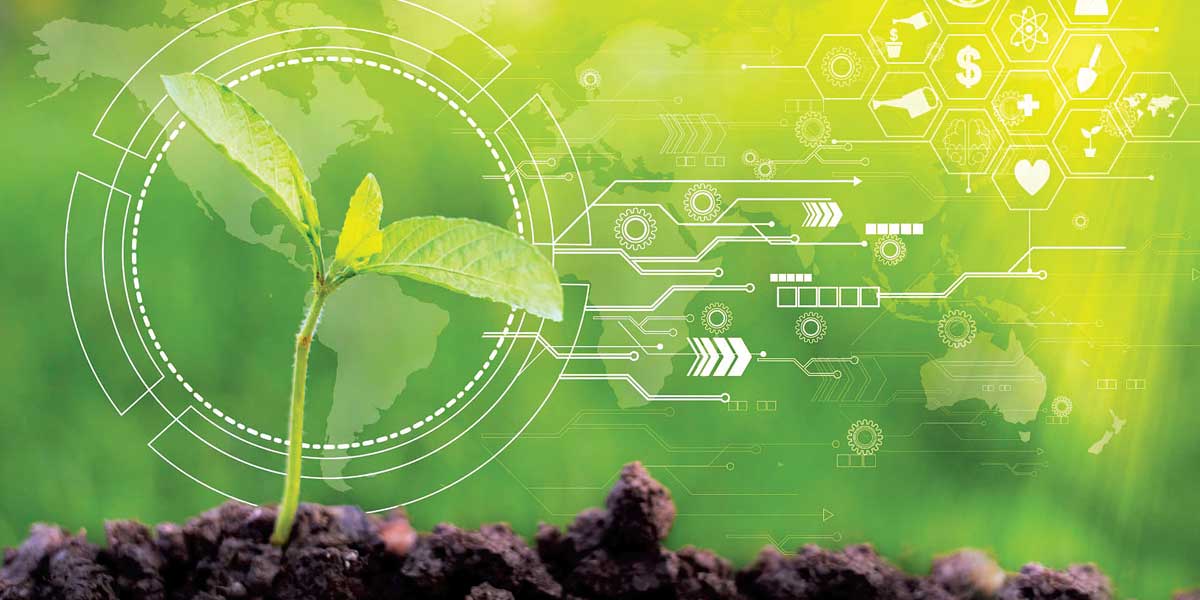
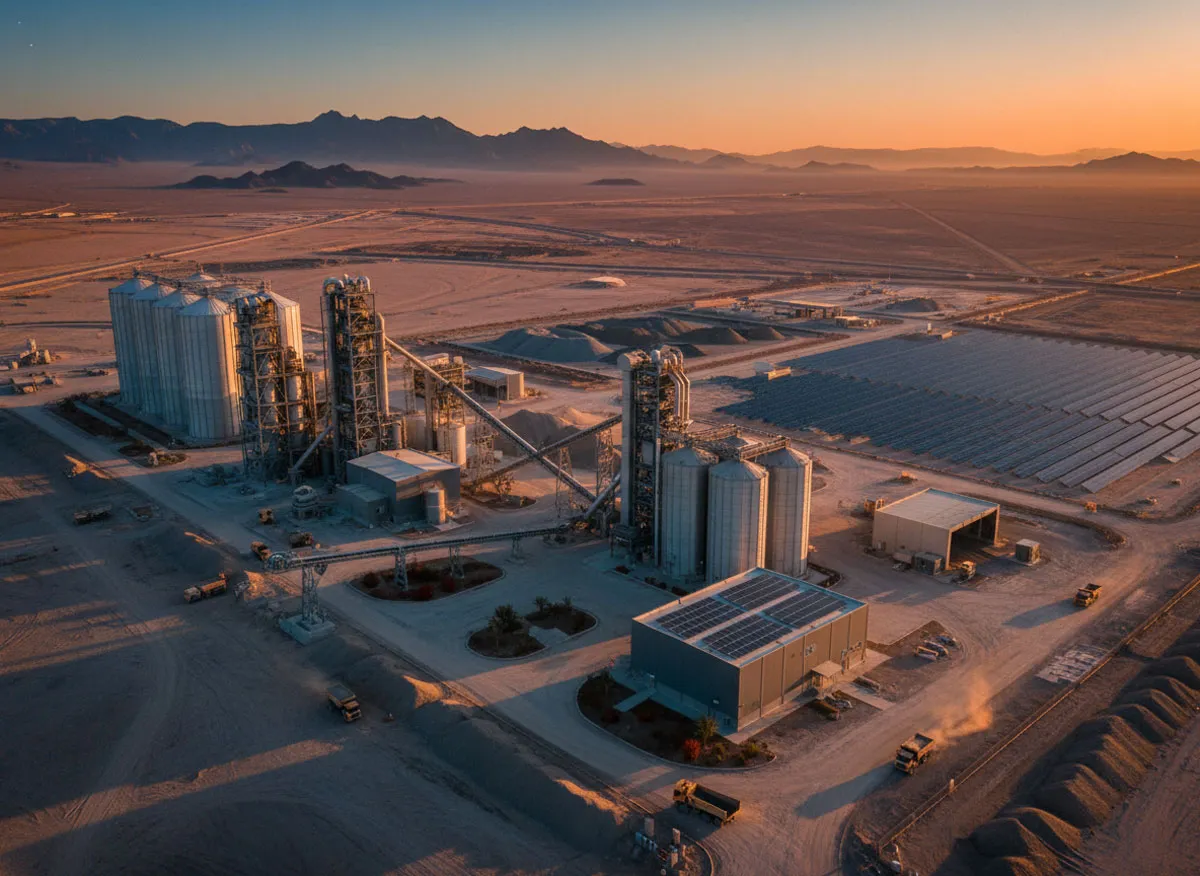
At Arahas, we understand that the cement sector has a unique opportunity to leverage innovation to drive sustainability. The shift we envision involves more than simply adopting new technologies; it requires transforming the entire value chain. Whether by optimising energy use, developing greener
raw materials, or implementing digital tools, the industry must evolve to meet the demands of a low-carbon future.
Rise of carbon capture and utilisation
One of the most promising technologies emerging in the cement industry is carbon capture, utilisation and storage (CCUS). CCUS allows companies to capture CO2 emissions before they are released into the atmosphere and either store them or repurpose them for other uses. This technology not only reduces emissions but also turns carbon into a valuable resource. Captured CO2 can be used in the production of synthetic fuels or other materials, adding an innovative twist to what was once considered waste.
Beyond CCUS, cement manufacturers are increasingly moving away from traditional fossil fuels, which have historically been a significant source of emissions. In their place, alternative energy sources like biomass and waste-derived fuels are being utilised. These renewable fuels not only help to cut emissions but also align with circular economy principles, where waste is redefined as a resource rather than a burden.
Embracing digital transformation
Digital tools have become essential in the effort to reduce the environmental impact of cement production. By integrating technologies like artificial intelligence (AI), advanced sensors, and the Internet of Things (IoT), companies are able to monitor and optimise energy use in real time. This data-driven approach allows for more informed decision-making, reducing waste, lowering emissions, and improving operational efficiency.
For example, AI algorithms can predict energy needs based on production levels and adjust accordingly to minimise unnecessary consumption. This kind of predictive technology not only enhances sustainability efforts but also supports the financial health of the business by reducing costs. In this way, digital transformation is proving to be a win-win for the industry, promoting both environmental and economic sustainability.
Rethinking raw materials
The cement industry’s environmental impact is not only determined by energy consumption but also by the raw materials it uses. Clinker, a key ingredient in cement, is highly energy-intensive to produce, making it a major contributor to CO2 emissions. However, companies are now looking to alternative materials like fly ash and slag, which are by-products from other industries, to reduce their reliance on clinker.
By incorporating these alternatives into the cement-making process, manufacturers can significantly lower their carbon emissions. Additionally, circular economy models that emphasise recycling construction waste into new cement products are gaining traction. This not only reduces the need for new raw materials but also helps to decrease overall emissions, creating a more sustainable production cycle.
Collaboration and the role of policy
Sustainability in the cement industry cannot be achieved in isolation. Collaboration across the entire value chain—from raw material suppliers to technology providers and government regulators—is essential. Industry-wide initiatives, such as the Global Cement and Concrete Association’s (GCCA) commitment to achieving net zero by 2050, highlight the importance of collective action in driving progress.
Governments also play a crucial role by implementing policies that incentivise sustainable practices. Carbon pricing, emissions targets and subsidies for clean technologies are all effective tools for encouraging companies to invest in greener solutions. Public-private partnerships can provide the financial support and resources necessary to spur innovation and accelerate the transition to a low-carbon economy.
The future of cement production
Research and development (R&D) will be pivotal to the future of low-carbon cement. In particular, finding alternatives to clinker and developing more energy-efficient production methods are key areas of focus. Ongoing research into new binders, clinker substitutes and advanced technologies is helping to pave the way for a more sustainable cement industry.
Moreover, the digitalisation of cement production continues to create opportunities for improvement. Predictive maintenance, powered by AI, can help prevent equipment failures, improve energy efficiency and minimise downtime. By optimising production in real-time, companies can maintain competitiveness while also reducing their environmental impact.
India’s cement industry leading the way
India, as one of the world’s largest producers of cement, is at the forefront of efforts to make the industry more sustainable. The country’s cement sector faces a dual challenge: supporting rapid urbanisation while simultaneously reducing emissions. Despite these challenges, Indian companies have made significant strides toward sustainability.
One such example is Dalmia Cement, which has implemented energy-efficient technologies across its facilities. Waste heat recovery systems, for instance, capture and reuse energy that would otherwise be lost during production. These systems have helped Dalmia Cement reduce its overall energy consumption while also cutting emissions.
Other companies, such as UltraTech Cement, have embraced renewable energy sources like solar and wind power. By incorporating these cleaner alternatives, Indian cement producers are reducing their dependence on fossil fuels and further shrinking their carbon footprints.
In addition to energy efficiency measures, Indian companies are also rethinking their raw material strategies. By using materials like fly ash from thermal power plants, ACC has been able to produce blended cement that is not only more durable but also less carbon-intensive. This is a prime example of how sustainable practices can benefit both the environment and the business.
The use of alternative fuels is also on the rise in India. Shree Cement, for instance, has adopted biomass and petcoke as substitutes for traditional fossil fuels. This shift helps to reduce waste, lower emissions, and align with the broader goals of sustainability and efficiency.
Overcoming challenges and seizing opportunities
While the road to net zero in the cement industry is long and challenging, it is also filled with opportunities. As technologies evolve and sustainable practices become the norm, the sector is in a better position than ever to meet its climate goals. Achieving these goals will require continued innovation, strong partnerships, and a commitment to environmental stewardship. At Arahas, we are committed to helping the cement industry navigate this transformation. We believe that by combining advanced technologies with sustainable practices, the sector can not only reduce its environmental impact but also create a more resilient and competitive industry. The challenges ahead are significant, but the opportunities for growth, innovation, and positive change are even greater.
With the right strategies, collaborations, and mindset, the cement industry can lead the way to a more sustainable future.
About the author: Saurabh Rai, CEO of Arahas, is a visionary leader with over two decades of experience in geospatial, AI and digital innovation. Known for his strategic expertise, he is driving Arahas’ transformation into a tech scaleup, focusing on AI, analytics, ESG and disaster mitigation, with a commitment to sustainability. Currently, Arahas is at the forefront in the geospatial IT and AI domain.