Jayaram S Reddy, CMD, Promac India delves into their pioneering technologies, sustainability initiatives and their role in driving decarbonisation within the cement industry while aligning with the Net Zero mission.
Your collaboration has been long-standing. How has it impacted EPC solutions, and what has been its broader impact on the cement industry?
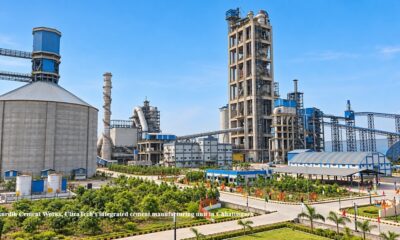
Our collaboration began in 1987, making it nearly 35 years of a productive partnership. This long-standing relationship has allowed us to bring world-class, cutting-edge technologies to Indian projects as well as international markets. By manufacturing all our equipment in India, in alignment with the government’s ‘Make in India’ initiative, we ensure that our solutions are both technologically advanced and cost-effective. This has not only benefited Indian customers but has also supported our exports to regions like the Middle East and Africa, providing these markets with affordable yet state-of-the-art equipment.
Our collaboration has had a transformative impact on the cement industry by offering efficient, reliable, and sustainable solutions. This partnership ensures that our clients access innovative and economically viable technology, improving their operations while contributing to global industrial advancements.
Could you highlight any specific features of the bioprocessing units you offer and explain how they benefit the cement industry, particularly in the context of decarbonisation?
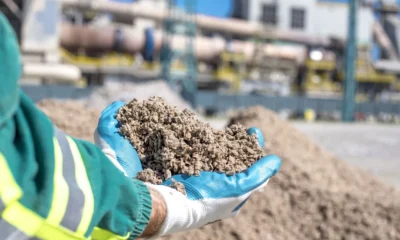
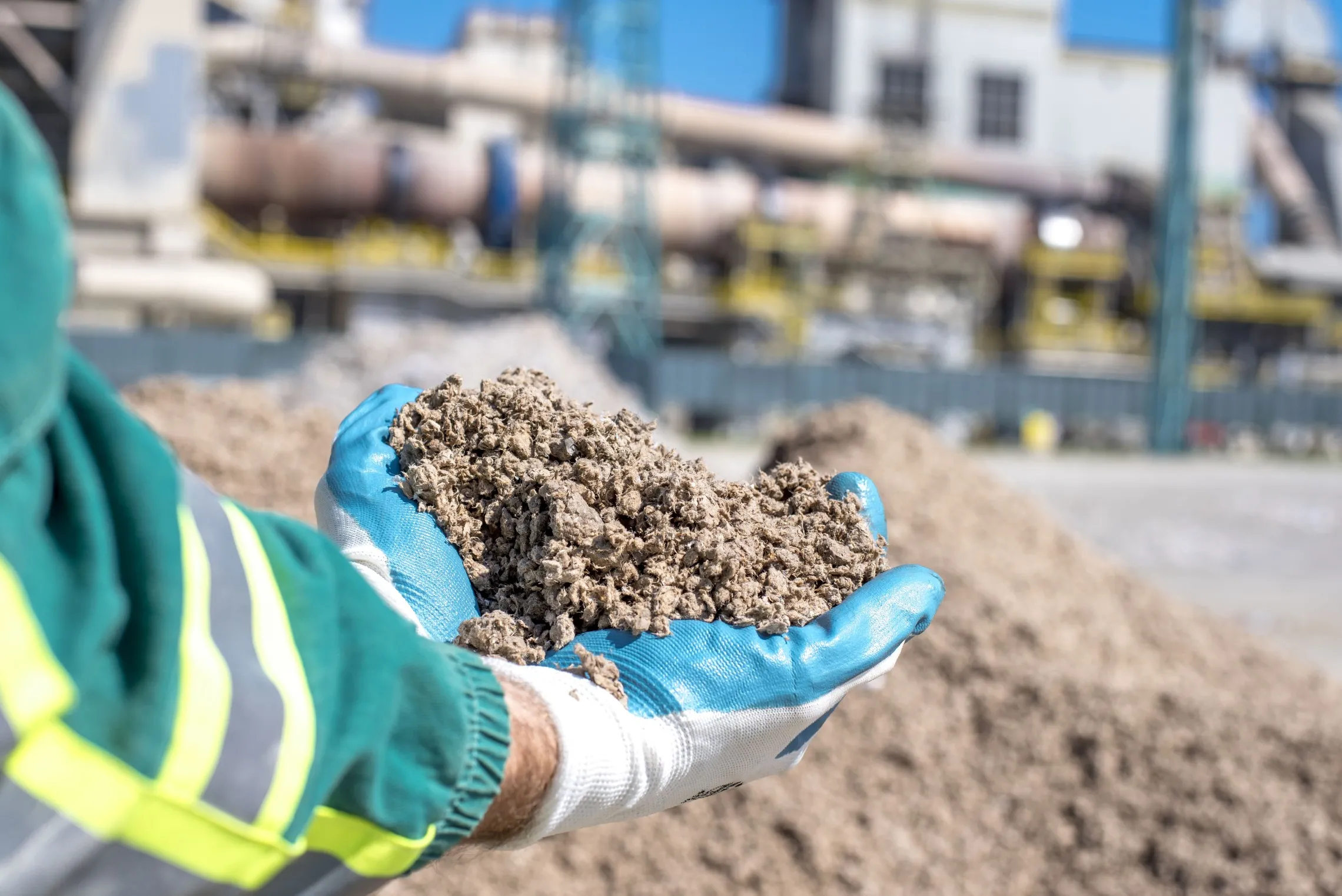
Decarbonisation in the cement industry can be achieved through several approaches, with the reduction of reliance on fossil fuels being the most effective. Our bioprocessing solutions, such as the Taiheiyo Thermal Reactor (TTR), play a crucial role in this process. The TTR technology allows for the efficient use of alternative fuels, such as waste materials from other industries with calorific value. These fuels, including plastics, paper waste, and Refuse-Derived Fuel (RDF), are gassified in the TTR to harness their energy potential.
This process not only substitutes traditional fossil fuels like coal, oil, or natural gas but also optimises the burning conditions in the pyroprocessing unit. By reducing fossil fuel dependency and utilising waste, the TTR significantly aids in decarbonisation efforts while ensuring process efficiency.
How does your technology adapt to the evolving use of alternative fuels and raw materials in the cement industry?
Our TTR technology is designed with inbuilt adaptability, making it compatible with various types of alternative fuels. Whether it’s plastics, paper waste, or RDF, the system efficiently handles these materials. A key advantage of the TTR is its ability to pre-dry these fuels, enhancing their calorific value before they enter the pyroprocessing stage.
This flexibility ensures that cement plants can effectively transition to new fuel sources as they become available, maintaining operational efficiency and environmental compliance. The adaptability of our system helps clients respond to the evolving demands of the industry while continuing to prioritise sustainability.
What contributions do vertical roller mills and triangle mills make to energy and production efficiency?
Vertical roller mills (VRMs) serve two critical purposes in cement production. First, they efficiently grind materials, reducing large lumps of raw material into the fine powder necessary for processing. Second, they handle materials with high moisture content, drying them during the grinding process. This capability is particularly advantageous in regions with high rainfall or during the monsoon season, where raw materials often have elevated moisture levels. Compared to traditional ball mills, VRMs are significantly more energy-efficient, reducing power consumption while maintaining high productivity. This dual functionality—grinding and drying—makes VRMs an indispensable tool for improving both energy and production efficiency in cement plants.
Could you elaborate on your sustainability initiatives, particularly those contributing to the Net Zero mission?
Sustainability is central to our operations, and we address it through multiple avenues. One of our primary efforts is the use of alternative fuels to replace conventional fossil fuels. Additionally, we focus on minimising fuel consumption in our pyroprocessing systems through highly efficient designs for cyclones, calciners, and combustion systems.
Our vertical roller mills contribute by enhancing grinding and drying efficiency, reducing overall energy consumption. Moreover, our efforts to optimise the clinker-to-cement ratio include integrating supplementary materials like fly ash and slag, which reduces the reliance on raw clinker. These measures collectively help us align with the Net Zero mission by decreasing energy use, emissions, and natural resource consumption.
What makes Tahiyo Engineering’s designs and technologies unique compared to your competitors?
The primary differentiator is that Taiheiyo Engineering is part of Taiheiyo Cement, Japan’s largest cement company. This affiliation gives us a unique perspective, allowing us to develop technologies tailored to the specific needs and goals of cement producers. Our solutions are not only innovative but also practical, as they are tested extensively in our own plants before being offered to the market.
This approach ensures that every technology we provide is proven, reliable, and effective, giving customers confidence in its performance. Unlike traditional equipment manufacturers, we prioritise client needs, offering customised solutions instead of generic products.
What are your individual perspectives on the Net Zero mission and the innovations required to achieve it?
Achieving Net Zero is an inspiring challenge, particularly for foundational industries like cement, steel and power. As one of the largest contributors to carbon emissions, the cement industry is focused on reducing its environmental impact through various measures. These include improving the raw material-to-clinker ratio, using industrial by-products like fly ash and slag, and adopting alternative fuels to replace fossil fuels.
From our perspective, innovations like the Taiheiyo Thermal Reactor (TTR), which enhances the use of alternative fuels, and ongoing developments in carbon capture and clinker factor reduction technologies are essential. By rigorously testing these technologies in our plants before market deployment, we ensure their efficacy and contribute meaningfully to the industry’s decarbonisation efforts.
– Kanika Mathur