Connect with us

Concrete

India considers tighter steel import norms to curb dumping

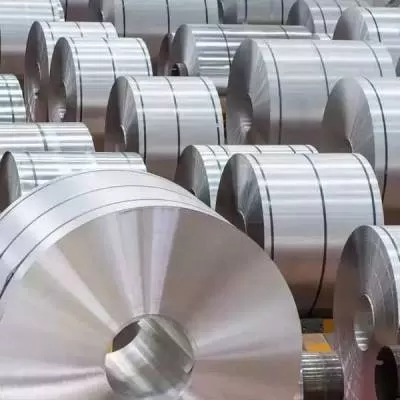
India imports approximately 400,000 tonnes of non- BIS compliant steel annually.

Published

on

Shares

The Indian government is preparing to tighten quality control measures on steel imports following a rise in low-quality steel dumping, particularly from China, according to officials familiar with the matter. This development follows a recent review by the steel ministry, which highlighted increasing risks from global trade diversions impacting the domestic steel sector.

India became a net importer of steel during the first five months of the current fiscal year, importing 3.45 million tonnes (mt) compared to exports of 1.92 mt. With sluggish demand and high import duties in markets like the US and the EU, international producers have increasingly targeted India as a dumping ground for cheap steel.

Currently, steel imports are allowed through a no-objection certificate (NOC) from the steel ministry, even for multiple grades subject to quality control orders (QCOs). However, the ministry now plans to limit NOCs to only those grades that are unavailable locally. Officials confirmed that of the 1,279 steel grades covered under 151 QCOs, 1,127 were permitted through NOCs. “This loophole will soon be addressed by expanding the scope of QCOs,” said an official.

India imports approximately 400,000 tonnes of non-Bureau of Indian Standards (BIS) compliant steel annually, valued at around Rs 42 billion. To combat this, the government mandated in October 2023 that imports lacking BIS certification must first secure approval from the steel ministry.

In response to rising imports from China and Southeast Asia, the steel ministry has engaged stakeholders for further consultations. Globally, several countries—including the US, Canada, and the European Union—have implemented 25% safeguard duties on steel to protect their industries, while nations like Turkiye, Indonesia, and Japan have taken similar protective actions.

Additionally, India launched an anti-dumping investigation into cold-rolled non-oriented electrical steel imports from China in late September, following complaints by South Korean and Taiwanese manufacturers with operations in India.

Concrete

JSW Cement Begins Production At Nagaur Plant In North India

New greenfield integrated plant raises grinding capacity to 24.1 MTPA
Published

on

By

Shares

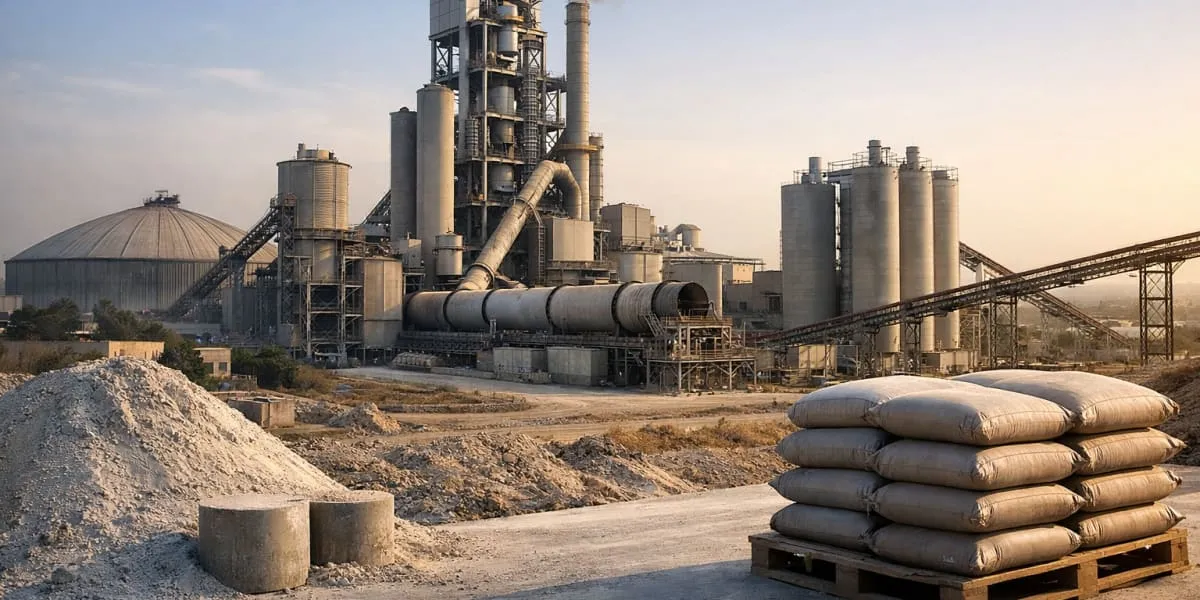
JSW Cement, part of the JSW Group, has begun production at a greenfield integrated cement plant in Nagaur, Rajasthan, marking its first such facility in north India. The company said this move raises its total cement grinding capacity to 24.1 million tonnes per annum (MTPA) and its clinker manufacturing capacity, including the joint venture, to nine point seven four MTPA. JSW Cement is described as one of India’s leading green cement producers and is positioned to expand its national presence.

The Nagaur integrated plant is equipped with a three point three zero MTPA clinkerisation unit and a two point five zero MTPA cement grinding unit, with an additional one point zero zero MTPA grinding unit under construction. The facility has been positioned to serve the high-growth markets of Rajasthan, Haryana, Punjab and the National Capital Region. The plant is intended to support construction and infrastructure demand across these nearby states.

The Nagaur unit was funded through a strategic mix of equity and long-term debt, with 8,000 mn from the fresh issue proceeds of the initial public offering (IPO) allocated specifically towards part-financing of the unit. Company executives indicated that the project was completed within 21 months and that the expansion advances the company towards its mid-term capacity target of 41.85 MTPA and its long-term vision of 60 MTPA. The commissioning was cited as an example of the company’s project execution capabilities.

The plant has been designed as a model of sustainable manufacturing and includes provisions for the co-processing of alternative fuels in the kiln to reduce fossil fuel use. The site features a seven km long overland belt conveyor to transport limestone from the mines, reducing road transport, and will soon include a 16 megawatt (MW) Waste Heat Recovery System to capture and reuse process heat, significantly lowering its carbon footprint. These measures are intended to reduce the environmental impact of transport and to lower the carbon intensity of cement production.

Continue Reading

Concrete

JSW Cement Starts Production At Nagaur Plant In North India

Greenfield integrated plant expands northern footprint
Published

on

By

Shares

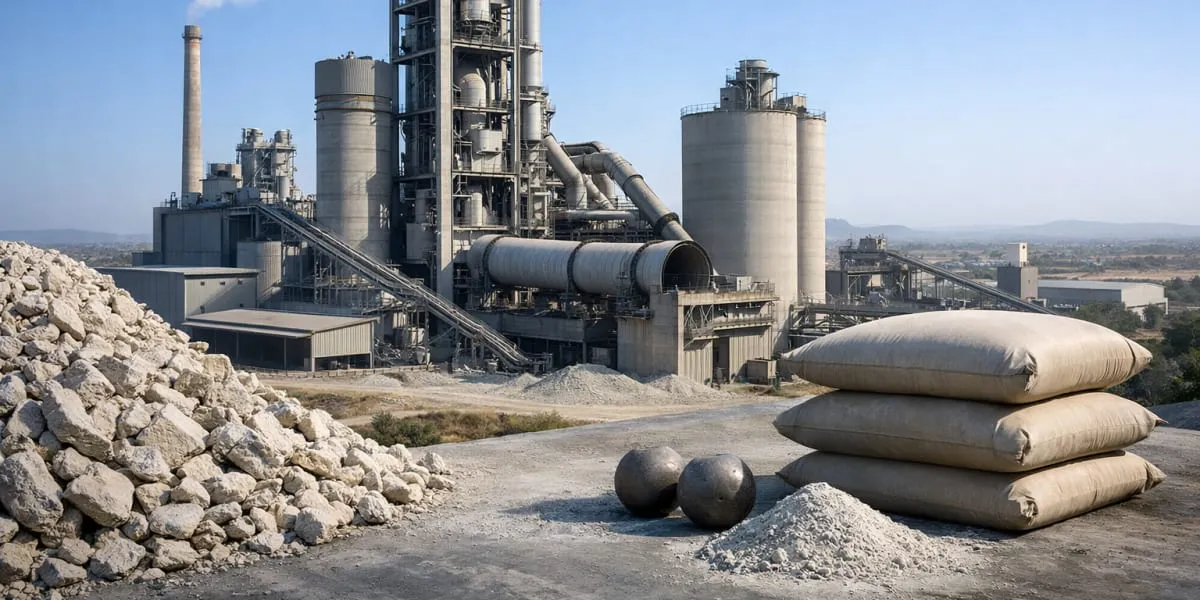
JSW Cement, one of India’s green cement producers, has commenced production at a greenfield integrated plant in Nagaur, Rajasthan, marking the company’s first such facility in north India. The commissioning expands the company’s national footprint and takes total cement grinding capacity to 24.1 mn t per annum and total clinker manufacturing capacity, including a joint venture component, to nine point seven four mn t per annum. The move positions the firm to serve high-growth markets across the region. Management said the project is a strategic step towards a pan-India presence.

The Nagaur plant is equipped with a three point three mn t clinkerisation unit and a two point five mn t cement grinding unit, with an additional one mn t cement grinding unit under construction. The facility is strategically located to cater to demand in Rajasthan, Haryana, Punjab and the National Capital Region. An overland belt conveyor will move limestone and reduce reliance on road transport. Project execution was completed within 21 months, underlining the firm’s construction capabilities.

The investment for the Nagaur unit was financed through a mix of equity and long-term debt and the company allocated Rs eight bn from fresh issue proceeds of its IPO towards part financing of the project. The expansion advances progress towards a mid-term capacity target of 41.85 mn t and a long-term vision of reaching 60 mn t capacity. The commencement of operations in the north is expected to support infrastructure growth and provide customers with high-quality, eco-friendly cement while maintaining sustainability credentials.

The plant has sustainability features including provisions for co-processing of alternative fuels in the kiln and a seven km overland belt conveyor to cut the environmental impact of road transport. The facility will include a 16 MW Waste Heat Recovery System to capture and reuse heat from production and reduce carbon emissions. The operation supports the company’s ambition to be among the world’s most sustainable cement producers.

Continue Reading

Concrete

JSW Cement Forays Into North India With Nagaur Plant

Nagaur plant raises grinding capacity to 24.1 million tonnes per annum
Published

on

By

Shares

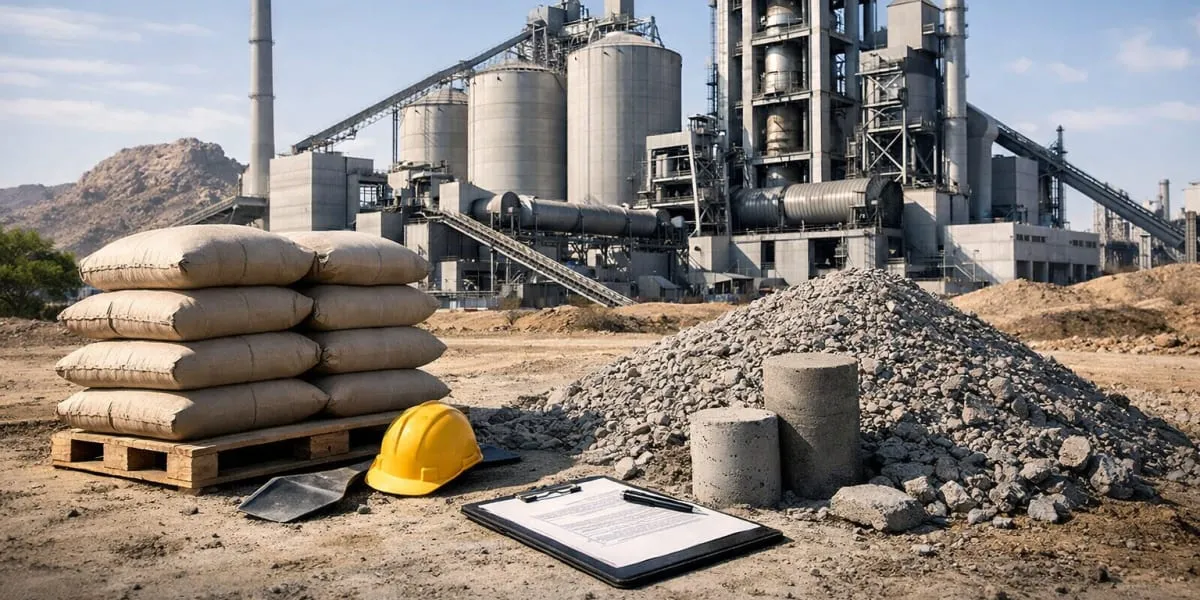
JSW Cement has commenced production at a greenfield integrated cement plant in Nagaur, Rajasthan, marking its first integrated facility in north India and extending the JSW Group’s national presence. The Nagaur unit will serve high-growth markets in Rajasthan, Haryana, Punjab and the National Capital Region. The company presented the commissioning as a key step in its pan-India expansion.

The commencement increases the company’s total cement grinding capacity to 24.1 million tonnes per annum (mn tpa) and brings total clinker manufacturing capacity, including the capacity at its joint venture JSW Cement FZC, to nine point seven four million tonnes per annum (mn tpa). The firm described these additions as strengthening its supply chain and regional reach. The Nagaur site is positioned strategically to reduce logistics for northern markets.

The Nagaur integrated plant comprises a three point three mn tpa clinkerisation unit and a two point five mn tpa cement grinding unit, with an additional one mn tpa grinding unit under construction. The facility was completed within 21 months, demonstrating the company’s project execution capabilities. Management indicated the combined configuration will improve service levels and product availability across target states.

The plant was funded through a mix of equity and long-term debt and the company allocated eight billion (bn) Rs from the fresh issue proceeds of its initial public offering to part-finance the unit. The financing was presented as part of a broader capital plan to support capacity additions and operational enhancements. The firm said the investment aligns with its mid-term growth objectives.

The site is designed with sustainability measures including provision for co-processing alternative fuels, a seven kilometre overland belt conveyor to move limestone from nearby mines and a forthcoming 16 megawatt (MW) Waste Heat Recovery System to recycle process heat and lower emissions. The company reported the expansion brings it closer to its mid-term capacity target of 41.85 mn tpa and to a longer term ambition of 60 mn tpa.

Continue Reading

Trending News

SUBSCRIBE TO THE NEWSLETTER


Don't miss out on valuable insights and opportunities to connect with like minded professionals.


    This will close in 0 seconds