Connect with us

Concrete

Japan Considers Response to Steel Imports

China’s steel exports prompt potential action.

Published

on

Shares

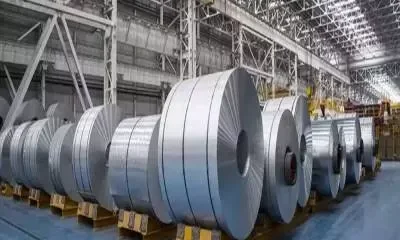
Japan is contemplating measures to address the increasing influx of steel exports from China, as concerns rise regarding the impact on the domestic market. A senior official from Japan’s Ministry of Economy highlighted that the government is evaluating the situation and may implement trade policies to protect its steel industry from potential harm caused by cheaper Chinese imports.

The surge in Chinese steel exports is attributed to various factors, including government subsidies and lower production costs, allowing China to dominate global steel markets. This development has raised alarms among Japanese manufacturers, who face heightened competition and pressure on pricing and profitability.

Japan’s steel sector is vital to its economy, contributing significantly to industrial activities and job creation. Thus, safeguarding this industry is crucial for maintaining economic stability. The ministry’s official indicated that Japan may consider imposing tariffs or other import restrictions to counteract the challenges posed by China’s market practices.

In response to the growing concerns, the Japanese government aims to strike a balance between fostering a competitive market and ensuring the sustainability of its domestic steel industry. Collaborative efforts with international partners may also be explored to address the broader implications of Chinese steel exports on global trade dynamics.

As Japan assesses its options, the decision will likely reflect its commitment to maintaining industrial competitiveness while navigating the complexities of international trade relations. The outcome of these considerations could significantly influence the future landscape of Japan’s steel industry and its positioning in the global market, ensuring that it remains resilient in the face of external pressures.

Concrete

WCA Annual Conference 2026 to Host Global Cement Leaders

Bangkok event to address sustainability, AI and decarbonisation.

Published

on

By

Shares
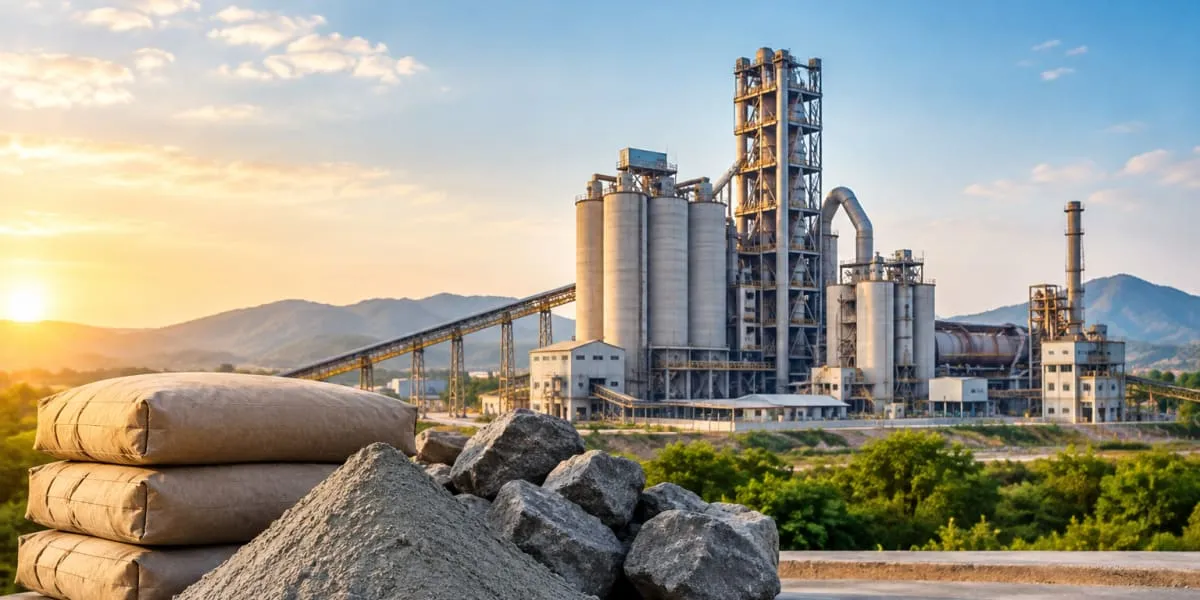
World Cement Association (WCA) will organise its Annual Conference 2026 from April 19–21 at The Athenee Hotel in Bangkok, bringing together global cement industry leaders, policymakers and technology providers to address the sector’s evolving challenges.
Held under the theme ‘Shaping a sustainable future through digitization, innovation and performance,’ the event will focus on strategic, operational and sustainability priorities influencing the industry’s next phase of growth. The conference will begin with an assessment of global economic trends and their impact on cement markets, alongside regional outlooks for Asia and Europe.
Key discussions will examine regulatory developments, including carbon border adjustment mechanisms in Europe and progress in China’s carbon trading system, as well as market trends across Thailand and Southeast Asia. Industry specialists will also share insights on decarbonisation strategies aimed at maintaining competitiveness, covering alternative fuels, next-generation supplementary cementitious materials, calcined clay technologies and AI-enabled kiln optimisation.
The second day will address industry overcapacity and restructuring, supported by case studies and regional perspectives. Sessions will explore digital transformation and AI-driven plant operations, manufacturing efficiency, circular concrete models and sustainable construction solutions. Delegates will also review shifting customer expectations across the construction value chain.
The conference programme includes the WCA Awards Ceremony, recognising achievements in sustainability, innovation, safety and leadership across the global cement sector. The awards will be presented during the gala dinner on April 20.
“The cement industry is navigating a period of profound transformation. From managing overcapacity and market volatility to deploying AI and delivering measurable decarbonisation, the challenges are complex but so are the opportunities. Our Annual Conference will bring together global leaders to exchange practical solutions and strengthen collaboration, helping shape a sustainable and resilient future for cement worldwide,” commented Philippe Richart, CEO, World Cement Association.
Registration for the conference is currently open, with access covering all sessions, exhibition participation, refreshments, lunch and the Awards Gala Dinner. Further programme details are available through the official WCA conference platform.

Continue Reading

Concrete

Lodha Signs Joint Development Agreement For Parel–Sewri Land

Deal covers 10 acres at Rs 3,640 million (mn)

Published

on

By

Shares

Lodha Developers has signed a joint development agreement with Sahana Group for a 10-acre parcel in the Parel–Sewri corridor of Mumbai. The agreement is valued at Rs 3,640 million (mn), reflecting the consideration reported for the transaction. The joint development arrangement will see the land owners and the developer collaborate on planning and construction while sharing development proceeds under the terms of the contract. The arrangement is subject to customary closing conditions and regulatory approvals.

The site in Parel–Sewri occupies a strategic location within central Mumbai and offers opportunities for urban redevelopment given its proximity to transport links and established neighbourhoods. The parties have agreed to pursue statutory approvals and detailed project planning before commencing construction activity. The arrangement is described as a long-term development collaboration focused on unlocking the value of the site. Stakeholders will monitor progress as statutory milestones are reached.

For Lodha Developers, the deal reinforces its pipeline of land parcels available for development in the Mumbai metropolitan area and is expected to expand its capacity to deliver built assets. For Sahana Group, partnering with a developer on a joint development agreement provides a route to monetise land holdings while retaining a share in future realisation. The structure aligns incentives to complete the project efficiently and to move through planning milestones. Market reception and execution pace will shape the ultimate returns for both parties.

The financial terms and timetable for completion will depend on regulatory clearances and market conditions, with returns to be realised as phases of development are sold or leased. Both parties will need to coordinate with municipal authorities and service providers to meet infrastructure and compliance requirements. The agreement signals continued investor interest in central Mumbai land parcels and may encourage further collaborative ventures between land owners and developers. Further disclosures will be issued.

Continue Reading

Concrete

Seppa Township Road Being Paved With Bituminous Concrete

Township road upgrade uses bituminous concrete

Published

on

By

Shares

Work is underway to pave the main township road in Seppa with bituminous concrete, marking a significant upgrade to the local transport network. The project is being overseen by the district administration and carried out by municipal contractors using mechanised laying equipment. The initiative aims to replace older surface material that had become potholed and dusty, and to improve all weather access for residents and public services. Local officials have coordinated traffic diversions and site safety measures to minimise disruption during construction.

The work includes preparing the base, applying a bituminous concrete layer and compacting the surface to enhance load bearing capacity. Engineers are ensuring proper drainage and edge sealing to extend pavement life and reduce water ingress. The choice of bituminous concrete reflects considerations of durability and ease of maintenance in the local climatic conditions. Equipment on site includes pavers, rollers and material stabilisers operated by trained crews.

Residents and business owners along the route are expected to benefit from smoother journeys and reduced vehicle operating costs once the surface is completed. The administration has scheduled work to avoid peak movement hours and has informed local transport operators about temporary changes in stops and routes. Environmental precautions have been put in place to control dust and run off during construction and to dispose of surplus material responsibly. The project has also provided short term employment opportunities for local labour.

Officials said routine maintenance will be scheduled to preserve the new surface and that monitoring will continue to assess performance and inform future works. The improved road is intended to support daily mobility, emergency access and the movement of goods, contributing to broader local development goals. Authorities will review the outcome of the works and plan any necessary follow up interventions to maintain serviceability. Community members expressed relief at the reduced dust and smoother travel that the pavement is expected to deliver.

Continue Reading

Trending News

SUBSCRIBE TO THE NEWSLETTER


Don't miss out on valuable insights and opportunities to connect with like minded professionals.


    This will close in 0 seconds