Connect with us

Uncategorized

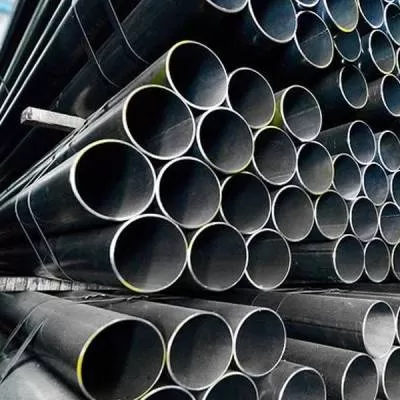
Steelmakers Urge Government to Impose Temporary Tax to Curb Cheap Imports

Steel mills in India are experiencing considerable financial distress due to the large volume

Published

on

Shares

India’s steelmakers have appealed to the government to urgently impose a temporary tax on cheap steel imports from China, Japan, and South Korea. The Indian Steel Association (ISA) has raised concerns about the rising influx of steel at predatory prices, which is severely affecting the domestic steel industry. The ISA, representing major steel producers like JSW Steel, Tata Steel, and Steel Authority of India, made this plea in a presentation to the Directorate General of Trade Remedies (DGTR), a division of the federal trade ministry.

According to the ISA, steel mills in India are experiencing considerable financial distress due to the large volume of low-priced steel being imported from surplus countries. The ISA warned that these imports are not only damaging the pricing structure of the domestic market but also threatening the survival of local steelmakers. The association noted that steel imports, especially from China, Japan, and South Korea, are priced at levels that local producers cannot compete with, putting significant pressure on their operations.

The ISA’s presentation also pointed to the growing issue of imports from Vietnam, which was once a buyer of Indian steel but has now become a net exporter of steel to India. This shift has exacerbated the situation, especially since Vietnam’s steel exports to India are often sold at low prices.

India, which is the world’s second-largest producer of crude steel, has also become a net importer of finished steel. Data for the fiscal year 2023-2024 reveals a sharp rise in imports, with finished steel imports during the first half of the year reaching a seven-year high. The growing imports are further squeezing margins for domestic mills, which have seen their profit margins drop by as much as 68% to 91%.

The ISA further pointed out that the situation is forcing companies to reduce production and delay capacity expansion, leading to uncertainty in the sector. JSW Steel, India’s largest steelmaker, has reported a third consecutive drop in profits, primarily due to the pressure from rising imports and falling domestic prices.

The DGTR has initiated an anti-dumping investigation into steel imports from Vietnam and is now assessing whether a safeguard duty should be imposed to counter the adverse impact on domestic producers. The outcome of this investigation will determine if additional duties will be applied to imports, though the ISA has pushed for swift action to ensure the survival of local steel manufacturers.

Uncategorized

JK Lakshmi Cement Breaks Ground on Rs 110 bn Assam Plant

Published

on

By

Shares

The company launches Rs 110 bn Project Kamakshi in Assam, marking its Northeast entry with a 2.5 MTPA integrated cement plant.

New Delhi, 30 October 2026

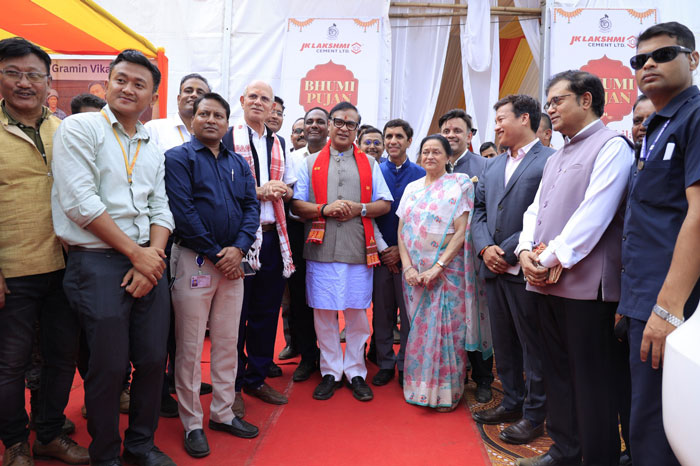
JK Lakshmi Cement Ltd has broken ground on Project Kamakshi, an integrated cement manufacturing facility in Assam, marking its entry into India’s Northeast market. The company is investing Rs 110 billion in the project, including the mining lease, to strengthen its manufacturing footprint and serve growing regional cement demand.

The groundbreaking ceremony was held on 30 October 2026 at Umrangso village in Assam’s Dima Hasao district, in the presence of Assam Chief Minister Himanta Biswa Sarma.

The proposed facility will have an annual cement production capacity of 2.5 million tonnes, supported by a 1 million-tonne clinkerisation unit. Equipped with dedicated railway sidings, the plant is designed to facilitate efficient transportation of raw materials and finished cement across the Northeast.

Scheduled for completion by FY2029, Project Kamakshi is expected to generate employment opportunities for more than 2,000 people while strengthening the region’s industrial and economic development.

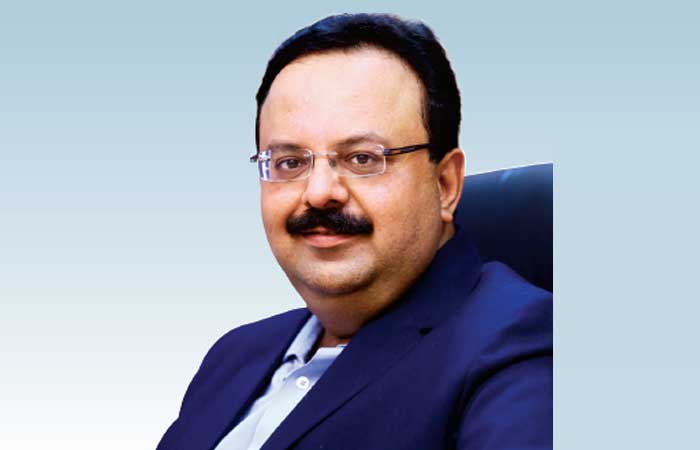
Vinita Singhania, Chairperson and Managing Director, JK Lakshmi Cement Ltd, said, “Project Kamakshi is the start of a long-term relationship with Assam and the wider North East. This is a region that is building fast, and it deserves quality cement made close to home. With this plant, we want to bring scale, jobs, and dependable supply to the region. At JK Lakshmi Cement, we believe that building a stronger India goes beyond infrastructure. It is also about growing together with the communities we serve.”

The integrated facility is expected to improve supply reliability, optimise logistics and reduce dependence on cement transported over long distances, positioning JK Lakshmi Cement to capitalise on infrastructure and construction growth across the Northeast.

The investment aligns with the company’s strategy of expanding into high-growth markets through greenfield projects. With its entry into Assam, JK Lakshmi Cement will extend its geographical presence beyond its established Northern, Western and Eastern markets.

The company also aims to align its future expansion with its long-term sustainability commitment to achieve net-zero emissions by 2047.

Continue Reading

Uncategorized

Foundation is always product performance

Published

on

By

Shares

Pushp Raj Singh, Group President – Sales and Marketing, JK Cement, explains how brand loyalty is cultivated with superior product performance and consistent communication for a sustainable competitive advantage.

At JK Cement, branding is embedded in the business strategy, built into every customer touchpoint, and measured against outcomes that go well beyond awareness and reach. In this exclusive interview, Pushp Raj Singh, Group President – Sales and Marketing, JK Cement, brings clarity to what modern cement branding actually demands, while emphasising that the shift from commodity to brand begins not in advertising but in the consistency of experience that a contractor, dealer or homebuilder encounters every single time they interact with the product, the company and the people behind it.

How has branding evolved from being a support function to a strategic growth driver in the cement industry?
In a largely standardised category like cement, branding today is a strategic growth lever. It builds trust, drives preference and strengthens long-term loyalty.
For consumers, our brand provides confidence and assurance in building their homes. For our customers — including dealers, retailers, contractors and institutional partners — it creates market pull, credibility and stronger business relationships.
At JK Super Cement, branding is closely aligned with business strategy, ensuring that every touchpoint reinforces our promise of quality, reliability and BUILDing STRONG.

What are the key pillars that define a strong and differentiated cement brand today?
A strong cement brand today is built on five key pillars: consistent product quality, trust earned through performance, innovation, sustainability and customer engagement. While product performance remains fundamental, consumers increasingly value brands that provide technical support, both offline and online, and demonstrate responsible manufacturing. The ability to deliver a superior customer experience across every interaction is what truly differentiates a brand.

How do you balance product performance, trust, and emotional appeal in your
branding strategy?
The foundation is always product performance because trust is earned on the construction site. For us, product performance remains the starting point because trust in this category is earned on the construction site, project after project. A brand can only create lasting preference when its promise is consistently proven through quality, durability, and reliability.
At the same time, we recognise that people are not just buying cement; they are building homes, businesses, aspirations, and legacies. Our communication, therefore, goes beyond functional superiority to connect with the deeper emotional significance of building something that must stand strong for generations. This is where our positioning of “Build Strong” comes alive, not only as a product promise, but as a belief that reflects strength, confidence, and long-term value for every stakeholder in the construction ecosystem.
By combining performance-led credibility with emotionally resonant storytelling, we are able to build stronger relationships with our consumers & customers alike. Our communication reflects both functional excellence and the significance of creating structures that last for generations. This combination helps build deeper brand relationships with all stakeholders in the ecosystem.

What role does digital marketing play in influencing dealers, contractors and end consumers?
Digital marketing has become an essential engagement platform across the construction ecosystem. It enables us to educate customers, showcase product innovations, share technical knowledge and maintain continuous engagement with dealers, contractors, architects, engineers and homeowners. Digital channels also provide valuable insights into customer preferences helping us to deliver more relevant communication and improve the overall marketing effectiveness.

How do you measure the effectiveness and ROI of your branding initiatives?
We evaluate effectiveness through both business and brand metrics. We track indicators such as brand awareness & recall, recommendation, consideration engagement, channel participation and lead generation. More importantly, we assess how branding contributes to business outcomes including market penetration, dealer engagement, premium product adoption and customer loyalty.

How has consumer awareness changed the way cement brands communicate their value proposition?
Consumers are highly informed and research driven. They seek information about product performance, certifications, and application suitability before making purchase decisions. As a result, communication has become more transparent and educational. We simplify technical information to aide our customers in making an informed decision during their home building journey.

What challenges do cement manufacturers face in building brand loyalty in a largely commoditised market?
The biggest barrier to building loyalty is the conversation centred around price. While cement may often be viewed as a commodity, users continue to value consistency, reliability, technical support, and trusted relationships. Building loyalty requires delivering consistently superior product quality, technical services, and a consistent supply. Strong brands create confidence among their users that extends beyond the product itself.

What branding trends do you believe will shape the future of the cement industry over the next five years?
The future will be shaped by a digital-first engagement, sustainability-led storytelling, with a high focus on customer experience on ground. Along with strength, customers also expect brands to demonstrate transparency and environmental responsibility. We also see greater integration of technology across the construction ecosystem making digital engagement an important differentiator. Brands that combine product excellence with purpose and innovation will lead the industry.

-Kanika Mathur

Continue Reading

Uncategorized

SAIL Posts Highest-Ever December Sales, FY26 Growth Strong

December volumes jump 37 per cent, momentum continues through April–December.

Published

on

By

Shares


Steel Authority of India (SAIL), a Maharatna central public sector enterprise and one of India’s largest steel producers, has recorded its highest-ever sales for the month of December, reflecting strong demand and improved operational performance.
According to provisional data, SAIL clocked sales of 2.1 million tonnes (MT) in December 2025, registering a robust growth of around 37 per cent compared with 1.5 MT sold in December 2024. This marks the company’s best performance for the month of December to date, with strong growth reported across product categories and sales channels, alongside a significant reduction in inventory levels.
The strong monthly performance was driven by a sharp focus on timely customer deliveries and enhanced market engagement. SAIL has also stepped up its branding and outreach initiatives in recent months, contributing to improved visibility and stronger customer connect in both retail and institutional segments.
The December showing helped SAIL sustain its growth momentum during the current financial year. Cumulative sales for the April–December 2025 period stood at 14.7 MT (provisional), reflecting a growth of about 17 per cent compared with 12.6 MT recorded during the corresponding period of the previous year.
In addition to solid performance in the domestic market, SAIL’s export volumes have also witnessed a significant increase, highlighting the company’s expanding global footprint and competitiveness in international markets. The improved export performance comes amid volatile global steel market conditions, underscoring SAIL’s ability to adapt and capitalise on emerging opportunities.
The sustained improvement in sales volumes reflects SAIL’s strengthened market presence, customer-centric approach and operational efficiencies. The record-breaking achievements across domestic and overseas markets reinforce the company’s position among India’s leading steel producers and are expected to further enhance its standing among major global steel players in the coming years.

Continue Reading

Video Thumbnail
▶

    SIGN-UP FOR OUR GENERAL NEWSLETTER

    Trending News

    SUBSCRIBE TO THE NEWSLETTER


    Don't miss out on valuable insights and opportunities to connect with like minded professionals.


      This will close in 0 seconds