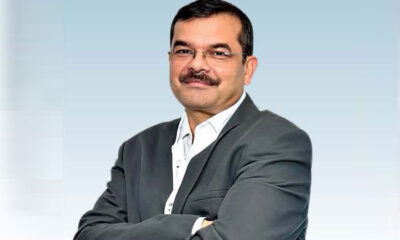
Sanjay Joshi, Chief – Projects and Manufacturing Officer (North), Nuvoco Vistas Corp, talks about their safety protocols and initiatives as well as the comprehensive approach they take to ensure the well-being of their workforce with the use of advanced technology.
What is the definition of a ‘safe’ plant in your organisation?
At Nuvoco Vistas, a ‘safe’ plant is one that demonstrates Zero Harm, Zero Fatality, Zero Loss Time Injuries (LTI), Zero Medical Incidents (MI), Zero First Aid (FA) and Zero Serious Events (SE) reported. Additionally, a safe plant actively promotes leading indicators, placing a strong emphasis on safety through employee engagement, comprehensive training and prompt reporting of unsafe acts, unsafe conditions, and near misses. The goal is to maintain a workplace with zero tolerance for safety lapses and a commitment to proactive safety measures. This is to ensure that all stakeholders (internal and external) coming inside the plant are safe. Equal importance is also given to ensure zero property damage.
Tell us about the key areas where safety is of paramount importance.
In the realm of cement manufacturing, where the process is intense and operation-oriented, ensuring safety is essential. Here are the key areas where safety is of utmost importance:
- Coal shop safety: Ensuring a secure environment in the coal shop is paramount.
- Preheater and precalciner safety: Focusing on safety measures in these critical areas of the process including cleaning of cyclone jam.
- Working at heights: Implementing safety protocols for tasks that involve working at height across all areas.
- Electrical safety and energy isolation: Prioritising safety in electrical operations and implementing effective energy isolation procedures.
- Mines safety: Adhering to all safety requirements outlined by DGMS (Directorate General of Mines Safety).
- Exposure to respirable crystalline silica and total dust: Managing and minimising the risk of exposure to harmful substances.
- Working in confined spaces: Implementing safety measures for tasks conducted in confined spaces.
- Conveyor belt safety with machine guarding: Ensuring the safety of personnel in areas involving conveyor belts, with proper machine guarding.
- Fire safety: Implementing fire safety measures in all areas containing inflammable materials.
- These areas collectively form a comprehensive approach to maintaining a safe working environment in a cement plant, emphasising the well-being of everyone involved in the process. Mock drills are also periodically conducted to confirm readiness in case of any eventuality.
What are the safety equipment used by various personnel in different areas of work?
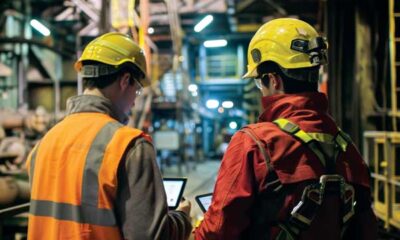
In different work areas, our personnel use a variety of safety equipment to ensure their well-being. The mandatory Personal Protective Equipment (PPE) in Nuvoco comprises a safety helmet for head protection, safety shoes for safeguarding the legs, a fluorescent jacket (reflective jacket) to enhance visibility and protect the body and safety glasses for eye safety.
Furthermore, for specific job requirements, we provide essential job-specific PPEs, such as full body safety harness for tasks involving fall protection, ear plugs for hearing safety, electrical safety gadgets to prevent electrical hazards, hand gloves for hand protection, welding aprons and other specialised equipment tailored to the unique risks associated with specific tasks performed by our associates. This approach ensures that our personnel have the right safety gear to address the specific hazards they may encounter in their respective work areas, promoting a comprehensive and secure working environment.
Tell us about your organisation’s policies about safety for the workforce.
At Nuvoco Vistas Corp, we prioritise the safety and well-being of all individuals working in our plants. It’s our inherent responsibility to provide a safe and healthy environment for our employees, contract workers, and associates, ensuring compliance with local legal and regulatory requirements. We expect everyone to actively adhere to our health and safety guidelines, with each employee taking personal responsibility for preventing occupational injuries. It’s not just a management concern; it’s a collective effort to conduct day-to-day business with the utmost safety. Visible leadership forms the foundation of our health and safety principles, fostering a work environment where everyone can confidently engage in their tasks.
Does technology play a role in ensuring plant safety? If yes, how?
Certainly, technology plays an important role in ensuring plant safety at Nuvoco Vistas. Our safety management systems strongly influence technology for efficient operations. We utilise the Safety, Tracking, Analysis and Reporting (STAR) software for comprehensive reporting of both leading and lagging indicators, enhancing our ability to monitor and manage safety performance.
In addition, all commuting vehicles are equipped with GPS and VTS (Vehicle Tracking System) for real-time tracking and monitoring, ensuring the safety of transportation activities.
The Lock Out, Tag Out, and Try Out process (LOTOTO) used for the energy isolation system is an advanced electrical safety measure in place, contributing to a secure working environment.
Furthermore, machines are equipped with Visual Cutoff Switches (VCS) for local cutoffs, adding an extra layer of safety to our processes. Across the board, various technologies are implemented in our machineries, collectively creating a technologically advanced and safe working environment throughout our operations.
Tell us about the major challenges faced in terms of ensuring plant safety.
Ensuring safety in cement plants presents significant challenges due to the human-intensive nature of the operations. From mining to clinkerisation, grinding, packing and despatch, each stage involves potential risks to human safety.
Moreover, road safety poses substantial challenges, as global statistics highlight it as one of the most significant safety concerns. The diverse operations and their associated risks make maintaining a safe environment a complex task in our cement plants. Addressing these challenges requires continuous efforts and a comprehensive approach to prioritise and enhance safety measures across all facets of our operations.
Do you conduct safety training and audits for your plant personnel?
Absolutely, our commitment to safety is unwavering, and it begins from the moment any worker steps into the plant. Continuous safety training is rooted in our approach, starting right at the initiation phase, and extending throughout their involvement in plant operations and maintenance. These training sessions serve as the backbone of our safety system, emphasising the importance of safe practices at every step.
In addition to ongoing training, we conduct various safety audits to ensure the effectiveness of our safety measures. This includes cross-functional safety audits, internal safety audits, external safety audits and sectional safety audits throughout the year, maintaining a consistent and thorough evaluation process. We also conduct audits on an as-needed basis, tailoring our assessments to specific plant requirements, such as design safety audits and coal shop safety audits. This holistic approach underscores our dedication to fostering a safe and secure working environment for all personnel.
How do you plan to better the safety of your plant in the years to come?
Ensuring safety is an ongoing journey marked by continuous improvement at every moment of our cement plant operations. Each step is important, considering both human safety and the prevention of property damage.
To enhance safety, we are actively working on minimising road incidents during operations. Additionally, our focus extends to behavioural-based safety improvements among employees, contributing to the overall goal of making our plants safer environments. This commitment to continual improvement underscores our dedication to fostering a secure and protected workplace for everyone involved.




















 Concrete4 weeks ago
 Concrete1 month ago
 Concrete4 weeks ago
 Concrete4 weeks ago