Pankaj Kejriwal, Whole Time Director and COO, Star Cement talks about the future of eco-friendly green cement, its advantages, efforts taken by cement producers, new technological innovation and operational efficiency improvements.
The hon’ble Finance Minister in her budget speech for FY 2023-24 has highlighted seven priorities to act as Saptarishi, guiding us through the Amrit Kaal. One of them is Green Growth. This Green Growth will be achieved by using green fuel, green energy, green buildings etc. and eventually providing green jobs.
Green cement is a step in this direction. Green cement is an eco-friendly cement that uses a carbon-negative process of manufacturing. The major raw materials used to produce green cement include mostly the discarded waste from the industry. The slag from the blast furnace and fly ash are the chief materials used in the manufacturing of green cement.
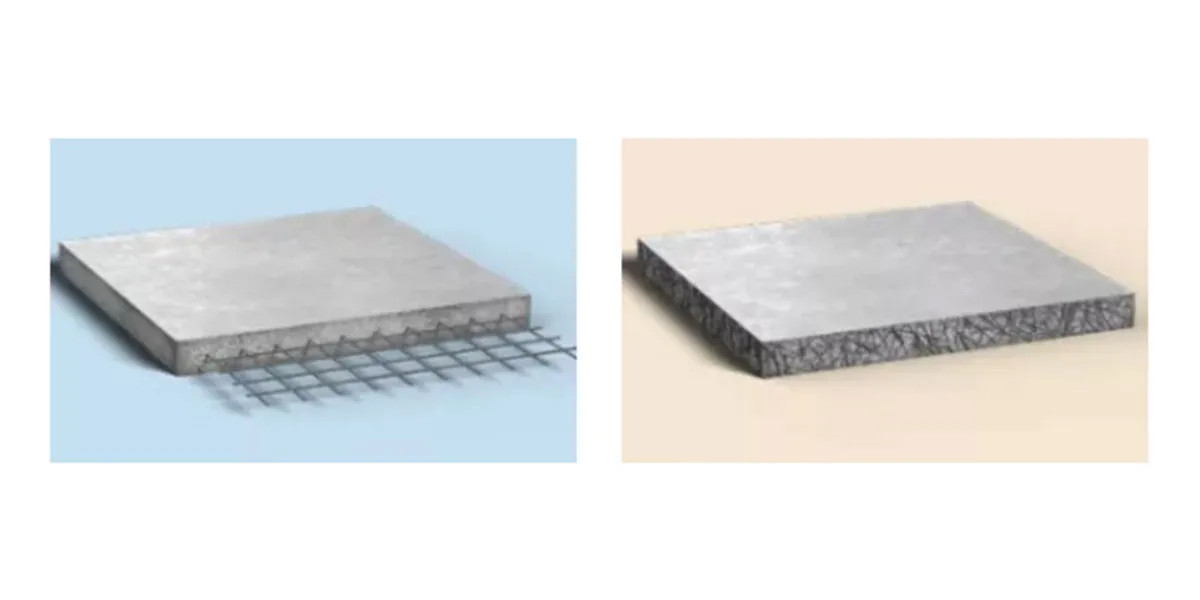
Concrete with green cement is a form of eco-friendly concrete that is manufactured using waste or residual materials from different industries, and requires less energy for production. Compared to traditional concrete, it produces less carbon dioxide, and is considered environmentally friendly and more durable. Green concrete has a lower shrinkage rate and also becomes stronger far more quickly than concrete made with traditional cement.
Types of Newly Invented Green Cement
- Ekkomaxx Cement
It is a type of green cement produced in the United States that is composed of 95 per cent fly ash and 5 per cent renewable liquid additives. Based on standards such as the International Code Council and United States Green Building Council, this cement, which is manufactured by Ceratech Company, has nearly zero carbon footprint.
Not only did the process of cement production decline the use of virgin material by 95 per cent but it also decreased the water requirement by half.
The main characteristics of Ekkomax cement are high early strength, resilience, crack resistance, low chloride permeability, sulphate attack resistance, durability and corrosion resistance, which is more than three times of conventional cement, and the resistance to freezing and thawing is greater than that of normal cement.
- Magnesium Oxychloride Cement
Magnesium Oxychloride Cement (MOC) is an environmentally friendly and carbon-neutral cement, which is produced from two main materials namely: magnesium oxide (MgO) powder and a concentrated solution of magnesium chloride (MgCl2). These are by products from magnesium mining.
The MOC has great compressive strength and sets quickly and MgO absorbs CO2 from the atmosphere, but water can reduce its strength considerably. However, this weakness of MOC can be tackled to a certain extent by introducing 15 per cent of fly ash and the same amount of silica fume.
These additives fill the pore structure in MOC, which makes the concrete denser. Consequently, both strength and durability of concrete is improved considerably. Furthermore, it is required to add phosphoric acid and soluble phosphates to improve the resistance of this type of green cement against warm water.
Finally, Magnesium Oxychloride Cement leads to the corrosion of steel, hence this type of cement cannot be used for construction reinforced concrete structure unless this problem is tackled.
- Geopolymer cement
Geopolymer, which is also known as alkali-activated cement, is produced from alumino-silicates instead of the more environmentally damaging calcium oxide.
The aluminosilicates are obtained from industrial by-products like fly ash. The geopolymer cement is competitive with ordinary Portland cement in performance and cost, and it emits 95 per cent less CO2 than the ordinary Portland cement.
- Ferrocrete
Ferrocrete cement is manufactured by mixing silica and iron, which are waste by products from the steel and glass industry. This material mixture is then cured with CO2, and consequently, it potentially becomes carbon-negative material. The scientists at the University of Arizona invented Ferrocrete.
- Calcium Sulfoaluminate Cement
The calcium sulfoaluminate cement is produced in a kiln that requires a temperature of 1232oC (2250F) rather than 1426.6oC (2500oF) of conventional cement. As a result, less CO2 would be released into the atmosphere. The calcium sulfoaluminate cement sets rapidly and gains 28-day strength of conventional concrete in 24 hours.
That is why it is used in projects where rapid setting of concrete is crucial such as bridge decks and airport runways. The calcium sulfoaluminate cement can be used as shrinkage compensating cement when a higher quantity of gypsum is added.
This type of cement can achieve energy savings as high as 25 per cent and provide environmental benefits by reducing CO2 emissions by around 20 per cent when compared with Portland cement.
- Sequestrated Carbon Cement
The Calera Corp. cement in California produced cement from seawater or brine mixed with CO2 that may be used as a Portland cement substitute. In this cement production process, CO2 rich gases are filtered through seawater.
The calcium and magnesium are stripped from the seawater and react with CO2 to produce high-quality cement, which is white, air-permeable and stronger than regular OPC.
- Cement Produced Using Superheated Steam
The process of superheated steam can be used to change the cement particles in order to make them more reactive. In this process, the emitted CO2 can be captured after it has been separated.
- Low Carbon Cement (Ecocem Technology)
This type of cement contains clinker content up to 20 per cent with 80 per cent SCM’s and limestone filler. The drastic reduction in clinker factor will provide significant savings in energy consumption.
- Cement Produced with Reactive Hydrothermal Liquid-phase Densification
This type of cement is produced using the same raw materials as ordinary Portland cement, but at lower temperature and through a different chemical reaction that produces less CO2 compared with traditional Portland cement production process.
This cement is blended with water and CO2 and reacts with CO2 to produce calcium carbonate and silica, which eventually hardens to make concrete. This type of green cement is produced by Solidia Technology Company based in the United States, and has partnership with Lafarge to commercialise the cement production technology.
Advantages
- Lowers carbon dioxide emission as it does not require as much heat during its production, releasing up to 80 per cent less carbon dioxide.
- Makes use of industrial waste such as fly ash, silica fume and blast furnace slag that may require several hectares of land for disposal. As a result, it protects land from becoming a dumping ground and ultimately being destroyed.
- Requires less energy. Since industrial by-products present in green cement, the energy needed in production is greatly reduced. Additionally, it withstands temperature fluctuations and
hence decreases costs related to both heating and cooling.
Efforts Towards Going Green
Decarbonising the cement industry is likely to require significant advances on three fronts: operational efficiency, technological innovation, and business model reorientation. More collaboration across the cement ecosystem will be pivotal. Despite the increasing complexity and challenges each ecosystem player faces, first movers may gain the upper hand by taking immediate action across the value chain to help the industry reach its decarbonisation targets. These green-cement disruptors are likely to capture headwinds as sustainability becomes increasingly urgent.
Operational Efficiency
Even after decades of effort to make cement production more efficient, the industry still has considerable room for efficiency improvements. McKinsey analysis suggests that continued application of proven emissions-abatement methods could reduce emissions by about one-fifth by 2050.
These methods include using clinker substitutes more widely, increasing plant utilisation (which can lower energy intensity), and boosting the effectiveness of equipment. Other opportunities include applying advanced analytics and replacing fossil fuels with alternatives such as biomass-based fuels.
Technological Innovation
Promising changes in the formulation of cement have begun to emerge. For example, lowering the proportion of limestone in cement can result in fewer process and fuel emissions. Adding CO2 to concrete as it cures can strengthen the solid material, reduce the amount of cement needed, and sequester captured CO2. And improving carbon-capture technology would make it more economical to keep process emissions from entering the atmosphere. Coolbrook technology for calciner and kiln electrification using rotodynamic reactors can be a game changer in future.
Business Model Reorientation
Cement-based concrete will probably remain the construction industry’s preferred material. But if engineers, technologists, construction companies and building-materials businesses (which account for about 30 per cent of construction emissions) work together more closely, they could optimise the design of buildings and infrastructure to use less cement overall.
This might involve rethinking structures and shapes, altering the material mix and replacing cement with alternative materials such as cross-laminated timber and employing novel methods such as prefabrication and 3-D printing.
Star Cement has started using green fuel i.e. bamboo for its power plant and clinkerisation unit thus enhancing the green fuel efficiency in the plant, and aiding in the green growth initiative of the country.
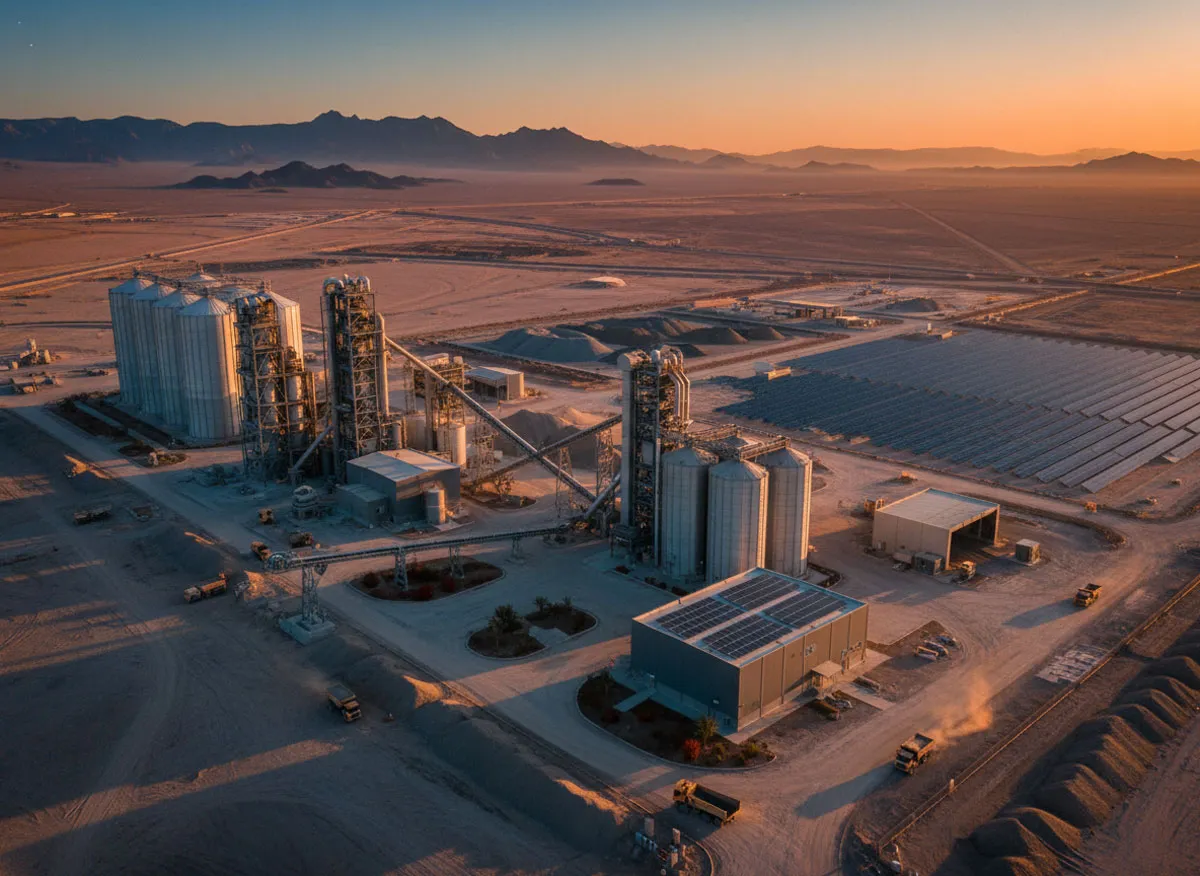
Star Cement is adding waste heat recovery systems (WHRS) with existing clinker production lines. It promises to bring the latest technologies for reducing carbon emissions to all the upcoming/existing plants and to bring green cement to the market.
ABOUT THE AUTHOR:
Pankaj Kejriwal, Whole Time Director and COO, Star Cement, has been responsible for conceptualising, engineering, implementation and commissioning of all cement projects.