Molugu Purnachander, Director Procurement, Heidelberg Cement India heads multiple cement plans and grinding centers and a plant pan India. He has been awarded with the Global Purchasing Best Practice Award. In this interview, he shared his experiences and requirements for packaging in the cement industry.
How important is packaging in the cement manufacturing process?
It is said that “Do not judge the book by its cover”, however, when it comes to products, the cover i.e. packaging is the foremost thing that appeals the eye of the customer.
Similarly cement packaging also plays a very important and vital role in influencing the customer to choose your product from the shelf. Prima Facie, packaging is the face of the company and the product within. Apart from extrinsic value cement packaging also provides protection and helps in enhancing shelf life. It safeguards the cement from threats like moistures, chemical reaction, etc. It also makes the transportation as well as handling easy with less wastage. It is an environment friendly solution for printing necessary and important information / specifications about cement along with the manufacturer’s name and their registered trademark, ISI mark, cement grade, bag weight, price etc.
On which stages in the cement manufacturing process is packaging required?
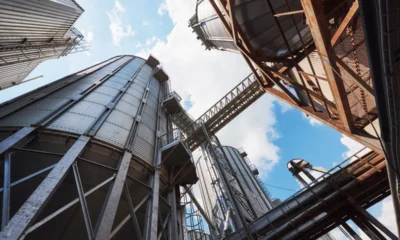
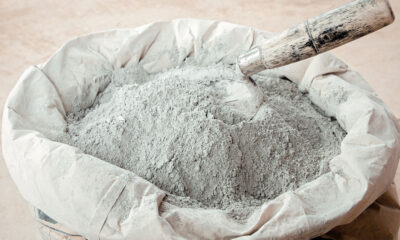
Cement tends to harden when its exposed to moisture in any form, thus, making it is unfit for consumption. Hence the packaging is required after the last stage when the final process of cement manufacturing ie. grinding of clinker with other additives is completed and cement is stored in Silos ready for dispatch. Cement is dispatched either in 50 kgs / jumbo bags packaging or in bulk dispatched in bulkers for larger construction projects.
What technology is followed in the packaging and transportation of cement?
There are various technology which a cement manufacture can chose from for packing the cement. However, majority of packaging is based on Polypropylene (PP) Woven / Laminated bags manufactured from PP granules (a byproduct from petroleum refinery). The fabric is made by weaving the tape in the looms.
Since packaging is one of the foremost things which differentiates the product in the eye of the customer, hence recently the cement industry has started switching to latest technology as per new guidelines such as block bottom valve sacks made of plastic fabric i.e., laminated.
Another variety is BOPP i.e., Biaxially oriented polypropylene film that is applied as an additional layer to woven polypropylene bags. The film allows for custom, clear, and vivid printing to be applied to both sides of the bag, as well as the gussets. Also, cement is packed in paper bags too.
Tell us more about the packaging material that is currently used for packing cement.
The basic raw material for cement packing is Polypropylene (PP). Currently there are four types of bags used in the packaging of cement –
a) PP woven bags b) Laminated bags
c) BOPP bags d) Paper bags.
BOPP i.e. Biaxially Oriented Polypropylene is the most premium packaging with provides attractive printing on it. BOPP is the latest technology in cement packaging which is 100 per cent recyclable and provides strong resistance to moisture.
Laminated bags are block bottom sacks made without adhesives from coated polypropylene fabric. These bags help to reduce CO2 emissions during cement production.
Paper bags which were running the show have lost their luster and are being slowly replaced by BOPP bags as they have advantages of less wastage, easier to recycle, better printing and visibility and environmentally friendly.
What improvements can be made in the system and process of cement packaging?
Cement is the second most consumed product after water and packaging plays a vital role in insuring the shelf life of the cement. Although companies have been using packaging as an aesthetic tool to differentiate their products from competitors, however implementation of various standards like Six Sigma should be promoted for cement bag to ensure that they reach the end customer intact.
There have been various advancements in cement packaging like from Jute to PP and then from PP to Laminated and BOPP, hence adopting advanced technologies of packaging like BOPP should be promoted as it provides sturdiness to the cement bag.
Further, increased automation to reduce spillage of cement and palletised packaging are other areas which industry should work towards.
Tell us about the major challenges faced in packing cement and delivering it to the
end consumer?
Cement bags are transported either through rake or through trucks. There are various interchanging points which lead to burstage of a cement bag/ spillage of cement. Starting from loading of cement bags in trucks / rake followed by in-transit and then till the final offlaoding, major challenge in packaging is the spillage of cement during the handling of bags at the dealer point / end user. Despite various notifications on bags like Use No Hooks, bags are handled with hooks to pull / push them into the truck which leads to heavy spillage of cement from bags and in turn creating dust emissions along with wastage. Hence there is a necessity to train the workmen at dealer place for proper and professional handling of bags to avoid burstage /loss of cement. Although we as an organization have already done automation to reduce the spillage along with training of our channel partners on bag handling, yet it still remains a challenge which entire industry faces.
How does delivery of cement take place protecting and shielding it from moisture?
- Removing sharp objects from the cement transport vehicle / rack before loading cement bags so that the bags are not torn or damaged.
- Ensuring the vehicle/rake is clean and dry before loading the cement bags.
- The plastic sheet must be spread on the vehicle/rake floor.
- Cement bags should be properly covered with plastic sheets with second layer of tarpaulin.
- Load cement bags carefully into the cement transport vehicle, making sure that they are covered and tied down securely.
Always stack the cement bags in the same way even if the bags are not palletised. Otherwise, if any pothole comes up, then cement bags may get toppled down.
How should dealers or end consumers of cement store packaged cement to prevent it from coming in contact with moisture?
- Cement should be stored in window-less room and rest it on a wooden platform, cement bags should not put directly on floor.
- Keep the cement bags 2 feet away from the nearest wall and ceiling.
- Don’t keep more than 15 bags on top of each other, if it’s more than 15 bags then there are chances of cement turning into lumps.
- During rains the cement bags should cover by tarpaulin.
- FIFO (First IN First OUT) should follow
- In warehouses, adequate ventilation is to be provided, Install exhaust fans on blank walls
Can cement packaging be made more eco-friendly and sustainable? Tell us more about the changes your organization is making.
Yes, many researches are going on to make the cement packing eco-friendly and sustainable. We as an organization are constantly taking efforts to make this green change and as a first step, we are shifting from normal PP woven bag to BOPP bag in a phase manner, as BOPP bags are 100 per cent recyclable.
- Ongoing RandD to make the bags now biodegradable.
- Adoption of Green cement.
- We are switching over to usage of laminated bags replacing PP bags and completely replacing paper bags by BOPP bags. Laminated/BOPP bags are extremely durable, break-resistant and protects the content from moisture which reduces loss of cement and avoids hardening of cement while multiple handlings. Less cement loss means less cement to be produced and consequently less CO2 emissions.
- BOPP bags are easily recyclable, the empty bags have to be collected by dealers from end users for some attractive value or offer attractive promotions to ensure collection of these used bags and recycling towards sustainability.
What innovation in cement packaging can be seen in the near future?
Globally cement is considered an industrial product, hence there is an inclination towards bulk over bagged cement. However, until bagged cement is in use innovation on the same will continue to happen. It is said that However you do, someone else will come and re-do it in a different way. Hence innovation in cement packaging will continue as it is major differentiator from competition. At present we can see that slowly and steadily the market is inclining towards the Block Bottom Bags and in next 5 years we can expect the current market share of 25 per cent block bottom could hit up to 80 per cent.
Kanika Mathur