??e??e had an overwhelming response to our announcement of MissionZero: zero use of fossil fuels and zero emissions in cement by 2030. Whilst ambitious, it?? a necessary step to take to meet the urbanisation needs of a growing population. Here is the what, why and how innovation will help us get there.??Thomas Petithuguenin, Innovation Manager, FLSmidth
Since the announcement of our sustainability programme, MissionZero, we??e heard a lot from our customers, industry stakeholders and the media. There has been a mix of scepticism, excitement and great anticipation. The dust has since settled, and we are busy tackling the task from all possible angles.
MissionZero comes with the responsibility of pulling the weight of an entire industry, looking for solutions that will not only reduce our environmental impact, but do so without jeopardising profitability and economic growth.
Innovation plays a crucial role in MissionZero because its main purpose is to improve efficiency, which go hand in hand
with lowering resource consumption: the essence of sustainability.
Numbers don?? lie
Concrete is the second most-used substance on Earth due to its versatility and durability. It is estimated that by 2030, about 4.8 billion annual metric tonnes of cement will be needed to support a population growth of approximately 1.2 billion people.
If we are to provide future generations with the high-quality infrastructure that we have grown accustomed to, we need to change our current practices. MissionZero may be ambitious, but we are willing to take responsibility and lead the cement industry towards a carbon-neutral future.
Looking forward, cement production is expected to increase at a regular annual rate of five percent. With cement plants currently operating at close to 70 percent of global capacity, the number of new plants required to meet market growth is limited.
It is therefore essential that solutions developed to reduce CO2 emissions at cement plants are competitive in a cost-conscious market, and that they can be retrofitted on existing plants.
Baseline
CO2 emissions from cement production come from three main sources:
-
Calcination of limestone (approx. 56 percent)
-
Combustion of fuels (approx. 37 percent)
-
Power consumption (approx. 7 percent)
These values are based on a cement plant that emits 0.89 tonnes of CO2 per tonne of cement produced. Of course, these numbers can vary from site to site based on cement composition, fuel substitution and process efficiency. This information is being used as our baseline to meet the objectives of MissionZero.
Innovation focus
Achieving our MissionZero objectives by 2030 requires focus on innovation milestones that:
-
Facilitate the use of alternative fuels over fossil fuels
-
Increase the practice of clay calcination and thereby reduce the volume of clinker
-
Introduce circular economy and alternative raw materials
The road ahead
The roadmap for the next decade is pitched to be filled with research and development opportunities, collaboration between industry stakeholders and a wide range of product innovation activities. Our plan has three phases with different focuses.
Phase one
Over the next two years, we will make it easier to obtain 100 percent alternative fuel firing and complete fuel flexibility. The latter describes the ability to fire a variety of fuel types to avoid relying on a single source. Refuse-derived fuel (RDF) is an example of alternative fuel.
We will focus our effort on gasification technology, to first produce stable, clean and sustainable combustion gas in the calciner; and as a second step, deploy this solution to the main burner.
Meanwhile we will use process control solutions to maintain clinker quality while firing fuels of varying properties. This will enable fuel flexibility, i.e. the ability to fire a variety of fuel types and avoid reliance on a single source. Research in alternative sources of heat, such as solar, nuclear, and electric, as well as the development of heat-free calcination is also being conducted.
Phase two
Spanning five years, phase two started in 2020 and focuses on lowering the volume of clinker by accelerating deployment of clay calcination and promoting the use of clinker/clay/limestone blends.
The first step will be to demonstrate industrial-scale clay calcination for use as a cementitious binder, and second step is to decarbonize this process via electrification. Clay is particularly interesting as it is abundant in growth regions which also face a lack of good quality limestone.
Phase three
Sustainability and circular economy go hand-in-hand. Once phase two has wrapped up, we??l turn our focus to leveraging this final phase. The goal is to reduce overall calcination emissions. Where this is not possible, the emissions will be offset through producing brown fuels. There are three pathways that can contribute to this goal:
-
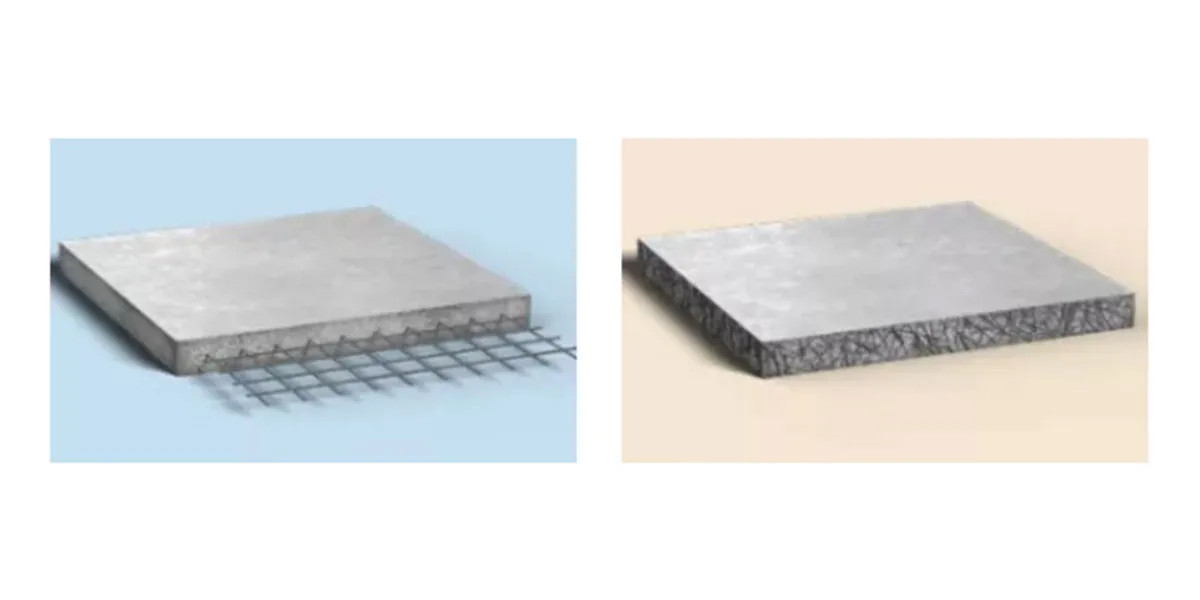
Deploy geopolymers to commercialise a process solution for cementitious binders with extremely low clinker content.
-
Replace limestone with cement recycled from old concrete structures. This strategy will effectively bring calcination emissions down to zero.
-
Use the cement plant to produce synthetic fuels, which are drop-in replacement fuels. By using a larger version of our alternative fuel gasifier, it will be possible to recycle waste into useful hydrocarbons for the aviation and maritime industries. This pathway has the potential to earn additional revenue, dispose of more waste, and close the carbon loop by replacing fossil hydrocarbons with recycled hydrocarbons.
Natural progression
The solutions being described in our roadmap are not revolutionary, more of a natural evolution of the many efforts already ongoing across the FLSmidth Group. What needs to happen now is cohesive collaboration across our industry to create solutions that will get us there by 2030.
I hope that this behind-the-scenes glimpse answers some of the questions raised following the announcement of MissionZero. Perhaps it will spark new questions and generate more conversations, which will raise even more awareness around sustainability in the cement industry. Every industry and individual has a part to play if we are to meet the goals of the Paris Agreement.
ABOUT THE AUTHOR:
Thomas Petithuguenin
Innovation Manager, FLSmidth
Discover more: https://www.flsmidth.com/en-gb/company/sustainability