Connect with us

Concrete

21-km cross-country belt conveyor for Heidelberg Cement, Damoh

Published

on

Shares

The EPC contract for India?s longest Overland Belt Conveyor (OLBC) system to Heidelberg Cement is another significant milestone in Macmet?s list of achievements.

In 2010 Macmet, against stiff competition from L&T, FL Schmidt, Sinoma International Engineering Co bagged the turnkey contract from Heidelberg Cement for design, engineering, manufacture, supply of equipment, Civil & Structural Construction and Erection of Plant/Machinery for a 21 km long Overland Belt Conveyor system for transporting Limestone from Patharia Quarry to Narsingarh Clinkerization Unit, for the Diamond Cements Plant at Damoh.

The OLBC commissioned for Heidelberg Cement consists of six flights of conveyors, totaling to 20,790 meters. Four flights connect the mine to the Bunker. From the bunker, one flight goes to the Plant and another flight goes to the stockyard. The six flights measure 640 meters, 9800 meters, 8150 meters, 1600 meters, 475 meters and 125 meters (total 20,790 meters). The 1000 mm wide belt conveyor has been designed to transport limestone at an average speed of 4.0 meters/second from the quarry to the plant. The capacity of this conveyor system is 1000 TPH. On its way to the Plant, the conveyor crosses several villages and roads as well as the Sonar River (spanning a width of 120 meters at the cross over).

The conveyor accessories supplied include apron feeders, bag filter with fan, compressors, motorized diverter, Pin/Rod Gate, Magnetic Separator, Metal Detector and Belt Weigher. The electrics include 33KV Substations, Transformers, 690V Voltage Variable Frequency Panels with 690V/350kW Motors controlled by a PLC Automation System.

Macmet undertook the civil work, constructing 890 nos. RCC columns, the maximum height of which was 23 meters at the Sonar River. 4 sub-stations (18,280 cubic meter) as well as a Hopper of 2020 cubic meters were built. The Civil RCC work (including sub-station buildings, bunker, trestle columns and foundations etc.) was completed in one year from November, 2010 to October 2011.

Macmet also completed Structural Fabrication and Erection work of 903 Girders (the maximum span being 47 meters), 61 nos. Trestles (maximum height being 37 meters). The 6025 Ton Fabrication and erection of structural steel work (including transfer houses, gallery, girders, trestles, etc.) was completed in one year from June 2011 to May 2012. About 3300 Tons of mechanical equipment and electrical equipment was also erected.

The 21 km conveyor system passes through several densely populated villages. There was scarcity of water (a significant hurdle for civil construction) and only a single ?kutcha? road running along the route of the conveyor system, which made movement of men and material very difficult. Macmet had to tread the tightrope of handling disgruntled local populace and completing the work within schedule. Land disputes were settled by our interaction with the local villagers and the help of Heidelberg Cement and local Administration Officials.

We gained the confidence of the local people through regular interactions and by conducting social work such as education, provision of drinking water, renovation of places of worship, etc.. Macmet also educated local labour to work in line with safety protocols. We are proud to say that the work was completed without any major mishap and Macmet was awarded the Certificate for conducting work safely. Erection was completed in December 2012 and operation of the 21 km OBLC for Heidelberg Cement commenced in January 2013. Macmet has also been awarded the maintenance contract for the system. The 21 km Overland Belt Conveyor System supplied by Macmet to Heidelberg Cement at Damoh continues to perform satisfactorily since commencement of its operation in 2013. Macmet also has been awarded job for maintenance of the conveyor.

Macmet, an ISO 9001:2008, ISO 14001:2004, OHSAS 18001:2007 certified company, supplies Bulk Material Handling systems and Intake Screening equipment to Cement, Power, Steel and Mining companies in India and abroad.

Macmet is a leading supplier of Troughed Overland Belt Conveyors and Pipe Conveyors in India. Pipe Conveyors provide an environmental friendly solution for conveying bulk material with zero spillage. Macmet has the maximum number of references for Pipe Conveyors in India. Macmet has supplied Asia?s longest Pipe Conveyor (7 km) to Jindal Power Plant at Raigarh. We have also supplied one of the world?s highest capacity, fastest Pipe Conveyors to Gayatri Projects Ltd. for carrying coal between port and Plant End of TPCIL?s 4 x 660 MW Thermal Power Plant of TPCIL at Krishnapatnam, Nellore, Andhra Pradesh.

Macmet also manufactures screening equipment to remove debris, weeds, branches, grass, fish, etc. from water sourced from rivers, lakes and oceans by Power Plants. Macmet has commissioned India?s largest intake system for Coastal Gujarat Power Ltd. and the country?s second largest intake system for Nuclear Power Corporation of India at Tarapur. Intake screening equipment manufactured by Macmet is in operation in over 15 countries worldwide.

Macmet has modern engineering & manufacturing facilities and a firm commitment to quality assurance and customer satisfaction. The company is headquartered in Kolkata with engineering offices at Kolkata, New Delhi and Bangalore. The manufacturing works are located at Kolkata.


Continue Reading
Click to comment

Leave a Reply

Your email address will not be published. Required fields are marked *

Concrete

Ultra Concrete Age

Prof. A. S. Khanna (Retd., IIT Bombay) on how Ultra-high performance concrete (UHPC) improves strength, durability and lifecycle performance.

Published

on

By

Shares
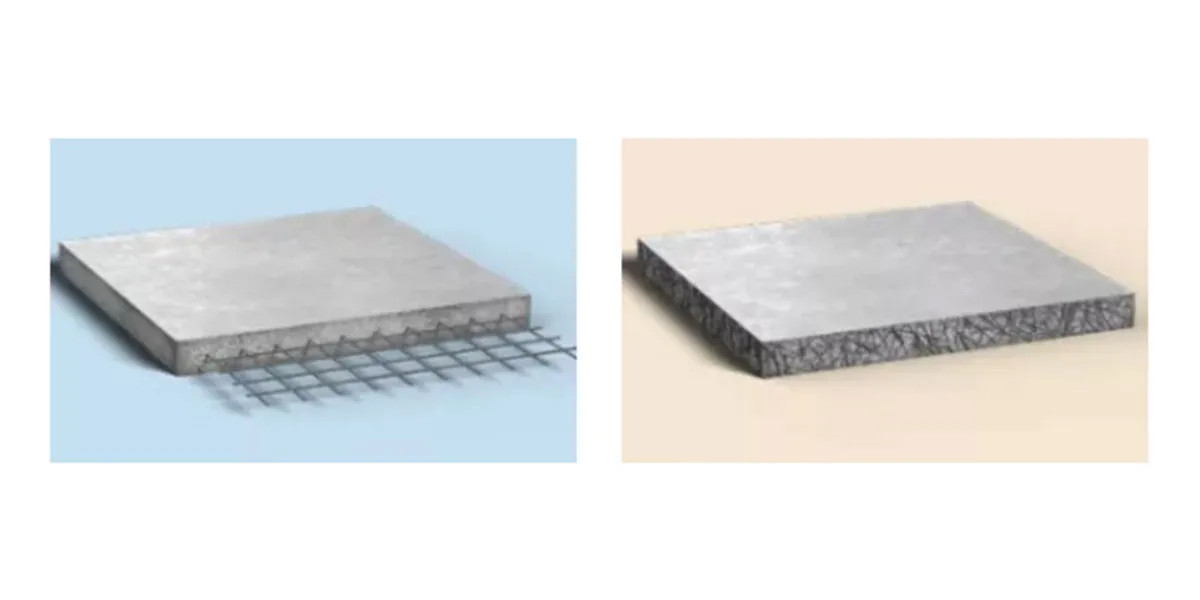
The need of present time is stronger buildings, industrial or common utility buildings, such as Malls, Railway stations, hospitals, offices, bridges etc. For this, there is need of long durable, tough and stable concrete, which could stand under normal and seismic conditions. Tough railway bridges are required for bullet trains to pass without any damage. Railway tunnels, sea-links, coastal roads, bridges and multistorey buildings, are the need of the hour. The question comes, is the normal cement called OPC is sufficient to take care of such requirements or better combination of cements and sand mixtures is required?
Introduction
A good stable building structure can be made with a good quality of cement+sand+water system. Its quality can be enhanced by keeping the density of admixture higher (varies from 30 in normal buildings to bridges etc to 80). Further enhancement in the properties of various cements admixtures is made by adding several additives which give additional strength, waterproofing, flexibility etc. These are called construction chemicals…

Continue Reading

Concrete

NCB Signs MoU With Cement Manufacturer To Boost Construction Skills

Partnership to deliver nationwide training and certification

Published

on

By

Shares

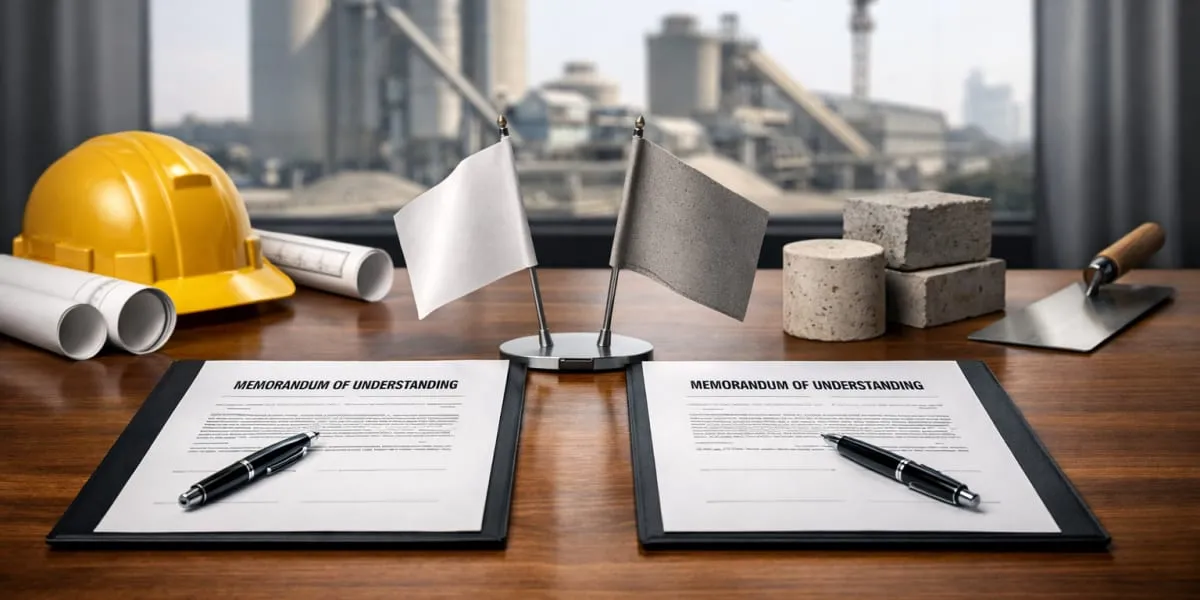
The National Council for Cement and Building Materials (NCB) has signed a memorandum of understanding with a leading cement manufacturer to strengthen skill development and capacity building in the construction sector. The agreement was formalised at NCB premises in Ballabgarh and was signed by the Director General of NCB, Dr L. P. Singh, and the head of technical services at UltraTech Cement Limited, Er Rahul Goel. The collaboration seeks to bring institutional resources and industry expertise into a structured national training effort.

The partnership will deliver structured training and certification programmes across the country aimed at enhancing the capabilities of civil engineers, ready?mix concrete (RMC) professionals, contractors, construction workers and masons. Programme curricula will cover material quality testing, concrete mix proportioning, durability assessment and sustainable construction practices to support improved construction outcomes. Emphasis is to be placed on standardised assessment and certification to raise practice levels across diverse construction roles.

Practical learning elements will include workshops, site demonstrations, technical seminars and exposure visits to plants and RMC facilities to strengthen applied skills and on?site decision making. The Director General indicated confidence that a large number of professionals and workers would be trained over the next three to five years under the initiative. The partnership is designed to complement flagship government schemes such as the Skill India Mission and to align training outputs with national infrastructure priorities.

By combining the council’s technical mandate with industry experience, the initiative aims to develop a more skilled and quality?conscious workforce capable of meeting rising demand in infrastructure and housing. NCB will continue to coordinate programme delivery and quality assurance while industry partners provide practical exposure and technical inputs. The collaboration is expected to support long?term capacity building and more sustainable construction practices nationwide.

Continue Reading

Concrete

JSW Cement Commissions Nagaur Plant, Enters North India

New Rajasthan unit boosts capacity to 24.1 MTPA and expands reach

Published

on

By

Shares
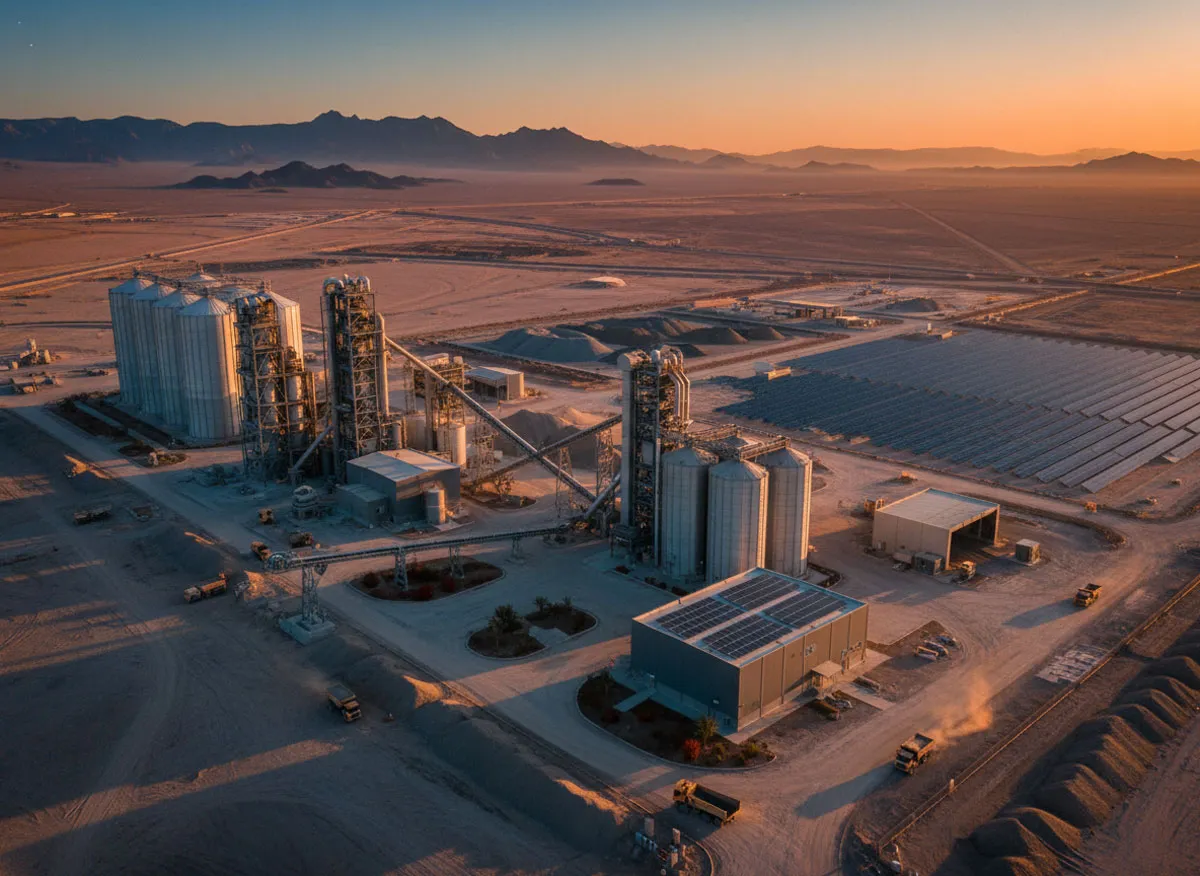
JSW Cement has strengthened its national presence by commencing production at its greenfield integrated cement plant in Nagaur, Rajasthan, marking its entry into the north Indian market.
With this commissioning, the company’s installed grinding capacity has increased to 24.1 MTPA, while total clinker capacity, including its joint venture operations, stands at 9.74 MTPA.
The Nagaur facility comprises a 3.30 MTPA clinkerisation unit and a 2.50 MTPA cement grinding unit, with an additional 1.00 MTPA grinding capacity currently under development. Strategically located, the plant is positioned to serve high-growth markets across Rajasthan, Haryana, Punjab and the NCR.
The project has been funded through a mix of equity and long-term debt, with Rs 800 crore allocated from IPO proceeds towards part-financing the unit.
Parth Jindal, Managing Director, JSW Cement, stated that the commissioning marks a key milestone in the company’s ambition to become a pan-India player. He added that the project was completed within 21 months and positions the company to achieve its targeted capacity of 41.85 MTPA by FY29.
Nilesh Narwekar, CEO, JSW Cement, highlighted that the expansion aligns with the company’s strategy to tap into rapidly growing northern markets driven by infrastructure development. He noted that the company remains focused on delivering high-quality, eco-friendly cement solutions while progressing towards its long-term capacity goal of 60 MTPA.
The Nagaur plant has been designed with sustainability features, including co-processing of alternative fuels and a 7 km overland belt conveyor for limestone transport to reduce road emissions. The facility will also incorporate a 16 MW Waste Heat Recovery System to improve energy efficiency and lower its carbon footprint.
JSW Cement, part of the JSW Group, operates across the building materials value chain and currently has eight plants across India, along with a clinker unit in the UAE through its joint venture.

Continue Reading

Video Thumbnail
â–

    SIGN-UP FOR OUR GENERAL NEWSLETTER


    Trending News

    SUBSCRIBE TO THE NEWSLETTER


    Don't miss out on valuable insights and opportunities to connect with like minded professionals.


      This will close in 0 seconds