Connect with us

Concrete

JSW Cement Forays Into North India With Nagaur Plant

Nagaur plant raises grinding capacity to 24.1 million tonnes per annum

Published

on

Shares

JSW Cement has commenced production at a greenfield integrated cement plant in Nagaur, Rajasthan, marking its first integrated facility in north India and extending the JSW Group’s national presence. The Nagaur unit will serve high-growth markets in Rajasthan, Haryana, Punjab and the National Capital Region. The company presented the commissioning as a key step in its pan-India expansion.

The commencement increases the company’s total cement grinding capacity to 24.1 million tonnes per annum (mn tpa) and brings total clinker manufacturing capacity, including the capacity at its joint venture JSW Cement FZC, to nine point seven four million tonnes per annum (mn tpa). The firm described these additions as strengthening its supply chain and regional reach. The Nagaur site is positioned strategically to reduce logistics for northern markets.
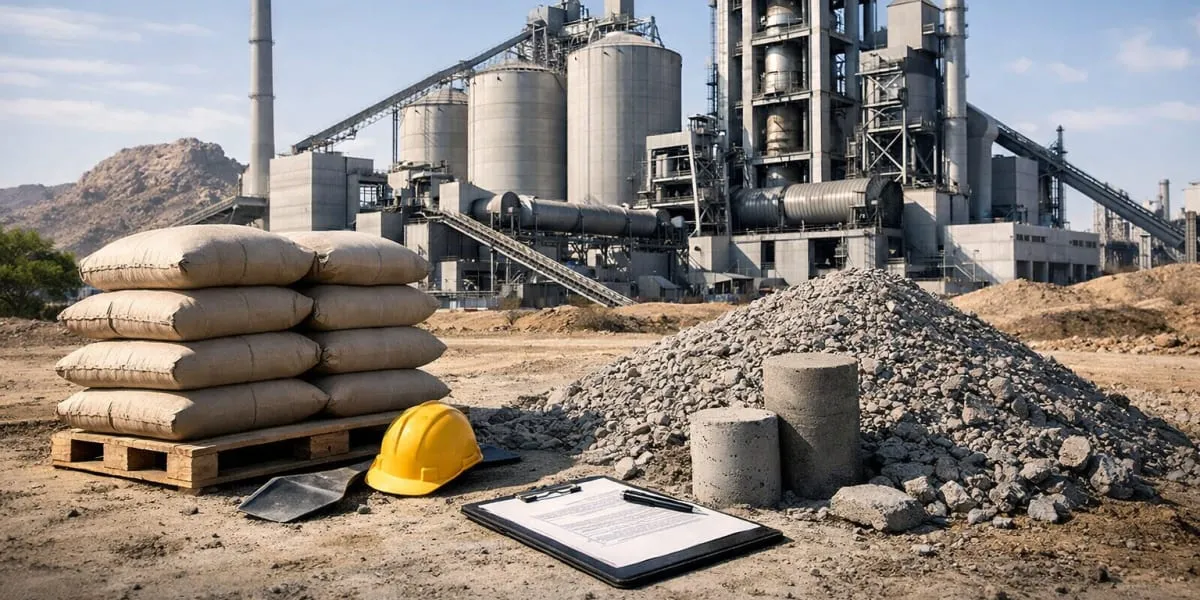
The Nagaur integrated plant comprises a three point three mn tpa clinkerisation unit and a two point five mn tpa cement grinding unit, with an additional one mn tpa grinding unit under construction. The facility was completed within 21 months, demonstrating the company’s project execution capabilities. Management indicated the combined configuration will improve service levels and product availability across target states.

The plant was funded through a mix of equity and long-term debt and the company allocated eight billion (bn) Rs from the fresh issue proceeds of its initial public offering to part-finance the unit. The financing was presented as part of a broader capital plan to support capacity additions and operational enhancements. The firm said the investment aligns with its mid-term growth objectives.

The site is designed with sustainability measures including provision for co-processing alternative fuels, a seven kilometre overland belt conveyor to move limestone from nearby mines and a forthcoming 16 megawatt (MW) Waste Heat Recovery System to recycle process heat and lower emissions. The company reported the expansion brings it closer to its mid-term capacity target of 41.85 mn tpa and to a longer term ambition of 60 mn tpa.

Concrete

Jammu Division Begins First Cement Rail Traffic to Anantnag

Cement Loading From Kathua for Anantnag to Begin on September 14

Published

on

By

Shares

Jammu Railway Division has placed an indent for the first movement of cement by rail within the division, linking Shaheed Captain Sunil Kumar Choudhary Kathua Railway Station with Anantnag Railway Station. Loading for the consignment is scheduled to begin on September 14.

Continue Reading

Concrete

Hard Worker Wins Three Honours at Kyoorius Design Awards

Ramco Cements’ brand secures Grand Prix and two Blue Elephant honours.
Published

on

By

Shares
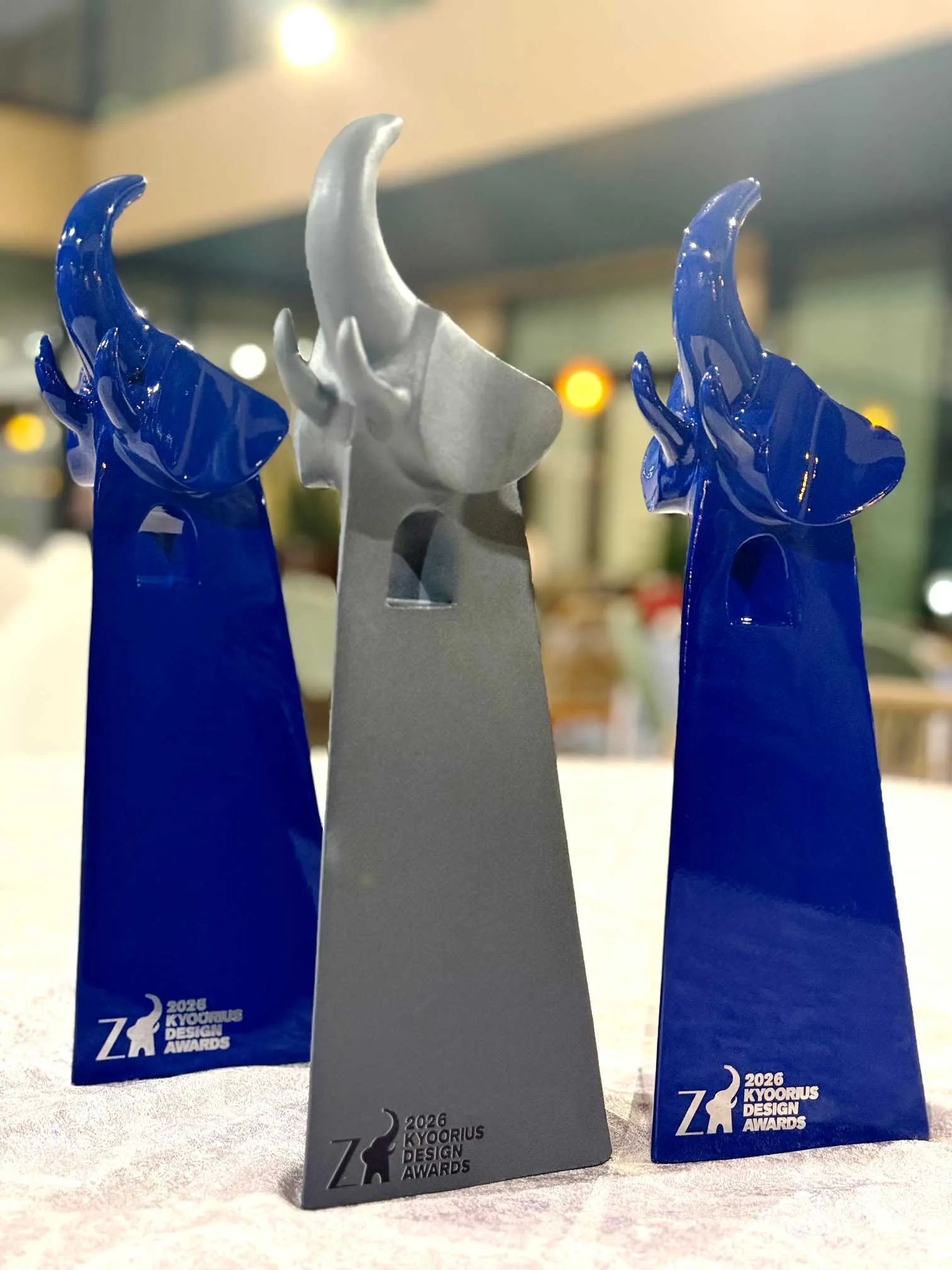
The Ramco Cements Limited’s construction chemicals brand, Hard Worker, has won three honours at the Kyoorius Design Awards 2026, including the Grand Prix – Grey Elephant in the Design in Action category.
The brand also secured two Blue Elephant honours, one for Design in Action and another for Packaging, recognising the design approach behind its brand identity and packaging.
Launched in 2025, Hard Worker entered the construction chemicals segment with the brand promise, “Hard-working products for hardworking people.” Its visual identity uses animals and birds to represent product benefits. The camel represents the water-retention capability of Hard Worker Eco Plaster, while the cheetah represents the speed and performance of Hard Worker Block Fix.
The visual language has been extended across packaging, retail, communication, literature, digital platforms and other brand touchpoints. Hard Worker uses bold colours, distinctive animal illustrations and simple visual storytelling to communicate product benefits across markets and audiences, including construction workers and applicators.
“For Hard Worker, design was never an afterthought. It was fundamental to how we wanted to build the brand. In a category that is largely functional, we wanted to create a brand that people could recognise, understand and remember instantly. The Kyoorius recognition is a wonderful validation of this design-led approach,” said Mr. AV Dharmakrishnan, CEO, The Ramco Cements Limited.
Mr. Balaji K. Moorthy, Executive Director – Marketing, Ramco Cements said “In a category where communication has traditionally been product-led and functional, we wanted Hard Worker to stand apart by making design an integral part of the brand experience. From the distinctive animal-led packaging to our communication across consumer and trade touchpoints, every element was designed to make the brand more memorable and the product benefits easier to understand.”
Within its first 12 months, Hard Worker crossed Rs 3.5 bn in sales. The latest recognition follows six honours secured by the brand’s campaign at the Kyoorius Creative Awards earlier in 2026, including the Grey Elephant Grand Prix for its Eco Plaster film.
The Kyoorius Design Awards recognise outstanding design work in India’s visual communications sector across multiple categories and platforms. The 2026 awards were announced on 12 September in Goa.
The Ramco Cements Limited is part of the Ramco Group and operates across cement and allied building-material solutions. Hard Worker is its construction chemicals brand, offering solutions across key construction applications.

Continue Reading

Concrete

Cement Firms to Invest Rs. 130 bn in Green Energy by FY28

Cement companies plan to expand clean energy capacity to 6 GW by FY28

Published

on

By

Shares

India’s major cement companies are set to raise their clean energy capacity to 6 GW by March 2028 from around 4 GW at the end of March 2026, according to ratings agency ICRA. The planned expansion is expected to involve investments of Rs. 130 bn over the next two years.

The additional capacity could generate annual savings of Rs. 62 bn to Rs. 67 bn, resulting in an estimated payback period of 1.8 to 2.2 years. Cement is an emission-intensive industry, and leading producers have established net-zero roadmaps covering the next 15 to 20 years.

The calcination process accounts for 57 to 60 per cent of the sector’s total emissions, while fuel combustion contributes 27 to 30 per cent and electricity consumption accounts for 10 to 13 per cent. ICRA said the figures highlighted the need for a broad decarbonisation strategy involving green power, blended cement, alternative fuels and improvements in clinker efficiency.

Green energy is considered one of the most commercially attractive decarbonisation options because it can reduce emissions while lowering operating costs. Every 5 per cent increase in green power replacement can reduce power and fuel costs by Rs. 15 to Rs. 16 per tonne. A 25 per cent replacement level could therefore save Rs. 75 to Rs. 80 per tonne and expand operating margins by 140 to 160 basis points.

Cement producers are also assessing carbon capture, utilisation and storage, although high implementation costs, energy requirements and limited transport and storage infrastructure are expected to slow commercial adoption. The government has proposed Rs. 200 bn over five years to support deployment across key sectors. Meanwhile, companies are targeting thermal substitution rates of 10 to 15 per cent over the next three to five years, compared with the current industry level of around 6 per cent.

Continue Reading

Video Thumbnail

    SIGN-UP FOR OUR GENERAL NEWSLETTER

    Trending News

    SUBSCRIBE TO THE NEWSLETTER


    Don't miss out on valuable insights and opportunities to connect with like minded professionals.


      This will close in 0 seconds