Connect with us

Concrete

We consistently push the boundaries of technology

Published

on

Shares

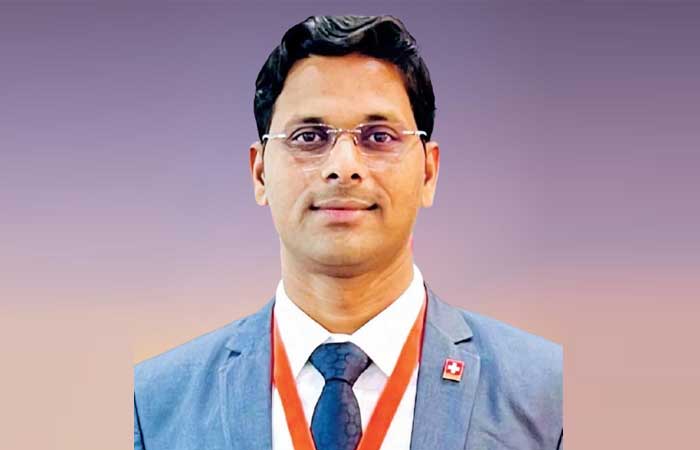
Swapnil Jadhav, Director, SIDSA Environmental, discusses transforming waste into valuable resources through cutting-edge technology and innovative process solutions.

SIDSA Environmental brings decades of experience and expertise to the important niche of waste treatment and process technologies. As a global leader that is at the forefront of sustainable waste management, the company excels in recycling, waste-to-energy solutions and alternative fuel production. In this conversation, Swapnil Jadhav, Director, SIDSA Environmental, shares insights into their advanced shredding technology, its role in RDF production for the cement industry and emerging trends in waste-to-energy solutions.

Can you give us an overview of SIDSA Environmental’s role in waste treatment and process technologies?
SIDSA is a leading innovator in the field of waste treatment and process technologies, dedicated to delivering sustainable solutions that address the growing challenges of waste management.
SIDSA is a more than 52-year-old organisation with worldwide presence and has successfully realised over 1100 projects.
Our expertise is in the engineering and development of cutting-edge systems that enable the conversion of waste materials into valuable resources. This includes recycling technologies, waste-to-energy (W2E) systems, and advanced methods for producing alternative fuels such as refuse derived fuel (RDF). The organisation prioritises environmental stewardship by integrating energy-efficient processes and technologies, supporting industrial sectors—including the cement industry—in reducing their carbon footprint. Through our comprehensive approach, we aim to promote a circular economy where waste is no longer a burden but a resource to be harnessed.

How does SIDSA Environmental’s shredding technology contribute to the cement industry, especially in the production of RDF?
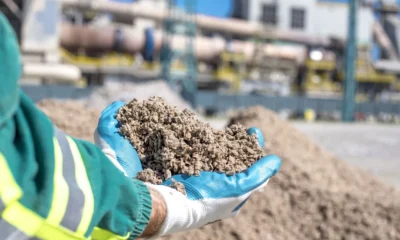
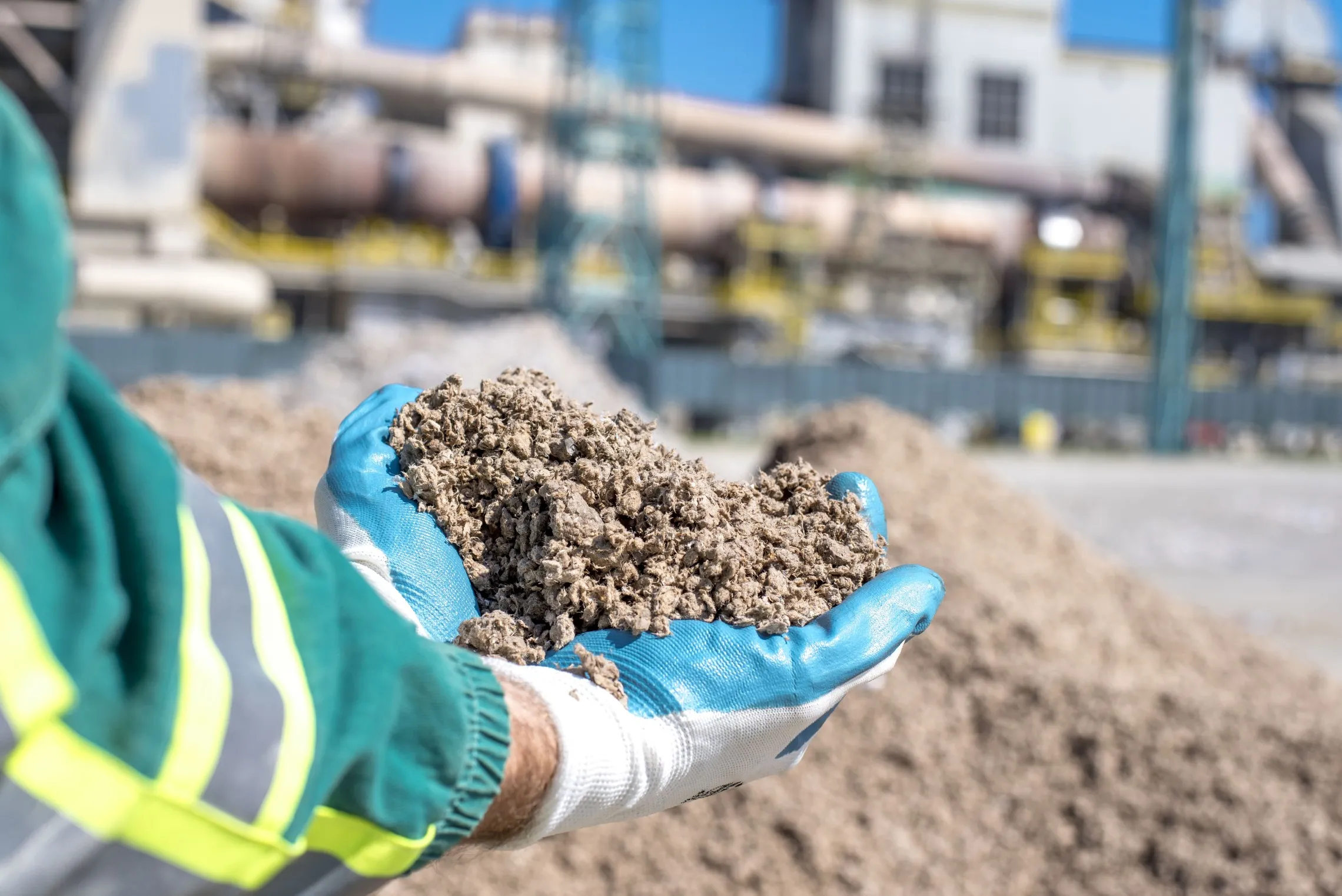
SIDSA’s shredding technology is pivotal in transforming diverse waste streams into high-quality RDF. Cement kilns require fuel with specific calorific values and uniform composition to ensure efficient combustion and operational stability, and this is where our shredding systems excel. In India, we are segment leaders with more than 30 projects including over 50 equipment of varied capacity successfully realised. Some of the solutions were supplied as complete turnkey plants for high capacity AFR processing. Our esteemed client list comprises reputed cement manufacturers and chemical industries. Our technology processes various types of waste—such as plastics, textiles and industrial residues—breaking them down into consistent particles suitable for energy recovery.

Key features include:

  • High efficiency: Ensures optimal throughput for large volumes of waste.
  • Adaptability: Handles mixed and heterogeneous waste streams, including contaminated or complex materials.
  • Reliability: Reduces the likelihood of operational disruptions in RDF production. By standardising RDF properties, our shredding technology enables cement plants to achieve greater energy efficiency while adhering to environmental regulations.

What are the key benefits of using alternative fuels like RDF in cement kilns?
The adoption of RDF and other alternative fuels offers significant advantages across environmental, economic and social dimensions:

  • Environmental benefits: Cement kilns using RDF emit fewer greenhouse gases compared to those reliant on fossil fuels like coal or petroleum coke. RDF also helps mitigate the issue of overflowing landfills by diverting waste toward energy recovery.
  • Economic savings: Alternative fuels are often more cost-effective than traditional energy sources, allowing cement plants to reduce operational expenses.
  • Sustainability and resource efficiency: RDF facilitates the circular economy by repurposing waste materials into energy, conserving finite natural resources.
  • Operational flexibility: Cement kilns designed to use RDF can seamlessly switch between different fuel types, enhancing adaptability to market conditions.

What innovations have been introduced in waste-to-energy (W2E) and recycling solutions?
SIDSA’s machinery is meticulously engineered to handle the complex requirements of processing hazardous and bulky waste.

This includes:

  • Robust construction: Our equipment is designed to manage heavy loads and challenging waste streams, such as industrial debris, tires and large furniture.
  • Advanced safety features: Intelligent sensors and automated controls ensure safe operation when dealing with potentially harmful materials, such as chemical waste.
  • Compliance with standards: Machinery is built to adhere to international environmental and safety regulations, guaranteeing reliability under stringent conditions.
  • Modular design: Allows for customisation and scalability to meet the unique needs of various waste management facilities.

How does your organisation customised solutions help cement plants improve sustainability and efficiency?
We consistently push the boundaries of technology to enhance waste management outcomes.
General innovations and new product development focus on:

  • Energy-efficient shredders: These machines consume less power while maintaining high throughput, contributing to lower operational costs.
  • AI-powered sorting systems: Utilise advanced algorithms to automate waste classification, increasing material recovery rates and minimising errors.
  • Advanced gasification technologies: Convert waste into syngas (a clean energy source) while minimising emissions and residue.
  • Closed-loop recycling solutions: Enable the extraction and repurposing of materials from waste streams, maximising resource use while reducing environmental impact.

What future trends do you foresee in waste management and alternative fuel usage in the cement sector?
Looking ahead, several trends are likely to shape the future of waste management and alternative fuels in the cement industry:

  • AI integration: AI-driven technologies will enhance waste sorting and optimise RDF production, enabling greater efficiency.
  • Bio-based fuels: Increased use of biofuels derived from organic waste as a renewable and low-carbon energy source.
  • Collaborative approaches: Strengthened partnerships between governments, private industries and technology providers will facilitate large-scale implementation of sustainable practices.
  • Circular economy expansion: The cement sector will increasingly adopt closed-loop systems, reducing waste and maximising resource reuse.
  • Regulatory evolution: More stringent environmental laws and incentives for using alternative fuels will accelerate the transition toward sustainable energy solutions.

(Communication by the management of the company)

Concrete

UltraTech Cement FY26 PAT Crosses Rs 80 bn

Company reports record sales, profit and 200 MTPA capacity milestone

Published

on

By

Shares

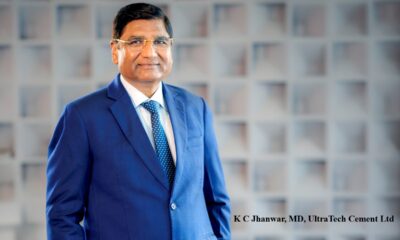
UltraTech Cement reported record financial performance for Q4 and FY26, supported by strong volumes, higher profitability and improved cost efficiency. Consolidated net sales for Q4 FY26 rose 12 per cent year-on-year to Rs 254.67 billion, while PBIDT increased 20 per cent to Rs 56.88 billion. PAT, excluding exceptional items, grew 21 per cent to Rs 30.11 billion.

For FY26, consolidated net sales stood at Rs 873.84 billion, up 17 per cent from Rs 749.36 billion in FY25. PBIDT rose 32 per cent to Rs 175.98 billion, while PAT increased 36 per cent to Rs 83.05 billion, crossing the Rs 80 billion mark for the first time.

India grey cement volumes reached 42.41 million tonnes in Q4 FY26, up 9.3 per cent year-on-year, with capacity utilisation at 89 per cent. Full-year India grey cement volumes stood at 145 million tonnes. Energy costs declined 3 per cent, aided by a higher green power mix of 43 per cent in Q4.

The company’s domestic grey cement capacity has crossed 200 MTPA, reaching 200.1 MTPA, while global capacity stands at 205.5 MTPA. UltraTech also recommended a special dividend of Rs 2.40 billion per share value basis equivalent to Rs 240.

Continue Reading

Concrete

Towards Mega Batching

Optimised batching can drive overall efficiencies in large projects.

Published

on

By

Shares

India’s pace of infrastructure development is pushing the construction sector to work at a significantly higher scale than previously. Tight deadlines necessitate eliminating concreting delays, especially in large and mega projects, which, in turn, imply installing the right batching plant and ensuring batching is efficient. CW explores these steps as well as the gaps in India’s batching plant market.

Choose well

Large-scale infrastructure and building projects typically involve concrete consumption exceeding 30,000-50,000 cum per annum or demand continuous, high-volume pours within compressed timelines, according to Rahul R Wadhai, DGM – Quality, Tata Projects.

Considering the daily need for concrete, “large-scale concreting involves pouring more than 1,000–2,000 cum per day while mega projects involve more than 3,000 cum per day,” says Satish R Vachhani, Advanced Concrete & Construction Consultant…

To read the full article Click Here

Continue Reading

Concrete

Andhra Offers Discom Licences To Private Firms Outside Power Sector

Policy allows firms over 300 MW to seek distribution licences

Published

on

By

Shares

The Andhra Pradesh government will allow private firms that require more than 300 megawatt (MW) of power to apply for distribution licences, making the state the first to extend such licences beyond the power sector. The policy targets information technology, pharmaceuticals, steel and data centres and aims to reduce reliance on state utilities as demand rises for artificial intelligence infrastructure.

Approved applicants will be able to procure electricity directly from generators through power purchase agreements, a change officials said will create more competitive tariffs and reduce supply risk. Licence holders will use the Andhra Pradesh Transmission Company (APTRANSCO) network on payment of charges and will not need a separate distribution network initially.

Licences will be granted under the Electricity Act, 2003 framework, with the Central and State electricity regulators retaining authority over terms and approvals. The recent Electricity (Amendment) Bill, 2025 sought to lower entry barriers, enable network sharing and encourage competition, while the state commission will set floor and ceiling tariffs where multiple discoms operate.

Industry players and original equipment manufacturers welcomed the policy, saying competitive supply is vital for large data centre investments. Major projects and partnerships such as those involving Adani and Google, Brookfield and Reliance, and Meta and Sify Technologies are expected to benefit as capacity expands in the state.

Analysts noted India’s data centre capacity is forecast to reach 10 gigawatts (GW) by 2030 and cited International Energy Agency estimates that global data centre electricity consumption could approach 945 terawatt hours by the same year. A one GW data centre needs an equivalent power allocation and one point five times the water, which authorities equated to 150 billion litres (150 bn litres).

Advisers warned that distribution licences will require close regulation and monitoring to prevent misuse and to ensure tariffs and supply obligations are met. Officials said the policy aims to balance investor requirements with regulatory oversight and could serve as a model for other states.

Continue Reading

Video Thumbnail

    SIGN-UP FOR OUR GENERAL NEWSLETTER


    Trending News

    SUBSCRIBE TO THE NEWSLETTER


    Don't miss out on valuable insights and opportunities to connect with like minded professionals.


      This will close in 0 seconds