Pankaj Phadnis, President, Retail, Infra.Market, discusses the strategic expansion and the company’s vision for the future of AAC blocks and the construction industry.
What prompted Infra.Market to enter the AAC blocks market, and how does it align with their overall growth strategy?
Founded in 2016 and valued today at $2.5 billion, Infra.Market, India’s leading construction materials company, is reshaping the future of construction. Utilising advanced manufacturing, innovative planning, and technology, it generates value by supplying products under its brand and from invested companies like RDC concrete and Shalimar Paints. It is the only company in the country to seamlessly supply over 15 different construction material product categories, including concrete, autoclaved aerated concrete (AAC) blocks, steel, pipes and fittings, mdf, plywood, laminates, tiles, bath fittings and sanitary, fans, lights, kitchen and electrical appliances, modular kitchens and wardrobes, designer hardware and even paints.
Infra.Market’s decision to venture into AAC blocks stemmed from a strategic assessment of market demand, opportunities for diversification, and a commitment to innovation. Recognising the increasing demand for lightweight and sustainable construction materials, Infra.Market identified AAC blocks as a viable solution, aligning with the growing preference for eco-friendly building materials. The Indian AAC block market stands as the second-largest manufacturer globally, trailing only behind China. Projections indicate a robust compound annual growth rate (CAGR) of 14.3 per cent from 2020 to 2027, with an estimated market value of 11,000 crores. Despite its significant potential, the industry remains largely fragmented, characterised by numerous regional players.
At Infra.Market, we aim to consolidate this landscape by establishing a pan-India presence. Currently, we operate five manufacturing plants, strategically positioned across the nation. Additionally, plans are underway for the establishment of five more plants, further strengthening our footprint and ensuring widespread accessibility of our AAC blocks products. Expanding into construction materials, Infra.Market aims to diversify its portfolio, serve a broader customer base, and lead in sustainable solutions, reflecting its long-term vision for growth.
Share insights into the market trends and growth opportunities for AAC blocks in the construction industry.
The market trends for AAC blocks in the construction industry are indicative of a significant shift from traditional red bricks to AAC blocks, presenting substantial growth opportunities. Despite the substantial growth witnessed in AAC block usage over the past decade, it currently constitutes only 7-8 per cent of the industry, with red bricks still dominating 85-90 per cent of the market. However, there’s been a noticeable decline in the supply and consumption of red bricks due to environmental concerns across most parts of India.
AAC blocks have emerged as the preferred alternative to red bricks across all segments, including residential, commercial, and infrastructure projects. India’s annual production of bricks is approximately 440-530 million cubic meters per annum, whereas AAC block manufacturing capacity stands at approximately 27-32 million cubic meters. The widespread adoption of AAC blocks is evident in metro cities like Mumbai and Delhi, where they have achieved around 70 per cent penetration, replacing red bricks in many construction projects.
Government infrastructure projects and major residential and commercial developers recommend the use of AAC blocks, further driving their demand and market penetration. Moreover, with the improvement of supply chains, AAC blocks are increasingly being utilised in smaller towns and villages, expanding their reach and market potential. This shift signifies not only a preference for more sustainable construction materials but also presents lucrative growth opportunities for AAC block manufacturers and stakeholders in the construction industry.
How does automation and technology contribute to your manufacturing process? Has research and development helped in improving the performance?
Automation and technology play a crucial role in optimising our manufacturing process for AAC blocks. Our state-of-the-art R&D lab is instrumental in this endeavour, overseeing the manufacturing process and implementing rigorous quality control procedures. Through automation, we streamline operations, enhance efficiency, and ensure consistency in product quality. Advanced technology enables us to leverage data analytics and real-time monitoring to identify and address any potential issues promptly, thereby minimising downtime and maximising productivity.
What role does AAC blocks play in green building and sustainable construction practices, and how does your company contribute to these efforts?
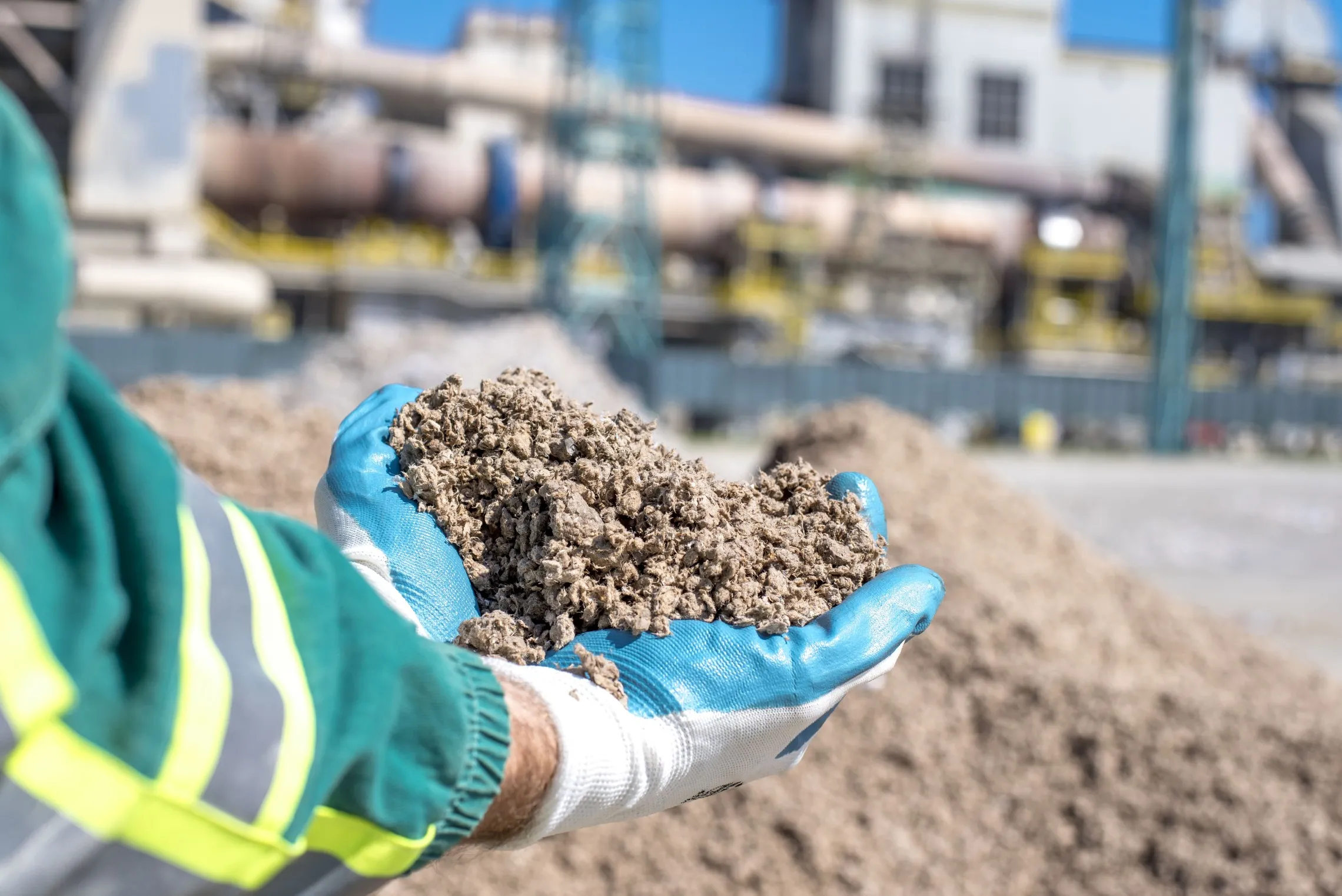
Sustainability shines through in our approach and eco-conscious construction practices. Our AAC blocks have earned the prestigious green product certification from the CII-Green Products and Service Council, showcasing their environmental integrity and role in green building. By incorporating waste materials like flyash and slag into our concrete products, we actively reduce our ecological footprint. Additionally, our membership in the Indian Green Building Council recognises our dedication to green initiatives. Expanding our sustainability efforts, we have delved into metal recycling to mitigate the construction industry’s environmental impact, thereby creating a greener, more sustainable future.
Beyond individual businesses, at Infra.Market, we champion eco-friendly practices. We launched IM Nirmaan, a CSR initiative by Infra.Market that has positively impacted more than 2500 construction workers by providing comprehensive skilling programmes, aligning with sustainable construction. With IVAS, our consumer brand, we pledge to plant two trees for every kitchen sold. Our kitchens are designed with a focus on being carbon neutral, from materials selection to manufacturing processes, ensuring minimal environmental impact.
What innovative strategies are you implementing to optimise the production and distribution of AAC blocks?
Our objective at Infra.Market extends beyond mere commerce; it revolves around establishing unwavering trust by seamlessly integrating technology into every aspect of our operations including those of AAC blocks. Through the incorporation of technology into our supply chain, we anticipate capacity utilisation and efficiently allocate demand. We are actively developing technical solutions utilising cloud infrastructure, data analytics, machine learning/artificial intelligence (AI), augmented reality (AR) and virtual reality (VR) for our stakeholders. Our retailer app streamlines management processes, including purchasing, financing, inventory management, and delivery, all within a single platform. Thus, it helps optimise the production and distribution of AAC blocks. We have developed a customised digital ecosystem for the market using microservices, Golang, Python and PostgreSQL, increasing delivery efficiency with astute insights and striving for user experiences on par with leading online platforms.
What are the primary benefits of using AAC blocks in construction projects, and how do they compare to other materials?
AAC blocks present many advantages over conventional construction materials such as red bricks, concrete blocks, flyash blocks, mivan shuttering and prefab structures. These benefits position AAC blocks as a superior choice in construction projects. Here are some key advantages:
Lightweight: AAC blocks are significantly lighter than traditional alternatives, reducing the overall dead weight of the structure. This characteristic facilitates easier handling and transportation
during construction.
Green product: Utilisation of fly ash and reduced water consumption in the manufacturing process make AAC blocks an environmentally friendly option. This sustainability aspect aligns with green building practices, contributing to a reduced ecological footprint.
Cost saving: AAC blocks offer cost savings compared to other materials due to their efficient production process, lighter weight and reduced labour requirements during construction.
Faster construction and improved labor output: The lightweight nature and ease of handling of AAC blocks enable faster construction, leading to improved labour productivity. This results in shorter project timelines and reduced labour costs.
Better thermal insulation: AAC blocks provide superior thermal insulation properties, helping to regulate indoor temperatures and reduce energy consumption for heating or cooling purposes.
Flexibility: AAC blocks can be easily cut into smaller sizes, allowing for greater flexibility in
design and construction, accommodating various architectural requirements.
Termite resistant: AAC blocks are inherently resistant to termites, offering long-term durability and reducing the need for pest control measures, enhancing the longevity of the structure.
Compared to other materials, AAC blocks stand out for their combination of lightweight, eco-friendliness, cost-effectiveness, speed of construction, thermal insulation, flexibility and termite resistance. These qualities make AAC blocks a preferred choice for construction projects seeking efficiency, sustainability and durability.
How do you see the future of the AAC blocks industry evolving, and what opportunities or challenges do you anticipate?
The AAC blocks industry in India is developing, poised for significant consolidation and growth in the years ahead. The landscape is changing as more organised players are investing to meet the increasing demand, setting the stage for expansion and advancement. With this consolidation comes the anticipation of progress across various dimensions of the industry, ranging from operational efficiency to research and development initiatives and the optimisation of supply chains. The establishment of new production capacities by organised entities is set to fortify the industry’s ability to keep pace with escalating demand effectively.
Moreover, a dedicated focus on research and development is expected to usher in technological innovations aimed at elevating the quality, efficiency, and sustainability. Streamlining supply chains will become paramount, ensuring the prompt delivery to construction projects nationwide. As AAC blocks continue to gain traction as a superior construction material, the market is primed for expansion, offering enticing prospects for manufacturers and suppliers alike.
Navigating the sourcing of raw materials and adherence to sustainability guidelines is a significant hurdle for AAC blocks manufacturers. As competition intensifies with industry consolidation, companies will need to differentiate themselves through product quality, innovation and superior customer service to maintain an edge. Additionally, meeting the increasing demand may necessitate investments in skills development programmes to ensure a proficient workforce capable of driving industry growth, mirroring our IM Nirmaan initiative. Through IM Nirmaan, we focus on skilling and upskilling construction workers to meet the evolving needs of the industry and ensure sustainable progress. Workforce development not only enhances the capabilities of individuals but also strengthens the overall resilience of the construction sector.
What sets Infra.Market apart in the AAC blocks market, and what are your long-term goals and strategies for growth?
Infra.Market distinguishes itself in the AAC blocks market through a combination of strategic initiatives and unwavering commitment to excellence. Our long-term goals and growth strategies are intricately aligned with our vision to be the foremost player in the industry while maintaining a steadfast focus on quality, service, and innovation. Our aim is to become the foremost AAC blocks manufacturer in a year, dominating major cities with top-tier products and services by setting an unmatched standard for quality and reliability in the market. At the core of our strategy lies our dedication to manufacture Grade 1 AAC blocks, ensuring superior strength and above. Our excellence is encapsulated in our tagline ‘Majboot Blocks, Majboot Deewarein,’ symbolising the strength and durability of our products, which have become synonymous with reliability and trustworthiness.
We recognise the importance of engaging with influencers and institutions to expand our reach and establish ourselves as the preferred supplier of choice in the market. Further solidifying our position as a market leader, we are forging strategic partnerships and collaborations. We prioritise and actively invest in research and development, innovation and technology to stay ahead of the curve and anticipate evolving market trends and customer preferences.
As part of our long-term growth strategy, we plan to expand our presence across geographies, strategically positioning ourselves closer to major markets to better serve our customers and capitalise on emerging opportunities. Our relentless pursuit of excellence, coupled with our customer-centric approach and innovation, forms the cornerstone of our long-term goals and strategies for growth in the AAC blocks market. We are confident in our ability to achieve our vision of becoming the leader in the industry while delivering value to our customers and stakeholders.






















 Concrete1 month ago
 Concrete4 weeks ago
 Concrete1 month ago
 Concrete3 weeks ago