Prerak Manisha Shah, Founder and CTO, Cogniify.ai, draws a sharp distinction between automation and self-optimisation, and the need for a workforce that understands both the capabilities and the limits of the intelligence they are working with.
The cement production process uses a lot of energy, involving various steps such as processing of raw materials, use of kilns and running machinery. There are numerous factors that should be kept in balance in order to make the process effective. It is possible to save production costs, quality and environment performance. In spite of the fact that traditional automation has allowed to achieve consistency in working and reduce the level of human interference, it is not always possible to monitor changing conditions and solve issues in advance.
Artificial Intelligence (AI) is the latest approach that has transformed cement production. By analysing up-to-date data and supporting companies in search for the correct solution, it is possible to turn the production process into one of continuous optimisation and advancements.
Difference between automation and self-optimisation
Automation and self-optimisation may seem synonymous, but they play different roles. Automated systems obey predefined rules. For instance, a conveyor belt comes to a halt when a sensor senses something blocking it; kilns will have their fuel input adjusted by temperature regulators when the temperature readings go out of range. Self-optimisation takes it a step further. The system is capable of obtaining historical data, as well as current operational data, and then using it to understand what is going on in the plant and how to improve operational efficiency.
Thus, instead of sticking to a certain temperature, an AI-based system evaluates how the composition of raw materials, fuel properties, feed rates, and air distribution can influence kiln performance. It also creates recommendations about what to change in order to ensure the quality of clinker with minimum fuel costs. With a proper set of controls and safety features, some adjustments can be performed automatically.
The distinction is significant: automation is about executing commands, while self-optimisation is connected to making better decisions based on available data. In any case, human supervision is required, particularly with regard to the decisions that could affect safety, product quality and stability of operations.
Turning the kiln into an intelligent, predictive system
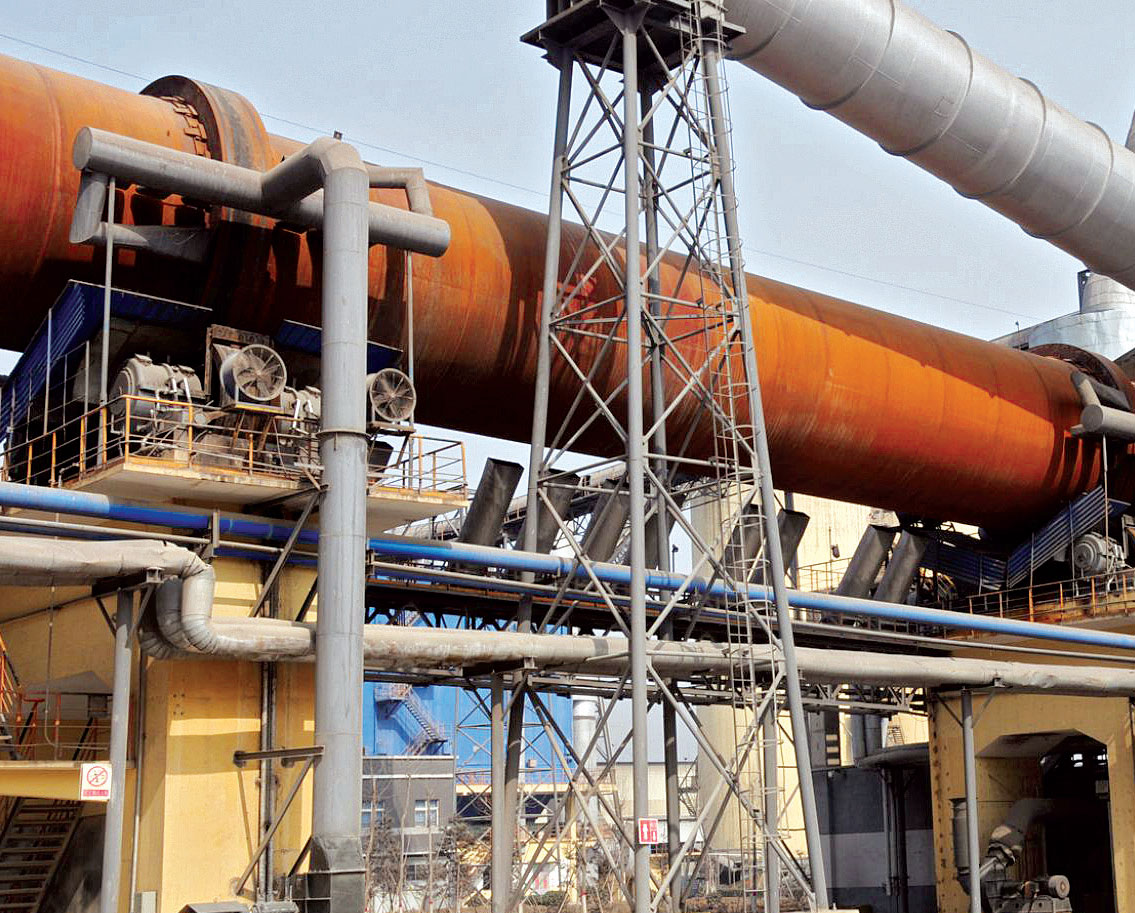
The rotary kiln is the main equipment in the cement manufacturing process. It is important to keep the kiln operating appropriately to get the desired quality of clinker, which is an intermediate material for cement production. That said, the kiln’s performance depends on many factors that are extensively interconnected. Any change in one of them would influence the rest. Traditionally, the operators would make use of their experience and laboratory results combined with information from the control room, reacting to those changes.
Nevertheless, AI can assist them in the process of handling changes that occur within the operating kiln. For example, predictive models would estimate what will happen if raw material composition or fuel quality is changed. It would give the operators a chance to optimise the operational conditions beforehand. AI can also help to discover unstable conditions within the kiln, which would suggest forthcoming problems. It is also worth mentioning, however, that these advantages depend widely on the accuracy of data received from sensors used in the production premises as well as the availability of models and their connection with the process.
Predictive maintenance
When unexpected breakdowns happen in manufacturing, it can produce a vast amount of disruption in manufacturing. For example, equipment such as kiln drives, gearboxes, fans, and conveyors can lead to decreased production without counting the increased expense in repairs and altered time of deliveries. Traditional preventive maintenance reduces the chances of errors because it helps plan inspections and maintenance of the machines, but in certain cases it appears unnecessary.
With predictive maintenance, AI programmes use data about vibration, temperature of bearings, electric current of the motor and operating time of the equipment in order to determine when the machine is likely to break. For instance, decisions about making preventive maintenance of the gearbox in your cement mill may be made only with the help of the changing pattern of vibrations. The moment the AI recognises that the vibration of the machine has changed, the engineers will be able to check the machine before it breaks down. In that way, the engineers would be able to examine its parts and bring them to ordering spare parts and plan maintenance works.
Energy optimisation
In cement production, energy is one of the highest operational costs since kilns require a lot of thermal energy while raw mills, cement mills, fans, and other equipment need a lot of energy. Thus, increased efficiency has a direct influence on the operational costs and emissions when it comes to cement manufacturing. Since machines operate in different conditions, AI could help improve productivity through energy use optimisation based on how parameters and working conditions affect fuel and electricity consumption.
AI can help determine optimal parameters such as kiln charge, combustion, mill charge, airflow, and equipment operation to find all the possibilities for maximising the efficiency of the process. AI can help distinguish conditions that include high specific energy consumption so that the operators can adapt their processes without risking the quality of their products. An important contribution of AI includes the development of algorithms that optimise processes, taking into account the need to minimise fuel costs, production, and the quality of clinker. Applying AI technology allows automating processes where one would be unable to optimise energy consumption properly. This helps to reduce costs related to a plant’s operation without making high-level changes in
its operation.
Making sustainability a real-time operational goal
In the concrete industry, sustainability creates a strong connection to efficiency in performance and operations. The process of making concrete involves a combustion process as well as the process of converting limestone into cement, which generates emissions of carbon dioxide. The electricity that is consumed and the fuel types that are used also contribute to overall emissions of the plant. Analytics involved with AI technologies can contribute to the reduction of emissions by enabling continuous monitoring of processes associated with fuel and energy use. Analytics allows assessing the emitters in real time based on data related to the fuel burnt, heating processes, and emissions, as well as deviations from the norm that have occurred. AI gives the chance to evaluate these deviations and take actions in order to keep stable conditions in the kiln. It also provides businesses with chances to optimize the level of air used and make processing much more efficient.
When good measurement methods are used, AI can provide actual monitoring of emissions intensity. However, the application of AI technologies alone will not help eliminate the emissions connected with limestone chemistry.
Connecting the entire plant through a digital twin
Cement manufacturing entails various activities that are interrelated to each other. A modification in raw mill will have an impact on kiln feeding and also the performance of the kiln in turn will influence the quality of clinker produced and demand for energy that is needed for grinding cement. If every machine is optimised independently, it may lead to the loss of chances to improve overall efficiency of the cement production. A digital twin is an outstanding technology that allows overcoming this problem.
A digital twin is a technology that allows creating a representation of concrete equipment or process based on the data received from equipment or process operation. Depending on the characteristics, it can allow simulation of work conditions and test
various decisions. When combined with AI, this technology can test various scenarios and make coordinated decisions by departments. In particular, engineers can evaluate various potential improvements before real implementation. A digital twin is not equal to a complete copy of a physical plant or equipment.
From data collection to decisions
The optimisation of AI technology needs a good digital foundation that aggregates valid data from sensors, labs, maintenance history, meters, and production software. Otherwise, isolated systems make it hard to combine important pieces of information. For example, while the maintenance department knows about continuous malfunctions with a fan, at the same time, the production group has information about changing operational conditions. Thus, it would be impossible to understand what a specific piece of data means. A good digital foundation incorporates good definitions of data used, proper communication between systems followed by a good data storage process, and clear identification of the one who owns this particular data. Furthermore, cybersecurity, access control, and protection of crucial technologies must be given serious consideration.
Data quality is very important, as wrong data from sensors, missing values or misnamed historical records can result in misleading outputs from AI. Therefore, factories must develop technology to ensure correct data, monitor the quality of models used and train them with respect to changes in devices or operational conditions. The goal is to turn collected data into useful suggestions for action.
The human factor
The change to self-optimising actions is not just a technology-related task; it’s also a change in how people do their business. Workers, maintenance specialists, and professionals have field knowledge that can’t be replaced by AI technology. Teams should be able to trust recommendations provided by AI or other systems, which means understanding the suggestions, the reasons behind those suggestions, and expectations in regard to the effects of the offer.
An algorithm that generates alerts without explanations or makes absurd recommendations will have difficulty becoming a part of daily operations. Therefore, the cement industry has to make sure that staff is involved in the identification of issues where AI can be used, as well as in testing and outcome evaluation processes. Training should educate personnel to interpret AI results, understand limitations, and know when to stop AI recommendations.
The establishment of limitations for automated operations is of utmost importance, as well as making sure that there are procedures created to react to sensor malfunctions, communication loss, or abnormal behaviour of the model. All that needs to be done for employees to perceive AI as an assistant improving their experience and expertise.
The future of cement production relies on transitioning from being an isolated automated industry to a connected, data-led and more self-optimising. The application of artificial intelligence permits the plants to predict equipment failure, improve stability of kilns, reduce energy use and put a higher focus on sustainability. Digital twins and data integration enable the producers to understand the influence of adjustments that come at different stages throughout the production process as far as the entire production line is concerned.
At the same time, technology cannot achieve results by itself. The success of the plant relies on the use of accurate data; verified models, information security measures, efficient process management and knowledgeable personnel. Moreover, it should be taken into account that cement plants do not need to shop today, as the result has to be reached stage by stage.
About the author:
Prerak Manisha Shah, Founder and CTO, Cogniify.ai, is an AI and data engineering expert with experience at Meta and Harvard Medical School. He specialises in machine learning, predictive analytics and enterprise AI, applying data-driven solutions to improve operational efficiency and business outcomes.





















 Concrete4 weeks ago
 Concrete4 weeks ago

 Concrete4 weeks ago
 Concrete4 weeks ago